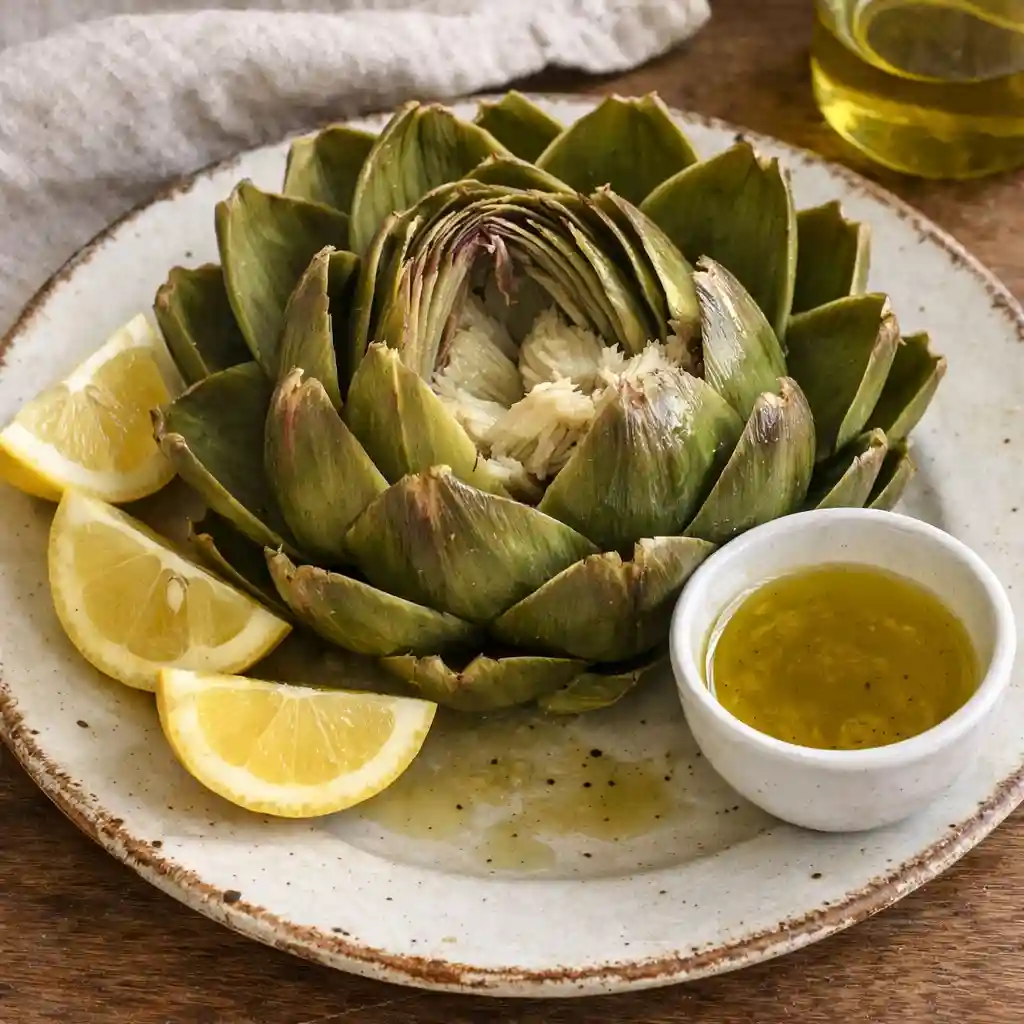
Ever stumble across a vegetable that looks more like a green flower than food? That was my first reaction to artichokes. They kept popping up in Mediterranean dishes I was curious about on Pinterest and even TikTok videos promising “gut-friendly greens.” So, I decided to dig deeper and see what makes this prickly veggie such a hot topic.
This article is all about artichoke health benefits—a go-to guide for anyone who’s wondering whether this strange-looking plant is worth adding to their weekly meals. Whether you’re into natural wellness, love Mediterranean cooking, or are just curious about how artichokes might support your digestion, liver, or heart health—you’re in the right place.
Here’s what we’ll cover: what artichokes really are (and why they’re called a superfood), their full nutrition profile, how they might support gut and liver health, potential benefits for your heart and immune system, and even some cultural traditions around them. We’ll also explore the big question: is it okay to eat artichokes every day? Plus, if you’re looking for ways to prepare and eat them—fresh, canned, or even as supplements—I’ve got tips for that too.
Looking for inspiration? Try this helpful guide on liver detox foods to go along with your artichoke journey.
Let’s dig in and see what makes artichokes a true kitchen keeper.
What Is an Artichoke?
What Makes the Artichoke So Unique?
At first glance, an artichoke doesn’t seem like your average vegetable. With thick green petals and a tough exterior, it looks more like a medieval weapon than a dinner side dish. But peel back those layers, and you’ll find a tender heart that’s packed with flavor and nutrition. Artichokes are actually flower buds from a type of thistle. Before they bloom into purple blossoms, they’re harvested and eaten. That’s what gives them their unusual shape and reputation as a gourmet vegetable.
Artichoke Health Benefits as a Superfood
So, what puts this veggie in the superfood spotlight? It’s all about those nutrients. Artichoke health benefits come from its combination of fiber, antioxidants, and vitamins like C and K. It’s one of the highest-antioxidant vegetables available, ranking even higher than blueberries in some tests. That makes it a top pick for people trying to eat for wellness without sacrificing flavor.
Artichoke health benefits aren’t just about what’s inside the plant—they’re also about how your body responds. Because they’re rich in prebiotic fiber, artichokes can support your gut microbiome. And thanks to compounds like cynarin and silymarin, they’ve been traditionally used to support liver function, especially in cultures that prize natural remedies.
Whether you’re into clean eating, looking for plant-based nutrient sources, or just want to try something new, artichokes can be a surprising addition to your weekly menu.
Pro Tip: For the freshest flavor and the full spectrum of artichoke health benefits, go for globe artichokes in season. They’re bigger, meatier, and usually more tender than the smaller varieties.
Nutritional Profile of Artichokes
The Vitamins and Minerals Inside Every Artichoke
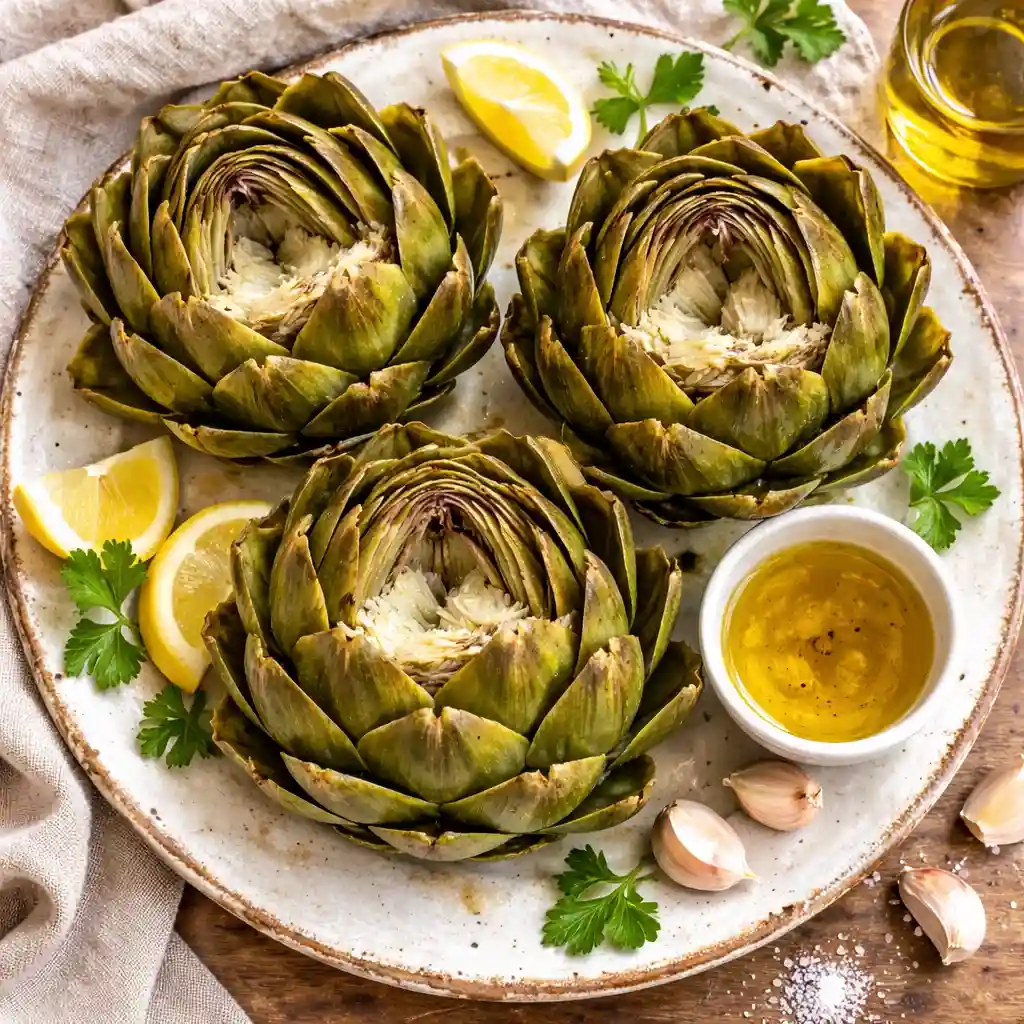
One of the biggest reasons people talk about artichoke health benefits is because this veggie is nutritionally stacked. Each artichoke is a natural source of vitamins C, K, and B9 (folate). These are essential nutrients that support immune health, blood clotting, and cell growth. Plus, artichokes come with magnesium, potassium, iron, and even a little calcium—minerals that help with everything from muscle function to hydration balance.
What makes artichokes unique is how these nutrients are delivered. Unlike some vegetables that lose value when cooked, artichokes hold onto their nutritional power pretty well, especially when steamed. That’s great news for anyone looking to eat healthier without overcomplicating their meals.
Fiber, Antioxidants, and Natural Plant Compounds
Beyond vitamins and minerals, artichokes are a fiber powerhouse. One medium artichoke contains about 7 grams of fiber—that’s nearly 25% of your daily needs. This fiber plays a major role in digestion and gut health, which is one reason artichoke health benefits are often linked to better bowel regularity and reduced bloating.
They’re also rich in polyphenols and flavonoids—plant compounds that act as antioxidants. These compounds help defend your cells against oxidative stress, a factor that may be linked to aging and inflammation. Eating more antioxidant-rich foods, like artichokes, might help protect long-term wellness when combined with a balanced lifestyle.
Pro Tip: Steaming artichokes instead of boiling them keeps more antioxidants and minerals intact. Pair with olive oil or lemon juice to make the nutrients even more absorbable.
Don’t miss our guide on Mediterranean food recipes for more nutrient-dense veggie ideas that go hand-in-hand with artichokes.
Digestive Health Benefits
Artichokes and Prebiotic Power
If there’s one thing that really makes artichoke health benefits stand out, it’s their digestive support. Artichokes are one of the best natural sources of inulin, a type of prebiotic fiber. Prebiotics feed the “good” bacteria in your gut, helping create a healthier microbiome. This gut environment influences everything from nutrient absorption to immune response, and even mood regulation.
Because artichokes provide slow-digesting fiber, they help balance blood sugar and keep you feeling full longer. This makes them a smart option for people aiming to reduce snacking or manage weight through natural foods.
Regularity Without Harsh Laxatives
Fiber-rich foods like artichokes are a gentle way to encourage bowel regularity. Instead of turning to harsh laxatives, many find that simply adding more fiber to meals can keep things moving comfortably. That’s one of the most practical artichoke health benefits—it helps your body do what it’s meant to do, naturally.
Some folks on Reddit and Quora share how a simple roasted artichoke helped ease their digestion after heavy meals. While that’s not scientific proof, it’s a reminder that traditional whole foods often serve practical roles in wellness routines.
Pro Tip: Having trouble with bloating? Try eating steamed artichokes with a dash of lemon before heavy meals to help your stomach ease into digestion.
Discover great ideas like this in our post about healthy snacks for weight loss—many of them are gut-friendly and packed with fiber.
Liver Support and Detoxification
How Artichokes May Support Liver Health
When people ask about artichoke health benefits, liver support is often one of the first things mentioned. That’s because artichokes contain two key compounds—cynarin and silymarin—that have long been linked to traditional liver remedies. These natural elements may help the liver process toxins and support bile production, which is essential for digestion and nutrient breakdown.
In Mediterranean and Middle Eastern cultures, artichokes are sometimes consumed after big meals or festive gatherings, not just for flavor but for their reputation as liver-friendly foods. While research is still catching up, this traditional use is one reason why artichoke health benefits are frequently included in natural detox discussions.
Do Artichokes Really “Clean” the Liver?
Let’s be clear—no single food “cleans” your liver. But some compounds in foods like artichokes may support your liver’s natural detox functions. The liver is already pretty amazing at filtering waste, and a diet rich in whole plant-based foods can help it run efficiently.
Instead of thinking of artichokes as a magic solution, it’s better to view them as part of a larger wellness strategy. Including them in balanced meals could offer gentle support over time.
Pro Tip: Add steamed artichokes to your weekly meal prep with lean proteins and leafy greens for a naturally liver-conscious combo.
Check out our green tea health benefits guide—it pairs well with artichokes for those looking to build a plant-based detox plate.
Heart Health Benefits
Cholesterol and Blood Pressure Balance
A lesser-known aspect of artichoke health benefits is their potential connection to heart wellness. Studies have looked into how artichoke extract may influence cholesterol levels, especially LDL—the “bad” kind. While whole artichokes aren’t a treatment, they do contain soluble fiber and antioxidants that may support healthier cholesterol profiles when part of a balanced diet.
Artichokes also provide potassium, a mineral that can help regulate blood pressure. Eating potassium-rich foods like artichokes may assist the body in counteracting the effects of sodium, a helpful shift for people monitoring cardiovascular health.
Natural Antioxidants That Support the Heart
Alongside potassium and fiber, artichokes are rich in antioxidants like rutin and anthocyanins. These plant-based compounds may support vascular health by protecting cells from oxidative stress—a factor in aging and heart strain. This is why artichoke health benefits often appear in wellness-focused diet plans aimed at heart-conscious eaters.
You won’t hear doctors prescribing artichokes instead of medication, but adding them to a vegetable-rich diet can be a smart move. Roasted or grilled artichokes make a flavorful side for lean proteins, especially for those trying to cook with heart health in mind.
Pro Tip: For a heart-smart snack, try marinated artichoke hearts on whole-grain toast with a drizzle of olive oil. It’s fiber-rich, flavorful, and easy on your arteries.
Looking for other antioxidant-packed options? Don’t miss our quick look at pomegranate health—another fruit with impressive heart-loving compounds.
Immune System and Inflammation
Building Immunity with Plant-Based Nutrients
One of the less talked about artichoke health benefits is its contribution to immune support. While we often hear about citrus fruits for vitamin C, artichokes also bring this immune-boosting nutrient to the table. Just one medium artichoke offers a notable dose of vitamin C, which helps your body fight off oxidative stress and supports the production of white blood cells.
In addition to vitamin C, artichokes contain folate and magnesium—two minerals involved in cell regeneration and immune system response. Including them regularly in your meals is a gentle way to boost your body’s natural defenses, especially during flu season or stressful periods when the immune system can use a little backup.
Natural Inflammation Fighters
Many artichoke health benefits come from the anti-inflammatory properties of their plant compounds. Flavonoids like quercetin and silymarin are naturally present and may help the body reduce inflammatory stress. While more research is needed to draw firm conclusions, early findings suggest that regularly consuming antioxidant-rich vegetables like artichokes may play a role in long-term inflammation balance.
Instead of relying solely on supplements, eating whole foods like artichokes allows your body to absorb nutrients in the way nature intended. When combined with other veggies, lean proteins, and healthy fats, artichokes round out meals that nourish and protect.
Pro Tip: Pair artichokes with turmeric or ginger in your meals—these ingredients complement each other and may help reinforce anti-inflammatory support in your diet.
How to Eat Artichokes
Prepping Fresh Artichokes at Home
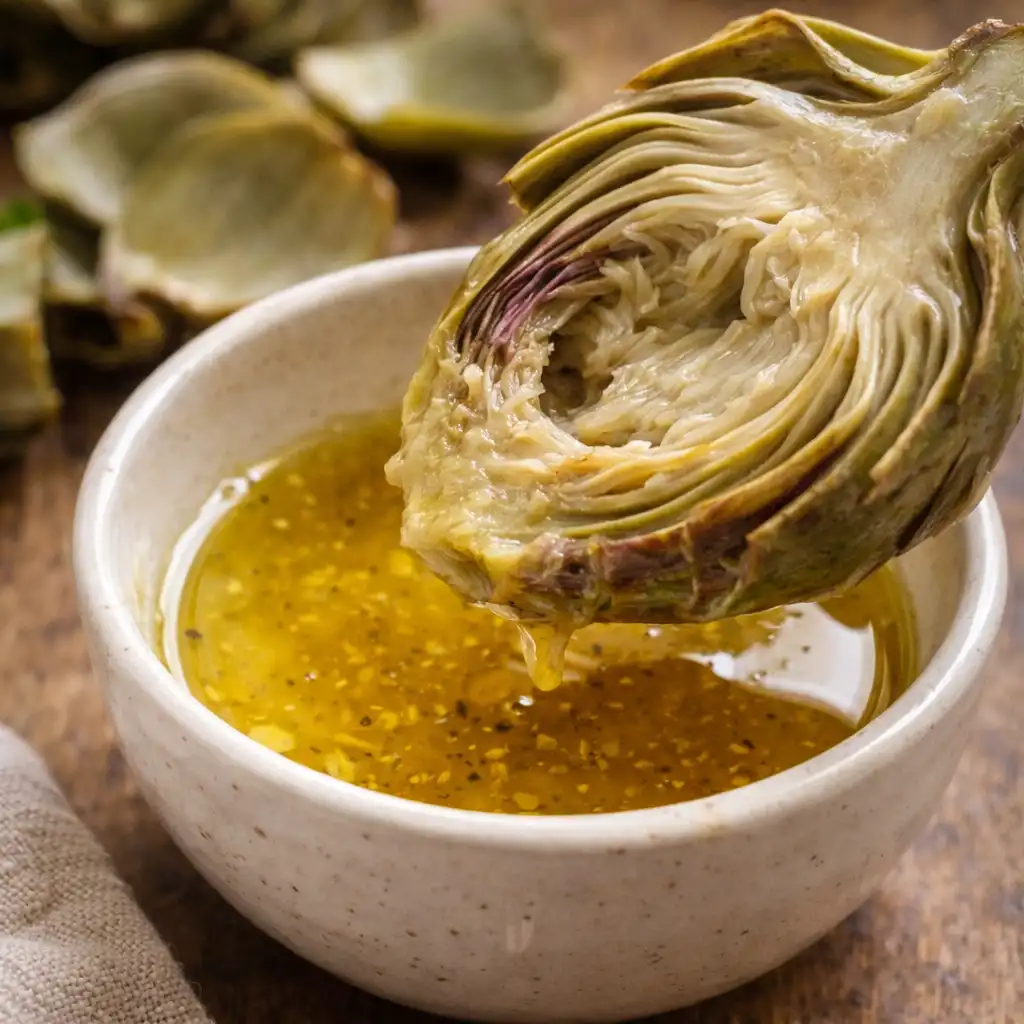
The first time I brought home a fresh artichoke, I wasn’t quite sure where to start. With all those layers and the tough outer leaves, it looked more like a puzzle than a vegetable. But once I learned how to trim, steam, and get to the tender heart, I realized just how rewarding it could be. One of the easiest ways to enjoy artichoke health benefits is by steaming whole artichokes and dipping the leaves in olive oil or lemon vinaigrette. You peel, dip, and scrape the “meat” off each leaf with your teeth—it’s fun and surprisingly satisfying.
Steamed or grilled artichokes can also be added to salads, bowls, or pasta. Don’t forget the heart—it’s soft, flavorful, and packed with nutrients. It’s also the part most commonly used in canned and jarred versions.
Fresh, Canned, Frozen, or Supplements?
Not everyone has time to prep fresh artichokes from scratch. Thankfully, you can still get many of the same artichoke health benefits from frozen or canned options. Just check the label for added sodium or preservatives. Jarred marinated artichokes are popular in antipasto platters or tossed into pasta salads, and they bring both flavor and nutrition.
Some people also turn to artichoke extract supplements. While these may be convenient, it’s always best to focus on whole foods first when trying to improve wellness through diet. Supplements can support—but not replace—the broader benefits of real food.
Pro Tip: Keep canned or frozen artichokes in your pantry for quick meal boosts. Add them to omelets, grain bowls, or soups when you’re low on fresh veggies.
Eating Artichokes Every Day — Is It Okay?
Is Daily Consumption Too Much?
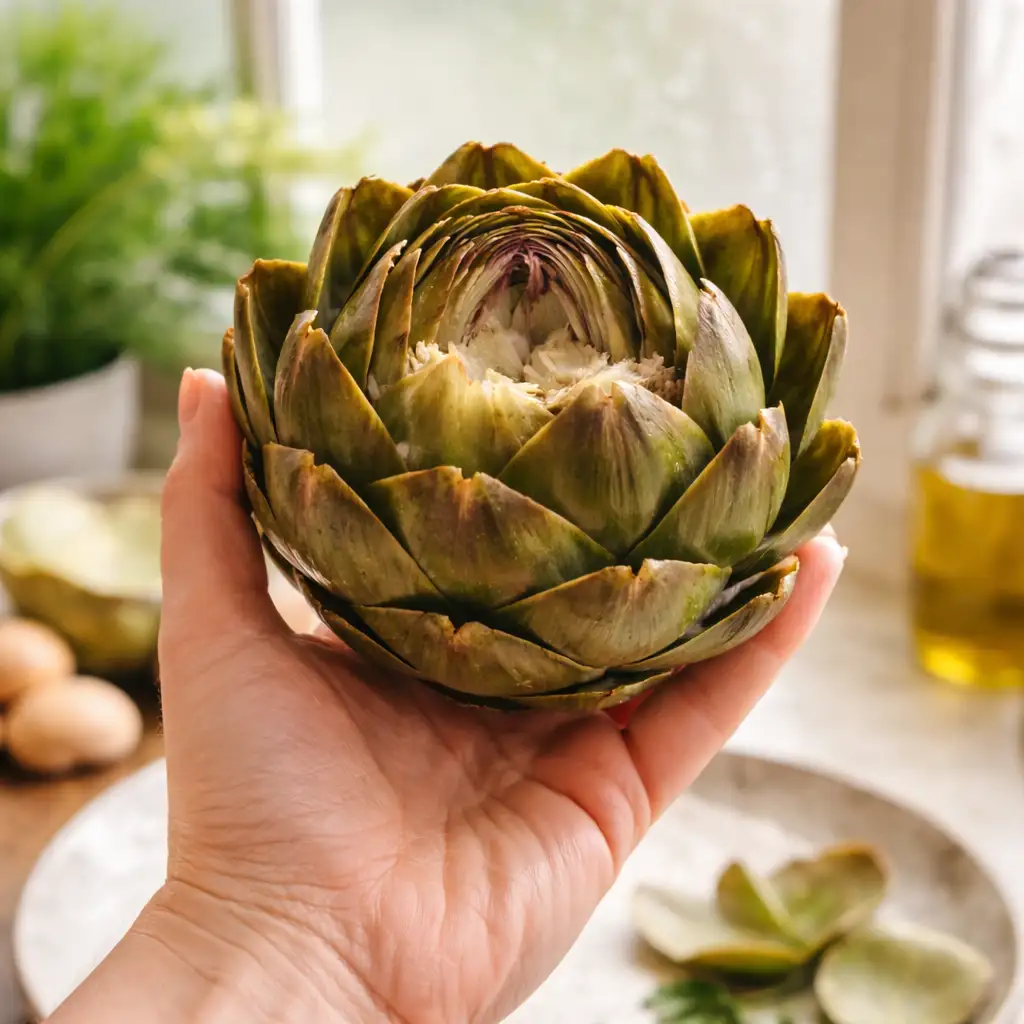
Many people wonder if enjoying artichokes regularly could lead to any downsides. It’s a fair question, especially when we’re told moderation is key with everything. But when it comes to artichoke health benefits, eating them daily in reasonable portions is generally considered safe for most people. In fact, some Mediterranean diets include artichokes several times a week—steamed, grilled, or added to mixed vegetable dishes.
That said, the fiber content in artichokes is pretty high. If your body isn’t used to lots of fiber, jumping into a daily artichoke habit could cause some mild bloating or gas at first. Easing into it slowly and drinking enough water can help your digestive system adjust.
Finding the Right Balance
So how much is just right? For most adults, having one medium artichoke—or about half a cup of artichoke hearts—daily fits easily within balanced eating. Whether you’re looking to support digestion, liver function, or just enjoy more veggies, the wide range of artichoke health benefits makes them a smart staple.
You can mix up how you enjoy them—roasted as a side, tossed into salads, or blended into creamy dips. Each form brings its own texture and flavor, making it easier to avoid getting bored with the same routine.
Pro Tip: Rotate artichokes with other high-fiber vegetables like beets or broccoli. This keeps your meals interesting while maintaining steady digestive support.
Cultural and Traditional Uses
Why Do Jews Eat Artichokes?
Artichokes have deep roots in Mediterranean cuisine, especially in Jewish communities of Italy and the Middle East. During Passover, Roman Jews prepare a famous dish called Carciofi alla Giudia—deep-fried whole artichokes that are crispy on the outside and soft inside. This tradition highlights how food can carry both flavor and cultural meaning. For many, enjoying artichokes isn’t just about nutrition—it’s about heritage, memory, and seasonal rituals.
While artichoke health benefits weren’t the primary reason behind these traditional meals, their nutritional richness adds to their value. Foods eaten for centuries often reflect a deep, intuitive understanding of wellness before science had all the words for it.
Artichokes in Mediterranean Cooking
Across the Mediterranean—from Spain to Lebanon—artichokes appear in springtime recipes, stews, and mezze platters. They’re often paired with garlic, lemon, or olive oil—ingredients that enhance their flavor and may even help the body absorb fat-soluble nutrients better. These traditional pairings also bring out the full potential of artichoke health benefits in a way that feels both familiar and satisfying.
Incorporating these traditions into modern kitchens can be a great way to expand your palate while honoring time-tested recipes. Whether roasted, fried, or stewed, artichokes connect us to a culinary lineage that prizes both flavor and function.
Pro Tip: Explore traditional artichoke recipes from Sephardic or Roman Jewish cookbooks for fresh ways to enjoy this nutrient-packed vegetable with cultural depth.
FAQ — Artichoke Health Benefits
Which superfood is the artichoke?
The artichoke is often considered a green superfood thanks to its dense nutritional profile. Rich in fiber, antioxidants, vitamins C and K, and liver-supporting compounds like cynarin, artichokes deliver wellness in every bite. One of the reasons people turn to this veggie is the wide range of artichoke health benefits that fit naturally into balanced eating.
Is it okay to eat artichokes every day?
For most people, yes—it’s safe to enjoy artichokes daily in moderate portions. They’re packed with fiber, so easing into regular use can help avoid digestive discomfort. When enjoyed as part of varied, whole-food meals, the daily intake of artichokes can help you maintain consistent support from their natural compounds and nutrients.
Why do Jews eat artichokes?
In Jewish communities, especially in Italy, artichokes play a cultural role during Passover. The dish Carciofi alla Giudia is a staple among Roman Jews and celebrates tradition with flavor. While the meal is rooted in heritage, the artichoke health benefits it delivers add nutritional value to this meaningful food practice.
Do artichokes clean the liver?
Artichokes contain compounds like cynarin and silymarin that have been studied for their potential liver-supportive properties. While they don’t “clean” the liver in a literal sense, they may help support the organ’s natural detox processes. Including them in your diet is one gentle way to align with natural wellness habits.
Pro Tip: Keep a jar of marinated artichoke hearts on hand—quick additions like these make healthy eating easier and more flavorful.
Conclusion
Artichokes may look intimidating at first, but once you crack their tough exterior, there’s a world of flavor and nutrition waiting inside. From ancient traditions to modern nutrition science, the story of this vegetable is one that blends culture, taste, and health. Whether you’re roasting them for dinner or blending them into dips, there are plenty of ways to enjoy artichoke health benefits without it feeling like a chore.
Adding artichokes to your diet can be a smart step toward supporting digestion, liver function, and heart health—all through real food. They fit into many types of meals, from Mediterranean feasts to simple weekday dinners. And with options like canned or frozen versions, they’re easier than ever to keep on hand.
Pro Tip: Pair artichokes with meals that include healthy fats—like salmon, avocado, or olive oil—to boost the absorption of fat-soluble nutrients.
Check out our recipes collection for more wholesome and vegetable-forward inspiration. For more everyday ideas and updates, follow us on Pinterest and Facebook too.
Disclaimer: This article is shared for informational purposes and is not a substitute for medical advice.