I remember those early post-op days like they were yesterday. After my bariatric surgery, all I wanted was something cold, smooth, and a little sweet—something that didn’t feel like “diet food.” That’s when I stumbled across a simple bariatric jello recipe that changed everything. It was light on the stomach, easy to prepare, and gave me a much-needed moment of joy during recovery.
If you’ve recently undergone bariatric surgery or you’re looking for a weight loss–friendly, low-calorie treat, this article is for you. We’re diving deep into the world of bariatric jello recipes—what they are, how they support your post-op journey, and why they’ve become a go-to snack for so many in the bariatric community. Whether you’re in the clear liquid phase, soft food stage, or simply watching your sugar intake, there’s a jello option that can meet your needs.
If you want to try the original version that sparked this trend, check out this easy-to-make jello weight loss recipe that’s gone viral for a reason.
In this guide, you’ll learn:
- What sets bariatric jello apart from regular gelatin desserts
- How to make protein-rich, sugar-free jello at home
- Why jello is trending in the weight loss space (hello, TikTok hacks)
- When and how to safely include jello in your recovery diet
- Tips, tricks, and creative flavor ideas to keep things exciting
Pro Tip: Add a scoop of unflavored collagen powder to your sugar-free jello mixture for a post-op protein boost that supports healing and satiety.
This isn’t just another “diet recipe” post. It’s a full resource on using jello as a fun, effective, and bariatric-safe option—backed by nutritional guidance and recovery timing. You’ll even find answers to trending questions like “What’s the Jello hack for losing weight?” and “Can you eat Jello every day?”
Check out our guide to gelatin and weight loss with Gelatin Trick to Lose Weight.
Let’s get started with what makes bariatric jello different—and why it matters so much in your healing journey.
Print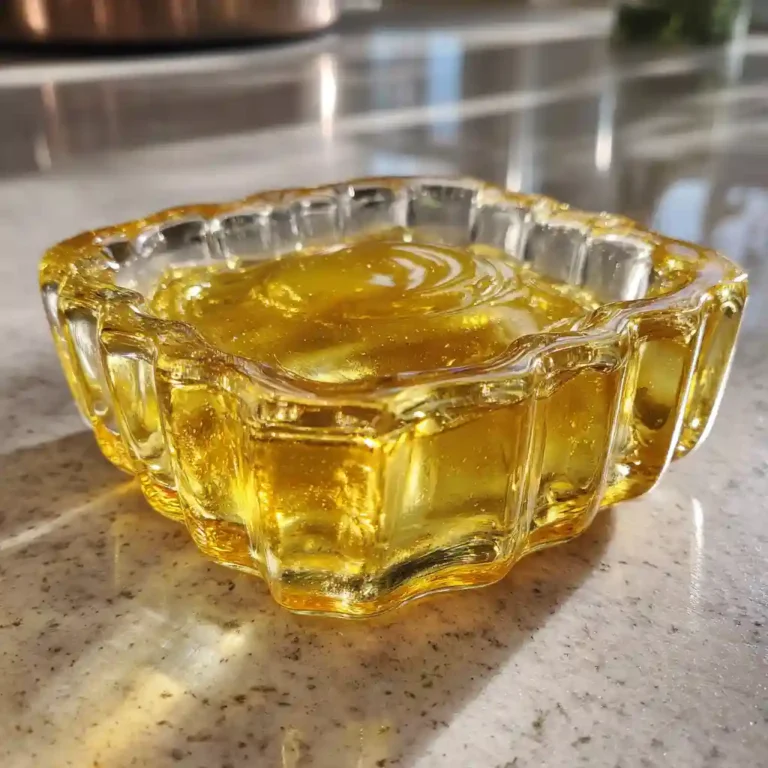
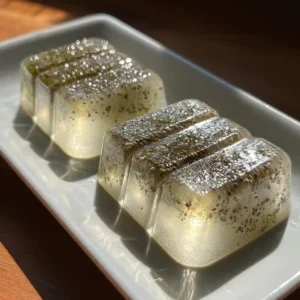
Bariatric Jello Recipe
A smooth, protein-rich, and sugar-free jello that’s perfect for post-bariatric surgery recovery—cool, comforting, and incredibly easy to prepare.
- Total Time: 10 minutes + 2–4 hours chill time
- Yield: 4 servings 1x
Ingredients
- 2 cups water or herbal tea (peppermint, chamomile, or ginger)
- 1 packet sugar-free gelatin
- 1 scoop unflavored protein powder (optional)
- Optional add-ins: citrus zest, fruit essence, or unflavored collagen powder
 Get Recipe Ingredients
Instructions
- Bring 2 cups of water or herbal tea to a light boil.
- Whisk in 1 scoop of unflavored protein powder if using, until fully dissolved.
- Add the sugar-free gelatin packet to the hot liquid and stir thoroughly until dissolved.
- Mix in optional flavor enhancers like citrus zest or collagen powder.
- Pour the mixture into small molds, snack containers, or a shallow dish.
- Refrigerate for 2–4 hours or until firm.
- Store in the fridge for up to 5 days.
Notes
Portion into 1/4 to 1/2 cup servings for best results. For variety, try different herbal tea bases or layer with flavored protein shakes for a visual and nutritional boost.
- Prep Time: 5 minutes
- Cook Time: 5 minutes
- Category: Bariatric Snack
- Method: No Cook
- Cuisine: Post-Op Friendly
Nutrition
- Serving Size: 1/2 cup
- Calories: 15
- Sugar: 0g
- Sodium: 55mg
- Fat: 0g
- Saturated Fat: 0g
- Unsaturated Fat: 0g
- Trans Fat: 0g
- Carbohydrates: 1g
- Fiber: 0g
- Protein: 10g
- Cholesterol: 0mg
What Makes Bariatric Jello Recipes Different?
What Is a Bariatric Jello Recipe?
A bariatric jello recipe isn’t your average wobbly dessert from the grocery store. It’s specifically designed for individuals who’ve undergone weight loss surgery like gastric bypass or sleeve gastrectomy. After bariatric surgery, your stomach becomes much smaller and more sensitive, especially in the early stages of recovery. That’s why every bite—and yes, every slurp of jello—needs to be intentional, easy to digest, and supportive of your health goals.
What makes a bariatric jello recipe stand out is its focus on ingredients. You’ll usually find sugar-free gelatin, low-calorie liquid bases, and sometimes even added protein or collagen. These recipes aim to help you meet your hydration and protein needs while offering a comforting, familiar texture during the liquid or soft food phases.
Why Texture and Nutrients Matter After Surgery
In the first few weeks after surgery, your body can’t handle solid food well. That’s where the texture of jello comes in. It’s gentle, soothing, and doesn’t require chewing—making it an ideal snack or dessert when your stomach is still healing. A bariatric jello recipe provides a soft, jelly-like consistency that glides down easily and doesn’t cause irritation.
The nutrients in your jello also matter. Many patients struggle to get enough protein early on. That’s why it’s becoming more common to fortify a bariatric jello recipe with protein powder, especially unflavored types that dissolve well in warm liquids.
Pro Tip: Try brewing herbal tea as the liquid base for your jello—peppermint, ginger, or chamomile can calm your digestive system while giving your jello a unique twist.
Sugar-Free and High-Protein Options
The standard jello cup is full of sugar and artificial colors—not exactly what your bariatric plan recommends. A proper bariatric jello recipe avoids all that. Instead, it focuses on sugar-free gelatin mixes (like those sweetened with stevia or erythritol) and uses protein-enhanced ingredients to turn a simple treat into a functional snack.
The beauty of this approach is that it still feels indulgent, even though it’s totally aligned with your recovery. Whether you’re on day two post-op or transitioning to soft foods, a bariatric jello recipe helps you stick to your diet without feeling deprived.
Don’t miss this helpful post on nutrient timing in the Bariatric Pumpkin Seed Recipe.
The Benefits of Bariatric-Friendly Gelatin
How Gelatin May Support Recovery Post-Surgery
After bariatric surgery, your digestive system needs all the gentle support it can get. That’s one of the reasons a bariatric jello recipe becomes such a go-to option. Gelatin, the base ingredient in jello, is naturally rich in amino acids like glycine and proline, which are often linked with tissue repair and gut comfort. While it’s not a medical treatment, many post-op patients find gelatin soothing during recovery.
From my experience, incorporating a bariatric jello recipe helped ease me into eating again when every bite felt like a risk. Its simplicity—just liquid, gelatin, and maybe some added protein—made it feel safe, and that gave me confidence to move forward with other soft foods.
Pro Tip: Prepare your jello in small silicone molds or snack-size containers. This helps with portion control and makes it easier to spread protein intake throughout the day.
Low-Calorie, High-Satiety Options for Weight Loss
When you’re working with a tiny stomach and big goals, every calorie counts. The good news is that a bariatric jello recipe can offer just 10 to 20 calories per serving when made with sugar-free gelatin—and even then, you can level it up by adding a few grams of protein per cup. This means you get a satisfying treat that keeps you full longer and may help prevent mindless snacking.
Many people also find the texture of jello oddly satisfying—it gives you something to “chew” on without requiring much digestion. This sensation can help reduce cravings, especially in the first few weeks post-op when your body and brain are adjusting to a new way of eating.
Check out our tips for texture and absorption in the Bariatric Seed Texture Secret.
Gut-Friendly Benefits of Collagen-Rich Jello
Gut health is a major focus after surgery. That’s where collagen, often found in gelatin, may support digestive function. A thoughtful bariatric jello recipe made with grass-fed gelatin or fortified with hydrolyzed collagen can offer more than just comfort—it might play a role in rebuilding your gut lining and easing inflammation.
Of course, this isn’t a miracle food. But paired with a balanced recovery plan, adding gelatin-based snacks can feel like a small act of self-care that adds up over time. For me, it became a daily ritual—something to look forward to that didn’t interfere with my macros.
How to Make Bariatric Jello at Home
Simple Ingredients to Stock in Your Pantry
Crafting your own bariatric jello recipe at home is surprisingly easy and budget-friendly. You don’t need any fancy tools or exotic ingredients. A basic setup includes unflavored gelatin or sugar-free flavored gelatin packets, water (or herbal tea), and optional add-ins like unflavored protein powder or collagen peptides. These pantry staples are perfect for prepping a few servings at a time, so you’re never caught without a post-op snack that supports your plan.

Some of my go-to ingredients include stevia-sweetened gelatin, bone broth powder (for savory jello, yes—it’s a thing!), and unsweetened fruit essence to naturally boost flavor without adding sugar. With a little creativity, your bariatric jello recipe can taste just as exciting as any dessert while still checking all your nutrition boxes.
Pro Tip: Use a whisk to mix warm water and protein powder thoroughly before adding gelatin. This keeps the texture smooth and lump-free.
Step-by-Step Preparation Method
Making a bariatric jello recipe is as simple as mix, chill, and enjoy. First, bring water or herbal tea to a light boil. If you’re adding protein powder, whisk it into the hot liquid first to dissolve it fully. Then stir in your gelatin until completely dissolved. Pour the mixture into molds or a shallow dish, refrigerate for at least 2–4 hours, and you’re done!
Here’s a quick preparation formula:
| Ingredient | Amount |
|---|---|
| Water or Herbal Tea | 2 cups |
| Gelatin (sugar-free) | 1 packet |
| Unflavored Protein | 1 scoop (optional) |
| Natural Flavoring | Optional (citrus zest, fruit essence) |
This easy prep makes the bariatric jello recipe a great make-ahead option, especially if you’re prepping meals in bulk during your recovery week.
Tips for Portion Control and Storage
Portion control is essential during the post-op phase, and this applies even to jello. Using small cups or molds (think baby food containers or silicone ice trays) helps keep servings in check and prevents overeating. A single serving of your bariatric jello recipe can range from 1/4 to 1/2 cup, depending on your tolerance and where you are in recovery.
Keep refrigerated jello for up to five days. Avoid freezing unless you’re intentionally making popsicles or slushies—freezing can affect texture. Label each portion with the date you made it, so you stay organized and on track.
Bariatric Jello Hacks from TikTok & Reddit
Trending Bariatric Jello Hacks on Social Media
If you’ve spent any time scrolling through TikTok or Reddit’s bariatric surgery threads, you’ve probably seen the rise of the bariatric jello recipe trend. It’s not just about making jello—it’s about customizing it for flavor, protein content, and fun textures. These platforms have become goldmines for creative hacks shared by real patients who’ve been through the journey and found clever ways to make recovery a little tastier.
One viral hack involves layering your jello with flavored protein shakes to create a two-tone dessert that’s not only visually appealing but also packs a protein punch. Others mix in powdered probiotics or electrolyte packets for extra health benefits. These tweaks have made the humble bariatric jello recipe a flexible tool in any post-op kitchen.
The “Jello Hack” for Weight Loss Explained
The now-famous “jello hack” involves combining sugar-free gelatin with a scoop of unflavored protein or collagen, then chilling it into snack-size portions. It’s become especially popular among those in the early weeks after surgery when cravings hit hard and solid food isn’t an option. This modified bariatric jello recipe keeps you satisfied longer and helps you meet your daily protein target without adding unnecessary calories or sugar.
This hack is also backed by the community because it allows variety—different teas, fruity water, or even coffee can be used as the base. The result? A jello snack that supports your weight loss goals while keeping things exciting.
Pro Tip: Use decaf cold brew coffee as the liquid base with unflavored gelatin and vanilla protein—like a bariatric-friendly jello latte!
Best Add-ins: Protein Powders, Fruit Purees, More
What you add to your bariatric jello recipe makes a big difference in flavor and nutrition. Unsweetened fruit purees (like mashed berries or pumpkin) can give your gelatin dessert a bit more body and fiber. Just a tablespoon or two goes a long way. You can also stir in finely grated citrus zest, flavored collagen packets, or even a splash of vanilla extract.
Be mindful of texture—fruit chunks or pulp may be hard to tolerate early on, so stick to smooth additions unless you’re farther along in recovery. Some patients even freeze blended jello mixtures in popsicle molds for a bariatric-safe summer treat.
Check out our guide to gelatin and weight loss with Gelatin Trick to Lose Weight.
Best Times to Eat Jello During Recovery Stages
Stage 1: Clear Liquids and Jello
In the first week or two after surgery, your stomach is incredibly sensitive. You’ll likely be on a clear liquid diet, and this is where a bariatric jello recipe becomes a true staple. It’s one of the very few “foods” allowed because it provides hydration, flavor, and satisfaction—all without stress on your healing digestive system. Sugar-free jello slips down easily and gives you a small sense of normalcy during a restrictive phase.
Many patients, myself included, found that having a portion of jello in between protein drinks helped reset the palate and reduce that constant sweet shake fatigue. The cool, smooth texture can also soothe irritation after sipping warm broth or tea.
Stage 2–4: Full Liquids to Soft Foods
As you graduate to full liquids and eventually soft foods, the bariatric jello recipe still holds its place. This is the perfect time to start experimenting with protein-enhanced versions, since your body now needs more nutrients but still can’t handle large volumes of food. Add-ins like collagen peptides or a dash of fruit puree help boost flavor and satiety without overwhelming your new pouch.
A small serving after a protein shake or blended soup can offer variety and keep cravings at bay. It’s also a handy option if you’re dining with family—while others eat dessert, you can enjoy your portion-controlled, surgery-safe jello guilt-free.
Pro Tip: Pair your jello snack with a few sips of bone broth for a comforting protein duo that’s easy to digest and feels like a mini-meal.
How to Reintroduce Jello with Balanced Meals
By the time you reach the soft or maintenance food stages, you might think your days of jello are over—but that’s not true. A thoughtfully prepared bariatric jello recipe can remain part of your long-term meal plan, especially as a low-calorie treat or midday refresher. Use it between meals to curb hunger, or even pair it with a protein-rich food like Greek yogurt.
Just remember to avoid turning it into a crutch. Like any food, jello should be enjoyed mindfully and in proper portions. And if you’re someone who still struggles with water intake, flavored gelatin made from herbal tea is a great hydration strategy.
Is Jello Actually Good for Weight Loss?
Jello vs. Other Post-Surgery Snacks
When comparing snacks suitable for the post-bariatric journey, the bariatric jello recipe often stands out. Unlike protein bars or even blended soups, jello offers a low-calorie, low-carb option that satisfies a sweet tooth without making your stomach feel heavy. It doesn’t sit like a rock, and it rarely causes dumping syndrome when made with sugar-free ingredients.
Because of its high water content and customizable nutrition, jello easily beats other processed snacks in terms of lightness and simplicity. It’s an ideal option between meals or after dinner when you’re craving “just a little something.”
Pro Tip: Craving chocolate? Mix cocoa powder and chocolate-flavored protein into your jello base for a pudding-like bariatric-friendly dessert.
Nutritional Breakdown of Sugar-Free Jello
Let’s look at the basics: a typical bariatric jello recipe made with sugar-free gelatin contains about 10–20 calories per serving, zero fat, and often under 2 grams of carbs. When you add a scoop of unflavored protein, you’re boosting it by 10–15 grams of protein per serving—without blowing your calorie budget.
Here’s a snapshot comparison:
| Snack | Calories | Protein | Sugar |
|---|---|---|---|
| Sugar-Free Bariatric Jello | 15 | 0 g | 0 g |
| Protein-Enhanced Jello | 70 | 12 g | 1 g |
| Greek Yogurt (Plain) | 90 | 10 g | 4 g |
This makes the bariatric jello recipe a strategic, low-effort choice—especially when you’re aiming to hit your protein target and stay within a tight calorie range.
Can You Eat Jello Every Day?
Many patients wonder if eating a bariatric jello recipe daily is too much. The answer depends on your overall dietary balance. If your jello is sugar-free and fortified with protein, enjoying it once a day is typically fine for most post-op plans. But moderation still matters.
Over-relying on any one food, even a low-calorie option, can cause nutritional gaps or boredom. That’s why rotating between different jello flavors, bases, and ingredients can keep things exciting without tipping your macros out of balance.
Store-Bought vs. Homemade Bariatric Jello
The Healthiest Brands of Ready-Made Jello
If you’re not ready to make your own bariatric jello recipe from scratch, don’t worry—there are a few store-bought options that fit the bill. Brands like Simply Delish, Snack Pack Sugar-Free, and Jell-O’s sugar-free line are common go-tos for bariatric patients. The key is checking the label for hidden sugars, artificial dyes, and ingredients that might irritate your healing stomach.
When I first started out, I kept a couple of pre-made cups in the fridge for emergencies—those moments when I needed something quick, cool, and safe to eat. They helped me stay on track, especially during the liquid and soft food stages.

That said, store-bought options aren’t always ideal long term. Many contain artificial sweeteners like aspartame or sucralose, which can cause bloating or digestive discomfort in sensitive individuals. That’s where a homemade bariatric jello recipe really shines.
Pro Tip: If you’re relying on store-bought jello, try topping it with a tablespoon of plain Greek yogurt for an easy protein upgrade.
What Ingredients to Watch Out For
Even with sugar-free labeling, not all gelatin desserts are created equal. A proper bariatric jello recipe should avoid ingredients like high fructose corn syrup, Red 40, and artificial flavors. These additives might not only slow healing but can also trigger unwanted symptoms like nausea, bloating, or headaches.
When reading labels, opt for versions that use natural sweeteners like stevia or monk fruit and real fruit extracts for flavoring. Clean ingredients support smoother digestion and a more comfortable recovery—something every post-op patient deserves.
Pros and Cons of Homemade vs. Store-Bought
There’s a reason so many people switch to making their own bariatric jello recipe after surgery. Homemade jello lets you control everything: sweetness, protein content, flavor, and portion size. It’s also more cost-effective in the long run. Plus, it gives you the flexibility to adjust recipes based on how your body responds during recovery.

However, store-bought options win when it comes to convenience. They’re portable, shelf-stable, and ready to go when hunger strikes. For many, a combination of both works best—store-bought for quick fixes, and homemade for everyday eating.
Creative Variations of Bariatric Jello
Protein Jello Cups
When you’re trying to meet protein goals after surgery, every bite counts. One of my favorite twists on the classic bariatric jello recipe is the protein jello cup. You simply mix unflavored or vanilla protein powder directly into your gelatin base before chilling. The result is a light, fluffy snack that feels more like a mousse than a standard jello—perfect for days when you want something a little more filling.
You can even layer it with low-fat Greek yogurt for a “jello parfait” that’s high in protein but gentle on the pouch. This combo works great for breakfast, dessert, or a quick post-walk snack.
Fruit-Infused or Herbal Tea Gelatin
Another popular take on the bariatric jello recipe involves infusing flavor naturally. Instead of using plain water, try brewing a strong herbal tea—peppermint, ginger, or lemon chamomile—and use that as your base liquid. These teas not only taste amazing but may also support digestion and reduce bloating, a common post-op concern.
You can also blend in a tablespoon of fruit puree, like unsweetened strawberry or mango, for a naturally sweet twist without added sugars. Just remember to strain any pulp for a smooth texture that’s easier to tolerate early on.
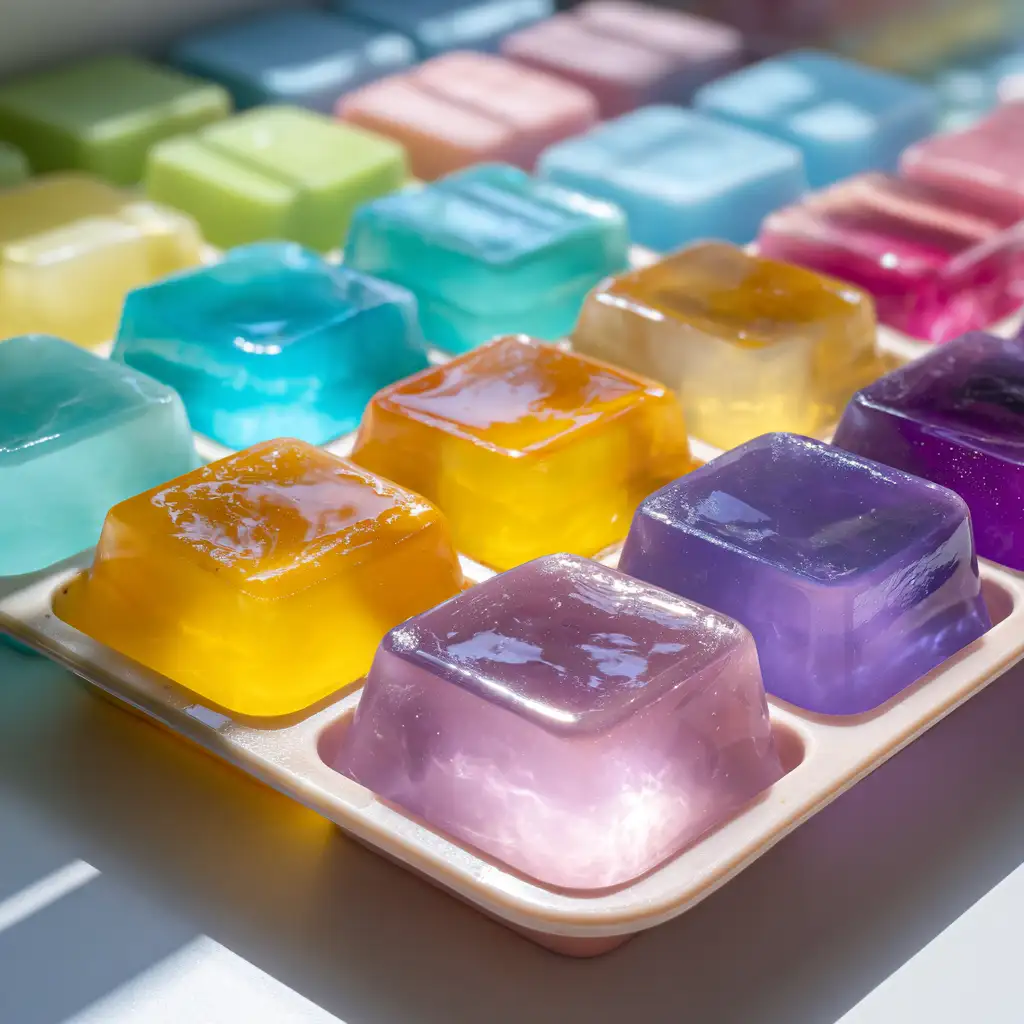
Pro Tip: Freeze your herbal tea jello into ice cube trays for quick, refreshing snacks that double as hydration boosters.
Jello Ice Cubes, Gummies & Popsicles
Jello doesn’t have to live in a bowl. A good bariatric jello recipe can also become a gummy treat, frozen popsicle, or even a fun topping for a protein shake. Pouring the liquid gelatin mixture into small silicone molds lets you create bite-sized snacks that feel more like candy, especially when you’re missing texture in your meals.
On hot days, I pour my jello into popsicle molds with a splash of electrolyte drink—it becomes a bariatric-friendly way to cool down and stay hydrated.
Caution, Cravings & Compliance
Portion Awareness and Mindful Snacking
Even though a bariatric jello recipe feels light and guilt-free, it’s still important to pay attention to portion sizes. After surgery, your stomach can only hold small amounts at a time, and it’s easy to overdo it if you’re snacking without intention. A standard serving of jello should be about 1/4 to 1/2 cup—enough to satisfy without stretching your pouch.
I’ve found that using small prep containers helps set visual boundaries. This way, jello doesn’t become a filler food that replaces more nutrient-dense meals. It’s not just about volume—it’s about balance and long-term success.
When to Avoid Jello During Recovery
While most patients tolerate a bariatric jello recipe very well, there are times when it’s best to skip it. If you’re experiencing nausea, indigestion, or unusual bloating, it might be better to stick to clear broth or hydrating drinks until symptoms ease. Also, if your jello contains sweeteners that irritate your gut—like sucralose or maltitol—it’s worth switching brands or trying a homemade version.
Listen to your body. Just because jello is soft and low-calorie doesn’t mean it’s right for every phase of recovery. Some surgeons even recommend limiting gelatin products if you’re not progressing well with protein or hydration.
Pro Tip: If your pouch feels sensitive, start with just one spoonful of a new jello blend before committing to a full serving.
Combining Jello with a Nutrient-Dense Diet
The ultimate goal is to use a bariatric jello recipe as part of a larger, well-rounded recovery strategy. While it offers hydration and sometimes protein, it shouldn’t replace real meals. Think of jello as a useful tool for curbing cravings, preventing dehydration, or enjoying dessert—but not a primary source of nutrition.
Try pairing it with a scoop of cottage cheese or a protein-rich drink for better nutrient coverage. And as you move into the maintenance phase, jello can still have a place at the table—especially if it helps you avoid sugary desserts or high-fat snacks.
Frequently Asked Questions About Bariatric Jello
What is the Jello hack for losing weight?
The “jello hack” making rounds on TikTok and bariatric forums is all about adding protein to your sugar-free gelatin to create a more satisfying, low-calorie treat. This popular bariatric jello recipe mixes unflavored protein powder or collagen with hot water and gelatin, creating a dessert that curbs cravings and helps you hit your protein goals at the same time. It’s an easy trick that turns a simple snack into something functional for weight loss.
Can you have Jello after bariatric surgery?
Absolutely—sugar-free jello is often one of the first “foods” allowed during the clear liquid phase after surgery. A soft, smooth bariatric jello recipe is gentle on the healing stomach and provides hydration without added sugar or fat. Just be sure to avoid brands with artificial dyes or sweeteners that upset your system.
Can I eat Jello for weight loss?
Yes, when made right. A bariatric jello recipe is naturally low in calories and carbs, making it a great option for managing cravings and avoiding high-sugar snacks. By using it between meals or as a sweet treat after dinner, many post-op patients find that jello helps them stay on track without feeling deprived. Just remember: it’s a tool, not a meal.
What is the healthiest Jello to eat?
The healthiest version is homemade. A good bariatric jello recipe uses sugar-free or stevia-sweetened gelatin, a nutrient-rich base like herbal tea, and may include added protein. Grass-fed gelatin or collagen makes it even better for recovery. Store-bought versions can work too, but always check for added sugars, dyes, and chemicals that your body might not love.
Pro Tip: Make a big batch of jello on Sunday and divide it into small, labeled containers for easy grab-and-go snacks all week.
Conclusion: Make Bariatric Jello Part of Your Recovery Toolkit
Choosing the right foods after surgery can be overwhelming, but a reliable bariatric jello recipe can make a world of difference. It offers comfort, hydration, and satisfaction without sabotaging your weight loss goals. Whether you’re in the early post-op phase or maintaining your long-term routine, jello can provide a safe and tasty option that fits your new lifestyle.
From protein-packed versions to fruit-infused twists, there’s no shortage of ways to enjoy this versatile snack. By prepping ahead and keeping portions in check, you’ll always have something easy and compliant on hand when hunger hits—or when that dessert craving won’t quit.
Keep experimenting with different bases, flavors, and formats until you find the combination that works best for your needs. Whether it’s classic strawberry gelatin or a creamy protein-rich coffee blend, each bariatric jello recipe can help support your recovery journey one spoonful at a time.
Check out our guide to gelatin and weight loss with Gelatin Trick to Lose Weight
Follow our bariatric recipe updates on Facebook: HeartlyRecipes Facebook Page
Pin your favorite jello flavors from: HeartlyRecipes Pinterest