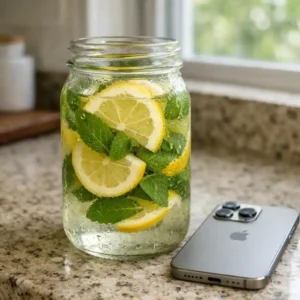
I kept noticing something interesting while scrolling through TikTok and reading threads on Reddit—more and more people were talking about slowing down their mornings, sipping warm drinks, and moving gently instead of rushing into the day. That curiosity led me to look deeper into what many call a becoming Chinese wellness routine. It’s not about strict rules or complicated systems. Instead, it’s a calm, steady way of living that focuses on balance, simple habits, and being more aware of how daily choices shape how we feel.
In this article, we’ll walk through the core ideas behind a becoming Chinese wellness routine, from morning rituals and mindful eating to gentle movement and evening habits. You’ll also discover how these traditional practices are being adapted into modern lifestyles in the USA, along with practical tips to help you build your own routine step by step.
If you’re looking for inspiration to slow down, feel more balanced, and bring simple wellness habits into your day, you’re in the right place. And if you enjoy mindful recipes that fit into this lifestyle, don’t miss our ideas on heartlyrecipes.com—they pair perfectly with these daily habits.
This guide is shared for informational and lifestyle purposes only and is not a substitute for medical advice. Always consult a qualified professional for personal health concerns.
Let’s begin with the basics of what a becoming Chinese wellness routine really means and why it continues to resonate with so many people today.
I started noticing a quiet shift online—people talking about slower mornings, warm drinks instead of iced ones, and gentle movement instead of intense workouts. That curiosity led me to learn more about the becoming Chinese wellness routine, a lifestyle rooted in balance, simplicity, and daily mindful habits rather than quick fixes or extremes.
A becoming Chinese wellness routine is not a strict plan or a one-size-fits-all system. Instead, it’s a way of structuring your day around natural rhythms—how you wake up, eat, move, and rest. It draws inspiration from traditional Chinese lifestyle principles like balance (yin and yang), energy flow (qi), and seasonal living. Today, many people in the USA are adapting these ideas into modern routines that feel calm, practical, and sustainable.
This article is for anyone who feels overwhelmed by fast-paced routines or complicated wellness trends. Whether you’re just starting your wellness journey or looking to simplify your habits, you’ll learn how to build a becoming Chinese wellness routine step by step. We’ll cover morning rituals, eating habits, movement practices, and evening routines—all explained in simple, everyday language.
You’ll also discover how these habits connect with modern trends. For example, many people are combining slow living with structured routines, similar to what’s shared in wellness stacking daily habits guide, where small actions build into a balanced lifestyle.
Throughout this guide, we’ll keep things realistic and approachable. No extreme rules, no pressure—just simple ideas you can try and adjust to your own life.
This content is shared for informational and lifestyle purposes only and is not a substitute for medical advice. Always consult a qualified professional if you have specific health concerns.
Let’s begin by understanding what a becoming Chinese wellness routine really means and why it continues to resonate with so many people today.
Understanding the Chinese Wellness Routine
A becoming Chinese wellness routine centers on balance, consistency, and listening to your body rather than pushing it to extremes. Instead of chasing fast results, this approach focuses on small daily habits that support long-term well-being. You’ll often see this reflected in simple actions—starting the day slowly, eating warm and nourishing foods, and creating calm moments throughout the day.
What Is a Chinese Wellness Routine and Why It Matters
At its core, this routine is about aligning your lifestyle with natural rhythms. Many people today are drawn to it because it feels more sustainable compared to high-pressure wellness trends. On platforms like TikTok and Quora, users often share how slowing down their mornings or switching to warm drinks has helped them feel more grounded and less rushed.
If you’ve ever felt overwhelmed by complicated routines, this method offers a refreshing alternative. It’s similar to the ideas shared in low stimulation wellness simple calm habits, where reducing noise and stress becomes a priority.
Key Principles of Traditional Chinese Lifestyle Balance
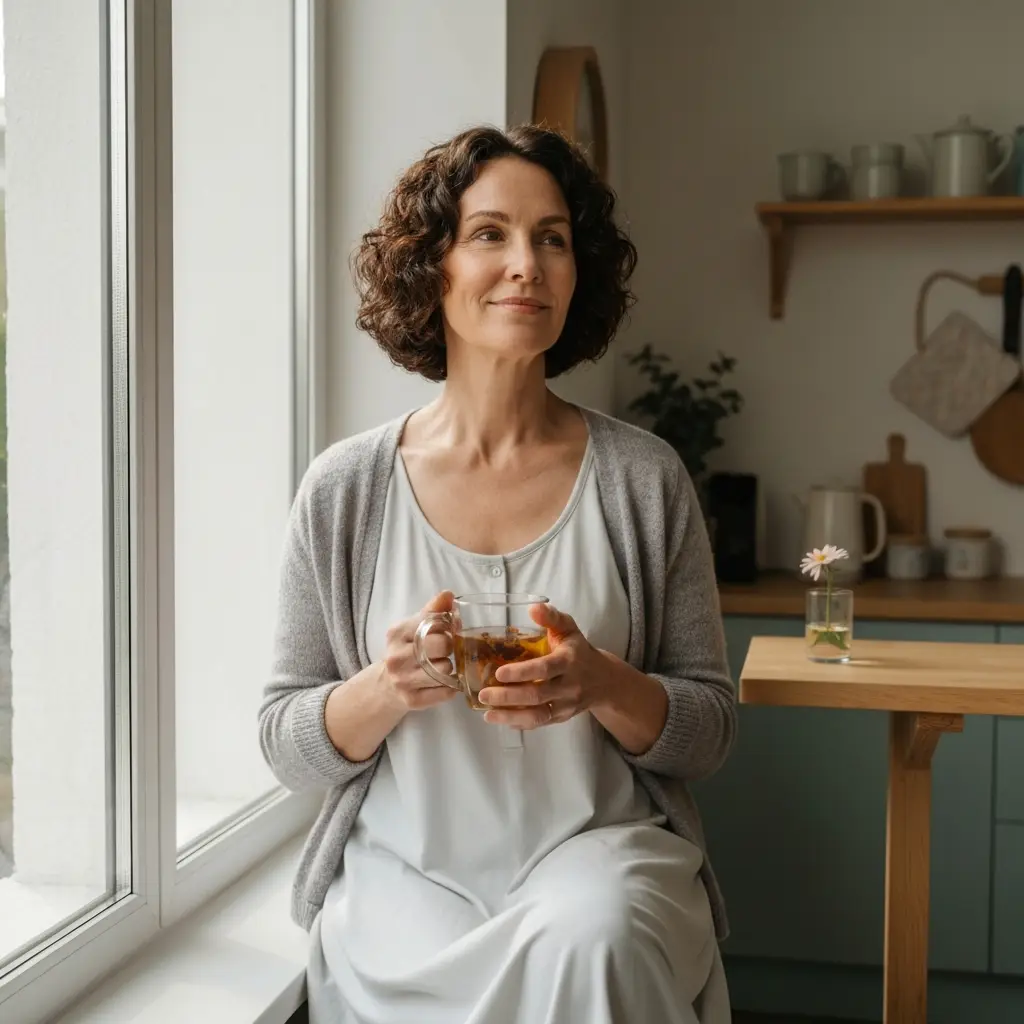
A becoming Chinese wellness routine is guided by a few simple but powerful ideas. First, balance—often described as yin and yang—means avoiding extremes in food, activity, and rest. Second, energy flow (qi) encourages gentle movement and mindful breathing to support how your body feels throughout the day. Third, consistency matters more than intensity; small habits repeated daily can have a lasting impact.
Many beginners find it helpful to pair these principles with calming morning practices like those in slow morning wellness ritual guide, where the focus is on easing into the day instead of rushing.
Pro Tip: Start small by adjusting just one habit—like drinking a warm beverage in the morning instead of a cold one. Simple changes are easier to maintain and help you build a becoming Chinese wellness routine naturally over time.
The Foundations of Chinese Daily Wellness Habits
A becoming Chinese wellness routine is built on simple, repeatable habits that support balance throughout the day. Instead of relying on intense routines or strict schedules, this approach focuses on staying in tune with your body’s natural signals—when you feel energized, when you need rest, and how your daily choices affect your overall well-being.
Yin and Yang Balance in Everyday Life
One of the core ideas behind a becoming Chinese wellness routine is yin and yang, which represents balance between opposites. In daily life, this could mean balancing activity with rest, or choosing foods that complement each other—like pairing warming meals with cooling ingredients depending on the season.
For example, many people today are shifting toward gentler routines that avoid overstimulation. This aligns closely with practices shared in low stimulation wellness simple calm habits, where the goal is to create a calmer, more balanced lifestyle.
The Role of Qi (Energy Flow) in Wellness
Qi, often described as the body’s natural energy flow, plays a key role in how a becoming Chinese wellness routine works. When your daily habits support smooth energy flow—through movement, breathing, and mindful eating—you may feel more steady and less drained throughout the day.
Simple actions like stretching in the morning, taking short walks, or sipping warm herbal drinks can support this flow. Many traditional drinks, like those discussed in herbal tea benefits, are often used as part of these calming routines.
Pro Tip: Pay attention to how your body reacts to small changes—like switching to warm meals or adding short movement breaks. These subtle adjustments can help you build a becoming Chinese wellness routine that feels natural and sustainable.
Morning Rituals in a Chinese Wellness Routine
A becoming Chinese wellness routine often begins with a calm and intentional morning, where the goal is not to rush but to gently wake the body and mind. Instead of jumping straight into tasks, this approach encourages slow transitions that help you feel grounded and steady as your day begins.
Gentle Wake-Up Practices for Natural Energy
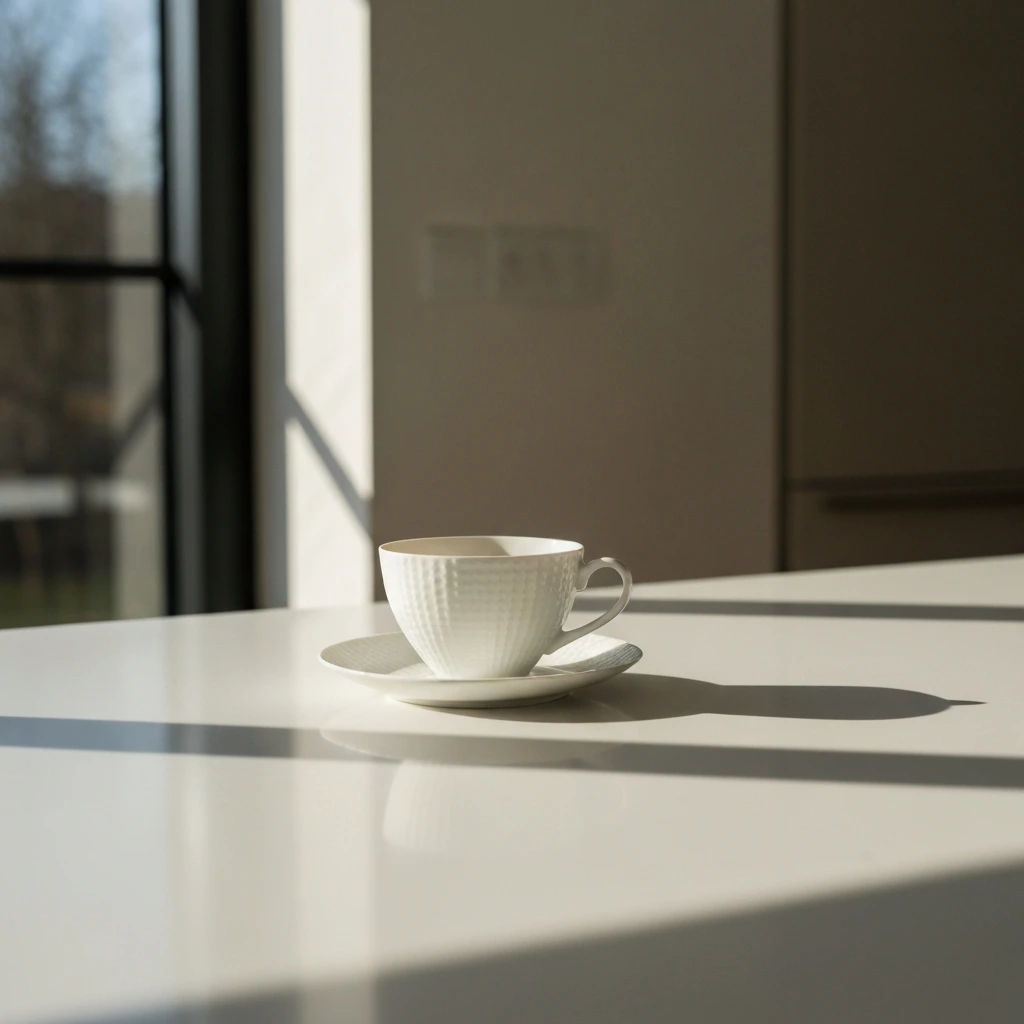
In a becoming Chinese wellness routine, mornings usually start with quiet, low-effort activities. This might include stretching, opening a window for fresh air, or simply sitting in silence for a few minutes. Many people online mention that switching to slower mornings has helped them feel less stressed and more focused throughout the day.
This idea connects well with modern habits like those shared in slow morning wellness ritual guide, where easing into the day replaces the usual rush. A becoming Chinese wellness routine supports this by encouraging you to listen to your body instead of forcing immediate productivity.
Warm Water and Herbal Drinks to Start the Day
Another key habit in a becoming Chinese wellness routine is starting the day with warm water or a gentle herbal drink. Warm liquids are traditionally preferred because they are easier on the body, especially first thing in the morning. Many people now swap iced drinks for warm options as part of this shift.
Simple recipes like goji berry red date tea recipe or even light breakfast options like easy congee breakfast recipe fit naturally into a becoming Chinese wellness routine. These choices reflect a focus on warmth, simplicity, and nourishment rather than convenience alone.
Pro Tip: Try placing your phone away from your bed and begin your day with a warm drink instead of scrolling. This small habit can make your becoming Chinese wellness routine feel more intentional and less reactive.
By building a calm and steady start, a becoming Chinese wellness routine sets the tone for the rest of the day, helping you stay balanced, focused, and more in tune with your daily rhythm.
Chinese Nutrition and Eating Habits
Food plays a central role in a becoming Chinese wellness routine, where meals are not just about calories but about balance, warmth, and timing. Instead of restrictive diets, this approach focuses on choosing foods that feel right for your body and the current season, helping you stay steady and energized throughout the day.
Seasonal Eating and Food Therapy Basics
In a becoming Chinese wellness routine, eating with the seasons is a key idea. Warmer, cooked meals are often preferred in colder months, while lighter and hydrating foods are more common during warmer seasons. This helps the body stay in harmony with environmental changes rather than working against them.
Simple, nourishing dishes like easy congee breakfast recipe are often included because they are gentle and easy to digest. Many people today are rediscovering these traditional habits as a way to simplify their meals and avoid overly processed foods.
Balanced Meals with Warming and Cooling Foods
Another important part of a becoming Chinese wellness routine is balancing warming and cooling foods. For example, ingredients like ginger are often considered warming, while fruits or certain vegetables may be more cooling. The goal is not to avoid any food group but to create balance within each meal.
Warm drinks also play a role here. Options highlighted in herbal tea benefits can be included throughout the day to support hydration in a gentle and calming way. A becoming Chinese wellness routine often replaces cold beverages with these warm alternatives to maintain internal balance.
Pro Tip: Try building your meals around warm, cooked foods at least once a day. Even a simple bowl or soup can help your becoming Chinese wellness routine feel more grounded and consistent.
By focusing on simple, balanced meals, a becoming Chinese wellness routine turns everyday eating into a supportive and mindful habit rather than a stressful decision.
Movement Practices for Daily Vitality
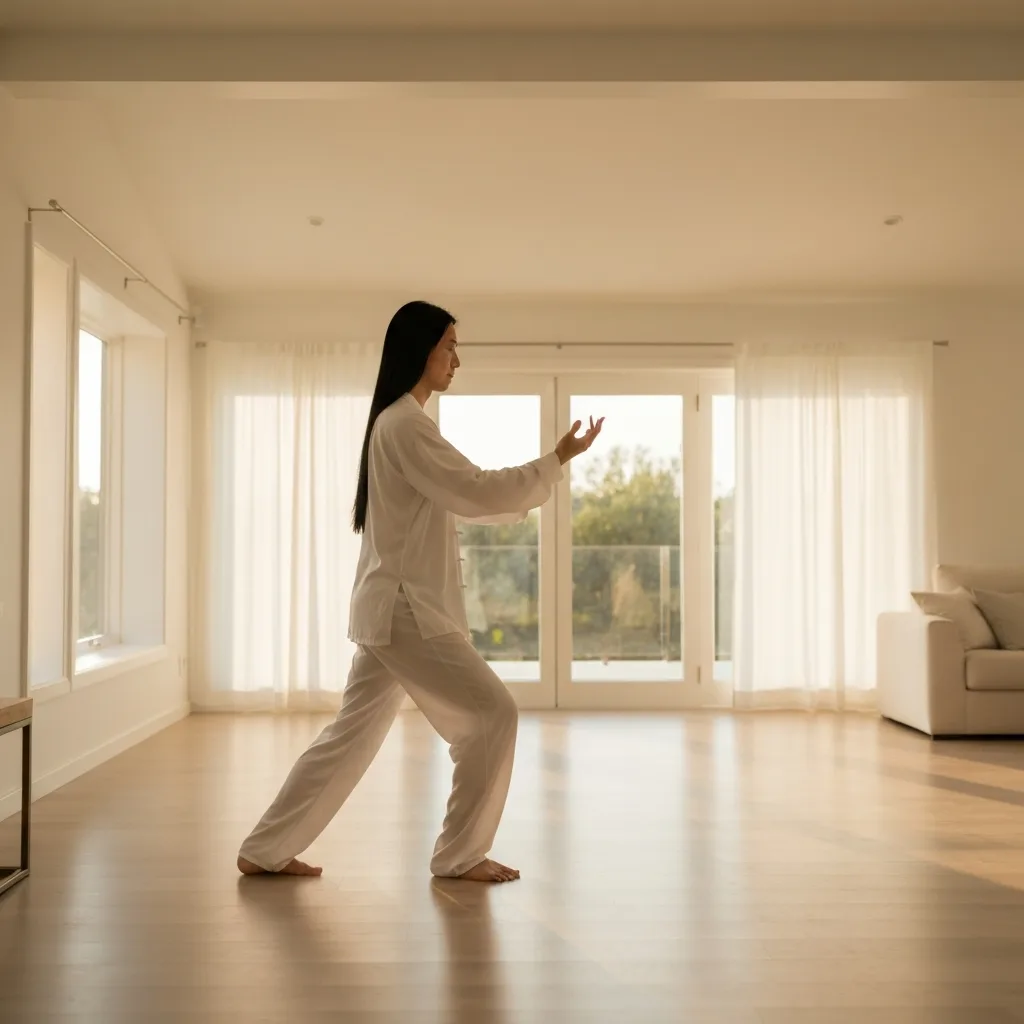
Movement in a becoming Chinese wellness routine is gentle, intentional, and deeply connected to how your body feels rather than how many calories you burn. Instead of intense workouts, this approach focuses on slow, flowing exercises that support balance, flexibility, and steady energy throughout the day.
Tai Chi and Qigong for Beginners
A becoming Chinese wellness routine often includes practices like Tai Chi and Qigong, which are known for their slow, controlled movements and breathing patterns. These exercises are designed to support energy flow while keeping the body relaxed and stable.
Many people in the USA are now turning to these practices as a calmer alternative to high-impact routines. Even simple walking styles, like those discussed in tai chi walking for weight loss, reflect the same idea—move with awareness, not pressure. A becoming Chinese wellness routine encourages consistency over intensity, making it easier to stick with over time.
Stretching and Breathing Techniques for Energy Flow
Another important part of a becoming Chinese wellness routine is combining light stretching with deep breathing. These small practices can be done at home, in the morning, or even during short breaks in your day. The goal is to keep your body from feeling stiff or tense while supporting a smooth energy flow.
Some people pair these movements with calming drinks like honey lemon ginger tea recipe, creating a simple ritual that supports both relaxation and daily rhythm. A becoming Chinese wellness routine thrives on these small, repeatable habits that fit naturally into everyday life.
Pro Tip: Set a reminder to move for just 5–10 minutes during your day. Short, gentle sessions are often more effective than long, exhausting workouts when building a becoming Chinese wellness routine.
By focusing on mindful movement, a becoming Chinese wellness routine helps you stay active without feeling overwhelmed, making wellness feel more approachable and sustainable.
Mindfulness and Emotional Balance
A becoming Chinese wellness routine places strong emphasis on calming the mind and maintaining emotional balance throughout the day. Rather than ignoring stress or pushing through it, this approach encourages small, mindful pauses that help you stay centered and aware of how you feel.
Meditation and Breathing Practices in Chinese Culture
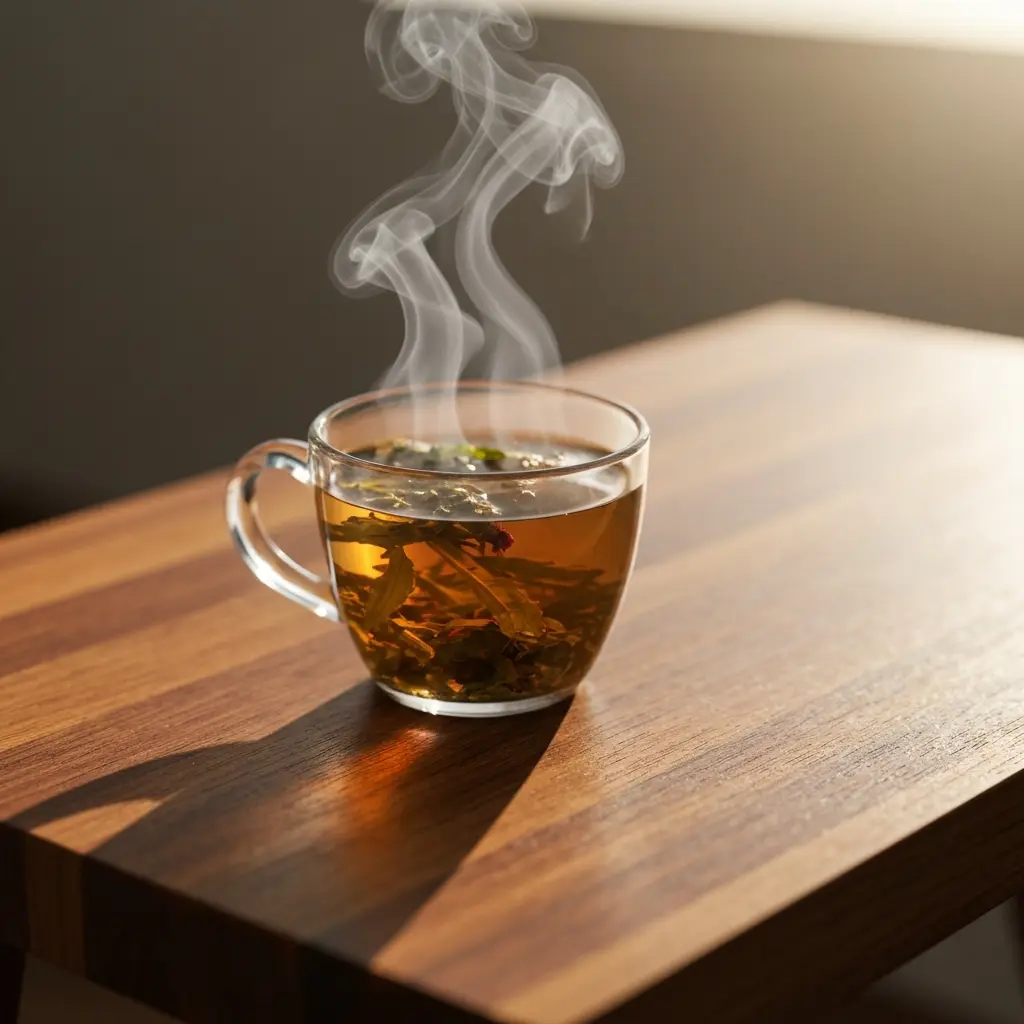
In a becoming Chinese wellness routine, meditation doesn’t have to be long or complicated. Even a few minutes of quiet breathing can make a difference in how you handle your day. The focus is on slowing down your thoughts, relaxing your body, and creating space between moments of stress.
Many people today are rediscovering these simple practices, especially as digital overload becomes more common. Pairing breathing exercises with calming drinks, like those mentioned in stress reliever drink, can help create a consistent and soothing ritual. A becoming Chinese wellness routine supports these gentle habits instead of relying on intense mental discipline.
Managing Stress Through Simple Daily Habits
Stress management in a becoming Chinese wellness routine is built into everyday actions rather than treated as a separate task. This could mean stepping away from screens, taking a short walk, or enjoying a quiet cup of tea without distractions.
Modern trends like “low stimulation routines” reflect this same idea, where reducing noise and busyness becomes a priority. Combining these habits with calming beverages such as golden milk recipe for sleep can help create a smoother transition from busy moments to restful ones. A becoming Chinese wellness routine encourages consistency in these small actions, making them part of your natural rhythm.
Pro Tip: Create a simple daily reset moment—like 5 minutes of deep breathing in the afternoon—to break up stress and bring your focus back. This small habit can strengthen your becoming Chinese wellness routine over time.
By focusing on mindfulness and emotional balance, a becoming Chinese wellness routine helps you feel more present, less reactive, and better equipped to handle everyday challenges.
Evening Routine for Rest and Recovery
As the day winds down, a becoming Chinese wellness routine shifts its focus toward rest, calm, and gentle recovery. Instead of staying stimulated late into the night, this approach encourages slowing your pace and preparing both body and mind for quality sleep. Many people today are realizing that how you end your day matters just as much as how you start it.
Relaxing Night Rituals for Better Sleep
In a becoming Chinese wellness routine, evenings are meant to feel quiet and steady. This might include dimming the lights, reducing screen time, or doing light stretching before bed. These small actions signal to your body that it’s time to rest, helping you transition more naturally into sleep.
People on platforms like Reddit often share how reducing nighttime stimulation has improved their overall routine. This aligns closely with practices found in low stimulation wellness simple calm habits, where creating a peaceful environment becomes part of your nightly rhythm. A becoming Chinese wellness routine builds on this idea by making relaxation a consistent habit, not an occasional effort.
Herbal Teas and Digital Detox Practices
Another common habit in a becoming Chinese wellness routine is enjoying a warm herbal drink in the evening. These drinks are often simple, comforting, and part of a calming ritual that helps you slow down. Sipping something warm without distractions can become a powerful signal for your body to unwind.
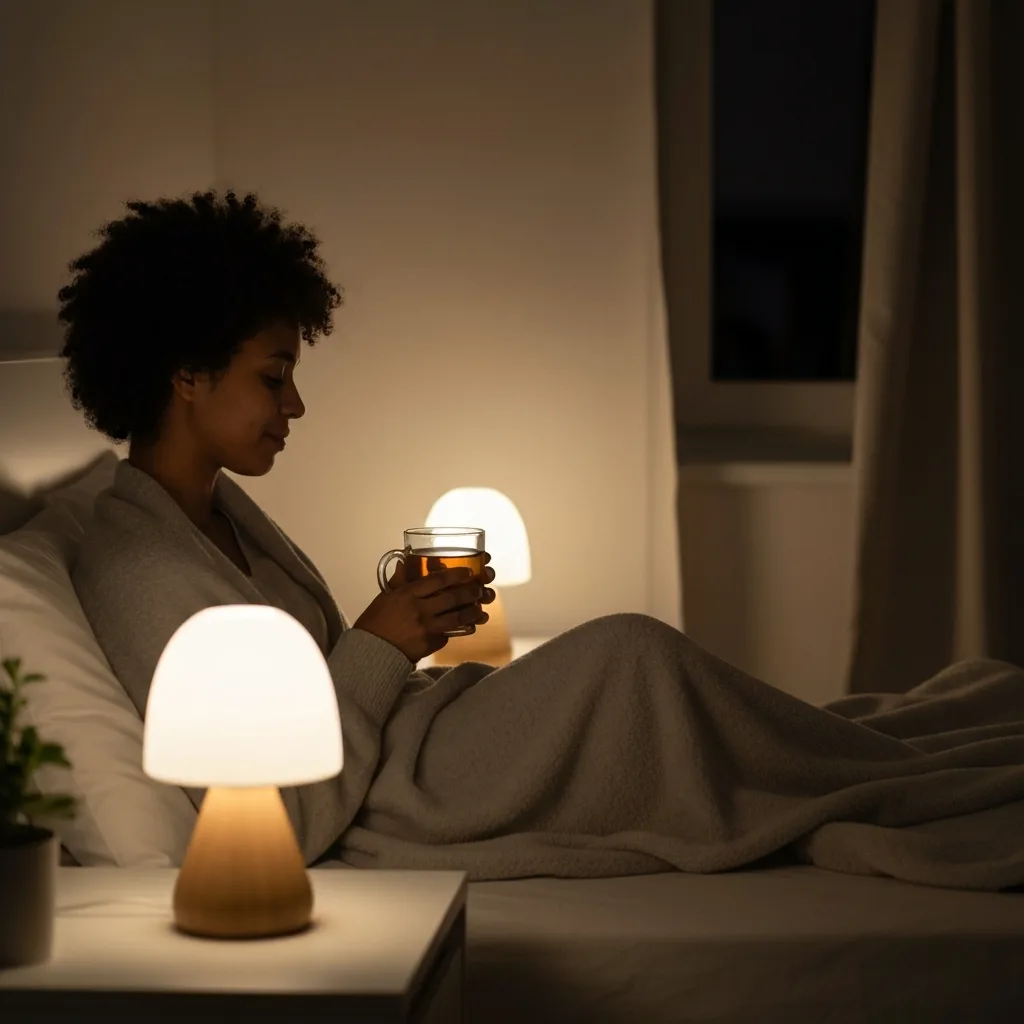
Options like boiled apple cinnamon ginger drink are often shared in wellness communities as part of nighttime routines. Combined with stepping away from screens, this creates a peaceful transition into rest. A becoming Chinese wellness routine encourages these small, intentional habits to support a smoother end to your day.
Pro Tip: Try setting a “digital sunset” time—turn off screens at least 30 minutes before bed and replace that time with a calming ritual like tea or light stretching.
By creating a gentle evening flow, a becoming Chinese wellness routine helps you recharge more effectively, making it easier to wake up feeling balanced and ready for the next day.
Modern Adaptations of Chinese Wellness Routine
Today, a becoming Chinese wellness routine is no longer limited to tradition—it’s being reshaped and shared across modern lifestyles, especially in the USA. From social media trends to everyday routines, people are finding simple ways to blend these timeless habits into busy schedules without feeling overwhelmed.
How TikTok and Social Media Are Sharing These Habits
A becoming Chinese wellness routine has gained attention on platforms like TikTok, where creators share slow mornings, warm drinks, and mindful habits. These short videos often highlight realistic routines—like starting the day with tea or taking quiet breaks—that feel achievable for beginners.
Many of these habits overlap with trends like hydration rituals and gentle mornings, similar to what’s discussed in water and morning drink wave. While social media can sometimes simplify these practices, a becoming Chinese wellness routine keeps the focus on consistency and balance rather than quick trends.
Simple Ways to Apply These Practices in a Busy USA Lifestyle
Adapting a becoming Chinese wellness routine doesn’t require a complete lifestyle change. Instead, it’s about making small adjustments that fit into your daily schedule. For example, choosing warm drinks over cold ones, taking short movement breaks, or simplifying meals can all be part of this approach.
Even modern hydration ideas like detox water for weight loss can be adapted by focusing on natural, simple ingredients and mindful consumption. A becoming Chinese wellness routine works best when it feels flexible and realistic, not restrictive.
Pro Tip: Pick one habit from social media that feels doable—like a slow morning or a warm drink—and stick with it for a week. Building a becoming Chinese wellness routine is about small, steady changes that fit your real life.
By blending traditional wisdom with modern habits, a becoming Chinese wellness routine becomes more accessible, helping you create a balanced lifestyle without overcomplicating your day.
Common Mistakes and Tips for Consistency
Starting a becoming Chinese wellness routine can feel simple at first, but many people struggle with consistency when they try to change too much too quickly. The key is to approach this lifestyle with patience, allowing habits to build gradually rather than forcing a complete reset overnight.
What to Avoid When Starting a Chinese Wellness Routine
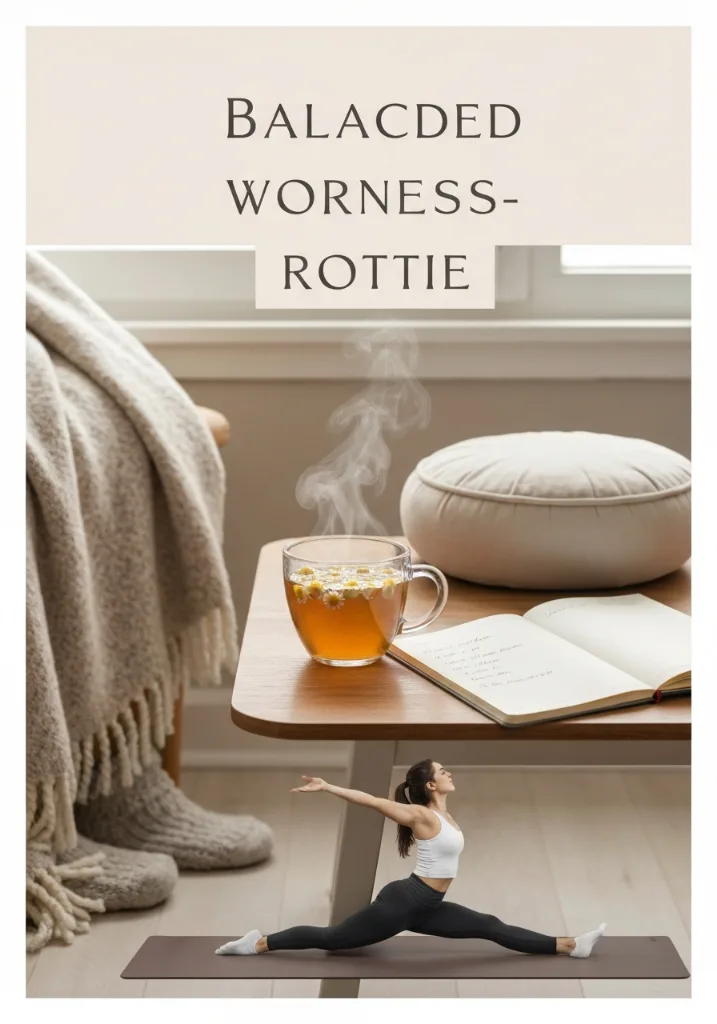
One common mistake in a becoming Chinese wellness routine is trying to follow every habit at once—changing your diet, sleep schedule, and movement all in a single day. This often leads to burnout and makes the routine feel overwhelming instead of calming.
Another mistake is relying too heavily on trends without understanding the basics. For example, some people jump into extreme routines or viral habits without building a foundation. Guides like wellness stacking daily habits guide show that layering small habits over time is more effective than doing everything at once. A becoming Chinese wellness routine works best when it grows naturally with your lifestyle.
Easy Tips to Stay Consistent and Motivated
Consistency is the heart of a becoming Chinese wellness routine. Simple actions—like drinking warm water daily, moving gently, or creating a calm evening ritual—can make a lasting difference when done regularly. You don’t need perfection; you just need repetition.
Many people also find it helpful to keep their routine flexible. Some days may be busy, and that’s okay. Even small efforts, like preparing a simple drink or meal, can keep you on track. For example, recipes like barley water recipe can be an easy addition to your daily habits without adding stress. A becoming Chinese wellness routine should feel supportive, not restrictive.
Pro Tip: Focus on “minimum habits”—the smallest version of your routine you can stick to daily. This makes your becoming Chinese wellness routine easier to maintain, even on busy days.
By avoiding common mistakes and focusing on consistency, a becoming Chinese wellness routine becomes a long-term lifestyle rather than a short-term experiment.
Frequently Asked Questions About Becoming Chinese Wellness Routine
What is a Chinese wellness routine?
A becoming Chinese wellness routine is a lifestyle approach focused on balance, gentle habits, and daily consistency. It includes practices like mindful eating, warm drinks, slow mornings, and light movement to support overall well-being without extreme changes.
How can beginners start a Chinese wellness routine?
Starting a becoming Chinese wellness routine is simple—begin with one or two habits, such as drinking warm water in the morning or creating a calm evening routine. Over time, you can add more habits gradually, similar to the step-by-step approach in wellness stacking daily habits guide.
What foods are part of a Chinese wellness lifestyle?
Foods in a becoming Chinese wellness routine are usually warm, simple, and balanced. Common options include soups, rice-based meals, and herbal drinks. Recipes like easy congee breakfast recipe are often included because they are gentle and easy to prepare.
Are Chinese wellness practices safe for everyone?
A becoming Chinese wellness routine is generally based on simple lifestyle habits, but everyone’s needs are different. It’s always best to adjust routines based on your personal situation and consult a professional if you have specific health concerns.
How long does it take to see results from a Chinese wellness routine?
A becoming Chinese wellness routine is not focused on quick results. Instead, it’s about building long-term habits. Some people notice changes in how they feel within a few weeks, while for others it may take longer depending on consistency.
Can I follow a Chinese wellness routine in a modern lifestyle?
Yes, a becoming Chinese wellness routine can easily fit into modern life. Many people adapt it by simplifying their mornings, choosing calming habits, and reducing overstimulation, similar to ideas shared in low stimulation wellness simple calm habits.Pro Tip: Don’t overcomplicate your routine. Focus on habits that feel natural and easy to repeat daily—this is the foundation of a sustainable becoming Chinese wellness routine.This content is for informational purposes only and is not a substitute for medical advice. Always consult a qualified professional for personalized guidance.
Conclusion: Bringing Balance Into Your Daily Life
A becoming Chinese wellness routine is not about perfection or strict rules—it’s about creating a lifestyle that feels calm, balanced, and sustainable over time. By focusing on small daily habits like mindful eating, gentle movement, and slow mornings, you can gradually build a routine that supports your overall well-being without feeling overwhelmed.
Many people find that combining these habits with simple, nourishing choices—like warm drinks or calming evening rituals—makes the routine easier to maintain. If you’re looking for more inspiration, you can also discover great ideas like herbal tea benefits to complement your daily flow.
What makes a becoming Chinese wellness routine truly powerful is its flexibility. You can adapt it to your own schedule, preferences, and lifestyle without pressure. Even small steps—done consistently—can help you feel more grounded and in control of your day.
For more ideas, you can also connect and explore updates on our Facebook page or browse visual inspiration on Pinterest.
Pro Tip: Focus on progress, not perfection. A simple, repeatable becoming Chinese wellness routine will always be more effective than a complicated plan you can’t maintain.
By keeping things simple and consistent, a becoming Chinese wellness routine becomes more than just a trend—it becomes a natural part of how you live each day.