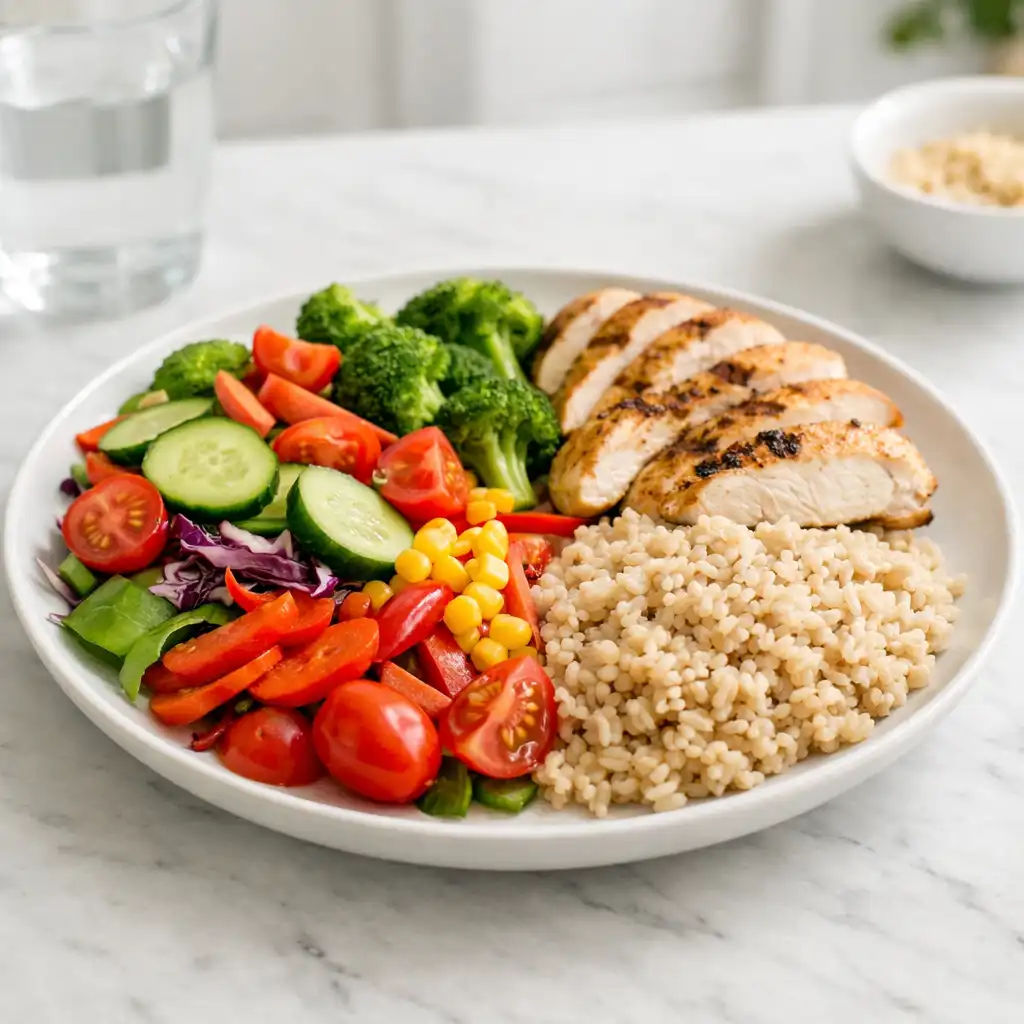
I’ve noticed something interesting lately. Everywhere I look—TikTok meal prep videos, Reddit fitness threads, even casual chats in the grocery aisle—people keep talking about calorie deficit meals. Not extreme diets. Not skipping meals. Just simple, balanced plates that make sense for real life. It made me realize how many of us want clarity, not confusion, when it comes to eating for steady fat loss.
Calorie deficit meals are simply meals designed to help you eat fewer calories than your body burns, while still getting the nutrients you need. They focus on lean proteins, fiber-rich vegetables, whole foods, and smart portions. Instead of cutting out entire food groups, the goal is balance, satisfaction, and sustainability.
This article is for beginners who feel overwhelmed, busy adults who want practical meal ideas, and anyone wondering how to structure low calorie meals without feeling hungry all day. You’ll learn what foods to eat when doing a calorie deficit, what good meals actually look like, whether eating 1500 calories a day can support losing 2 pounds a week, and how beginners can get started safely and realistically.
We’ll break down the fundamentals, share easy meal planning strategies, and walk through real-life examples of calorie deficit meals that are simple to prepare at home. You’ll also see common mistakes to avoid and how to stay consistent without becoming obsessed with numbers.
From my experience in the kitchen, the key isn’t perfection. It’s understanding how balanced diet choices, portion control, and nutrient-dense foods work together. When you grasp that, building weight loss meals becomes much less stressful—and much more doable.
Let’s start with the basics and build your foundation the right way.
If you’d like a full structured breakdown with a weekly approach, you can read it here:
calorie deficit meals
Understanding Calorie Deficit Meals and How They Work
Calorie deficit meals are built on one simple principle: your body must use more energy than it takes in. When that happens consistently, your body may begin to rely on stored energy over time. However, this approach is not about eating as little as possible. It’s about eating strategically so your meals feel filling, balanced, and practical for everyday life.
What Is a Calorie Deficit and Why It Matters
A calorie deficit happens when your daily calorie intake is lower than the number of calories your body burns through movement, digestion, and basic functions like breathing. Many people assume this style of eating requires strict restriction, but that’s not accurate. Instead, calorie deficit meals focus on smart food choices—lean proteins, whole grains, vegetables, fruits, and healthy fats in controlled portions.
For example, replacing refined carbs with fiber-rich foods helps you stay full longer. Adding protein to every meal supports muscle maintenance and satiety. These small decisions shape your overall eating pattern into something sustainable rather than extreme. When done properly, this method can fit into family dinners, work lunches, and even occasional dining out.
Pro Tip: Start by reducing 300–500 calories from your usual intake instead of making drastic cuts. Small, steady adjustments make calorie deficit meals easier to maintain long term.
How This Approach Supports Healthy Weight Management
Balanced meals work best when they include protein, fiber, and healthy fats. Protein helps you feel satisfied, fiber slows digestion, and healthy fats add flavor and fullness. Without these elements, meals can feel unsatisfying, which may lead to overeating later.
Consistency matters more than perfection. Instead of aiming for flawless eating, focus on building repeatable patterns. Preparing meals at home gives you control over ingredients and portions. Tracking intake for a short period can also help you understand how your calorie deficit meals fit into your daily energy needs.
It’s important to remember that everyone’s metabolism differs. Factors like age, activity level, and muscle mass affect how your eating plan impacts progress. That’s why personalization matters.
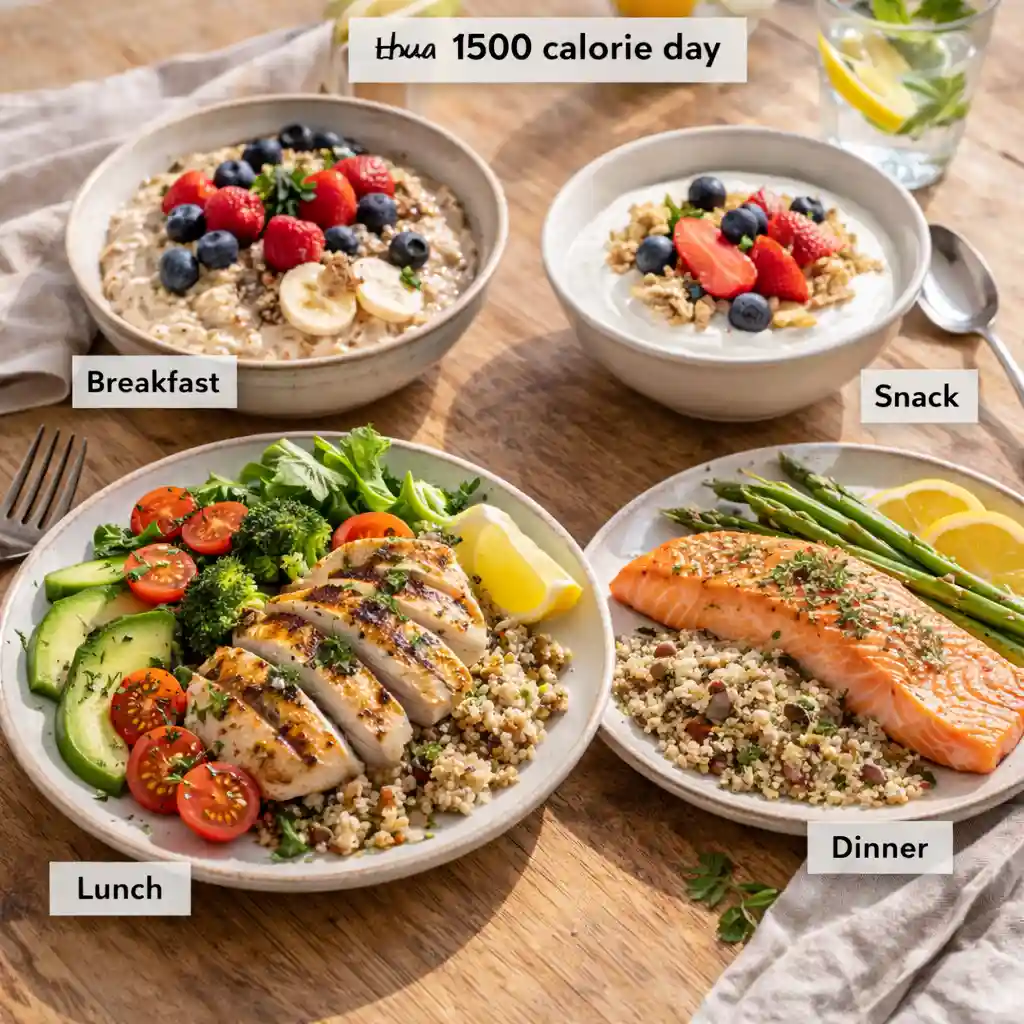
Pro Tip: Build your plate using the 50-25-25 rule—50% vegetables, 25% lean protein, and 25% whole grains. This simple method naturally supports calorie deficit meals without constant calorie counting.
By understanding how calorie deficit meals function and why balance matters, you create a foundation that supports steady, realistic fat loss instead of short-term dieting cycles.
What Are Some Good Meals for a Calorie Deficit?
Choosing the right foods makes calorie deficit meals feel satisfying instead of restrictive. The best approach is to focus on meals that combine protein, fiber, and healthy fats so you stay full longer. When your plate includes these elements, hunger becomes easier to manage and energy levels stay more stable throughout the day.
High-Protein, Low-Calorie Meal Ideas
Protein plays a key role in calorie deficit meals because it supports fullness and helps maintain muscle while reducing body fat. Simple options include grilled chicken with roasted vegetables, baked salmon with quinoa and broccoli, or a turkey lettuce wrap with avocado. These types of meals provide structure without feeling boring or repetitive.
Egg white omelets with spinach, Greek yogurt with berries, and cottage cheese bowls are also practical breakfast choices. Many people on Reddit fitness threads mention that building meals around protein first makes planning much easier. When protein becomes the base, the rest of the plate falls into place naturally.
Pro Tip: Aim for 20–30 grams of protein per meal. This small adjustment can make your plan more filling and reduce late-night snacking.
Balanced Plate Method for Everyday Cooking
Another effective way to structure calorie deficit meals is by using a visual plate method instead of strict calorie math. Fill half your plate with non-starchy vegetables, one quarter with lean protein, and one quarter with whole grains or starchy vegetables. This balance keeps meals practical for families and beginners alike.
For example, a bowl with brown rice, grilled shrimp, mixed peppers, and a light drizzle of olive oil feels generous but still controlled. Even comfort foods can fit when portions are measured thoughtfully. Over time, building calorie deficit meals this way feels natural rather than forced.
By focusing on whole ingredients and smart portions, this approach becomes something you can repeat daily without frustration. That consistency is what truly supports long-term progress.
If you’re looking for simple structured meal ideas that fit this approach, check out this helpful guide on meal prep strategies:
meal prep ideas for weight loss
What Food to Eat When Doing a Calorie Deficit?
When people begin planning calorie deficit meals, the biggest question is usually simple: what should I actually eat? The answer is less about cutting foods out and more about choosing foods that deliver more nutrition per calorie. Well-structured calorie deficit meals focus on ingredients that keep you full, steady, and satisfied without pushing your daily calorie intake too high.
Best Lean Proteins, Fiber-Rich Foods, and Healthy Fats
Lean protein should be the anchor of calorie deficit meals. Chicken breast, turkey, eggs, tofu, lentils, and fish provide quality protein with moderate calories. When calorie deficit meals consistently include protein, they tend to feel more balanced and easier to stick with.
Fiber-rich carbohydrates are just as important. Vegetables, berries, oats, brown rice, and beans add bulk to calorie deficit meals without dramatically increasing calories. Because fiber slows digestion, these foods help you stay full longer. This is why many weight loss meals emphasize vegetables and whole grains instead of refined carbs.
Healthy fats also have a place in calorie deficit meals. Small portions of olive oil, nuts, seeds, or avocado can improve flavor and satisfaction. The key is portion control. Even though fats are calorie-dense, including them thoughtfully makes calorie deficit meals more enjoyable and realistic for daily life.
Pro Tip: Build your grocery list around whole foods first. Shop the perimeter of the store for produce, lean meats, and dairy, then add pantry staples like beans and oats to complete your calorie deficit meals.
Foods to Limit When Planning Calorie Deficit Meals
Certain foods can make calorie deficit meals harder to manage if eaten in large amounts. Highly processed snacks, sugary drinks, and fried foods pack many calories into small portions. This doesn’t mean you can never enjoy them, but calorie deficit meals work best when these items are occasional rather than daily habits.
Liquid calories are another common obstacle. Sodas, sweet coffee drinks, and juices can quickly reduce the calorie gap you’re trying to create. Replacing them with water, sparkling water, or unsweetened tea supports calorie deficit meals without requiring major effort.
If you’re unsure where to begin, start simple. Choose one meal a day and turn it into a balanced plate using lean protein, vegetables, and controlled portions of carbs. Over time, building calorie deficit meals becomes second nature. Small consistent steps always matter more than drastic short-term changes.
Can You Lose 2 Pounds a Week Eating 1500 Calories a Day?
This is one of the most common questions I see online when people start planning calorie deficit meals. The short answer is: it depends. Weight loss is influenced by age, activity level, body composition, and metabolism. While calorie deficit meals built around 1500 calories per day may create a noticeable calorie gap for some individuals, that same intake may be too low or too high for others.
In general, losing around 1 to 2 pounds per week is often considered a steady and realistic pace. For some people, 1500-calorie meal plans may support that goal if their maintenance calories are significantly higher. However, calorie deficit meals should not leave you constantly fatigued, irritable, or overly hungry. If that happens, the calorie level may need adjustment.
It’s also important to remember that early weight changes can include water fluctuations. Calorie deficit meals support gradual fat loss over time, not overnight transformation. Social media often highlights dramatic results, but sustainable progress usually looks slower and more consistent.
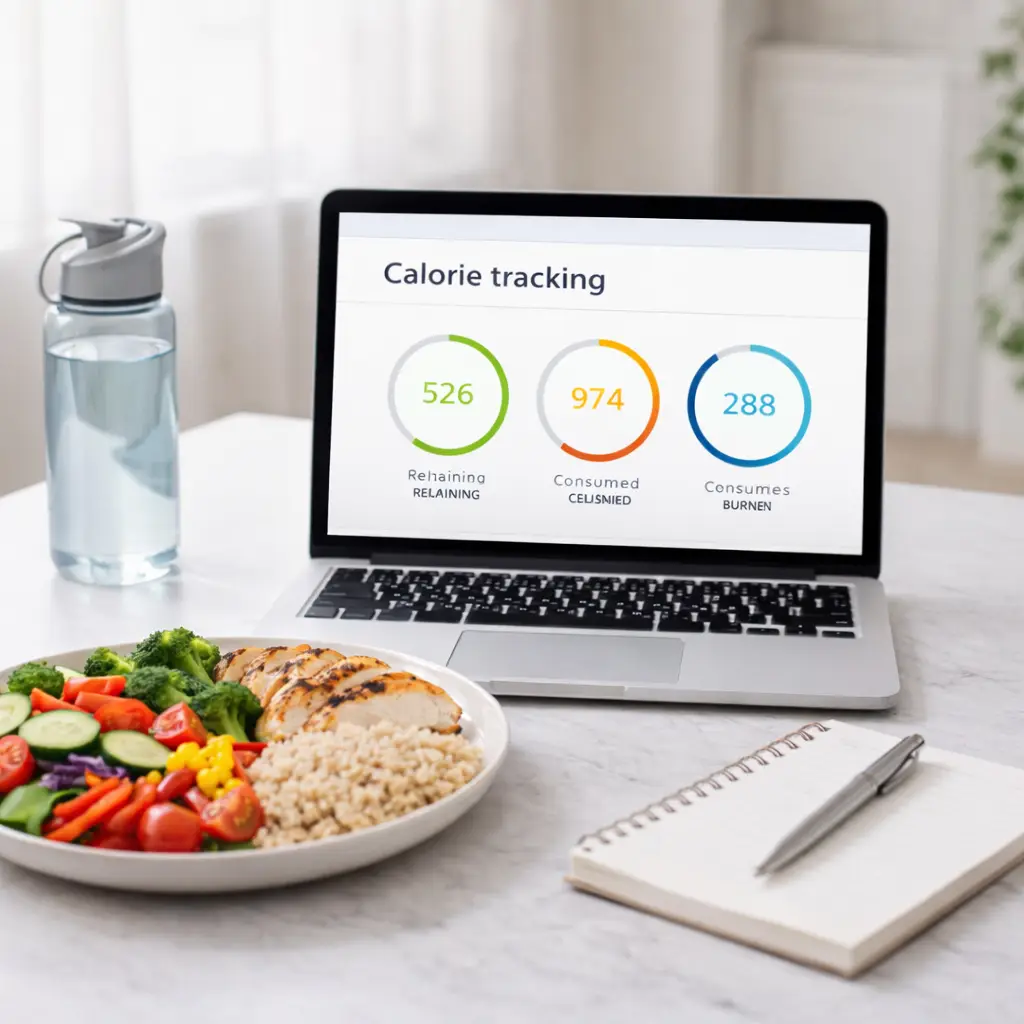
Rather than focusing only on a specific number like 1500, it helps to calculate your estimated maintenance calories first. Then, reduce by 300–500 calories to create a moderate deficit. This approach allows calorie deficit meals to feel manageable instead of extreme.
Pro Tip: Track your energy levels, sleep quality, and hunger cues for two weeks when starting calorie deficit meals. If you feel balanced and steady, you’re likely in a workable range. If not, small adjustments can make a big difference.
Most importantly, calorie deficit meals should support your lifestyle. If a plan feels too rigid, it becomes difficult to sustain. Long-term success usually comes from steady habits, balanced nutrition, and realistic expectations—not aggressive restriction.
How Do Beginners Eat in a Calorie Deficit?
Starting something new can feel overwhelming, especially when it comes to food. The good news is that calorie deficit meals do not require complicated math or extreme restrictions. For beginners, the goal is to build simple habits that gradually lower daily calorie intake while still keeping meals satisfying and balanced.
Step-by-Step Guide for Starting a Calorie Deficit
First, estimate your maintenance calories using a basic online calculator. Once you have that number, reduce it slightly to begin forming calorie deficit meals that create a moderate gap. A small reduction is often easier to maintain than a dramatic cut.
Second, focus on structure instead of perfection. Plan three balanced meals and one or two light snacks. When calorie deficit meals are spaced evenly throughout the day, hunger becomes more manageable and cravings may feel less intense. Many beginners find that prepping ingredients in advance makes building calorie deficit meals during busy weekdays much simpler.
Third, prioritize protein and vegetables at every meal. This combination helps calorie deficit meals feel filling without excessive calories. Whole grains and healthy fats can still fit in, just in measured portions.
Pro Tip: Use smaller plates at home. This visual trick can make calorie deficit meals look full and satisfying while naturally guiding portion control.

Simple Meal Planning Tips for Beginners
Meal planning does not have to mean cooking everything on Sunday. Instead, prepare core ingredients like grilled chicken, roasted vegetables, cooked rice, or boiled eggs. With these basics ready, you can quickly assemble calorie deficit meals throughout the week without starting from scratch each time.
Another helpful step is tracking intake temporarily. Logging meals for one or two weeks gives you a clearer picture of how calorie deficit meals fit into your routine. After that, many people can rely more on visual portion awareness rather than constant tracking.
Finally, be patient. Calorie deficit meals work best when paired with consistency. Small daily improvements, repeated over time, often lead to meaningful changes. Beginners who focus on learning rather than rushing the process are more likely to turn calorie deficit meals into a sustainable lifestyle instead of a short-term diet.
Easy 7-Day Sample Plan for Calorie Deficit Meals
When I scroll through meal prep videos online, I often notice how complicated some plans look. Color-coded containers, advanced tracking apps, perfectly portioned boxes. But in real life, calorie deficit meals don’t have to feel like a production. A simple weekly structure can make healthy eating feel calm and repeatable instead of overwhelming.
Breakfast, Lunch, and Dinner Examples
A balanced week of calorie deficit meals might start with breakfasts like Greek yogurt with berries and chia seeds, oatmeal topped with sliced almonds, or scrambled eggs with spinach and whole-grain toast. These options combine protein and fiber, which helps manage hunger throughout the morning.
For lunch, think practical and portable. Grilled chicken salads with olive oil and lemon, turkey wraps loaded with vegetables, or quinoa bowls with roasted chickpeas all work well as calorie deficit meals. They’re filling, colorful, and easy to prepare in batches.
Dinner can stay just as simple. Baked salmon with steamed broccoli and brown rice, lean ground turkey stir-fry with mixed vegetables, or a hearty lentil soup with a side salad all fit comfortably into calorie deficit meals. The focus stays on balance rather than restriction.
Smart Snack Options That Fit a Calorie Deficit
Snacks often make or break consistency. Instead of skipping them, build them into your plan. Apple slices with peanut butter, cottage cheese with fruit, or a handful of nuts can round out calorie deficit meals without pushing you over your target.
Planning a week ahead also helps reduce impulse decisions. When calorie deficit meals are prepared or at least mapped out in advance, you’re less likely to grab convenience foods that don’t support your goals.
Pro Tip: Choose two breakfast options, two lunches, and two dinners to rotate during the week. Repetition simplifies calorie deficit meals and reduces decision fatigue.
Ultimately, a 7-day outline is not about strict rules. It’s about creating rhythm. When calorie deficit meals follow a predictable pattern, grocery shopping becomes easier, cooking feels faster, and long-term consistency becomes much more realistic.
If you want inspiration for protein-forward combinations that hold their texture beautifully, explore ideas like these:
high protein salad recipes
Common Mistakes to Avoid When Eating in a Calorie Deficit
Even with the best intentions, small mistakes can slow progress. Many people begin calorie deficit meals with strong motivation, but they unintentionally cut calories too aggressively. While it may seem like faster results would follow, overly restrictive calorie deficit meals often lead to fatigue, cravings, and burnout. A moderate and steady approach tends to work better over time.
Undereating and Nutrient Gaps
One common issue is skipping meals to “save calories.” In reality, poorly structured calorie deficit meals can leave you low on essential nutrients like protein, fiber, iron, and healthy fats. When meals lack balance, hunger can build up later in the day, making it harder to stay consistent.
Balanced calorie deficit meals should include a source of protein, vegetables or fruit, and a measured portion of carbohydrates or fats. This structure helps maintain energy levels and supports daily function. Instead of drastically shrinking portions, adjust ingredients thoughtfully so calorie deficit meals remain satisfying and nutritionally sound.
Ignoring Portion Control and Liquid Calories
Another overlooked factor is portion size. Even healthy foods can add up quickly. Nuts, oils, sauces, and dressings are nutritious but calorie-dense. Measuring them occasionally helps keep calorie deficit meals aligned with your goals without removing them entirely.
Liquid calories can also reduce progress without you noticing. Sweetened beverages, specialty coffees, and juices may quietly erase the calorie gap your calorie deficit meals are designed to create. Swapping these drinks for water, sparkling water, or unsweetened tea can make a meaningful difference over time.
Pro Tip: Re-measure your portions every few weeks. As habits loosen, serving sizes can slowly increase without awareness, affecting your calorie deficit meals more than you realize.
Avoiding these common pitfalls keeps calorie deficit meals practical and sustainable. When you focus on balance instead of extremes, steady progress becomes much more achievable.
How to Stay Consistent with Calorie Deficit Meals
Consistency is where real progress happens. Many people can follow calorie deficit meals for a few days, but long-term results depend on building habits that fit daily life. Instead of chasing perfection, focus on routines that make calorie deficit meals easier to repeat week after week.
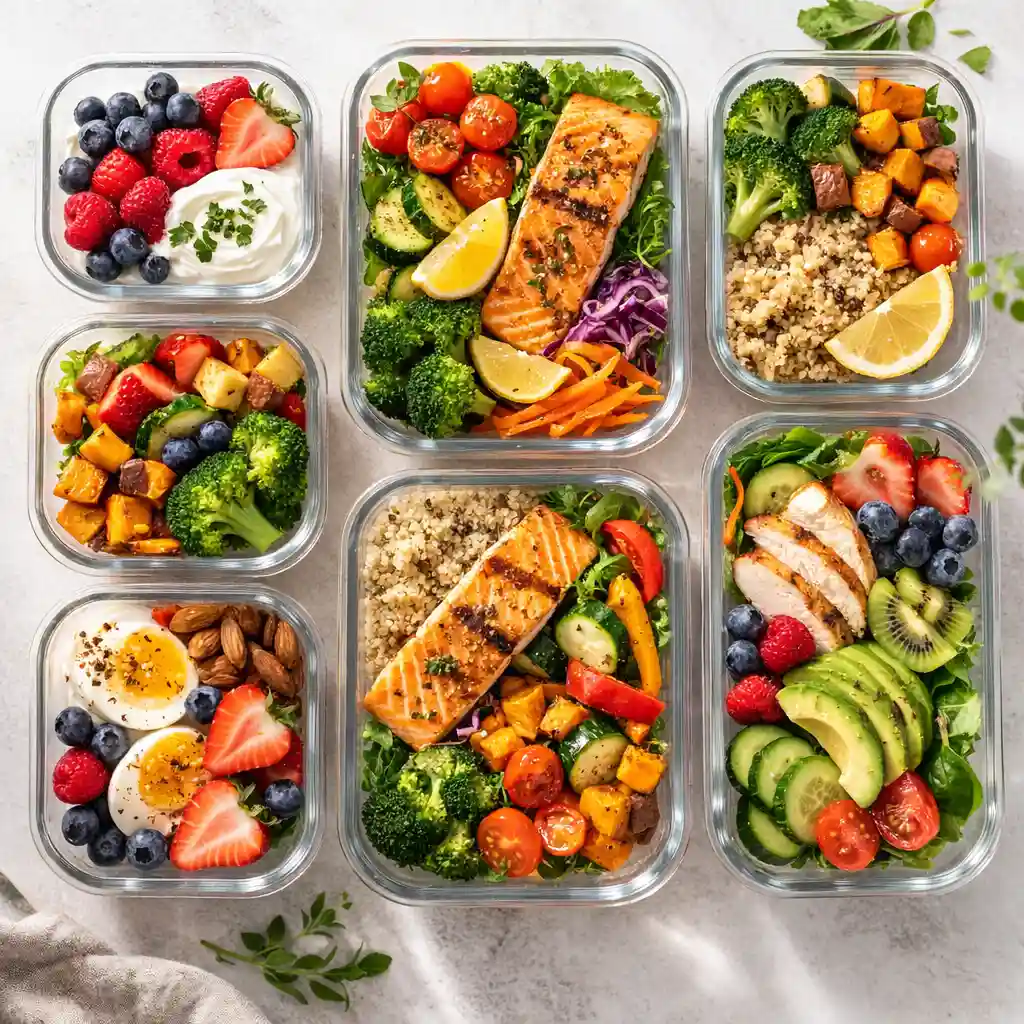
Meal Prep Strategies for Busy Weeks
One of the simplest ways to stay on track is planning ahead. When calorie deficit meals are partially prepared in advance, weekday decisions become less stressful. Washing and chopping vegetables, cooking a batch of lean protein, or preparing grains ahead of time can cut cooking time in half.
You don’t need elaborate systems. Even writing down a loose weekly outline can support calorie deficit meals by reducing last-minute takeout choices. Repeating favorite recipes also helps. Familiar meals remove guesswork and make calorie deficit meals feel automatic rather than forced.
Another helpful approach is flexibility. If dinner plans change, adjust the rest of your day instead of giving up. Calorie deficit meals are about overall balance, not rigid rules. One higher-calorie meal does not erase consistent effort.
Social Eating, Dining Out, and Long-Term Sustainability
Eating out or attending gatherings does not mean abandoning calorie deficit meals. Review menus ahead of time, look for grilled options, and balance heavier dishes with lighter choices earlier in the day. Small adjustments keep calorie deficit meals aligned with your goals without isolating you socially.
It also helps to focus on the bigger picture. Sustainable calorie deficit meals allow room for enjoyment. When you avoid labeling foods as “good” or “bad,” it becomes easier to return to balanced eating after special occasions.
Pro Tip: Follow the 80/20 mindset. Aim for calorie deficit meals that align with your plan about 80% of the time, leaving 20% for flexibility. This balanced approach supports consistency without unnecessary pressure.
Ultimately, staying consistent with calorie deficit meals means building a routine you can live with. When your plan fits your schedule, family life, and preferences, progress becomes steady and realistic.
Even simple comfort combinations like chicken, rice, and vegetables reflect that cultural simplicity. If you enjoy that classic structure, you might find this helpful:
healthy chicken and rice recipe
Tracking Progress Without Obsession
When following calorie deficit meals, it’s easy to focus only on the scale. However, progress is not always linear, and weight can fluctuate due to hydration, stress, or hormonal changes. That’s why calorie deficit meals should be evaluated over weeks, not days. Looking at broader trends helps you stay calm and consistent instead of reacting to small daily changes.
Using Food Journals and Apps Wisely
Tracking can be helpful in the beginning. Logging calorie deficit meals for a short period builds awareness around portion sizes and daily calorie intake. Over time, many people develop a better visual understanding of balanced plates and no longer need detailed tracking. The goal is to let calorie deficit meals become intuitive rather than overly calculated.
If you choose to use an app, treat it as a guide, not a judge. Calorie deficit meals are part of a long-term routine, and perfection is not required. Occasional higher-calorie days can fit into your weekly pattern without undoing steady effort.
Non-Scale Victories and Lifestyle Improvements
Another healthy way to measure success with calorie deficit meals is by noticing non-scale changes. Are your clothes fitting differently? Do you feel more energetic during the day? Are your eating habits more structured than before? These shifts often reflect meaningful progress even if the scale moves slowly.
Consistency with calorie deficit meals can also improve grocery habits, cooking skills, and awareness of hunger cues. These lifestyle improvements matter because they build a foundation for long-term stability.
Pro Tip: Weigh yourself once or twice per week at the same time of day. This keeps calorie deficit meals aligned with your goals without turning daily weigh-ins into unnecessary stress.
In the end, calorie deficit meals work best when paired with patience. When you track thoughtfully and focus on overall patterns, you create space for steady progress without becoming overwhelmed by numbers.
If you’re aiming for a daily structure around 1500 calories, this resource may give you a clearer framework:
1500 calorie meal plan
Frequently Asked Questions About Calorie Deficit Meals
When people begin learning about calorie deficit meals, similar questions tend to come up again and again. Below are clear, practical answers to help you move forward with confidence and realistic expectations.
What are some good meals for a calorie deficit?
Good calorie deficit meals usually combine lean protein, fiber-rich vegetables, and controlled portions of whole grains or healthy fats. Examples include grilled chicken with roasted vegetables, salmon with quinoa and broccoli, turkey lettuce wraps, lentil soup with a side salad, or Greek yogurt with berries. The key is balance. Calorie deficit meals should feel filling and satisfying rather than restrictive.
What food to eat when doing a calorie deficit?
When building calorie deficit meals, focus on nutrient-dense foods like chicken breast, fish, eggs, tofu, beans, leafy greens, berries, oats, and brown rice. These foods provide protein and fiber, which help manage hunger. At the same time, calorie deficit meals work best when sugary drinks, fried foods, and heavily processed snacks are limited rather than eaten daily.
Can you lose 2 pounds a week eating 1500 calories a day?
For some individuals, 1500-calorie plans may create enough of a gap to support losing around 1 to 2 pounds per week. However, results vary based on metabolism, activity level, and starting weight. Calorie deficit meals should support steady progress, not extreme restriction. If energy levels drop too low, intake may need to be adjusted.
How do beginners eat in a calorie deficit?
Beginners should start with small, manageable changes. Estimate maintenance calories, reduce intake slightly, and build calorie deficit meals around protein, vegetables, and portion awareness. Planning ahead and repeating simple meals during the week makes calorie deficit meals easier to maintain without stress.
This recipe and guidance are shared for informational purposes and are not a substitute for medical advice. If you have underlying health conditions or specific dietary needs, consider consulting a qualified healthcare professional before making major changes.
By understanding these fundamentals, calorie deficit meals become less confusing and more practical for everyday life.
Conclusion
At the end of the day, calorie deficit meals are not about strict rules or chasing fast results. They’re about building balanced plates with quality ingredients, paying attention to texture, and creating meals you can repeat without feeling bored or deprived.
When you focus on:
- Fresh, whole foods
- Lean protein and fiber
- Smart portion awareness
- Satisfying textures
…you turn calorie deficit meals into a sustainable lifestyle instead of a short-term fix.
Consistency always matters more than intensity. A simple, well-balanced approach practiced over time will outperform any extreme strategy. If you stay patient, keep your meals structured, and prioritize quality ingredients, progress becomes steady and realistic.
Connect with us for more tips on Facebook and Pinterest where we share weekly ideas to keep your meals gut-friendly and stress-free.