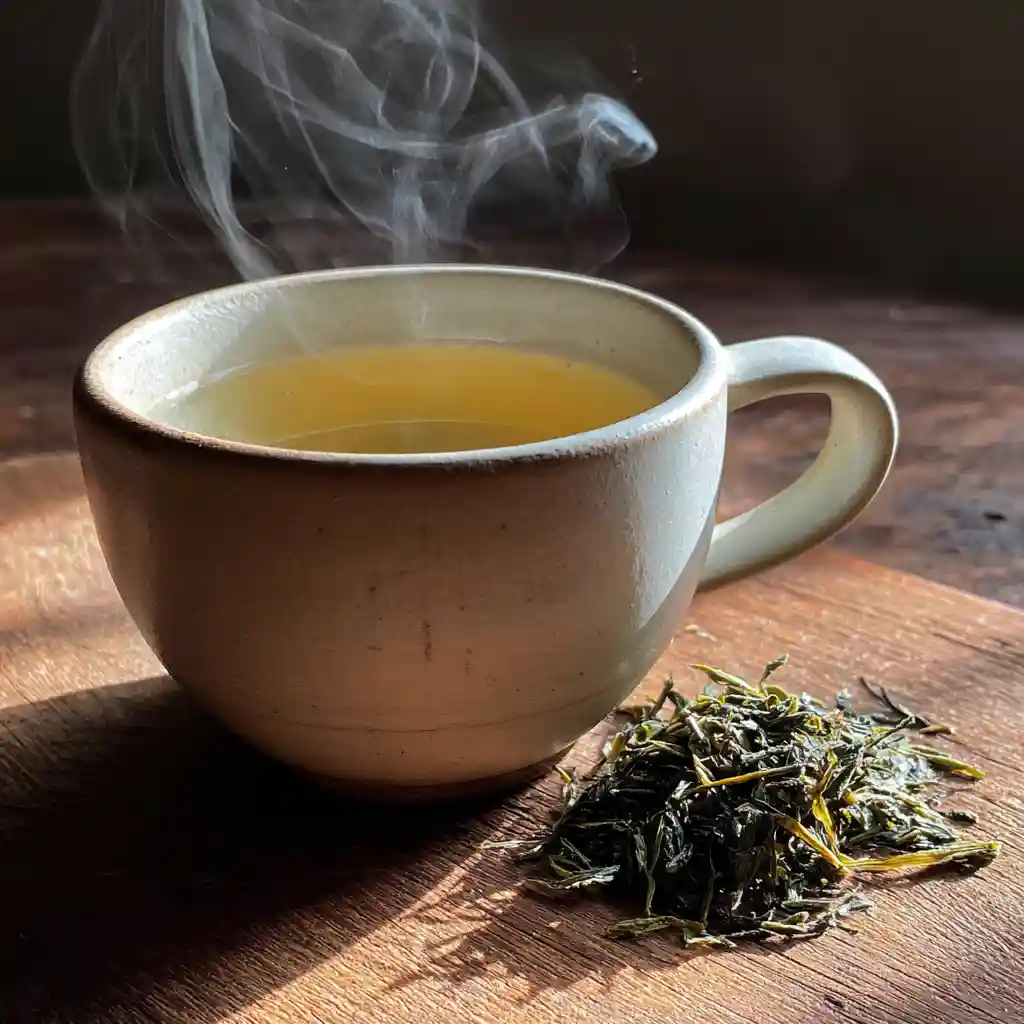
I remember the first time I brewed green tea at home. I had just returned from a trip to Japan, where sipping delicate cups of sencha had become a calming part of my day. Back in my own kitchen, I reached for the nearest green tea bag and wondered—does green tea have caffeine how much? That small question opened a whole world of fascinating info I never expected to explore, especially since I was trying to manage my afternoon energy levels without tipping into the coffee-jitters zone.
In today’s guide, I’m breaking down exactly what every green tea drinker wants to know: how much caffeine is in green tea, how it compares to other drinks, and when it might be too much. This article is perfect if you’re trying to manage your caffeine intake for better sleep, energy, or health. Whether you’re pregnant, taking medications, or just trying to choose between matcha and loose-leaf sencha, I’ll walk you through what matters—without confusing jargon. So, let’s answer the pivotal question: does green tea have caffeine how much is in your cup?
We’ll explore different types of green tea, their caffeine levels, how brewing changes the strength, and even what to watch out for if you’re on meds like lisinopril or have health concerns. Plus, you’ll find real answers to common questions like “Is green tea safe for stroke patients?” and “Which green tea is good during pregnancy?”
Check out our full brewing guide here: How to Brew Green Tea
Let’s start with what green tea actually is—and why its caffeine story is more than meets the eye.
Understanding Green Tea and Caffeine
What Is Green Tea?
Green tea is one of the oldest and most celebrated drinks in the world, known for its smooth flavor, light body, and calming energy. Unlike black tea, which goes through a full oxidation process, green tea leaves are gently steamed or pan-fired to preserve their fresh, grassy flavor and vibrant green color. This gentle treatment also influences the tea’s caffeine content—making it a top choice for those who enjoy a mild kick without the intense punch of coffee.
There are many types of green tea—like sencha, gyokuro, and matcha—each with its own flavor, aroma, and nutritional profile. But when it comes to caffeine, the big question remains: does green tea have caffeine how much exactly? Understanding this is crucial for those looking to balance their caffeine consumption throughout the day.
How Green Tea Is Processed Compared to Other Teas
Green tea stands out because it’s minimally processed. Right after harvesting, the leaves are quickly heated to prevent oxidation. This not only keeps their antioxidant properties intact but also influences how much caffeine remains. So, does green tea have caffeine how much of it compared to black or oolong tea? You might be surprised—some green teas contain as little as 20 mg per cup, while others like matcha can pack a bigger buzz.
Because the processing is light and clean, the caffeine in green tea works a little differently. It’s often paired with L-theanine, a natural compound that helps mellow the effects of caffeine. That’s why many people report feeling “focused but calm” after a cup of green tea—a far cry from the jittery spike and crash of coffee.
Pro Tip: Want the gentlest caffeine experience? Try brewing your green tea at a lower temperature (around 160–175°F) and steep for just 1–2 minutes. This can reduce caffeine extraction while preserving the flavor.
Looking for inspiration? Try this Turmeric Ginger Cinnamon Tea Benefits for a caffeine-free herbal blend option that pairs well with your tea rotation.
How Much Caffeine Is in Green Tea?
Average Caffeine Amounts in Green Tea
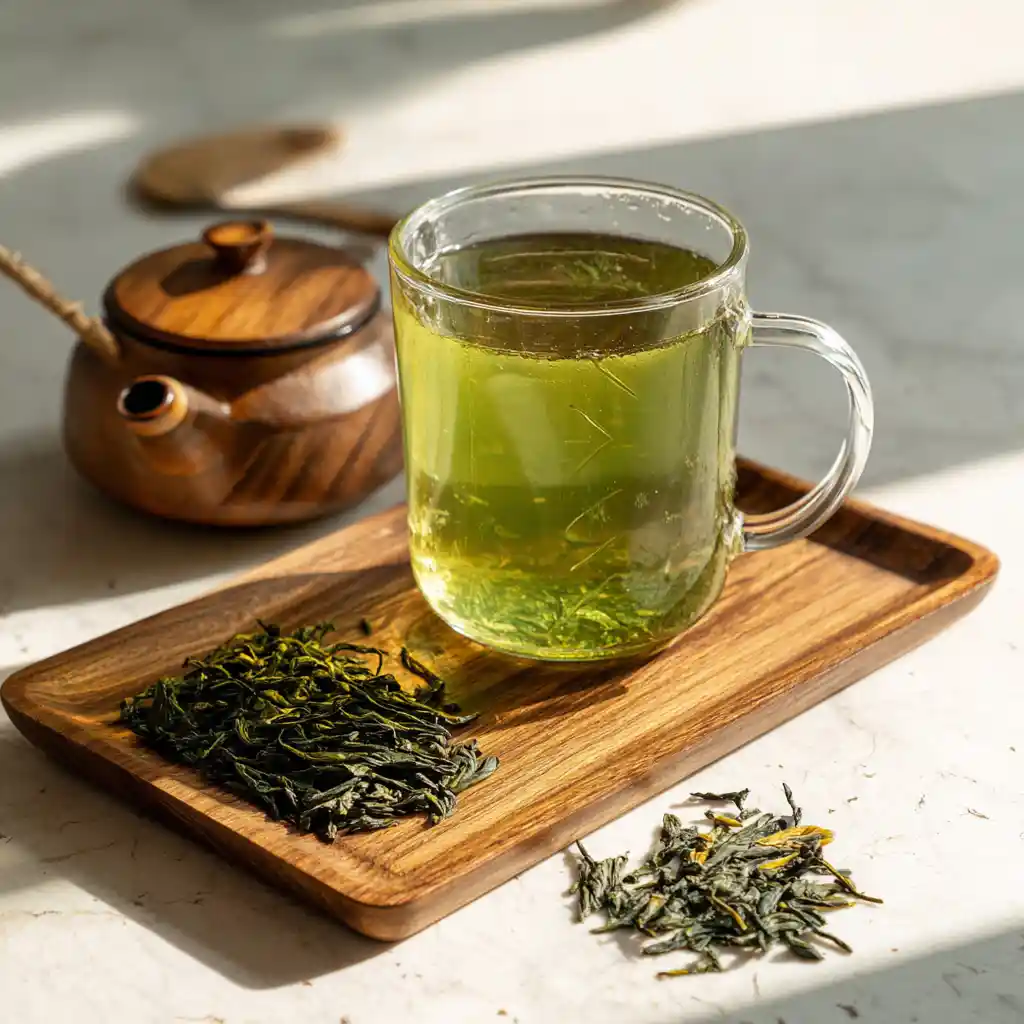
So, does green tea have caffeine how much really per cup? On average, an 8-ounce cup of brewed green tea contains about 25 to 35 milligrams of caffeine. That’s quite a bit less than a regular cup of coffee, which typically has around 95 milligrams. But this range isn’t fixed—it depends on several factors including the brand, the type of green tea, how it’s processed, and even how you brew it.
Loose-leaf teas like sencha or dragonwell may fall on the lower end of the spectrum, while powdered teas like matcha can contain as much as 70 milligrams per serving. Matcha is made by consuming the whole leaf in powdered form, which means you’re getting a more concentrated dose of caffeine in every sip.
Factors Affecting Caffeine Levels in Green Tea
If you’ve ever wondered does green tea have caffeine how much varies with steeping time?, the answer is—quite a bit. The longer you brew your tea, especially in hotter water, the more caffeine you’ll extract from the leaves. A light, one-minute steep in cooler water may only release about 20 mg of caffeine, while a longer, five-minute steep can nearly double that.
Leaf quality also plays a role. High-grade teas tend to have more amino acids and slightly more caffeine than lower-quality ones. And don’t forget that tea bags—often made from broken or powdered leaves—may steep quicker but sometimes yield stronger caffeine concentrations due to their finer particles.
Pro Tip: If you’re sensitive to caffeine but still enjoy green tea, try cold brewing. Steeping the leaves in cold water for several hours extracts less caffeine and brings out sweeter flavors without the bitterness.
Check out our FGO Tea Review to learn more about wellness-focused teas, including notes on natural caffeine levels.
Types of Green Tea and Their Caffeine Levels
Loose Leaf vs Bagged Green Tea
When shopping for green tea, one of the first choices you’ll face is whether to go with loose leaf or bagged. But beyond flavor, another important consideration is this: does green tea have caffeine how much based on its form? The answer is yes, and the difference can be pretty noticeable.
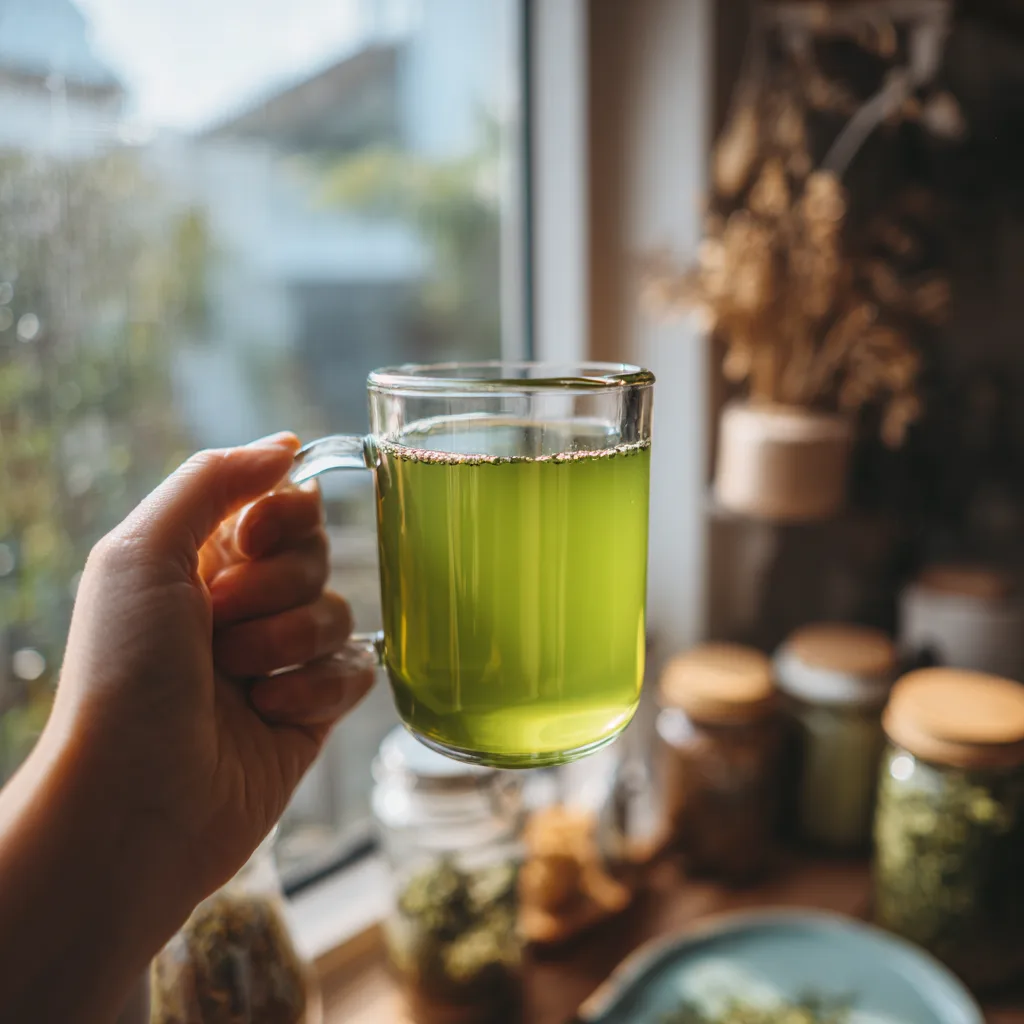
Loose leaf green tea usually contains whole or large parts of the leaf, which brews more slowly and often results in a smoother flavor and moderate caffeine release. On the flip side, tea bags often use dust or fannings—tiny particles of the leaf—that steep faster and tend to release more caffeine quickly. So while you might assume all green tea has a light buzz, a strong bagged brew can surprise you.
That said, the brewing method matters just as much. Steeping a loose leaf tea for a long time in hot water could yield more caffeine than a lightly brewed tea bag. If you’re tracking caffeine intake, consider not just the type, but also how you prepare your cup.
Matcha and Other Concentrated Forms
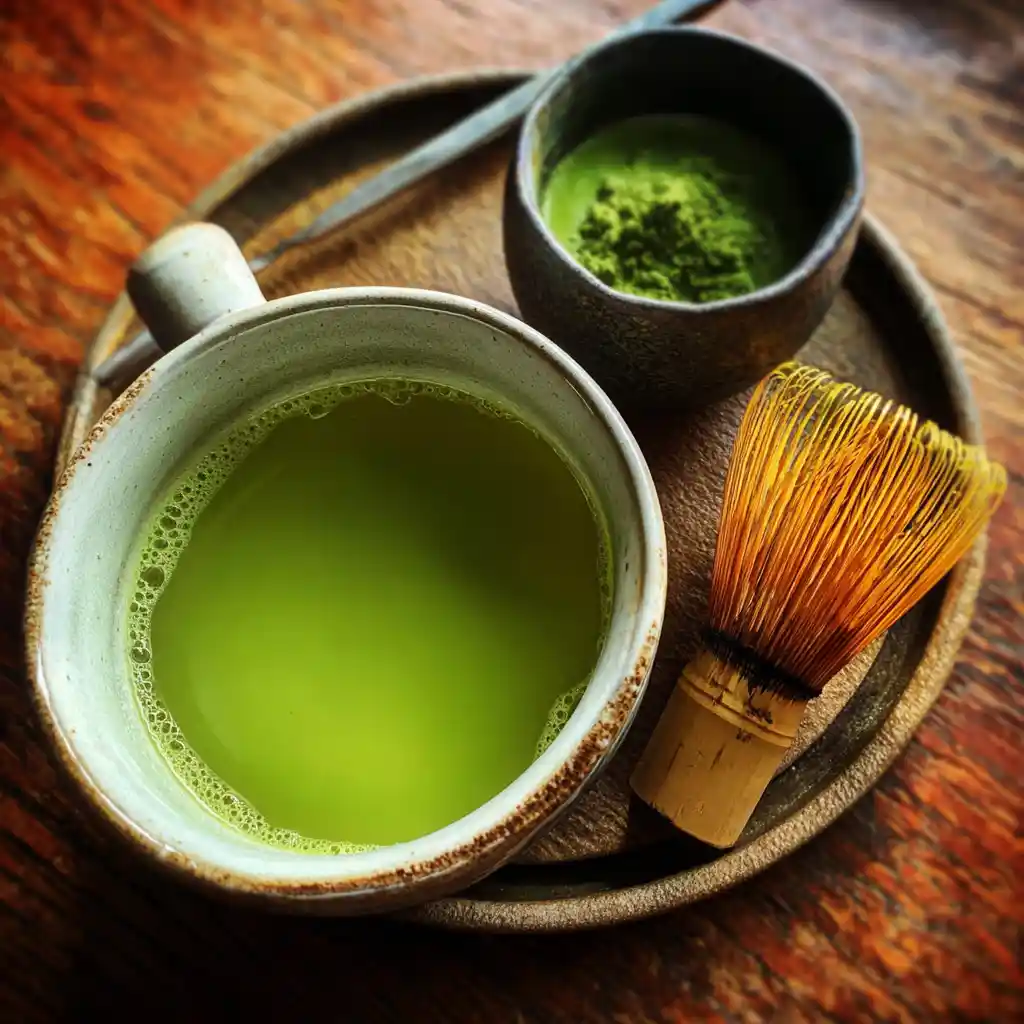
Now let’s talk about matcha—the powerhouse of the green tea family. If you’re wondering does green tea have caffeine how much in powdered forms like matcha?, the answer is quite a bit. Unlike brewed tea where leaves are steeped then discarded, matcha is made from whole green tea leaves that are ground into powder and whisked directly into water or milk. That means you’re consuming the entire leaf, and with it, all of the caffeine.
A typical serving of matcha (about 1 gram or ½ teaspoon) can deliver 60 to 70 milligrams of caffeine, rivaling a small cup of coffee. But here’s the catch: many people say the caffeine from matcha feels smoother. Thanks to the presence of L-theanine, matcha offers a longer-lasting, focused energy boost without the crash.
Pro Tip: Choose ceremonial-grade matcha for better flavor and more balanced energy. Lower-grade matcha can be bitter and often contains more caffeine due to the use of mature leaves.
Don’t miss our Starbucks Matcha Green Tea Latte Nutrition breakdown to see how caffeine adds up in your favorite café drinks.
Health Effects of Caffeine in Green Tea
Benefits of Caffeine in Green Tea
Let’s face it, most of us reach for green tea because we want that gentle nudge of energy. But beyond the pick-me-up, many wonder—does green tea have caffeine, how much of it contributes to the health benefits? The caffeine in green tea works alongside compounds like L-theanine and antioxidants to support focus, mood, and mental clarity.
Unlike coffee, which can sometimes cause a sharp spike followed by a crash, green tea provides a smoother experience. The combo of caffeine and L-theanine has been studied for its potential to promote relaxed alertness. That’s a fancy way of saying it helps you feel awake without making you jittery. Many people find this balance ideal for workdays or creative tasks.
Green tea is also a great pre-workout option if you don’t tolerate strong stimulants. A light cup before a walk or yoga class may help you feel more awake, without overwhelming your system. And since it’s hydrating and naturally low in calories, it fits into many wellness routines.
Potential Risks and Considerations
Of course, too much of a good thing can be… well, too much. One of the most common questions I get is does green tea have caffeine how much is too much in a day? While a few cups are usually fine for most people, overdoing it—especially with strong brews or matcha—can lead to insomnia, restlessness, or even stomach discomfort.
People who are sensitive to stimulants or who take certain medications should be extra cautious. For instance, drinking green tea late in the day might disrupt your sleep, even if the caffeine content seems low. And don’t forget: your total daily caffeine includes more than just tea. Chocolate, soda, and even some supplements can contribute to your intake.
Pro Tip: Keep a simple journal for a week and note when you drink green tea, how much, and how you feel afterward. Patterns will quickly reveal if you’re getting the right dose—or a bit too much.
Learn more about caffeine in soothing blends like our Ginger Lemon Honey Tea if you’re looking for evening alternatives.
Green Tea and Daily Caffeine Limits
Recommended Caffeine Intake Guidelines
For most adults, the FDA suggests keeping daily caffeine intake under 400 milligrams. That’s roughly the amount in four cups of coffee—but when we ask does green tea have caffeine how much does it contribute to that limit?, it becomes clear that your tea habits matter. A single cup of green tea might seem light, but multiple servings throughout the day can add up quickly.
If you drink three cups of green tea, you could easily consume between 75 and 100 milligrams of caffeine, depending on the type and how it’s brewed. That’s still well under the daily recommended cap for most adults, but it’s important to consider your total intake from other sources too—like soda, energy drinks, and chocolate.
How Many Cups Are Too Many?
So practically speaking, how many cups of green tea is safe per day? For healthy adults, 3 to 4 cups spread out over the day is usually a sweet spot. But again, the answer to does green tea have caffeine, how much is too much for you? depends on your unique caffeine sensitivity, metabolism, and lifestyle.
Pregnant individuals are advised to keep their caffeine under 200 mg daily, and green tea counts toward that. Kids and teens should have even less. Also, some people may experience headaches or jitters even with modest amounts, especially if they drink it on an empty stomach.
Pro Tip: Space out your green tea intake by pairing it with meals or snacks. This can help reduce the chance of digestive upset and avoid sudden spikes in energy or crashes.
Check out our Matcha Collagen Beauty Smoothie for a green tea twist that blends nutrition with gentle caffeine.

Special Situations — When to Watch Caffeine Intake
Caffeine Interaction With Medications
If you take daily medication, especially for blood pressure or heart conditions, it’s worth asking: does green tea have caffeine, how much of it could interfere with your prescription? One example is lisinopril, a common medication used to treat high blood pressure. While green tea itself isn’t strictly off-limits, the caffeine it contains may cause mild blood pressure fluctuations in some people.
Caffeine is a stimulant, and even the modest amount found in green tea can increase heart rate or slightly raise blood pressure. If you’re managing a condition or are on medication that affects cardiovascular health, it’s always a good idea to speak with your healthcare provider about how green tea fits into your routine.
Some compounds in green tea—especially when consumed in large amounts—might also affect how certain drugs are absorbed or metabolized. So, does green tea have caffeine how much matters more if your meds are sensitive to stimulants.
Caffeine and Health Conditions
For those with anxiety, insomnia, or acid reflux, even a small amount of caffeine can cause discomfort. That leads many to ask: does green tea have caffeine how much can I safely consume if I have a health issue? In these cases, moderation is key. A lighter tea like genmaicha or a cold-brewed version may help you enjoy the benefits without the negative side effects.
Additionally, people recovering from strokes or managing neurological conditions should be careful. While some early research suggests antioxidants in green tea may support brain health, caffeine may not be ideal during recovery stages unless cleared by a doctor.
Pro Tip: If you’re navigating chronic health issues, consider alternating between green tea and caffeine-free herbal infusions like rooibos or mint to stay hydrated and still enjoy a warm beverage.
Discover great ideas like the Turmeric Ginger Cinnamon Tea Benefits to support your wellness goals with zero caffeine.
FAQs
Is green tea high in caffeine?
Green tea is considered low to moderate in caffeine. If you’re wondering, does green tea have caffeine, how much compared to coffee? — a typical 8-ounce cup of green tea contains about 25 to 35 milligrams of caffeine, while the same amount of brewed coffee holds around 95 milligrams. So while green tea isn’t caffeine-free, it offers a gentler lift that many people find easier to tolerate.
Does green tea interact with lisinopril?
This is a great question, especially if you take medication for high blood pressure. While no direct danger has been widely reported, some research suggests that large amounts of green tea (due to its caffeine and catechin content) might slightly affect blood pressure. So again, does green tea have caffeine how much matters—especially when paired with drugs like lisinopril. Always talk with your doctor before making green tea a regular habit if you’re on prescription meds.
Is green tea good for a stroke patient?
Some people believe that the antioxidants in green tea may support brain health, but it’s important to be cautious. Caffeine can impact circulation and nervous system function, which may not be ideal during recovery. So if you’re asking, does green tea have caffeine, how much might affect a stroke patient? — the safest answer is to consult with a medical professional before including it in a post-stroke diet.
Which green tea is good for pregnancy?
During pregnancy, experts typically recommend limiting caffeine intake to no more than 200 milligrams per day. That means green tea can be enjoyed in moderation. Light brews or decaffeinated varieties are the best choices. But remember, does green tea have caffeine how much per cup? Even a single serving can range from 20 to 45 mg. Stick to one or two cups daily and talk with your healthcare provider about what’s safe for you and your baby.
Pro Tip: For pregnancy-safe teas, look for blends labeled naturally low in caffeine, or opt for herbal alternatives like lemon balm or ginger.
How to Reduce Caffeine in Your Green Tea
Choosing Low‑Caffeine or Decaf Options
If you love green tea but want to limit your caffeine, the good news is you’ve got options. One question that often comes up is: does green tea have caffeine how much can be reduced with decaf choices? Decaffeinated green tea typically contains about 2 to 5 milligrams per cup—perfect for those trying to avoid stimulants entirely. It’s made by gently removing most of the caffeine from the leaves while preserving antioxidants and flavor.
Another great option is to explore naturally low-caffeine varieties like kukicha (twig tea) or genmaicha, which blend green tea leaves with toasted rice. These tend to have lower caffeine levels naturally and offer unique, nutty flavors.
Brewing Tips to Lower Caffeine Content
Your brewing method can play a huge role in how much caffeine ends up in your cup. Wondering does green tea have caffeine how much can I lower just by adjusting brew time? The answer is—a lot. Shortening the steep time to under two minutes and using cooler water (around 160°F) can reduce caffeine extraction without compromising flavor too much.
You can also try the “rinse method,” where you pour hot water over the leaves for 30 seconds, then discard that water before steeping again. This quick pre-steep helps release a portion of the caffeine upfront.
Pro Tip: Cold brewing is your best friend if you’re caffeine-sensitive. Letting green tea steep overnight in cold water results in a smoother taste and significantly less caffeine.
Learn more about flavorful, low-stimulant alternatives in our guide to Ginger Lemon Honey Tea.
Takeaway and Recommendations
Should You Drink Green Tea for Daily Caffeine?
Green tea can be a fantastic daily beverage if you’re looking for a lighter, more balanced source of caffeine. But it always comes back to one thing—does green tea have caffeine, how much fits into your routine without side effects? If you’re switching from coffee, you may find green tea gives you the energy you need without the crash. And with so many varieties to choose from, it’s easy to find one that fits your lifestyle and flavor preferences.
For those who love routine, drinking green tea in the morning or early afternoon works well. Evening sippers may want to switch to a low-caffeine or decaf version. The key is paying attention to how your body reacts, especially when combining green tea with other caffeine sources like chocolate or soda.
Final Thoughts on “does green tea have caffeine how much”
In the end, understanding the answer to does green tea have caffeine how much per cup helps you make smarter choices. Whether you’re managing stress, medications, pregnancy, or just want to feel better day to day, green tea gives you flexibility. Brew it strong for a quick boost, or go light and long for a more mellow effect.
Pro Tip: Make green tea part of your mindfulness routine. The process of brewing and sipping it slowly can help you tune into your body—and whether that next cup is really needed.
Looking for inspiration? Try the soothing blend in our Turmeric Ginger Cinnamon Tea Benefits or explore more with our caffeine-balanced options.
Connect with more tea lovers like us on Facebook: Heartly Recipes on Facebook
Or browse our Pinterest boards for more green tea tips: Heartly Recipes on Pinterest