I’ve been noticing a growing buzz around “fibermaxxing gut health” lately, especially while scrolling through food trends on TikTok and reading casual discussions on Reddit. People are sharing simple meals, colorful bowls, and everyday habits that focus on getting more fiber into their diets. It caught my attention not because of bold claims, but because it felt practical, doable, and rooted in real kitchen routines.
At its core, fibermaxxing gut health is about making small, consistent choices to include more fiber-rich foods in your daily meals. From hearty breakfasts with oats and seeds to dinners packed with vegetables and legumes, this approach leans into natural, whole ingredients that many cultures have relied on for generations. Learn more about simple meal ideas that support balanced eating habits here: https://heartlyrecipes.com/
What makes this trend interesting is how it connects everyday eating with digestive comfort and overall wellness. Many people are looking for ways to support their gut microbiome, improve digestion, and feel more balanced through food rather than complicated routines. While results can vary, adding more fiber through a fiber rich diet, prebiotic foods, and plant-based ingredients has long been associated with better digestion and gut-friendly habits.
In this article, we’ll break down what fibermaxxing gut health really means, how different types of fiber work in the body, and which foods can help you gradually increase your intake. You’ll also find practical tips, simple meal ideas, and insights inspired by real-life experiences shared online. The goal here is to keep things simple, realistic, and easy to follow—no extremes, just thoughtful food choices that may support your daily routine.
This article is shared for informational purposes and is not a substitute for medical advice.
I’ve been seeing the term fibermaxxing gut health pop up everywhere lately—from quick recipe videos on TikTok to thoughtful discussions on Reddit about digestion and daily eating habits. What stood out to me wasn’t hype, but how simple the idea is: eat more fiber-rich foods in a balanced, realistic way. No complicated rules, just smarter choices in the kitchen.
Fibermaxxing gut health is all about increasing your fiber intake through whole, natural foods to support digestion and create a more balanced gut environment. It’s not a strict diet or a short-term trend. Instead, it’s a long-term approach that focuses on adding foods like fruits, vegetables, seeds, legumes, and whole grains into your daily routine.
This article is for anyone who wants to feel more comfortable after meals, build better eating habits, or simply understand how fiber works in the body. Whether you’re just starting or looking to improve your current routine, you’ll find clear and practical guidance here.
We’ll break down what fibermaxxing really means, the different types of fiber that support gut microbiome health, and how to increase fiber intake safely without discomfort. You’ll also discover simple meal ideas and gut-friendly recipes like this one—Check out this gut-friendly recipe—that can easily fit into your everyday life.
Along the way, we’ll touch on real-life insights inspired by what people are trying and sharing online, while keeping everything grounded and realistic. You’ll also learn how small habits, like choosing prebiotic foods or starting your day with a fiber-rich breakfast, can make a difference over time.
This article is shared for informational purposes and is not a substitute for medical advice.
What Is Fibermaxxing Gut Health?
Fibermaxxing gut health is a simple, food-first approach that focuses on increasing daily fiber intake to support better digestion and overall gut balance. Instead of cutting foods out, this method encourages adding more fiber-rich options like vegetables, fruits, whole grains, legumes, and seeds into your meals. It’s about building a fiber rich diet that feels natural and sustainable over time.
Understanding Fibermaxxing and Why It’s Trending
The rise of fibermaxxing comes from people looking for realistic ways to improve their eating habits without extreme restrictions. On platforms like TikTok and Quora, many are sharing how adding foods like chia pudding, oats, or veggie-packed bowls helps them feel more satisfied and balanced throughout the day. For example, simple recipes like chia pudding for breakfast are often mentioned as an easy starting point.
This trend is also gaining attention because it aligns with traditional eating patterns—many cultures have always relied on fiber-rich meals like beans, grains, and plant-based dishes. Today, people are just rediscovering these habits in a modern way.
The Connection Between Fiber Intake and Gut Health
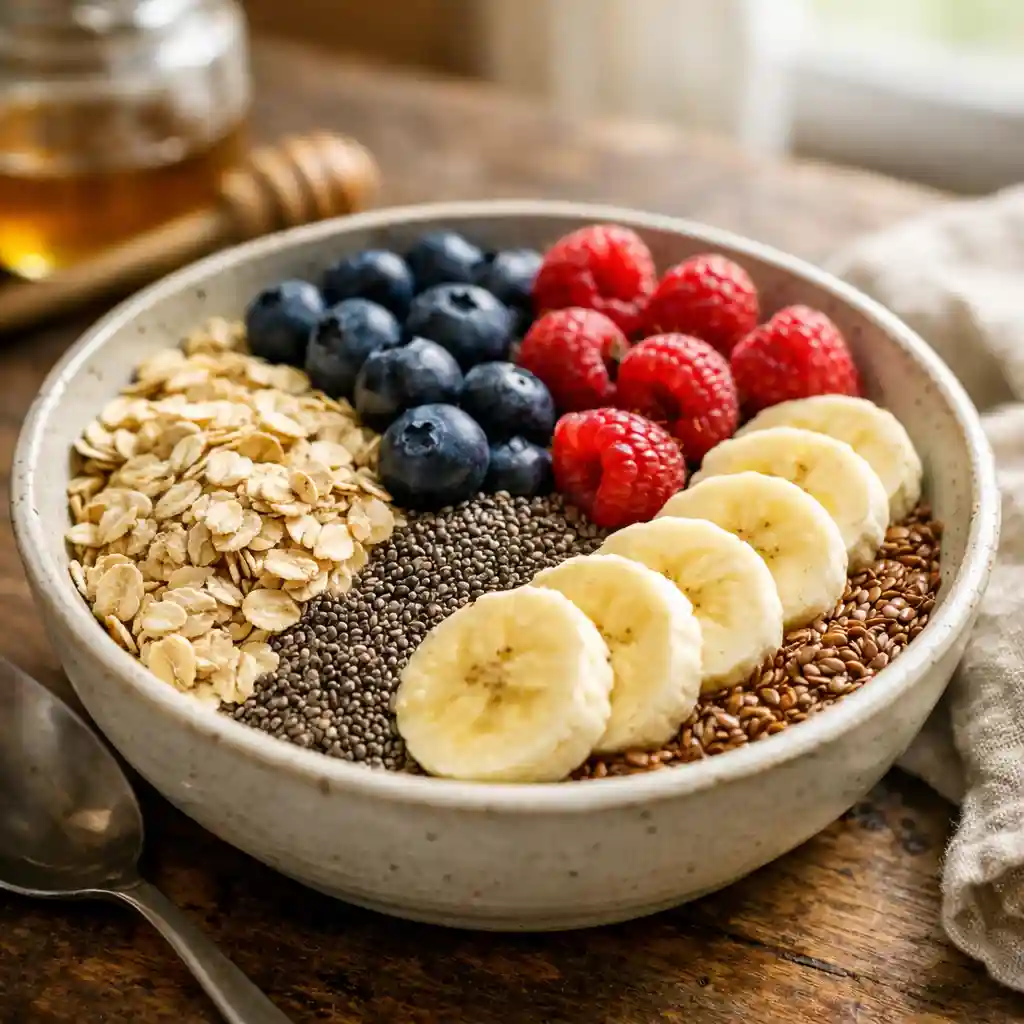
Fiber plays a key role in supporting gut microbiome health. It acts as fuel for beneficial bacteria in the digestive system, which may help maintain smoother digestion and regularity. Foods rich in prebiotic fiber—like oats, bananas, and legumes—are especially helpful in feeding these good bacteria.
Adding more fiber doesn’t have to be complicated. Even small changes, like including a balanced breakfast such as yogurt bowls with natural toppings, can contribute to better digestive health over time. The goal is consistency, not perfection.
Pro Tip: Start your fibermaxxing journey by adding one high-fiber food to each meal instead of changing everything at once. This makes the transition easier and more sustainable.
Types of Fiber That Support Gut Health
Not all fiber works the same way, and understanding the different types can make fibermaxxing gut health much more effective. When you include a variety of fiber sources in your meals, you support different parts of your digestive system while also helping your gut microbiome stay balanced.
Soluble vs Insoluble Fiber Explained
Soluble fiber dissolves in water and forms a gel-like texture in the digestive tract. It’s commonly found in foods like oats, apples, beans, and flaxseeds. This type of fiber is often associated with smoother digestion and may help you feel fuller after meals.
Insoluble fiber, on the other hand, doesn’t dissolve in water. It adds bulk to stool and helps food move through the digestive system more efficiently. You’ll find it in whole grains, vegetables, nuts, and seeds. Including both types in your fiber rich diet is key to maintaining healthy digestion habits.
A simple way to combine both is by eating balanced meals like oatmeal topped with fruits and seeds or trying recipes such as healthy overnight oats, which naturally include a mix of fiber types.
Resistant Starch and Prebiotic Fiber Benefits
Resistant starch and prebiotic fiber are especially important when talking about fibermaxxing gut health. These types of fiber aren’t fully digested in the small intestine—instead, they reach the colon where they feed beneficial gut bacteria.
Foods like green bananas, cooked and cooled rice, potatoes, and legumes are rich in resistant starch. Meanwhile, prebiotic foods like garlic, onions, oats, and certain fruits help support a healthy gut environment over time.
If you’re looking to include more gut-friendly drinks alongside fiber-rich meals, options like boiled apple tea for gut health are often mentioned in online communities for their comforting and simple approach to digestion support.
Pro Tip: Try mixing different fiber sources in one meal—like grains, veggies, and seeds—to naturally cover soluble, insoluble, and prebiotic fiber without overthinking it.
How Fibermaxxing Gut Health Works in the Body
To really understand fibermaxxing gut health, it helps to look at what happens inside your body when you consistently eat fiber-rich foods. This approach to fibermaxxing gut health focuses on feeding your digestive system in a way that supports balance, comfort, and regularity over time.
Role of Gut Microbiome in Digestion
Your gut is home to trillions of bacteria, often called the gut microbiome. These bacteria play a major role in breaking down food, especially fiber. When you follow a fibermaxxing gut health approach, you’re essentially giving these beneficial bacteria the fuel they need to function properly.
A diverse fiber rich diet encourages a wider variety of good bacteria, which may support smoother digestion and better nutrient absorption. Many people exploring fibermaxxing gut health mention that they start noticing more consistent digestion when they include plant-based fiber sources daily.
For example, meals that include legumes, vegetables, and whole grains—or even simple blends like juicer recipes for gut health—can contribute to feeding this internal ecosystem in a natural way.
How Fiber Feeds Beneficial Gut Bacteria
Fiber isn’t just about digestion—it also acts as nourishment for gut bacteria. In fibermaxxing gut health, this process is key. When fiber reaches the large intestine, it gets fermented by bacteria, producing compounds that are associated with gut balance and digestive comfort.
This is why consistency matters more than intensity in fibermaxxing gut health. Eating fiber occasionally won’t have the same effect as making it part of your daily routine. Many online discussions highlight that gradual changes—like adding fiber to each meal—feel more sustainable and easier to maintain.
Including simple, repeatable meals such as vegetable bowls, fruit-based snacks, or even light soups can support this process. Over time, fibermaxxing gut health becomes less of a trend and more of a natural way of eating that fits into everyday life.
Pro Tip: If you’re increasing fiber for the first time, pair it with enough water throughout the day—this helps your digestive system adjust more comfortably.
Best High-Fiber Foods for Fibermaxxing
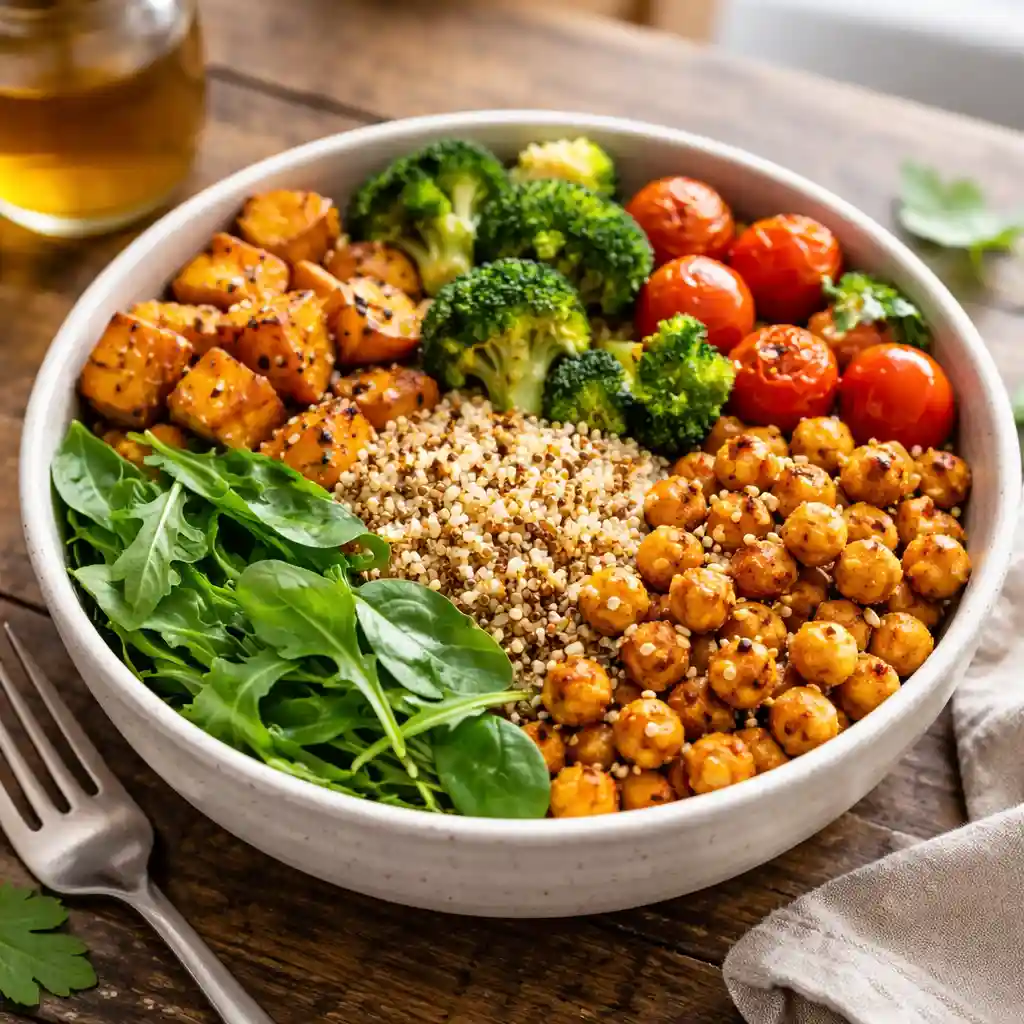
When it comes to fibermaxxing gut health, the foods you choose every day make the biggest difference. The goal isn’t to overhaul your entire diet overnight, but to gradually include more natural, fiber-rich ingredients that support digestion and keep your meals satisfying.
Fruits, Vegetables, and Legumes Rich in Fiber
Fruits and vegetables are some of the easiest ways to boost fiber intake. Apples, berries, carrots, broccoli, and leafy greens all contain valuable fiber that can support digestive health. Legumes like lentils, chickpeas, and black beans are also excellent choices, offering both fiber and plant-based nutrients.
Many people following fibermaxxing gut health trends often build simple meals around these foods—like veggie bowls, hearty soups, or even light dishes such as cucumber-based healthy recipes that feel refreshing and easy to prepare.
Adding variety is key here. Different plants provide different types of fiber, which helps support a more diverse gut microbiome over time.
Whole Grains and Seeds for Daily Fiber Intake
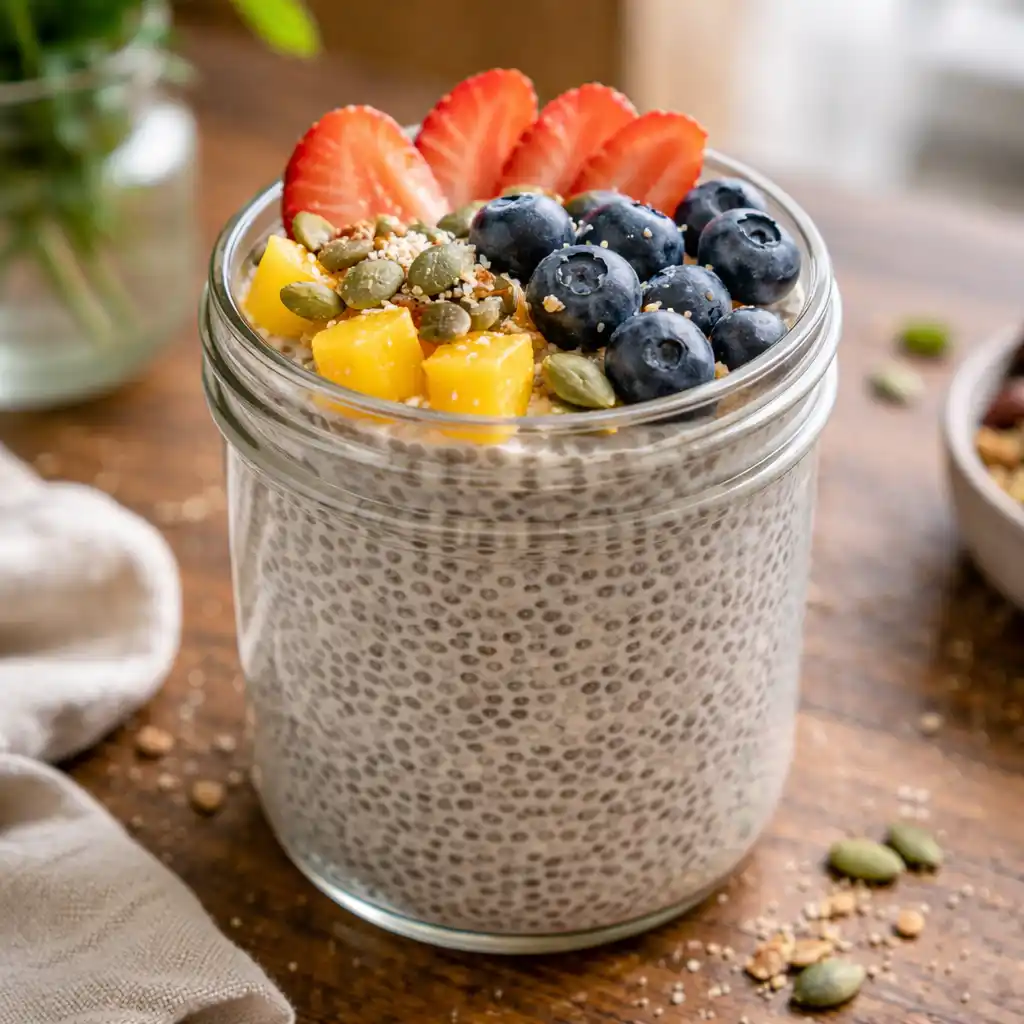
Whole grains like oats, brown rice, quinoa, and barley are staples in a fiber rich diet. They provide both soluble and insoluble fiber, making them a strong foundation for fibermaxxing gut health. Seeds like chia, flax, and pumpkin seeds are small but powerful additions that can easily be sprinkled into meals.
Breakfast is often the easiest place to start. Meals like oatmeal, smoothies, or bowls with grains and fruit can naturally increase your daily fiber intake. For example, simple options like healthy yogurt bowls or oats-based recipes can help you stay consistent without much effort.
The key is to keep things simple and repeatable. Fibermaxxing gut health works best when your meals are enjoyable, balanced, and easy to stick with long term.
Pro Tip: Keep a mix of frozen fruits, canned beans, and whole grains in your kitchen—they’re budget-friendly and make it easier to add fiber to meals anytime.
How to Start Fibermaxxing Gut Health Safely
Starting fibermaxxing gut health doesn’t mean jumping into a high-fiber diet overnight. In fact, taking it slow is one of the most important steps if you want this approach to feel comfortable and sustainable. A gradual shift allows your digestive system to adjust while still building better eating habits.
Gradually Increasing Fiber Intake Without Discomfort
When beginning fibermaxxing gut health, it’s best to add fiber little by little. For example, you might start by including one extra serving of vegetables or swapping refined grains for whole grains. Over time, these small changes add up and help your body adapt more smoothly.
Many people who try fibermaxxing gut health too quickly report feeling bloated or uncomfortable at first. That’s why pacing matters. Simple meals like soups, grain bowls, or even comforting options such as bean-based soups can be a gentle way to increase fiber without overwhelming your system.
Listening to your body is key here. If something feels too heavy, it’s okay to adjust portions or try different fiber sources.
Hydration and Digestion Balance
Fiber and water go hand in hand. As you increase fibermaxxing gut health habits, drinking enough fluids becomes essential. Water helps fiber move through the digestive tract more easily, which may support smoother digestion.
Some people like pairing fiber-rich meals with simple drinks such as natural hydration options to stay balanced throughout the day. While these aren’t required, staying hydrated can make a noticeable difference when increasing fiber intake.
Consistency is what makes fibermaxxing gut health effective. Instead of focusing on perfection, aim for steady habits—adding fiber, drinking enough water, and choosing whole foods regularly.
Pro Tip: If you feel bloated after increasing fiber, pause and adjust your portions slightly instead of stopping completely—your body often just needs time to adapt.
Common Mistakes in Fibermaxxing Gut Health
While fibermaxxing gut health is a simple and practical approach, there are a few common mistakes that can make the experience uncomfortable or less effective. Being aware of these can help you build a routine that feels balanced and easy to maintain.
Overconsumption of Fiber Too Quickly
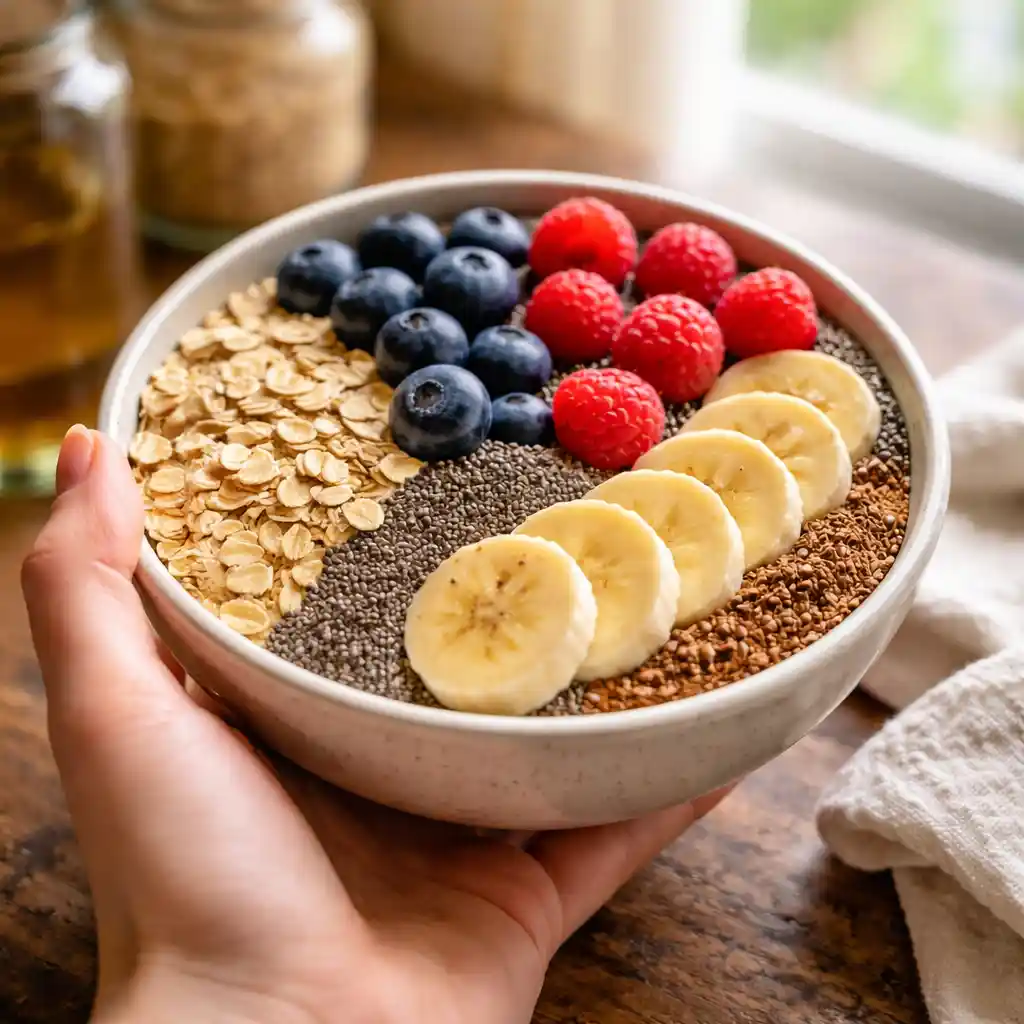
One of the most common issues people face with fibermaxxing gut health is adding too much fiber all at once. It might seem like more is better, but suddenly increasing fiber intake can lead to bloating or digestive discomfort.
Instead of rushing, it’s better to build gradually. For example, adding one fiber-rich meal per day or swapping in whole foods step by step works much better. Meals inspired by simple, balanced ideas—like Mediterranean-style recipes—can help introduce fiber in a natural and enjoyable way.
This steady approach allows your body to adapt without feeling overwhelmed.
Ignoring Gut Signals and Food Sensitivities
Another mistake in fibermaxxing gut health is ignoring how your body responds to different foods. Not all fiber sources work the same for everyone. Some people may find certain legumes or raw vegetables harder to digest, especially in the beginning.
That’s why paying attention to your body matters. If something doesn’t feel right, try adjusting the portion, cooking method, or type of fiber. For instance, softer, cooked meals or blended options like smoothie-based recipes can sometimes feel easier to digest than raw foods.
Fibermaxxing gut health should feel supportive, not restrictive. It’s about finding what works best for you while keeping your meals varied and enjoyable.
Pro Tip: Cook your vegetables instead of eating them raw when starting out—this can make fiber easier to digest and more comfortable for your gut.
Fibermaxxing Meal Ideas and Simple Recipes
One thing I’ve noticed while following conversations around fibermaxxing gut health is how people keep coming back to simple, repeatable meals. It’s rarely about complicated recipes. Instead, it’s about building plates that feel familiar, satisfying, and easy to prepare day after day.
Easy Breakfast, Lunch, and Dinner Ideas
Breakfast is often where many people begin their fibermaxxing gut health routine. A warm bowl of oats, a yogurt bowl topped with fruits and seeds, or even a simple congee-style dish can set the tone for the day. These meals are not only comforting but also naturally rich in fiber when built with whole ingredients.
For lunch and dinner, the idea is to keep things balanced. Think grain bowls with vegetables, legumes, and a light dressing, or soups that combine beans and vegetables. Many people lean toward meals inspired by real-life routines, such as simple gut-friendly recipes that focus on whole foods without overcomplicating the process.
Dinner, especially, is where fibermaxxing gut health can feel most grounding. A warm, fiber-rich meal at the end of the day often becomes a habit that people look forward to rather than a task.
Snacks That Support Gut-Friendly Eating
Snacking is another opportunity to support fibermaxxing gut health without much effort. Instead of reaching for processed options, many people are choosing snacks like fruit with seeds, small bowls of oats, or even light smoothies.
Simple combinations—like apples with chia seeds or blended drinks—fit naturally into a fiber-focused routine. Some even explore comforting options like apple-based drinks for digestion as part of their evening habit.
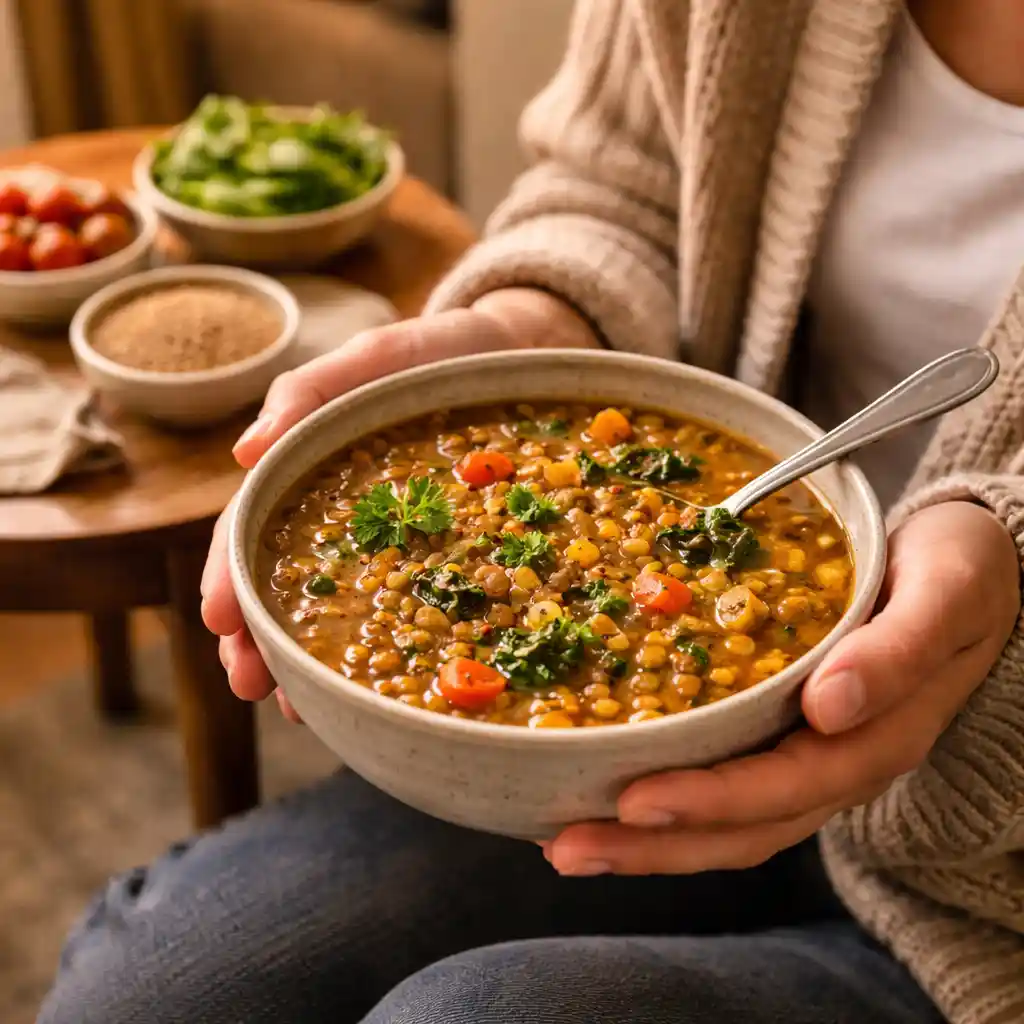
What stands out in these routines is consistency. People who stick with fibermaxxing gut health often don’t rely on perfection—they just repeat simple, nourishing choices daily.
Pro Tip: Build 2–3 go-to meals you enjoy and rotate them during the week. This makes fibermaxxing gut health easier to follow without constantly thinking about what to eat.
Trends and Social Insights About Fibermaxxing
If you spend a little time online, it’s clear that fibermaxxing gut health isn’t just a nutrition idea—it’s becoming part of everyday conversations. From TikTok “what I eat in a day” videos to Reddit threads breaking down digestion habits, people are sharing real experiences and simple routines that feel doable.
What People on TikTok and Reddit Are Saying
Many creators talking about fibermaxxing gut health focus on adding—not restricting. You’ll often see meals built around oats, chia seeds, vegetables, and legumes, all presented in a relaxed, no-pressure way. The emphasis is usually on feeling more balanced after meals rather than chasing quick results.
On Reddit, discussions tend to go deeper. People share what worked for them, like slowly increasing fiber or pairing meals with hydration. Some also mention adding simple drinks such as chia-based hydration options or light teas alongside meals to support their routine.
What stands out is that most people agree on one thing: consistency matters more than perfection when following fibermaxxing gut health habits.
Real-Life Experiences and Practical Takeaways
Across different platforms, the most common takeaway is to keep things simple. People who succeed with fibermaxxing gut health often stick to a few reliable meals and adjust based on how they feel. There’s no one-size-fits-all plan, and that flexibility is part of what makes this approach appealing.
Another pattern is that many prefer whole, recognizable foods over complicated recipes. Meals like grain bowls, soups, and fruit-based snacks come up repeatedly. Even basic combinations—like vegetables with legumes or oats with seeds—are enough to support a fiber-focused routine.
Over time, fibermaxxing gut health becomes less about following a trend and more about building a rhythm that fits into daily life.
Pro Tip: Pay attention to how your body feels after meals and adjust your fiber sources accordingly—your best routine is the one that feels comfortable and sustainable.
Long-Term Benefits of Fibermaxxing Gut Health
When people stick with fibermaxxing gut health over time, the real value often comes from consistency rather than quick changes. This approach is less about short-term results and more about building daily habits that support digestion and overall balance in a natural way.
Digestive Comfort and Regularity
One of the most talked-about benefits of fibermaxxing gut health is improved digestive comfort. When fiber becomes a regular part of meals, many people notice more predictable digestion patterns and fewer ups and downs throughout the day.
This happens because a steady intake of fiber helps keep things moving smoothly in the digestive system. Meals that include whole grains, fruits, vegetables, and legumes contribute to this rhythm. Simple additions—like oats in the morning or fiber-rich snacks—can make a noticeable difference over time.
Some people also pair their meals with light, supportive drinks such as herbal tea options to create a more calming daily routine around digestion.
Overall Wellness and Balanced Eating Habits
Beyond digestion, fibermaxxing gut health often leads to more balanced eating habits overall. When meals are built around fiber-rich foods, they tend to feel more filling and satisfying, which naturally supports better portion control and mindful eating.
Another long-term benefit is the shift toward whole, less processed foods. Many who follow fibermaxxing gut health find themselves choosing meals that are simpler and more nourishing without needing strict rules.
Over time, this approach becomes part of a lifestyle rather than a temporary change. The focus stays on adding good foods, staying consistent, and enjoying meals that feel both satisfying and supportive.
Pro Tip: Focus on building a daily routine rather than chasing perfect meals—small, consistent choices are what make fibermaxxing gut health work long term.
FAQs About Fibermaxxing Gut Health
What is fibermaxxing gut health?
Fibermaxxing gut health is a way of eating that focuses on increasing fiber intake through whole foods like fruits, vegetables, grains, and legumes. The goal is to support digestion and create balanced eating habits without strict rules or extreme changes.
How much fiber should I eat daily?
Daily fiber needs can vary, but many general guidelines suggest around 25–38 grams per day for adults. Instead of focusing only on numbers, fibermaxxing gut health encourages gradually adding fiber-rich foods into your meals so your body can adjust comfortably.
Can too much fiber be harmful?
Yes, increasing fiber too quickly can lead to bloating or discomfort. That’s why fibermaxxing gut health works best when done gradually, along with proper hydration. Listening to your body is important as you adjust your intake.
What are the best foods for gut health?
Some of the best foods for fibermaxxing gut health include oats, beans, lentils, fruits, vegetables, seeds, and whole grains. Simple meals like overnight oats or balanced bowls with plant-based ingredients are often easy ways to include more fiber.
How long does it take to notice changes?
Results can vary from person to person. Some people notice small changes in digestion within a few days, while for others it may take a few weeks of consistent fibermaxxing gut health habits to feel a difference.
Is fibermaxxing suitable for everyone?
Fibermaxxing gut health can work for many people, but individual needs differ. If you have specific digestive concerns or medical conditions, it’s always a good idea to speak with a qualified professional before making major dietary changes.Pro Tip: Keep your meals simple and consistent—fibermaxxing gut health works best when it becomes part of your everyday routine, not something complicated.
Conclusion: Building a Sustainable Fibermaxxing Gut Health Routine
At the end of the day, fibermaxxing gut health is really about keeping things simple and consistent. Instead of chasing complicated plans, this approach focuses on adding more whole, fiber-rich foods into your daily meals in a way that feels natural and manageable.
As you continue with fibermaxxing gut health, you may find that small habits—like choosing oats for breakfast, adding vegetables to lunch, or including legumes in dinner—start to become second nature. Over time, these choices can support a more balanced way of eating without feeling restrictive.
It also helps to stay inspired with easy, practical ideas. You can always discover great ideas like simple gut-friendly meals to keep your routine fresh and enjoyable. And if you enjoy exploring new food trends and recipes, feel free to connect and get more inspiration on Facebook or browse visual ideas on Pinterest.
Fibermaxxing gut health isn’t about perfection—it’s about building a rhythm that works for you. Keep your meals balanced, listen to your body, and stay consistent. That’s where the real value comes from.
This article is shared for informational purposes and is not a substitute for medical advice.