I first came across the gabriela smoothie when I noticed people on TikTok and Reddit sharing their favorite colorful breakfast blends. Everyone seemed to have their own twist—some added tropical fruit, others mixed in yogurt or seeds. It made me curious. What exactly is a gabriela smoothie, and why are so many home cooks talking about it?
In this article, I’ll walk you through everything you need to know about the gabriela smoothie—what it is, what goes into it, how to make it at home, and how to adjust it to fit your taste and lifestyle. Whether you’re looking for a quick breakfast drink, a creamy blended smoothie after a workout, or just a fresh fruit smoothie to brighten your morning, this guide is for you.
The gabriela smoothie is typically a homemade smoothie recipe built around fresh fruit, a creamy base like yogurt or plant-based milk, and optional add-ins such as chia seeds or nut butter. It’s simple, flexible, and easy to adapt. If you enjoy trying different healthy drink ideas, you might also like this best smoothie recipe for losing weight, which shares more inspiration for balanced blends.
Throughout this guide, you’ll learn:
- The core ingredients that define a gabriela smoothie
- How to make it step by step without overcomplicating things
- Easy variations like plant-based smoothie options
- Tips for storage, meal prep, and family-friendly versions
- Answers to the most common questions people ask online
From my experience in the kitchen, the best smoothies are the ones that fit your routine. So instead of chasing trends, this article focuses on practical, real-life tips. By the end, you’ll feel confident making your own gabriela smoothie at home—simple, refreshing, and tailored to you.
This recipe is shared for informational purposes and is not a substitute for medical advice.
What Is a Gabriela Smoothie?
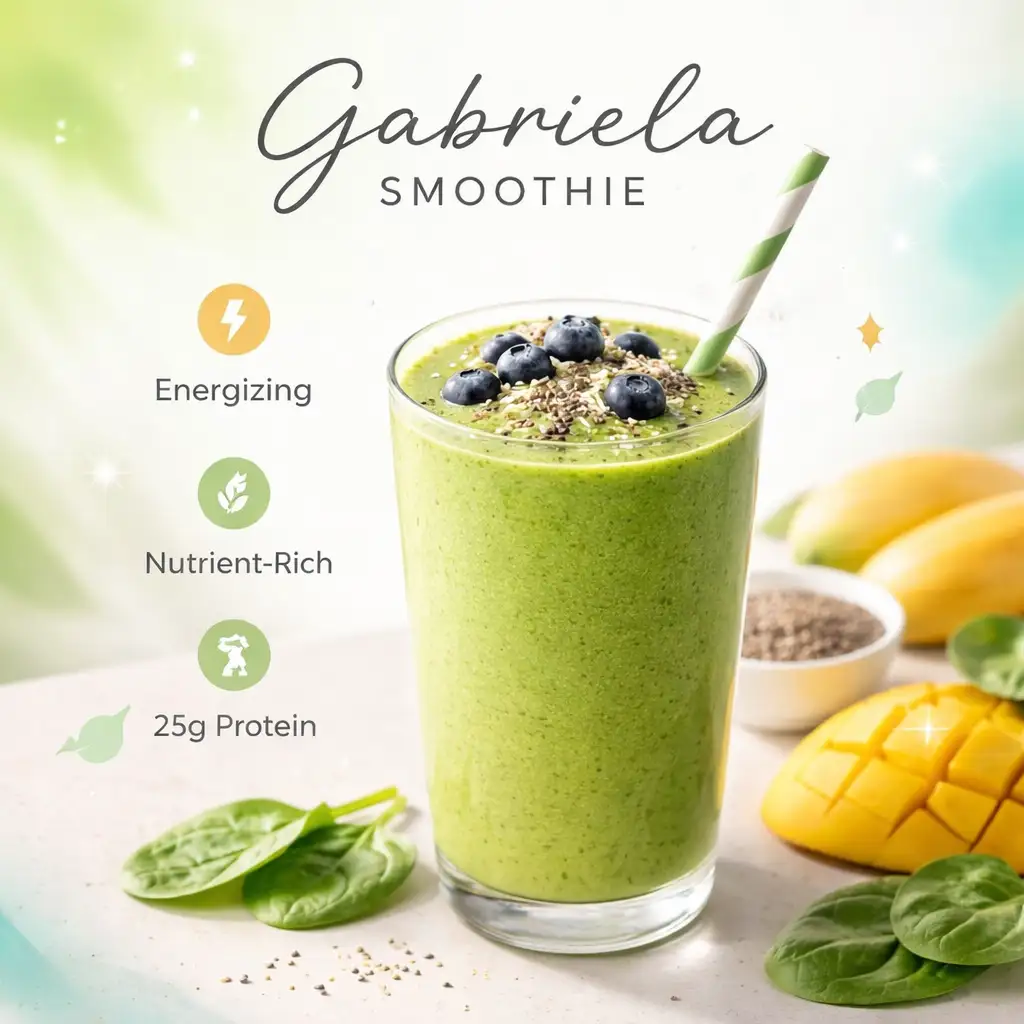
The gabriela smoothie is a fresh fruit smoothie built around simple, wholesome ingredients blended into a creamy, satisfying drink. While there isn’t one single official recipe, most versions include a mix of ripe fruit, a smooth base like Greek yogurt or plant-based milk, and optional add-ins such as chia seeds, nut butter, or natural sweeteners. That flexibility is exactly why so many people love it—it fits different tastes, routines, and dietary needs.
The Inspiration Behind the Gabriela Smoothie
Many people describe the gabriela smoothie as a colorful, tropical smoothie blend that feels both comforting and refreshing. Online conversations often connect it to balanced breakfast habits or light afternoon snacks. Unlike extreme “detox” trends, this homemade smoothie recipe focuses on real food ingredients you can find in any grocery store.
If you enjoy experimenting with fruit-based blends, you might also like this Island Green detox tropical smoothie, which shows how leafy greens and fruit can work beautifully together in a creamy blended smoothie.
Why It’s Trending on Social Media
On TikTok and Reddit, people often share their own gabriela smoothie variations—some make it dairy-free, others turn it into a high-protein breakfast drink. What stands out is how adaptable it is. You can keep it light and fruity, or make it more filling depending on your goals and daily needs.
For those looking to understand how smoothies can fit into a balanced routine, this weight loss smoothie guide offers broader insights into building satisfying, nutrient-dense blends without overcomplicating things.
Pro Tip: Start with frozen fruit instead of ice. It makes your gabriela smoothie thicker, colder, and more naturally sweet without watering down the flavor.
The beauty of the gabriela smoothie is that it’s not about strict rules. It’s about combining fresh ingredients in a way that tastes good and works for your lifestyle.
Key Ingredients in a Gabriela Smoothie
At its core, the gabriela smoothie is all about balance—natural sweetness from fruit, creaminess from a smooth base, and optional boosters for texture and staying power. You don’t need anything fancy. In fact, the best versions are often the simplest.
Core Fruits and Fresh Components
Most gabriela smoothie recipes start with 1–2 cups of fruit. Popular choices include bananas, strawberries, mango, pineapple, or blueberries. Bananas add natural sweetness and thickness, while berries bring brightness and color. Mango and pineapple give that tropical smoothie blend vibe many people love.
For the liquid base, you can use:
- Almond milk or oat milk for a plant-based smoothie
- Dairy milk for a classic creamy texture
- Greek yogurt for extra richness
- Coconut water for a lighter, refreshing finish
If you’re curious about adding more nutrient-dense ingredients to fruit blends, this guide on chia seeds in fruit smoothies shares simple ideas for boosting texture and fiber naturally.
Optional Add-Ins for Flavor and Texture
Once you have your fruit and base, you can customize your gabriela smoothie depending on your needs. Some common additions include:
- Chia seeds or flaxseeds
- Nut butter for a creamy blended smoothie
- Spinach for a green twist
- A scoop of protein powder
- Cinnamon or vanilla extract for warmth
If you enjoy experimenting with different healthy drink combinations, you may also find inspiration in this collection of healthy drinks for weight loss, which shows how simple ingredients can create satisfying blends.
Pro Tip: Always blend liquids first, then soft ingredients, and frozen items last. This helps your blender run smoothly and prevents chunks in your gabriela smoothie.
The beauty of this homemade smoothie recipe is that it adapts to you. Whether you prefer a thick breakfast smoothie or a light natural fruit drink, the ingredient list can be adjusted without losing its character.
Nutritional Profile of a Gabriela Smoothie
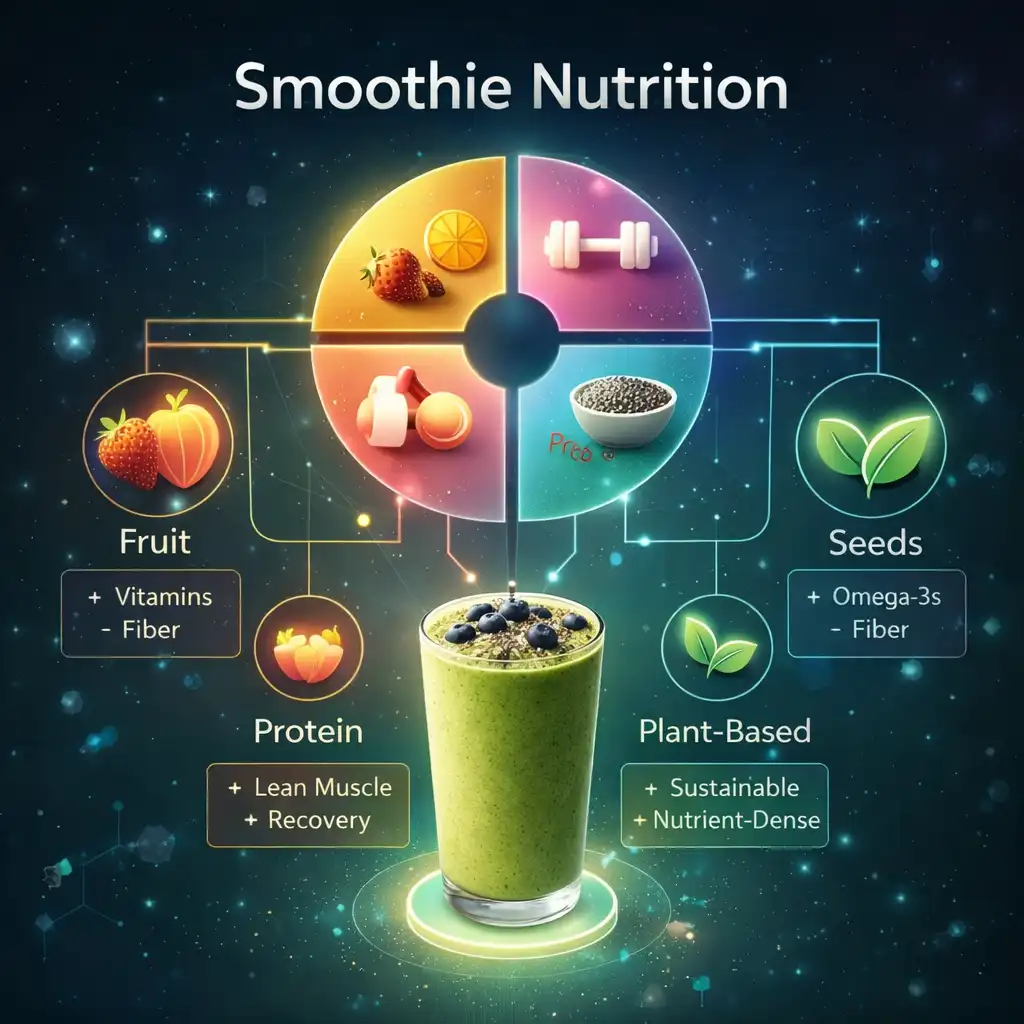
The gabriela smoothie is often appreciated for its simple ingredient list and balanced flavor, but many people also wonder what makes a gabriela smoothie feel so satisfying. Because the gabriela smoothie usually combines whole fruit, a creamy base, and optional seeds or protein, it naturally contains fiber, carbohydrates, and small amounts of healthy fats depending on your choices.
When you prepare a gabriela smoothie with berries and banana, you’re adding vitamin C, potassium, and natural fruit sugars that provide quick energy. If your gabriela smoothie includes Greek yogurt or a plant-based alternative, you may also get protein and calcium, which help make the drink more filling. The exact nutrition of a gabriela smoothie always depends on portion size and ingredients, so it’s helpful to measure thoughtfully.
Some people like to turn their gabriela smoothie into a more nutrient-dense option by adding spinach, chia seeds, or nut butter. In that case, the gabriela smoothie may provide extra fiber and healthy fats that support fullness throughout the morning. For readers who enjoy experimenting with blended drinks, this heavy metal detox smoothie recipe shows how leafy greens and fruit can be combined in creative ways.
It’s important to remember that while a gabriela smoothie can be part of a balanced lifestyle, it’s not a miracle drink. On Reddit and Quora, many users share their own versions of the gabriela smoothie as a quick breakfast smoothie or post-workout snack, but results vary from person to person. From my kitchen experience, consistency and overall eating habits matter more than any single gabriela smoothie recipe.
Pro Tip: If you want your gabriela smoothie to feel more filling, add a tablespoon of chia seeds or a scoop of plain protein powder. Small changes can make your smoothie more satisfying without changing the flavor too much.
This recipe is shared for informational purposes and is not a substitute for medical advice.
How To Make a Gabriela Smoothie at Home
Making a gabriela smoothie at home is simple, quick, and budget-friendly. You don’t need special equipment beyond a standard blender, and you can adjust the ingredients based on what you already have in your kitchen.
Step-by-Step Preparation Guide
Here’s a basic method you can follow:
- Add 1 cup of liquid to your blender (almond milk, oat milk, dairy milk, or coconut water).
- Add 1 cup of fresh or frozen fruit such as banana, berries, or mango.
- Add ½ cup yogurt if you want extra creaminess.
- Include optional add-ins like chia seeds, spinach, or nut butter.
- Blend for 30–60 seconds until smooth and creamy.
If you’re trying to build a more structured smoothie routine, this best smoothie recipe for losing weight shares helpful blending ratios that keep flavors balanced and satisfying.
Common Mistakes to Avoid
Even though the gabriela smoothie is simple, a few small mistakes can affect the texture and taste:
- Adding too much liquid, which makes it watery
- Skipping frozen fruit, resulting in a thin consistency
- Overloading with sweeteners when fruit is already naturally sweet
- Not blending long enough for seeds or greens to break down
If you enjoy blending fruits and vegetables together, you might also find inspiration in this refreshing pineapple cucumber detox drink, which shows how contrasting flavors can work beautifully in a healthy breakfast drink.
Pro Tip: Taste your smoothie before pouring it into a glass. If it’s too thick, add one tablespoon of liquid at a time. If it’s too thin, toss in a few frozen fruit pieces and blend again.
The beauty of making a gabriela smoothie at home is control—you decide the sweetness, thickness, and nutritional balance without relying on store-bought versions filled with added sugars.
Creative Variations of This Smoothie Blend
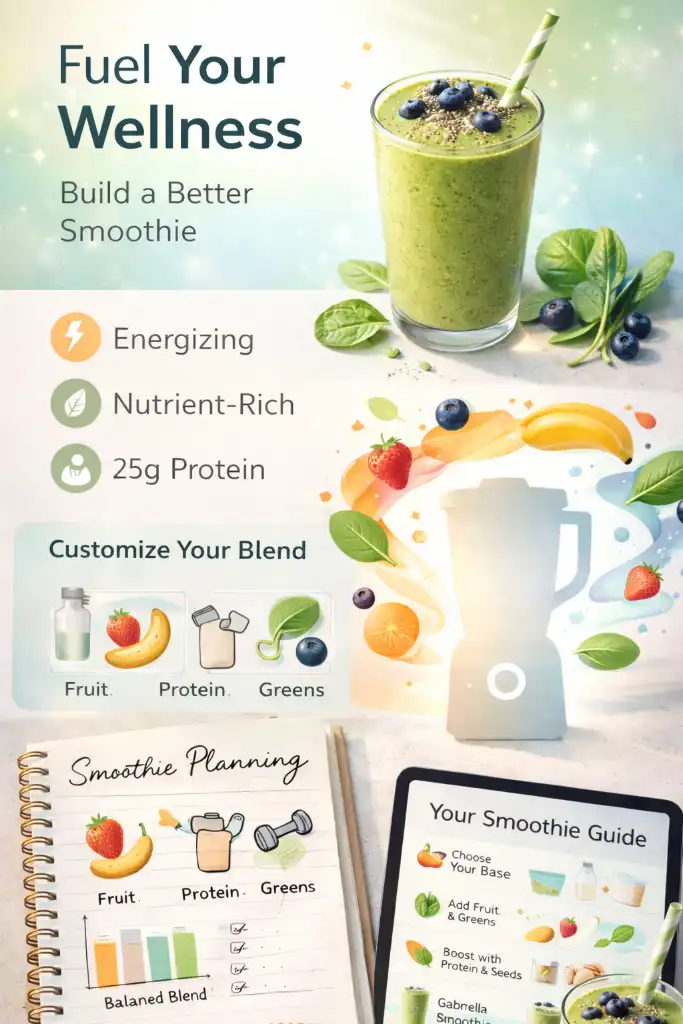
One reason this fruit-based drink has gained attention is how easy it is to customize. While the classic version keeps things simple, you can adjust the ingredients to match your dietary needs, taste preferences, or even the season. A gabriela smoothie can feel tropical in the summer or cozy and creamy in the winter with just a few swaps.
Dairy-Free and Plant-Based Options
If you prefer a plant-based smoothie, replace dairy milk with almond, oat, or coconut milk. You can also skip yogurt and use frozen banana or soaked cashews for creaminess. Many people online say their dairy-free gabriela smoothie feels lighter but still satisfying. Adding mango or pineapple keeps the texture smooth without needing extra sweeteners.
For more blended inspiration using whole ingredients, check out this refreshing celery cucumber ACV cooler, which highlights how fresh produce can create vibrant drinks without complicated steps.
High-Protein and Energy-Focused Twists
If you want your smoothie to double as a filling breakfast drink, consider adding Greek yogurt, protein powder, or nut butter. These additions may help you feel full longer, depending on your overall diet. A gabriela smoothie made with berries, peanut butter, and a scoop of protein creates a creamy, balanced option that works well after light exercise.
Some readers who enjoy experimenting with nutrient-dense beverages also like this chia drink, especially for its texture and fiber content.
Pro Tip: When adding protein powder to your smoothie, start with half a scoop first. Blend and taste before adding more so you don’t overpower the natural fruit flavor.
No matter which direction you take, the goal is balance. Whether you prefer a tropical twist, a green variation, or a protein-rich blend, the beauty of a homemade smoothie is flexibility. Small ingredient changes can completely shift the flavor while keeping the drink simple and practical.
When and How to Enjoy a Gabriela Smoothie
Timing can make a difference in how satisfying your gabriela smoothie feels. Many people enjoy it as a quick breakfast smoothie because it’s fast to prepare and easy to take on the go. If your mornings feel rushed, blending fruit, milk, and a few add-ins can be simpler than cooking a full meal.
Best Time of Day to Drink It
A gabriela smoothie works well in the morning since it combines natural carbohydrates from fruit with protein or healthy fats if you choose to add them. Some readers also like having a gabriela smoothie in the afternoon as a light snack instead of reaching for processed options. It can feel refreshing without being too heavy.
If you’re building a structured morning routine, you might also enjoy browsing these high protein breakfast ideas for weight loss, which show how smoothies and solid meals can fit together in a balanced way.
Pairing Ideas for a Balanced Meal
While a gabriela smoothie can stand alone, pairing it with something small can make it more complete. Consider:
- A boiled egg for extra protein
- A slice of whole-grain toast
- A handful of nuts
- A small bowl of oatmeal
If you enjoy lighter drink pairings, this guide to a natural alternative to Gatorade shares ideas for homemade hydration options that complement fruit-based blends.
Pro Tip: If you’re drinking your smoothie after exercise, try adding a pinch of sea salt and a spoon of nut butter. That small tweak can make your drink more satisfying without complicating the recipe.
The key is flexibility. Whether you sip your gabriela smoothie at sunrise or mid-afternoon, it should fit comfortably into your routine—not feel like a strict rule.
Storage Tips and Meal Prep Ideas
One thing I’ve learned after making many smoothies at home is that planning ahead makes everything easier. A gabriela smoothie tastes best when it’s freshly blended, but with a little preparation, you can save time during busy mornings without sacrificing flavor or texture.
How to Store It Properly
If you need to prepare your drink in advance, pour the smoothie into an airtight glass jar and fill it as close to the top as possible. Less air means slower oxidation, which helps preserve color and freshness. Store it in the refrigerator and try to drink it within 24 hours. The flavor of a gabriela smoothie is brightest on the first day, especially when it contains banana or berries.
Before drinking, give the jar a good shake. Natural separation is normal, especially if your smoothie includes seeds or nut butter.
Can You Freeze It?
Yes, you can freeze a gabriela smoothie, but texture may slightly change after thawing. A practical approach is to freeze individual portions in freezer-safe containers or even ice cube trays. Later, blend the frozen cubes with a splash of milk to refresh the consistency.
Another smart option is prepping “smoothie packs.” Add chopped fruit and greens into freezer bags ahead of time. When you’re ready, just dump the contents into a blender, add your liquid base, and blend. This method keeps your gabriela smoothie routine simple and consistent.
If you enjoy preparing drinks in advance, you might also find helpful ideas in this guide to weight loss meal prep, which shares practical planning strategies for busy weeks.
Pro Tip: Label your freezer smoothie packs with the date and ingredients. It sounds basic, but it prevents waste and keeps your flavor combinations organized.
Planning doesn’t have to feel complicated. With a few small habits, you can make your smoothie routine smoother, more predictable, and easier to maintain long term.
Gabriela Smoothie and Online Trends
If you’ve spent any time on TikTok or Reddit lately, you’ve probably seen colorful smoothie jars labeled with creative names. The gabriela smoothie has quietly joined that wave, not because it promises extreme results, but because it looks beautiful, tastes fresh, and feels practical for everyday life.
Why Social Media Is Talking About It
Many creators share their version of the gabriela smoothie as part of a “realistic morning routine.” Instead of complicated detox challenges, they show simple fruit blends with ingredients already in the kitchen. That relatability makes the trend stick. People appreciate recipes that feel doable.
Some users compare their homemade blends to store-bought versions and realize they can control sweetness and portion size better at home. If you enjoy experimenting with different blended flavors, you might also like this vibrant beet juice recipe blender, which highlights how bold colors and simple produce can create eye-catching drinks.
Common Questions People Ask Online
On Quora and Reddit, recurring questions include:
- Is this smoothie filling enough for breakfast?
- Can I make it dairy-free?
- What’s the best fruit combination?
- How can I make it thicker without adding sugar?
The answers usually point back to customization. A gabriela smoothie isn’t one fixed formula—it’s a flexible fruit-based drink you can adjust depending on your goals and taste preferences.
If you enjoy exploring different hydration ideas that circulate online, this guide to detox water for weight loss shows how trends often start simple and evolve with personal tweaks.
Pro Tip: When trying a trending smoothie variation you saw online, change just one ingredient at a time. That way, you’ll know exactly what improved the flavor—or what didn’t.
Trends come and go, but simple, balanced recipes tend to stay. The reason the gabriela smoothie keeps popping up is that it’s adaptable, colorful, and easy to make without overthinking it.
Tips for Customizing Your Gabriela Smoothie
Personalizing your drink is where things get fun. A gabriela smoothie is flexible by design, which means you can adjust sweetness, thickness, and nutrition without losing its fresh character. Instead of following one strict formula, think of this smoothie as a base you can gently reshape to match your mood or pantry.
Adjusting Sweetness and Thickness
If your gabriela smoothie tastes too tart, add half a ripe banana or a few mango chunks rather than reaching for refined sugar. Fruit keeps the flavor natural and balanced. On the other hand, if the smoothie feels overly sweet, squeeze in a little lemon juice or add plain yogurt to soften the taste.
Thickness also matters. For a spoonable bowl-style version, reduce the liquid and use frozen fruit. For a lighter drink, increase milk or coconut water slightly. A gabriela smoothie should feel satisfying but still easy to sip.
If you’re curious about naturally sweet flavor combinations, this refreshing calamansi drink shows how citrus can brighten a beverage without overpowering it.
Making It Family-Friendly
When serving a gabriela smoothie to kids or family members, presentation can make a difference. Pour it into a clear glass, add a few sliced strawberries on top, or sprinkle chia seeds lightly for texture. Small details make homemade drinks feel special.
You can also turn your gabriela smoothie into smoothie pops by freezing the blend in molds. It’s a simple way to reduce waste while creating a fun snack option.
If you enjoy creative drink ideas for different occasions, you might also like these playful dirty soda recipes, which show how small twists can transform everyday beverages.
Pro Tip: Keep a “smoothie notebook” in your kitchen. Write down what ingredients you used and how it tasted. Over time, you’ll create your own reliable formula that works every time.
At the end of the day, customization is what makes this drink sustainable. When your smoothie reflects your taste and routine, it becomes a habit—not just a trend.
Frequently Asked Questions About Gabriela Smoothie
Many readers still have practical questions before trying a new recipe. Below are clear, honest answers to the most common things people ask about the gabriela smoothie. (Use Markdown clickable internal links only. No HTML. No raw URLs outside anchor text.)
What is a gabriela smoothie made of?
A gabriela smoothie is usually made with fresh or frozen fruit, a creamy base like milk or yogurt, and optional add-ins such as chia seeds, nut butter, or leafy greens. There isn’t one strict formula, which makes it flexible and easy to adapt.
Is a gabriela smoothie good for breakfast?
Yes, many people enjoy a gabriela smoothie as a quick breakfast smoothie because it combines fruit and protein in one glass. To make it more filling, consider adding Greek yogurt or nut butter. If you’re looking for more structured morning ideas, you can also browse these high protein breakfast ideas for weight loss.
Can I make it without dairy?
Absolutely. A gabriela smoothie can be completely dairy-free by using almond milk, oat milk, coconut milk, or even coconut water. Frozen banana also helps create creaminess without yogurt.
How long does it last in the fridge?
A gabriela smoothie is best enjoyed fresh, but it can last up to 24 hours in an airtight container in the refrigerator. Shake well before drinking, as separation is natural.
Can I add protein powder?
Yes, you can add protein powder to your gabriela smoothie. Start with a small amount and adjust gradually to avoid overpowering the fruit flavor.
Is it suitable for kids?
In most cases, yes. Since a gabriela smoothie is fruit-based, it can be a colorful and appealing option for children. You can control the ingredients and sweetness, which many parents prefer over packaged drinks.
Pro Tip: When introducing smoothies to kids, let them choose one fruit to add. That small involvement often makes them more excited to drink it.
This recipe is shared for informational purposes and is not a substitute for medical advice.
Final Thoughts on the Gabriela Smoothie
After looking at the ingredients, variations, storage tips, and common questions, one thing becomes clear: the gabriela smoothie is simple by design. It’s not built around strict rules or extreme claims. Instead, the gabriela smoothie works because it’s adaptable, colorful, and easy to prepare at home.
If you’re new to making smoothies, start basic. A banana, a handful of berries, and your favorite milk can create a balanced gabriela smoothie in under five minutes. From there, you can experiment slowly—maybe add chia seeds one week, spinach the next. Small adjustments help you discover what truly fits your routine.
Many readers who enjoy fruit-based drinks also explore other refreshing options like this healthy drinks for weight loss, especially when building consistent kitchen habits. The goal isn’t perfection. It’s finding combinations that feel realistic for everyday life.
If you try your own version of the gabriela smoothie, I’d love for you to share your twist with our community. You can connect with us on Facebook or browse visual inspiration on Pinterest. Seeing how others personalize their smoothies often sparks new ideas.
At the end of the day, a gabriela smoothie is just fruit, a blender, and a few thoughtful choices. Keep it simple, keep it balanced, and most importantly, make it yours.
This recipe is shared for informational purposes and is not a substitute for medical advice.