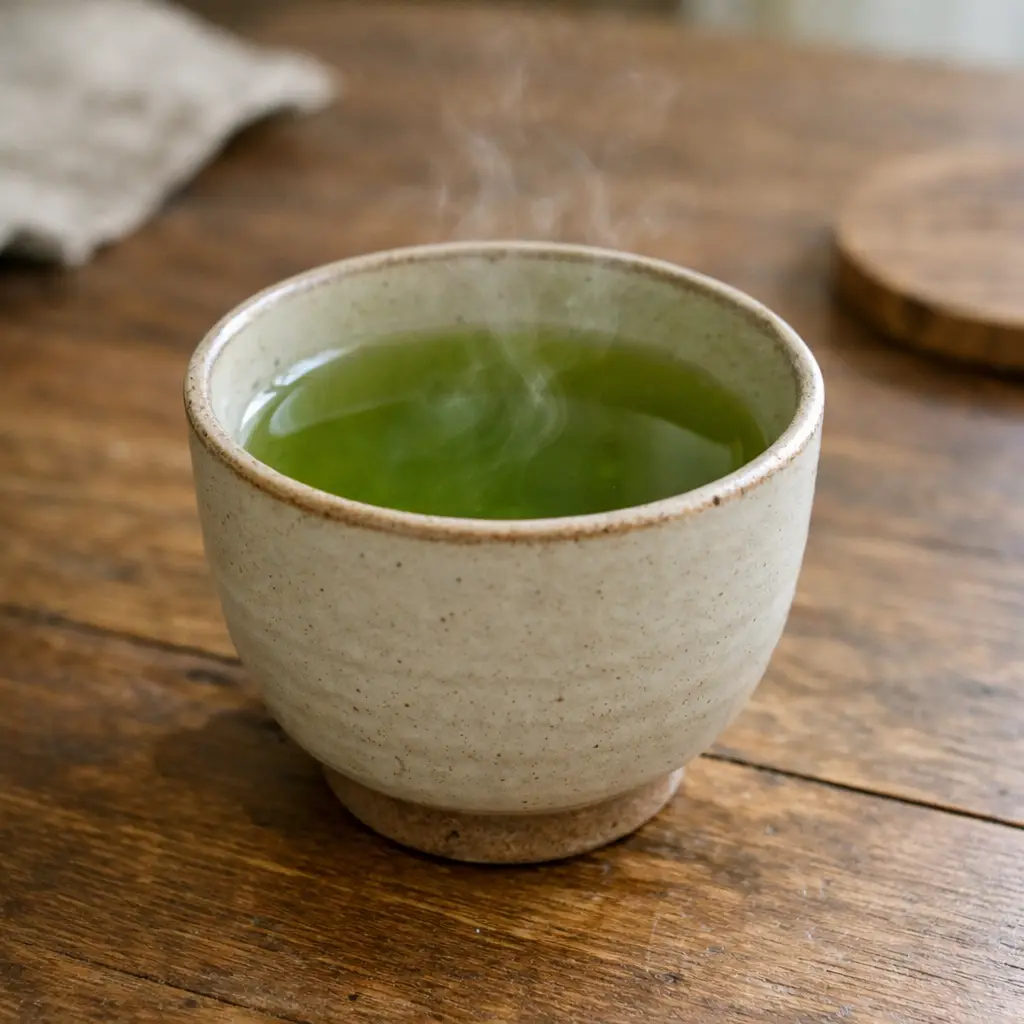
I still remember the first time I tried green tea during a long layover in Tokyo. It wasn’t just a drink—it felt like a calming ritual. That earthy aroma and subtle bitterness caught me off guard, but after a few sips, I felt something shift. Over time, it became a staple in my mornings, not just for taste, but for how it made me feel—light, focused, and grounded. Since then, I’ve come to appreciate green tea not just as a beverage but as a daily companion in my wellness journey.
In this article, we’re diving into the real-life wellness value of green tea—not from a medical textbook, but from lived experience, common questions, and cultural wisdom. Whether you’re a curious beginner or someone already sipping your daily cup, this guide is for you.
We’ll look at what really happens when you drink green tea every day, uncover its top 5 potential health benefits, and answer burning questions like: What organ does green tea support the most? and When is the best time to drink it? You’ll also learn how to brew it the right way to keep those good things intact.
Looking for inspiration? Try our guide on how to brew green tea to keep every cup fresh and flavorful.
Let’s begin this journey into the heart of green tea and why it continues to be cherished around the world.
Introduction to Green Tea and Its Rise in Wellness
What is Green Tea?
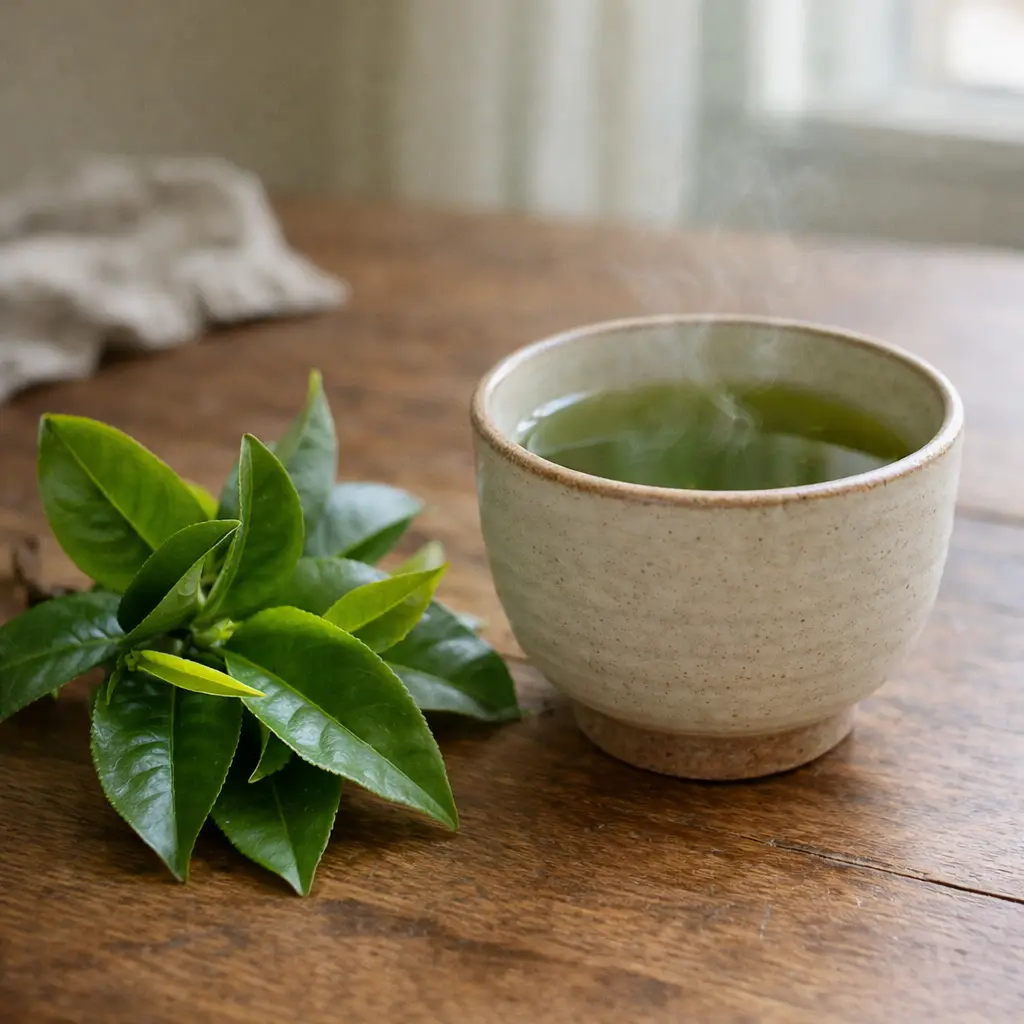
Green tea is made from the leaves of the Camellia sinensis plant, just like black or oolong teas. The difference lies in how the leaves are processed—green tea is minimally oxidized, helping preserve its color, flavor, and beneficial plant compounds. For centuries, it’s been sipped in Japan, China, and beyond as more than just a drink. From ceremonial matcha bowls to everyday brews, green tea holds a special place in both cultural tradition and wellness habits.
A Brief Look at Green Tea Around the World
From my travels and chats with friends, it’s clear that green tea is more than just a trend—it’s a global staple. In Japan, it’s served in every home and restaurant. In Morocco, green tea is often mixed with mint and shared in social gatherings. The wide appeal makes sense when you consider the green tea health benefits people report across cultures—support for digestion, mental clarity, and a calm energy that feels very different from coffee.
In recent years, conversations on platforms like Reddit and wellness corners of TikTok are buzzing about green tea health benefits. People are swapping stories, from feeling more energized in the morning to managing afternoon cravings. There’s no doubt that green tea has found its place in modern wellness routines.
Pro Tip: Choose loose leaf or high-quality bagged green tea for better taste and more benefits. The fresher the leaves, the more potent the effect. Don’t over-steep—2 to 3 minutes is usually perfect for flavor and nutrients.
Don’t miss our does green tea have caffeine guide to learn how it compares with coffee.
The Science Behind Green Tea Health Benefits
Key Nutrients and Bioactive Compounds
When we talk about green tea health benefits, a big part of the story is in its compounds. Green tea is rich in polyphenols, especially catechins—plant antioxidants that help protect our cells. The most well-known is EGCG (epigallocatechin gallate), which is studied for its possible effects on metabolism, inflammation, and cellular function.
These antioxidants may support the body in neutralizing free radicals, which are unstable molecules linked to aging and chronic disease. It’s not about guarantees—just gentle, plant-based support. From my own experience, when I drink a fresh cup in the morning, I notice clearer thinking and more steady energy—subtle, but consistent over time.
Green tea also contains a small amount of caffeine—enough to provide alertness without the jitters of coffee—and L-theanine, an amino acid that encourages calm focus. This combination is part of what makes green tea health benefits so unique compared to other caffeinated drinks.
How Green Tea Works in the Body
From a wellness perspective, green tea may offer gentle daily support in areas like digestion, brain function, and metabolism. The catechins and L-theanine in green tea appear to interact with different systems in the body—your gut, your nervous system, even your cardiovascular system.
Some people use green tea during intermittent fasting or as part of their detox days, noting its lightness and how it curbs unnecessary snacking. On Reddit threads, I’ve seen users share that green tea helps them feel more “in control” during long afternoons or after heavy meals. It’s not magic, but green tea health benefits seem to build over time.
Pro Tip: Brew your green tea below boiling—around 160–180°F (70–82°C). Too hot, and you’ll scorch the leaves, which can reduce the helpful catechins and give a bitter taste.
Check out our healthy drinks for weight loss collection for more energizing ideas that pair well with green tea.
What Happens When You Drink Green Tea Every Day
Short-Term Effects You May Notice
When I started drinking green tea regularly, the first thing I noticed was how it replaced my mid-morning coffee without making me feel foggy or tired. The gentle lift from the natural caffeine felt smoother and lasted longer. This is one of the earliest green tea health benefits many people notice—more stable energy without the crash.
Green tea can also support digestion and hydration. Drinking a warm cup after meals has helped me feel less bloated, especially after carb-heavy dishes. On TikTok, there are plenty of users sharing how swapping sugary drinks for green tea has helped reduce their cravings and cut down afternoon snacking. Whether or not you’re doing it for weight goals, green tea fits well into a mindful eating routine.
Long-Term Health Changes from Daily Use
Over time, green tea health benefits seem to build. People who drink it daily often report improvements in focus, metabolism, and overall wellness. While it’s not a miracle fix, consistent use can support your body’s natural systems in subtle but meaningful ways.
For me, adding green tea to my daily rhythm has helped with afternoon alertness and evening wind-down. It feels like a steady partner in staying balanced, especially on busy days. Some also find it supports their skin and helps with hydration—a bonus when you’re sipping throughout the day instead of reaching for processed drinks.
Don’t miss our liver detox foods guide if you’re thinking about ways to support your body’s natural cleanse process alongside green tea.
Pro Tip: If you’re aiming for daily use, start with one to two cups and build up. Drinking too much too fast might upset your stomach, especially on an empty belly.

Health Benefits of Green Tea
Benefit #1 — Antioxidant Protection
One of the most talked-about green tea health benefits is its antioxidant power. The catechins in green tea—especially EGCG—act as plant-based defenders, supporting the body in managing oxidative stress. This may help protect your cells from damage over time. I like to think of each cup as a gentle shield, especially during hectic weeks when my sleep or diet isn’t perfect.
Benefit #2 — Brain and Cognitive Support
Green tea doesn’t just wake you up; it helps you stay sharp. The combination of caffeine and L-theanine can promote calm alertness without the nervous edge that often comes with coffee. Many people, including myself, find they can focus better with a warm mug of green tea beside their laptop. It’s no surprise that brain-related green tea health benefits are popular among students, remote workers, and creatives.
Benefit #3 — Heart Health and Cholesterol
Some studies and wellness communities suggest that green tea may support heart health by assisting in the maintenance of healthy cholesterol levels. While it’s not a replacement for lifestyle changes or professional advice, adding green tea to your routine is a simple, enjoyable habit that may contribute positively. I often pair my morning cup with oats or fruit to start the day light and heart-friendly.
Benefit #4 — Metabolism and Weight Support
One of the green tea health benefits often shared on Reddit and TikTok is its role in metabolism support. Drinking green tea may gently encourage fat oxidation, especially when paired with movement or balanced meals. Personally, I’ve found it helpful for reducing late-night snacking urges. It’s not about dieting—it’s about choosing habits that feel right.
Benefit #5 — Cellular Health and Aging
As we age, our cells naturally face more wear and tear. Green tea’s polyphenols may offer protective support at the cellular level, making this a popular choice for those interested in graceful aging. This is a reason why green tea features in so many wellness and longevity discussions across the internet.
Looking for inspiration? Try our lemon zinger tea benefits for another gentle brew with similar plant-based support.
Pro Tip: For an antioxidant boost, combine green tea with citrus slices. Vitamin C may help your body absorb more catechins—plus, it tastes refreshing!
What Organ Is Green Tea Good For?
Effects on the Heart
Among the many green tea health benefits, its potential to support heart function is one of the most discussed. From what I’ve read and experienced, drinking green tea regularly may support healthy blood flow and circulation. Some compounds in green tea, like catechins, have been linked to helping the body manage blood pressure levels and cholesterol balance. These effects may offer long-term cardiovascular support when paired with a healthy lifestyle.
Benefits for the Liver
Your liver is a powerful organ—it filters, processes, and protects. Green tea may play a small but helpful role in liver wellness by supporting natural detoxification pathways. In wellness circles, green tea is often mentioned alongside liver-friendly foods like leafy greens and lemons. I personally find that sipping green tea after a heavy meal helps me feel lighter, possibly because of its effect on digestion and fluid balance.
Green Tea and Digestive Organs
Green tea’s gentle, soothing qualities make it a good fit for digestive wellness. Many people enjoy a warm cup after meals to support digestion and reduce bloating. Green tea health benefits often include its calming effect on the gut—especially when taken without added sugars or dairy. If you’ve ever felt sluggish after lunch, try swapping your usual beverage for green tea and see how your body responds.
Don’t miss our kefir weight loss drink if you’re exploring gut-friendly drinks that complement your green tea routine.
Pro Tip: If your stomach is sensitive, pair your green tea with food—like a banana or toast. This can prevent the acidity from bothering your system while still enjoying the benefits.

Best Time to Drink Green Tea for Maximum Benefits
Morning vs. Afternoon Green Tea
Many people wonder when to drink green tea to get the most out of it. From my personal routine, I’ve found that mornings work best. That gentle kick of caffeine paired with L-theanine creates a calm alertness—perfect for easing into the day. One of the subtle green tea health benefits is how it supports energy levels without overstimulating your system like coffee sometimes does.
Afternoons are another great window. I often swap my second coffee with a warm or iced green tea around 2 p.m. It helps beat the afternoon slump and curbs the snack cravings. Plus, the lighter nature of green tea makes it a stomach-friendly option when you don’t want anything too heavy.
Green Tea and Meals
There’s a bit of nuance when drinking green tea around meals. Sipping it about 30 minutes after eating may support digestion and reduce bloating. However, drinking it immediately with meals—especially iron-rich foods—might interfere with mineral absorption for some people. I usually wait a little, and that timing works well for me.
So when considering green tea health benefits, think about what your body needs. For focus, drink it early. For digestion, go for post-meal. For hydration, enjoy it between meals or alongside light snacks.
Green Tea Before or After Exercise
Drinking green tea before a workout might give you a clean, jitter-free energy boost. Some say it helps with endurance and even post-exercise recovery. I like it before a brisk walk or a light yoga session. It keeps me energized without feeling too wired. Just remember to hydrate with water too—green tea adds to your liquid intake but shouldn’t be your only source.
Pro Tip: Want a refreshing pre-workout drink? Try cold green tea with a squeeze of lemon and a few mint leaves—it’s hydrating, light, and easy to make.
How Much Green Tea Should You Drink Daily?
Recommended Servings
When I first started drinking green tea, I wasn’t sure how much was “enough.” Some days I’d sip on a cup or two, and other days I’d go a little overboard, especially during colder months. Through experience and lots of trial-and-error, I’ve found that two to three cups a day hits the sweet spot. It’s enough to enjoy the green tea health benefits—like energy and calm focus—without overdoing the caffeine.
Most wellness experts and traditional health systems suggest the same. A moderate intake lets your body enjoy the natural antioxidants and polyphenols, without irritating your stomach or disrupting sleep. I always advise people to start slow—begin with one cup, see how your body feels, then work your way up if it feels good.
Signs You’re Drinking Too Much
Even something as gentle as green tea can become too much. Drinking it excessively—say, six or more cups daily—may lead to issues like nausea, headaches, or iron absorption problems in sensitive individuals. I once tried to replace all my beverages with green tea for a week and ended up feeling a bit jittery and lightheaded.
That’s why understanding balance is key. You want the green tea health benefits without creating discomfort. If you notice trouble sleeping or digestive upset, scale back. Drinking it earlier in the day or switching to decaf green tea in the evening can also help.
Pro Tip: Space your green tea throughout the day instead of drinking it all at once. A cup in the morning, one after lunch, and one in the early evening works well for most people.
Check out our does green tea have caffeine breakdown to match your servings with your daily energy needs.
How to Brew Green Tea for Optimal Benefits
Temperature, Steeping Time, and Quality Tips
The way you brew your tea makes a huge difference. I used to toss boiling water over tea bags and walk away for five minutes—no wonder it tasted bitter. Once I learned that green tea needs a gentler touch, everything changed. To unlock green tea health benefits without losing flavor or nutrients, steep your leaves at around 160°F to 180°F (70°C to 82°C) for 2 to 3 minutes.
Using high-quality loose leaves or premium tea bags also matters. Cheaper blends can be overly bitter or lack those key antioxidants that make green tea so valuable in wellness circles. I now prefer organic sencha or matcha for my morning brew—both offer great taste and reliable health support.
Enhancing Taste Without Losing Benefits
If you’re just starting out and find green tea too grassy, there are ways to make it more enjoyable without sacrificing the green tea health benefits. A few mint leaves, lemon slices, or a dash of raw honey can make all the difference. Just avoid adding milk—it may reduce the effectiveness of the catechins.
Cold brewing is another option I love in the summer. Just place your tea leaves in cool water, let it steep in the fridge for 6 to 8 hours, and strain. The result is smooth, less bitter, and just as beneficial.
Pro Tip: Invest in a thermometer or electric kettle with temperature control if you’re serious about tea. Perfect water temp is the secret to unlocking both flavor and benefits.
Don’t miss our guide on how to brew green tea for step-by-step help if you’re new to this.
FAQs About Green Tea Health Benefits
What Happens When You Drink Green Tea Every Day?
Drinking green tea daily may gently support your overall wellness. You might notice better focus, smoother digestion, and reduced cravings between meals. Many people also experience calmer energy compared to coffee. From my own journey, one of the most consistent green tea health benefits is how it helps balance my energy without overstimulation. It’s a small daily ritual that makes a big difference over time.
What Are 5 Health Benefits of Green Tea?
The top five green tea health benefits often mentioned in wellness communities include:
Antioxidant support from catechins
Brain function and calm alertness
Cardiovascular support and healthy cholesterol balance
Metabolic stimulation and possible weight management aid
Gentle digestive support and hydration
Each of these effects is subtle on its own, but together they form a strong foundation for daily well-being.
What Organ Is Green Tea Good For?
Green tea is widely considered supportive of the heart and liver. Some wellness sources also highlight its gentle effect on the digestive system. For me, it feels like a full-body reset in a cup—especially helpful after heavy meals or during busy days.
What Is the Best Time to Drink Green Tea?
There’s no strict rule, but mornings or early afternoons seem ideal. Drinking green tea earlier in the day may help with focus and energy without interfering with sleep. I usually have one after breakfast and another around 2 p.m. to ride out the afternoon lull.
Bonus FAQ — Is Green Tea Safe for Everyone?
While green tea offers many benefits, it’s not for everyone. If you’re sensitive to caffeine or have specific medical conditions, check with a professional. Pregnant individuals or those with iron deficiencies should be cautious. I always suggest listening to your body and adjusting your intake based on how you feel.
Pro Tip: If you’re avoiding caffeine, look for decaf green tea varieties or cold-brewed options, which tend to have less caffeine naturally.
Conclusion: Your Takeaway on Green Tea Health Benefits
As someone who has made green tea a regular part of daily life, I can say it’s more than just a calming cup—it’s a habit that blends taste, tradition, and gentle wellness. From its antioxidants to its calming effects, the green tea health benefits are both practical and personal. They may not be instant or dramatic, but they add up over time, creating a foundation for better daily rhythms.
Whether you’re drinking it to stay focused, support your heart, or simply find a better alternative to sugary drinks, green tea has something to offer. The best part? It fits into almost any routine—whether you brew it hot in the winter or sip it cold in the summer.
If you’re just starting out, take it slow. Try different varieties, adjust your timing, and notice how your body responds. For many of us, the real benefits are found in consistency, not extremes.
Check out our detox water for weight loss guide if you want to expand your healthy beverage lineup beyond tea.
And if you found this helpful, follow us on Facebook or Pinterest for more simple, wholesome ideas straight from my kitchen to yours.
Pro Tip: Keep a few bags or a tin of green tea at work or in your bag—you’ll always have a healthy option nearby when the afternoon slump hits.
This article is shared for informational purposes only and is not a substitute for medical advice.