I’ve noticed a growing trend on TikTok and Reddit where people are asking more about “gut-friendly foods” and “how to reset digestion naturally.” It made me realize how often we overlook the connection between our meals and how we feel afterward—bloated, sluggish, or energized and light. That’s why I decided to pull together this complete guide.
In this article, we’re going to focus on something simple, tasty, and helpful: gut health recipes. Whether you’re someone who feels off after meals, is curious about fermented foods, or just wants to feel better from the inside out, this is for you.
We’ll walk through what gut health really means, what ingredients support a happy microbiome, and how to build meals that may support digestion. You’ll find smoothies, meals, snacks, and even a gentle 7-day gut reset meal plan. It’s all practical, approachable, and based on what many have found useful—not hype.
Check out our juicer recipes for gut health if you’re already looking for ideas to soothe your system today.
Let’s dive into Part 1, where we’ll look at the basics: what gut health actually is and why it matters more than most of us think.
Understanding Gut Health
What Is Gut Health and Why It Matters
Gut health is a term we hear a lot these days, but what does it actually mean? At its core, gut health refers to the balance and function of the digestive system—especially the trillions of microbes living in our intestines. These tiny organisms help break down food, absorb nutrients, and even play a role in our mood and immune system.
If your gut is out of balance, you might feel bloated, sluggish, or struggle with regularity. A nourishing gut health recipe isn’t just about eating clean; it’s about feeding those good microbes with the right stuff so they can do their job well. More people are starting to realize that feeling better often starts with the gut.
Many everyday habits like high sugar diets, stress, and lack of sleep can throw the gut out of whack. But the good news? A gut health recipe built with fiber-rich vegetables, fermented foods, and quality proteins may help restore balance over time.
Pro Tip: Add fermented ingredients like sauerkraut or kefir to your meals 3-4 times a week. It’s a small change that can make a real difference in how your stomach feels.
Key Nutrients That Support the Gut
To build a reliable gut health recipe, you need to focus on nutrients that nourish both your body and your gut microbes. First up: fiber. Soluble fiber (found in oats, chia seeds, and apples) helps slow digestion and feeds good bacteria. Insoluble fiber (in whole grains and veggies) helps keep things moving smoothly.
Then, we’ve got prebiotics—foods that feed your probiotics. Think garlic, leeks, and bananas. And of course, probiotics themselves: live bacteria found in yogurt, kombucha, and miso that help populate your gut with the “good guys.”
Polyphenols (in berries, green tea, olive oil) and omega-3s (in flaxseeds and walnuts) are also key players in a solid gut health recipe, helping reduce inflammation and support a diverse microbiome.
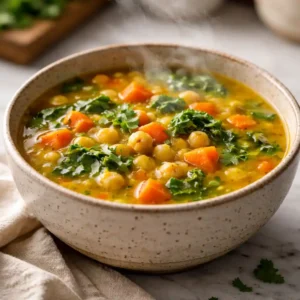
Looking for inspiration? Try our golden immunity stew recipe—it’s loaded with gut-friendly spices and hearty veggies.
Pro Tip: Don’t skip healthy fats! A spoonful of olive oil or a handful of seeds helps your body absorb gut-supportive nutrients more effectively.
Pro Tip: If you’re just starting, go slow with fiber. Too much too fast might upset your stomach—gradually increase your intake and drink plenty of water.
Pro Tip: Aim to “eat the rainbow.” Different plant colors mean different polyphenols, which may support a more balanced gut over time.
Print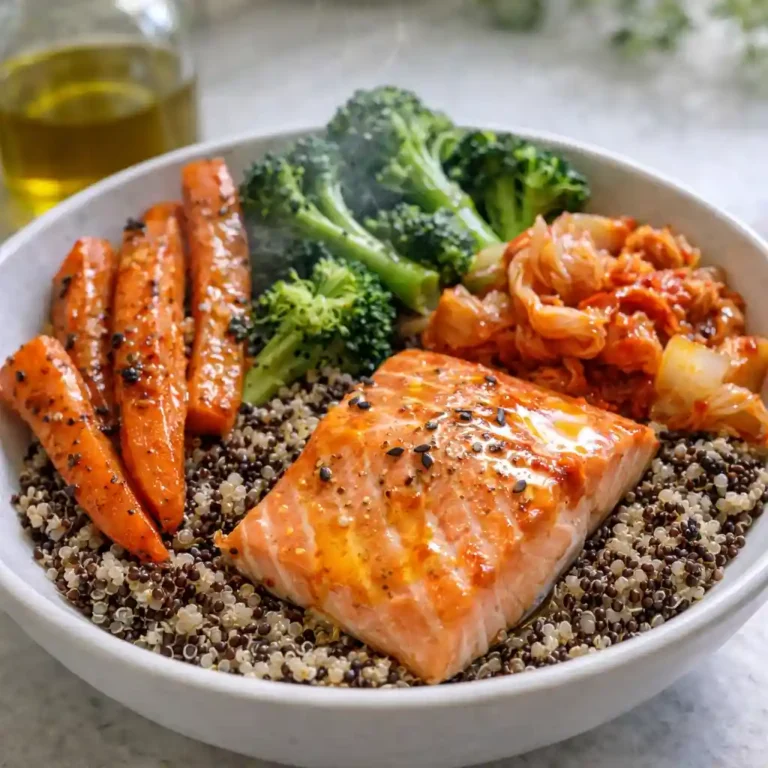
Gut Health Recipe — Ultimate Guide to Nourishing Your Digestive System
This gut health recipe guide shares smoothies, balanced meals, snacks, and a 7-day reset plan designed to support digestion naturally. Built around fiber-rich vegetables, probiotic foods, and healthy fats, these meals are simple, practical, and easy to follow.
- Total Time: 35 minutes
- Yield: 4 servings 1x
Ingredients
Instructions
1. Choose a probiotic base such as kefir, yogurt, or fermented vegetables. 2. Add prebiotic-rich vegetables like garlic, onions, leeks, or asparagus. 3. Include fiber sources such as oats, chia seeds, flaxseeds, lentils, or quinoa. 4. Add lean protein like salmon, tempeh, chickpeas, or eggs. 5. Finish with healthy fats such as olive oil, walnuts, or seeds. 6. Avoid ultra-processed foods and added sugars. 7. Repeat consistently and hydrate well to support digestion.
Notes
Increase fiber gradually to avoid bloating. Drink plenty of water throughout the day. Fermented foods should be added after cooking when possible to preserve probiotics. This guide is for informational purposes and not medical advice.
- Prep Time: 15 minutes
- Cook Time: 20 minutes
- Category: Healthy
- Method: Stovetop / No-Cook
- Cuisine: American
Nutrition
- Serving Size: 1 bowl
- Calories: 420
- Sugar: 8g
- Sodium: 480mg
- Fat: 18g
- Saturated Fat: 3g
- Unsaturated Fat: 14g
- Trans Fat: 0g
- Carbohydrates: 48g
- Fiber: 12g
- Protein: 22g
- Cholesterol: 45mg
Building Blocks of a Gut Health Recipe
Probiotic-Rich Ingredients to Include
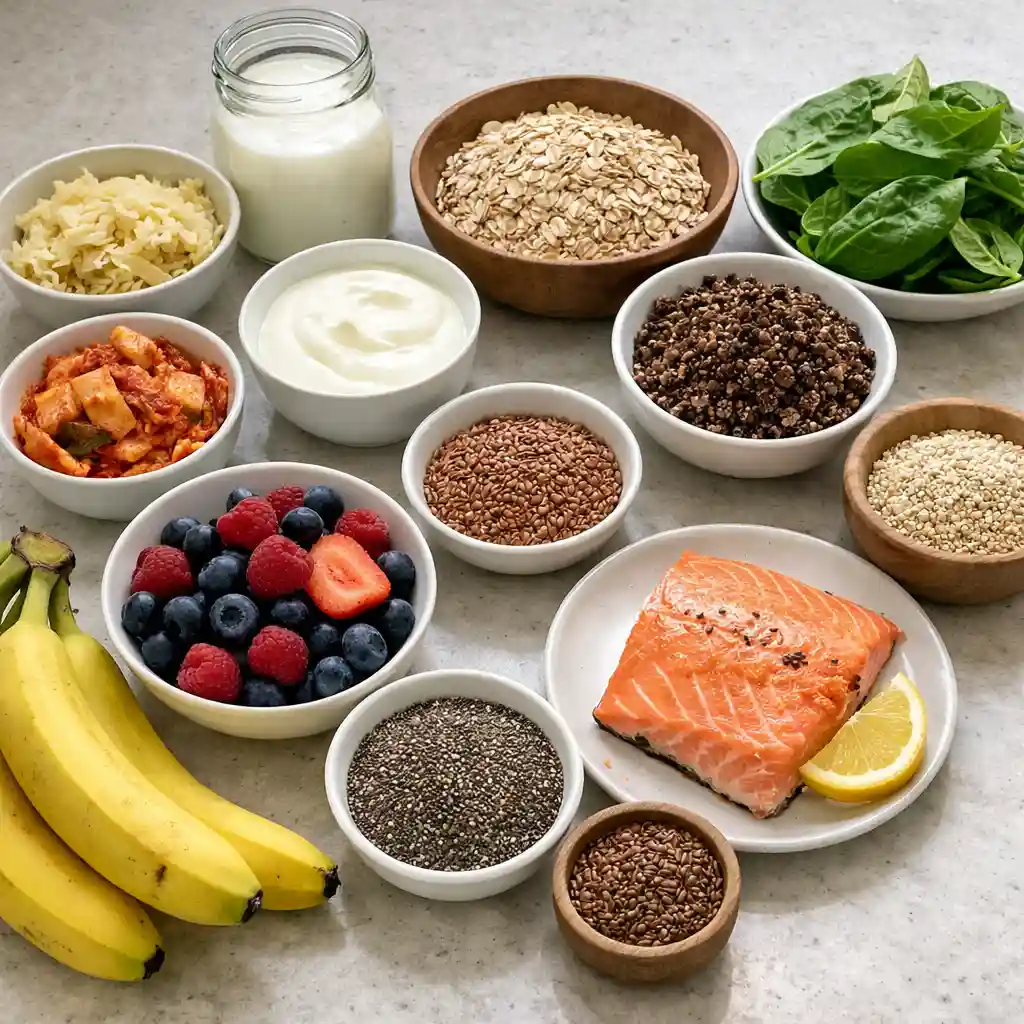
When I think about building a gut health recipe, I always start with probiotic-rich ingredients. These are the fermented foods that help introduce live, beneficial bacteria into your digestive system. Some common staples include yogurt (look for live and active cultures), kefir, sauerkraut, kimchi, and miso.
Each of these brings its own twist. Kefir, for example, has a slightly tangy flavor and works well in smoothies or overnight oats. Miso adds umami depth to soups or sauces. These aren’t just trendy—they’ve been used in traditional diets around the world for centuries.
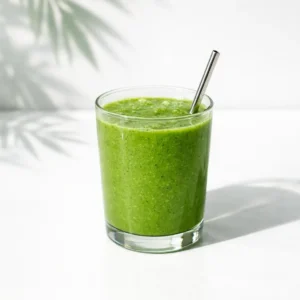
Check out our island green detox tropical smoothie, which pairs gut-soothing greens with a probiotic base for a gentle morning reset.
The more variety you include in your probiotic foods, the more diverse your gut bacteria can become. And that diversity is key to long-term gut health.
Pro Tip: Stir a spoonful of sauerkraut or kimchi into a rice bowl just before serving. It gives crunch, tang, and a live culture boost with zero effort.
Prebiotic Foods for Gut Fuel
Now, probiotics can’t do their job alone—they need food. That’s where prebiotics come in. A well-balanced gut health recipe always includes prebiotic ingredients to keep those good microbes thriving.
Think of prebiotics as the “fertilizer” for your gut garden. Foods like garlic, onions, leeks, bananas, artichokes, and asparagus are full of prebiotic fibers. They don’t get digested in your small intestine, but instead make their way to the colon, where your gut bacteria feast on them.
Adding raw onions to a salad, blending banana into a smoothie, or tossing roasted asparagus into a grain bowl are simple ways to pack prebiotics into your day.
Pro Tip: For max benefit, try pairing prebiotics and probiotics together in the same meal. A yogurt parfait with bananas or miso soup with onions is a winning gut health recipe combo.
Don’t miss our dragon fruit detox guide for another fruity way to add fiber and hydration to your routine.
By combining probiotic and prebiotic-rich foods in your meals, you’re setting up a sustainable gut-supportive approach—one that’s easy to follow and enjoyable too.
Breakfast Recipes for a Healthy Gut
Gut-Friendly Smoothie Ideas
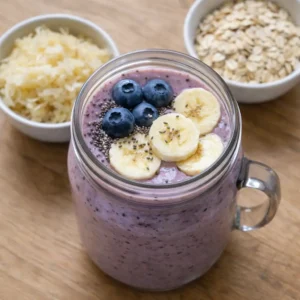
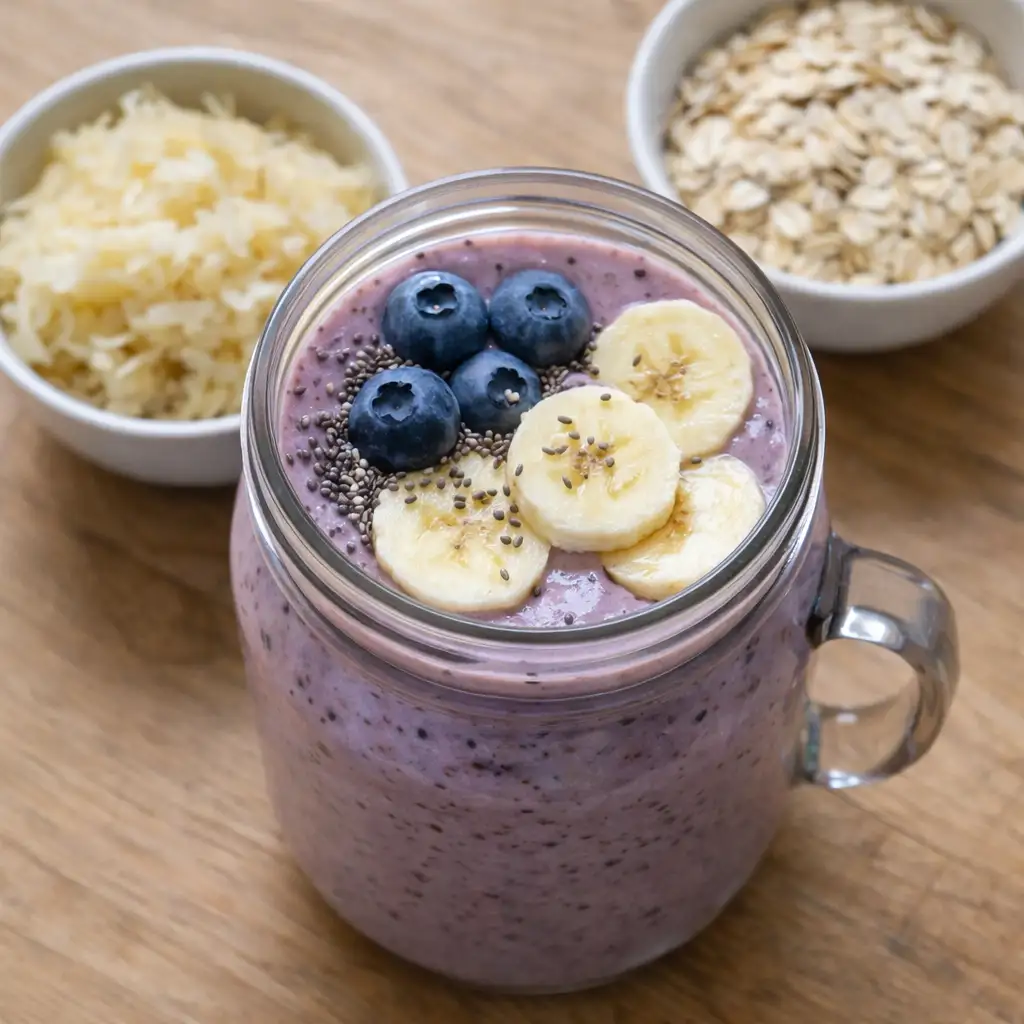
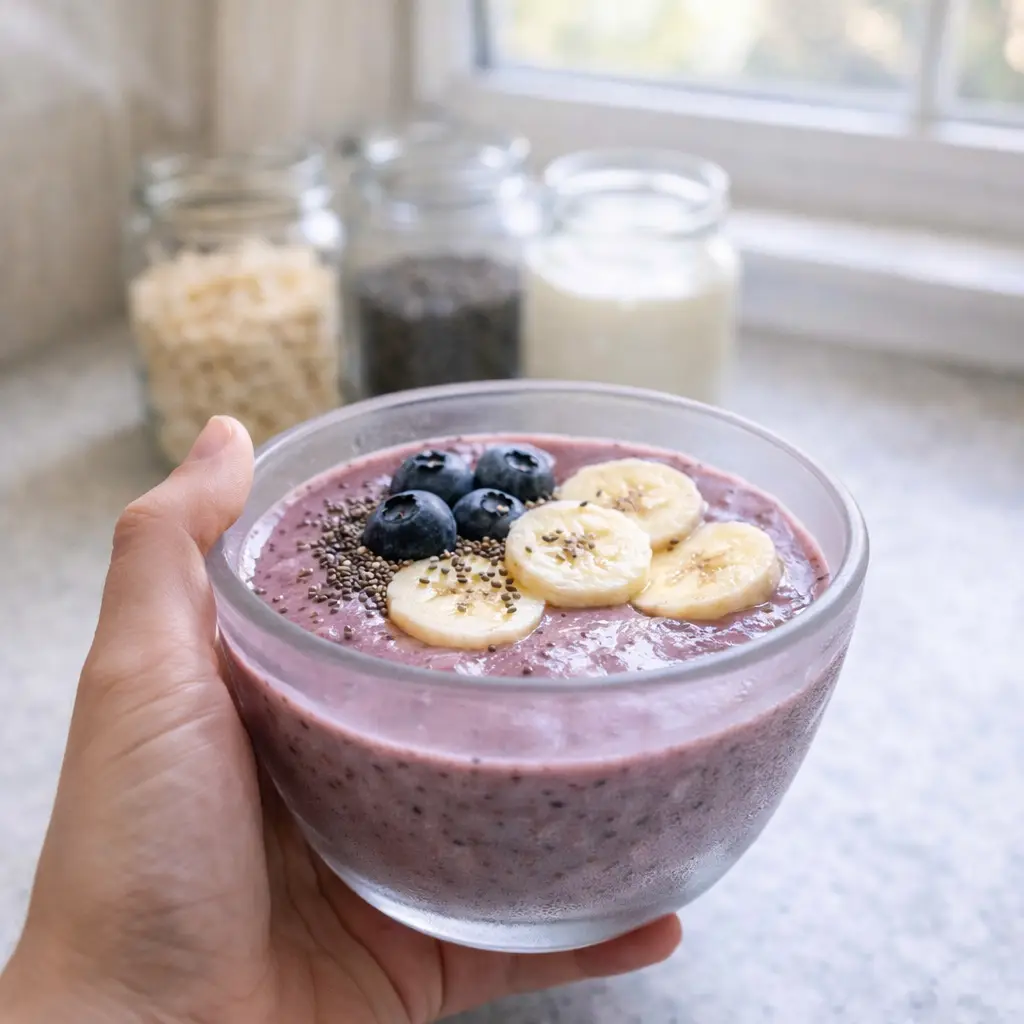
Mornings are the perfect time to introduce a gut health recipe into your day. Smoothies are quick to prepare, easy to digest, and ideal for layering in gut-loving ingredients. I usually start with a kefir or yogurt base, then add in berries, oats, flaxseeds, and maybe a banana for natural sweetness.
Kefir is a fermented milk drink that’s loaded with probiotics. Paired with fiber from oats and polyphenols in berries, you get a powerful combo that helps support digestion and energy from the first sip. For a vegan option, unsweetened almond milk and a spoonful of plant-based yogurt work just as well.
Pro Tip: Freeze banana slices and spinach in small bags for fast smoothie prep. It saves time and makes your gut health recipe routine much easier to stick to.
Many people on Reddit have started sharing their daily “green gut smoothies,” which include everything from chia seeds to spirulina. While some of those ingredients are optional, focusing on fiber and probiotics is always a good baseline.
Other Breakfast Ideas That Support Digestion
Beyond smoothies, there are plenty of breakfast meals that can serve as a reliable gut health recipe. Overnight oats made with chia seeds, flax, and almond milk are a no-fuss option. Add a few slices of banana or a sprinkle of cinnamon for flavor and prebiotic benefits.
You can also try a probiotic-rich yogurt bowl with nuts, seeds, and fruit. Top it off with honey or shredded coconut for a naturally sweet crunch that won’t upset your stomach.
If you’re craving something warm, oatmeal with ground flaxseed and a swirl of kefir stirred in at the end can be both soothing and supportive for your gut.
Pro Tip: Breakfast is a great time to hydrate. Pair your gut health recipe with warm lemon water or herbal tea to wake up your digestive system gently.
Don’t miss our juicer recipes for gut health—they make a fresh, light option that’s especially good for busy mornings.
Making space for gut-supportive habits early in the day sets the tone for better digestion, more energy, and fewer cravings later on.
Lunch and Dinner Recipes for Gut Health
Simple and Balanced Gut Health Recipes
When it comes to lunch and dinner, a balanced gut health recipe should include fiber, fermented foods, lean protein, and healthy fats. The goal isn’t to complicate your meal—it’s to support your digestion in a way that feels comforting and satisfying.
Start with a base like quinoa, brown rice, or farro. Add colorful roasted veggies like carrots, broccoli, or sweet potatoes. Toss in fermented sides such as kimchi or pickled red cabbage. Finally, top it with grilled salmon or tempeh and a drizzle of tahini or olive oil.
This kind of gut health recipe isn’t just nutrient-dense; it’s also easy to prep in advance. I usually batch-roast my vegetables on Sundays, then mix and match them into bowls throughout the week.
Check out our golden immunity stew recipe—it’s packed with warming spices and slow-cooked ingredients that support gut balance while keeping meals cozy and hearty.
Easy One-Pot Meals With Gut-Boosting Ingredients
If you’re a fan of one-pot meals (I mean, who isn’t on busy nights?), they’re ideal for sneaking in gut-friendly components without extra effort. Soups and stews work particularly well because they allow fibers to soften, making them easier on digestion.
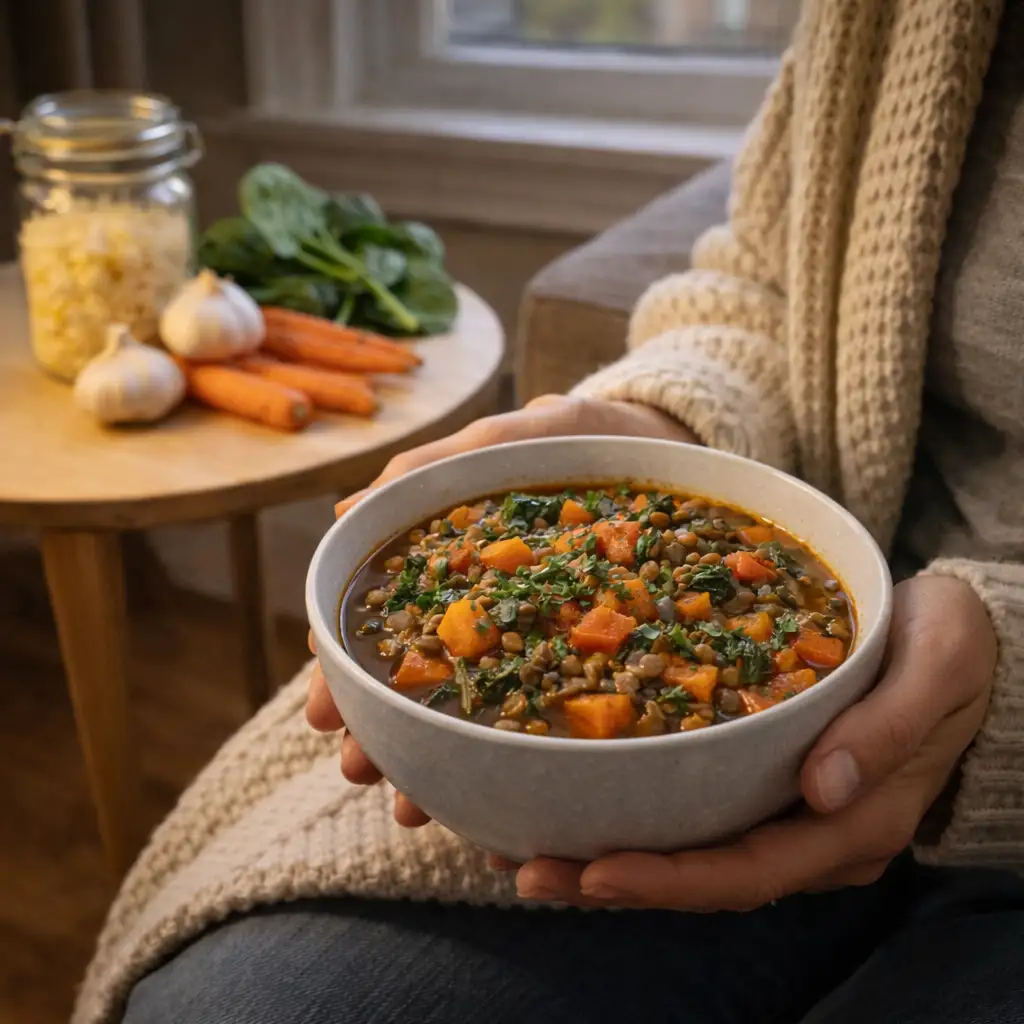
For example, a lentil stew with garlic, onions, carrots, spinach, and bone broth is a stellar gut health recipe. You can cook it all in one pot, let it simmer, and enjoy it for days.
Tempeh stir-fries with ginger, bok choy, and sesame oil are another favorite in my kitchen. The flavors meld beautifully while nourishing your gut microbes.
Pro Tip: Add a splash of apple cider vinegar or miso at the end of cooking for a gentle fermented kick—just don’t boil them, or you’ll lose their probiotic power.
Looking for inspiration? Try dragon fruit detox guide as a refreshing side or dessert pairing to a warm gut-supportive dinner.
Dinners like these don’t just taste good; they help you wind down without digestive discomfort later in the evening.
Snack and Dessert Ideas That Are Good for Digestion
Healthy Snacks to Keep You Satisfied
Snacks often get overlooked, but they’re a smart way to sneak in another gut health recipe during the day. When that mid-afternoon craving hits, it’s easy to grab something processed. But with a little planning, you can keep your digestive system happy and your energy steady.
Try roasted chickpeas tossed in olive oil and cumin—crunchy, fiber-rich, and protein-packed. Another simple idea is veggie sticks with hummus. Garlic and tahini bring both prebiotic and gut-soothing benefits to the table.
Fruit and nut combos work too. Sliced apple with almond butter, or a handful of walnuts paired with a few dried apricots, offer a good mix of fiber and healthy fats. These combinations are gentle on the stomach and support your microbiome throughout the day.
Pro Tip: Keep snack packs ready with gut-friendly ingredients so you’re not tempted by processed foods when hunger strikes. Small choices like this build consistency into your gut health recipe approach.
Sweet Treats That Don’t Harm Your Gut
Dessert doesn’t have to be off-limits. In fact, it’s another opportunity to create a gut health recipe that satisfies your sweet tooth without stressing your system.
One of my go-to desserts is chia pudding made with almond milk, vanilla, and a touch of maple syrup. Top it with fresh berries and crushed pistachios for texture. Chia seeds are not only high in fiber but also form a soothing gel that can be gentle on digestion.
Another option is probiotic-rich frozen yogurt with a drizzle of honey and chopped banana. You still get that creamy, indulgent feel—just with better benefits for your gut.
Pro Tip: Try baking with almond flour or oats instead of white flour. They’re easier to digest and provide added fiber to your gut health recipe lineup.
It’s all about finding balance—satisfying your cravings while supporting the good bacteria inside you.
Meal Plans and Reset Approaches
What Is the 7 Day Gut Reset?
You may have heard of the 7-day gut reset trending on TikTok or Reddit, and while everyone seems to have their own version, the general idea is simple: give your digestive system a short break and nourish it back to balance. A gut reset isn’t about deprivation—it’s about intentional eating using nutrient-rich, whole foods.
At its core, a gut health recipe used in a reset will focus on prebiotic vegetables, probiotic-rich ingredients, and anti-inflammatory spices. Each day typically includes three balanced meals and snacks that minimize sugar, dairy, and ultra-processed foods. Hydration and stress management are also key parts of the plan.
Unlike detoxes that cut calories harshly, this reset encourages mindful meals that feed both you and your gut microbiome. It’s not a quick fix but a foundation for longer-term wellness.
Pro Tip: Prepare your ingredients ahead of time. Chop veggies, cook grains, and portion snacks for the full week to make your gut health recipe routine more manageable.
Sample 7-Day Gut Health Plan
Here’s a gentle framework for a 7-day gut reset meal plan:
| Day | Breakfast | Lunch | Dinner | Snack |
|---|---|---|---|---|
| Day 1 | Kefir smoothie with berries and chia | Lentil soup with leeks | Grilled salmon, roasted carrots, quinoa | Apple + almond butter |
| Day 2 | Overnight oats with banana + flax | Chickpea salad bowl | Veggie stir-fry with miso broth | Yogurt with berries |
| Day 3 | Green smoothie + hemp seeds | Quinoa tabbouleh with kimchi | Baked tofu + steamed broccoli | Carrot sticks + hummus |
| Day 4 | Greek yogurt + walnuts + honey | Butternut squash soup | Brown rice bowl with tempeh | Chia pudding |
| Day 5 | Scrambled eggs with spinach | Avocado toast + sauerkraut | Lentil stew | Handful of mixed nuts |
| Day 6 | Almond butter smoothie + oats | Vegetable sushi + pickled ginger | Sweet potato bowl | Probiotic shot |
| Day 7 | Smoothie bowl with kefir base | Black bean tacos + cabbage slaw | Soup with fermented miso | Apple + cinnamon |
Each meal is built around a gut health recipe using whole, real foods. The plan is flexible and can be customized based on your personal needs, preferences, and food sensitivities.
Check out juicer recipes for gut health for simple blends you can rotate in throughout the week.
Don’t miss our island green detox tropical smoothie if you want a refreshing reset to start or end your day.
Lifestyle Habits That Improve Gut Health
Stress Management and Sleep
Sometimes, it’s not just about what you eat. Even the best gut health recipe can’t undo the effects of chronic stress or lack of sleep. That’s why I’ve started looking at my routine beyond the kitchen.
When we’re stressed, our body shifts into “fight or flight” mode—slowing digestion, reducing enzyme production, and disrupting the balance of gut bacteria. You might notice bloating, cramps, or irregularity even if your meals are healthy.
Simple practices like daily walks, journaling, or short breathing exercises have made a big difference in how my body feels. Getting 7–9 hours of quality sleep also gives the digestive system time to rest and repair.
Pro Tip: Make space for 10 minutes of calm before or after meals. It can improve digestion and help your gut health recipe do its job more effectively.
Physical Activity and Hydration
Movement is another quiet hero for digestion. You don’t need intense workouts—just regular activity that keeps things flowing. Walking after meals, yoga stretches, or light cycling all support healthy gut function by encouraging motility.
Hydration is often overlooked too. Water helps fiber do its job, softening stool and preventing constipation. If your gut health recipe includes lots of fibrous veggies or seeds, water becomes even more essential.
Try starting your day with a tall glass of water before coffee, then sip consistently through the day. Add lemon or cucumber if plain water doesn’t excite you.
Pro Tip: Aiming for half your body weight in ounces of water is a good starting goal. If you’re upping fiber through gut-supportive foods, slightly increase it.
All these habits—when layered in with your favorite gut health recipe—create a rhythm that helps your digestive system stay resilient over time.
Common Mistakes and How to Avoid Them
Foods That May Upset Your Gut
Even if you’re following a gut health recipe, there are a few sneaky ingredients that can throw things off. One common issue is overdoing ultra-processed foods. They often contain emulsifiers, added sugars, and artificial ingredients that may disrupt your gut microbiome.
Another hidden culprit? Sugar alcohols found in “sugar-free” snacks. Ingredients like sorbitol or erythritol can ferment in the gut and cause gas or bloating for some people.
It’s also easy to go overboard on “health foods” like protein bars or packaged granola that seem wholesome but are packed with additives. When I first started focusing on digestion, I had to relearn how to read labels—and that made a huge difference.
Pro Tip: If something causes bloating or fatigue regularly, even if it fits in a gut health recipe, it’s worth taking a break and observing how you feel without it.
Overuse of Supplements vs. Food-First Strategy
Supplements like probiotics and digestive enzymes can be helpful, but they shouldn’t be the foundation. A real gut health recipe relies on whole foods—fruits, vegetables, fermented dishes, and herbs that naturally support balance.
Too many supplements, especially without guidance, may confuse your body or lead to dependency. I’ve found that eating a variety of gut-friendly foods gives me more consistency and fewer side effects.
That doesn’t mean supplements are bad—but they’re best used to support, not replace, a good diet.
Looking for inspiration? Try juicer recipes for gut health that offer nutrients in their natural, easy-to-absorb forms.
By steering clear of processed ingredients and focusing on real, homemade meals, you give your digestive system the tools it needs to thrive—no fancy pills required.
Frequently Asked Questions
What is the best recipe for gut health?
There’s no single “best” gut health recipe for everyone, but a great one usually includes fermented foods, prebiotic fibers, and healthy fats. A simple example? A bowl with quinoa, steamed greens, kimchi, and grilled salmon topped with olive oil. It’s easy, nourishing, and supports diverse gut bacteria.
What is a good meal for gut health?
A good meal is one that’s balanced and gentle on digestion. Think a lentil and vegetable soup with garlic, turmeric, and a side of sauerkraut. This type of gut health recipe brings together fiber, anti-inflammatory spices, and fermented goodness in one bowl.
What is the 7 day gut reset?
The 7-day gut reset is a short-term plan focused on real, whole foods that may support a balanced digestive system. It typically includes three meals and snacks daily, using ingredients like yogurt, oats, bananas, leafy greens, and fermented foods. Each gut health recipe during the week is designed to calm inflammation and nourish your microbiome.
What are the 5 R’s for gut health?
The 5 R’s are a common approach used by functional nutritionists:
Remove: Trigger foods, processed items, and potential irritants.
Replace: With whole foods, enzymes, and gut-friendly nutrients.
Reinoculate: Add in probiotics and prebiotics.
Repair: Use foods rich in glutamine, zinc, and antioxidants.
Rebalance: Focus on stress, sleep, and daily rhythm.
Each step pairs beautifully with a well-structured gut health recipe to support lasting digestive balance.
Pro Tip: Use this FAQ section as a mini checklist. Whether you’re resetting or just tweaking your meals, return to these answers when planning your next gut health recipe.
Conclusion
Choosing a gut health recipe isn’t just about following trends—it’s about tuning into your body and giving it what it needs to work smoothly, every day. Whether you start with a simple smoothie, a hearty stew, or a reset plan, each step adds up to a stronger, more balanced digestive system.
From probiotic-rich dishes to fiber-packed snacks, you now have the tools to build meals that support your gut. These aren’t extreme diet changes or complicated plans—they’re practical, real-life strategies that can easily fit into your routine.
Pro Tip: Begin with one new gut health recipe per week. As you build confidence in your ingredients and your body’s response, expanding your meals becomes second nature.
Your gut is always working behind the scenes—breaking down food, absorbing nutrients, and supporting your immune system. And just like any part of your body, it functions better when you feed it well.
Looking for inspiration? Try our juicer recipes for gut health and island green detox tropical smoothie to kick off your kitchen reset today.
Connect with us for more tips on Facebook and Pinterest where we share weekly ideas to keep your meals gut-friendly and stress-free.
This recipe is shared for informational purposes and is not a substitute for medical advice.