I’ve always been drawn to the quiet comfort of a warm cup of herbal tea. Not because it promises dramatic results, but because it feels grounding. Over the years, I’ve noticed more and more people on TikTok, Reddit, and Quora asking about herbal tea benefits — whether it helps digestion, supports relaxation, or is safe to drink daily. That curiosity inspired me to put everything in one clear, honest guide.
This article is for anyone who enjoys natural wellness drinks, caffeine-free tea, or simple plant-based rituals and wants to understand herbal tea benefits without hype or confusion. Maybe you’re trying to cut back on coffee. Maybe you’re curious about chamomile tea, peppermint tea, or ginger infusions. Or maybe you just want to know which herbal tea can you drink every day without worry.
Here, we’ll break down what herbal tea really is, what are the benefits of drinking herbal tea, which herbal tea has the most benefits depending on your goals, and what are the side effects of herbal tea you should be aware of. We’ll also talk about daily use, preparation tips, and how to choose high-quality blends.
You’ll learn about digestion-friendly teas, calming bedtime infusions, immune-support herbs traditionally used across cultures, and practical guidance for safe consumption. Everything is written in simple, clear language for everyday readers in the USA who want reliable, balanced information.
Important: This article is shared for informational purposes and is not a substitute for medical advice. If you have health conditions, are pregnant, nursing, or taking medication, it’s always wise to speak with a qualified healthcare professional before making changes to your routine.
Let’s start by understanding what herbal tea actually is — and why so many people are turning to it as part of a natural wellness routine.
In a world full of shortcuts, a simple herbal infusion reminds us that good things take care and patience. If you’re already curious about blends that combine warming spices, you might enjoy learning from this deeper look at turmeric, ginger, and cinnamon tea benefits:
turmeric ginger cinnamon tea benefits
What Are the Benefits of Drinking Herbal Tea?
When asking what are the benefits of drinking herbal tea, the answer depends on the herbs used and how consistently you enjoy them. Still, many herbal tea benefits are linked to comfort, routine, and traditional plant use rather than dramatic outcomes. That’s why herbal infusions remain a steady part of wellness habits across different cultures.
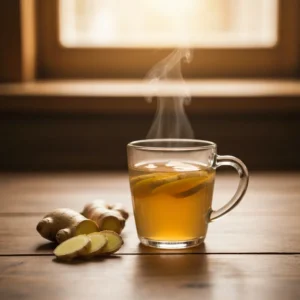
One of the most talked-about advantages is digestive support. Teas made with peppermint, ginger, or fennel have traditionally been used after meals to ease occasional bloating or mild stomach discomfort. From my observations and community discussions online, people often reach for these blends when they want something light and soothing instead of heavy snacks or sugary drinks.
Another reason people value these infusions is relaxation. Chamomile and lemon balm are commonly enjoyed in the evening because they may support a calm mindset before bed. While experiences vary from person to person, many find that a warm cup becomes part of a wind-down ritual that signals the body it’s time to rest.
Hydration is also part of the conversation. Since most herbal blends are caffeine-free, they can contribute to daily fluid intake without the stimulating effects found in coffee or some traditional teas. For those reducing caffeine, this is one of the practical herbal tea benefits that makes a noticeable difference in daily comfort.
Some traditions also associate certain blends with seasonal immune support. Ingredients like ginger, hibiscus, or elderflower have been used in cultural practices during seasonal changes. While this doesn’t replace medical care, many people include these drinks in their routines as a gentle addition to overall wellness habits.
Pro Tip: Start with one type of herbal tea at a time for a full week. This makes it easier to notice how the effects feel in your daily routine without mixing too many variables at once.
In the end, herbal tea benefits are best understood as supportive rather than corrective. They fit naturally into balanced eating patterns, mindful hydration, and simple evening rituals. When approached this way, they can feel steady, realistic, and easy to maintain.
This recipe and information are shared for informational purposes and are not a substitute for medical advice. If you have specific health concerns, consult a qualified healthcare professional before changing your routine.
Print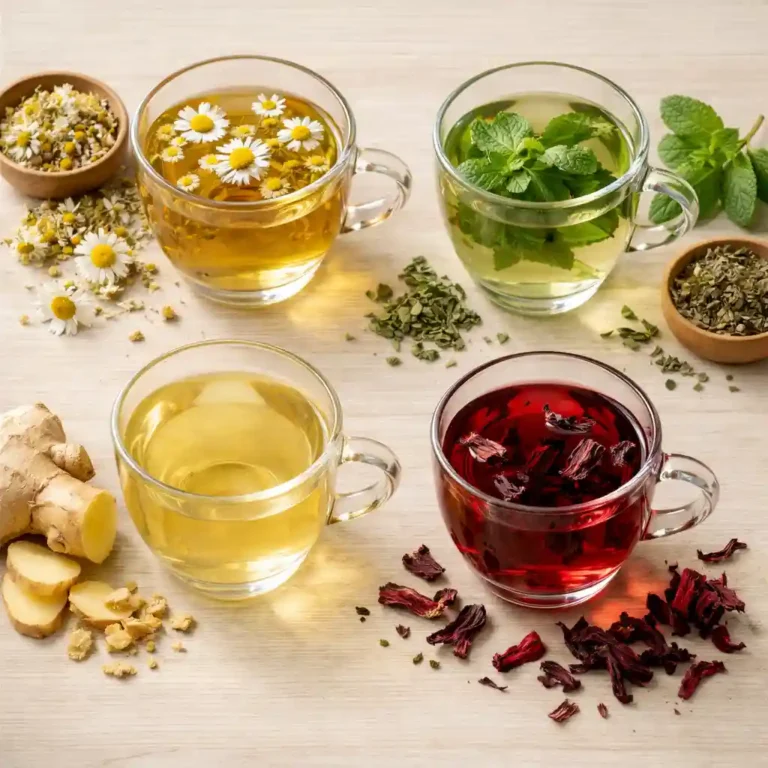
Herbal Tea Benefits: 9 Simple Daily Advantages
A complete, balanced guide explaining herbal tea benefits for digestion, sleep, hydration, and daily wellness. Includes safety tips and preparation advice.
- Total Time: 15 minutes
- Yield: 1 serving 1x
Ingredients
Instructions
1. Boil fresh water. 2. Add 1 teaspoon of dried herbs per 8 ounces of water. 3. Pour hot water over herbs. 4. Cover and steep for 5–10 minutes. 5. Strain and enjoy warm, or cool for iced tea. 6. Rotate herbs for balanced daily use.
Notes
This guide is for informational purposes only and is not medical advice. Consult a healthcare professional if pregnant, nursing, or taking medications.
- Prep Time: 5 minutes
- Cook Time: 10 minutes
- Category: Beverage
- Method: Infusion
- Cuisine: Wellness
Nutrition
- Serving Size: 1 cup
- Calories: 2
- Sugar: 0g
- Sodium: 0mg
- Fat: 0g
- Saturated Fat: 0g
- Unsaturated Fat: 0g
- Trans Fat: 0g
- Carbohydrates: 0g
- Fiber: 0g
- Protein: 0g
- Cholesterol: 0mg
Many people explore herbal tea benefits hoping for digestive comfort. If that’s your focus, you may also find inspiration in this ginger lemon honey tea guide, which highlights how ingredient quality shapes the final cup:
ginger lemon honey tea
Which Herbal Tea Has the Most Benefits?
A common question I see online is which herbal tea has the most benefits. The honest answer is that herbal tea benefits depend on the specific herb and your personal goal. There isn’t one single blend that does everything, but certain options are more widely appreciated for particular reasons.
Chamomile is often mentioned first when discussing relaxation. Traditionally used in many cultures before bedtime, chamomile tea may support a calm evening routine. People who prioritize sleep rituals often choose it because the gentle nature of herbal tea benefits makes it easy to include nightly.
Peppermint tea is another strong contender for digestion. After heavier meals, many people sip peppermint infusions to feel lighter. Digestive comfort is one of the most commonly reported experiences in wellness communities.
Ginger tea stands out when considering warming and seasonal support. Ginger root has long been used in traditional practices during colder months. While its effects are often associated with comfort and circulation, it’s best viewed as supportive rather than corrective.
Hibiscus tea offers a different profile, especially for those who prefer a tart, refreshing flavor. Rich in plant compounds and naturally caffeine-free, hibiscus is popular as both a hot and iced beverage. Some people choose it specifically for hydration during warmer weather.
If you’re wondering which herbal tea has the most benefits overall, it may be more helpful to think in categories. For digestion, peppermint or ginger are common picks. For relaxation, chamomile or lemon balm are preferred. For refreshing hydration, hibiscus often leads the list. In this sense, herbal tea benefits vary based on intention, not competition.
Pro Tip: Instead of searching for the “strongest” option, match your tea choice to your daily routine. Choose calming blends at night, digestive blends after meals, and lighter herbal infusions during the day.
Ultimately, the best way to understand how different herbs work is through consistent, moderate use. Start simple, observe how your body responds, and adjust gradually. That practical approach often leads to a more balanced and realistic experience.
This information is shared for educational purposes and is not a substitute for medical advice. If you have health conditions or take medications, consult a qualified healthcare professional before trying new herbal products.
Today’s interest connects us to long-standing traditions. For example, citrus-forward blends like lemon zinger tea benefits show how herbs and fruit peels have long been combined for both flavor and daily comfort.
Herbal Tea Benefits for Digestion and Gut Comfort
One of the most searched topics around herbal tea benefits is digestion. Many people first try herbal blends after a heavy meal or during occasional bloating because herbal tea benefits are often associated with gentle stomach support. While results vary, digestive comfort remains one of the most commonly discussed herbal tea benefits across wellness forums and home remedy conversations.
Peppermint and ginger are frequently highlighted when talking about herbal tea benefits for gut balance. Peppermint has traditionally been used to relax digestive muscles, while ginger is known for its warming properties. In everyday routines, these herbal tea benefits are often experienced as a sense of lightness after meals rather than a dramatic change.
Fennel and chamomile are also part of the digestive discussion. Fennel seeds have long been steeped as an herbal infusion after rich dishes, and chamomile may support overall calmness that indirectly supports digestion. In this way, herbal tea benefits extend beyond the stomach itself and connect to how stress and tension affect the gut.
Timing also plays a role in how people experience herbal tea benefits. Drinking a cup 20 to 30 minutes after eating is a common approach. Others prefer sipping slowly throughout the evening. Because herbal tea benefits are typically mild and supportive, consistency often matters more than intensity.
Pro Tip: Brew digestive herbal tea for at least 5–10 minutes to allow the herbs to release their natural compounds. A properly steeped cup may make the herbal tea benefits feel more noticeable and flavorful.
It’s important to keep expectations realistic. Herbal tea benefits for digestion are generally subtle and work best as part of balanced eating habits, adequate hydration, and mindful meal timing. They are not meant to replace medical treatment for ongoing digestive issues.
If you’re curious about herbal tea benefits for gut comfort, start with one herb like peppermint or ginger and observe how you feel over several days. A steady, simple routine often reveals the practical side of herbal tea benefits without overcomplicating your wellness habits.
This content is shared for informational purposes and is not a substitute for medical advice. If you experience persistent digestive discomfort, consult a qualified healthcare professional.
Water quality matters too. Minerals in tap water can dull delicate herbs. If you’ve ever wondered how proper brewing technique affects flavor, you may appreciate this practical brewing guide:
how to brew green tea
Herbal Tea Benefits for Relaxation and Sleep
Another area where herbal tea benefits truly stand out is relaxation. After a long day filled with screens, noise, and constant notifications, many people turn to calming herbal infusions as a way to slow down. In these moments, herbal tea benefits are less about nutrients and more about ritual, warmth, and mental ease.
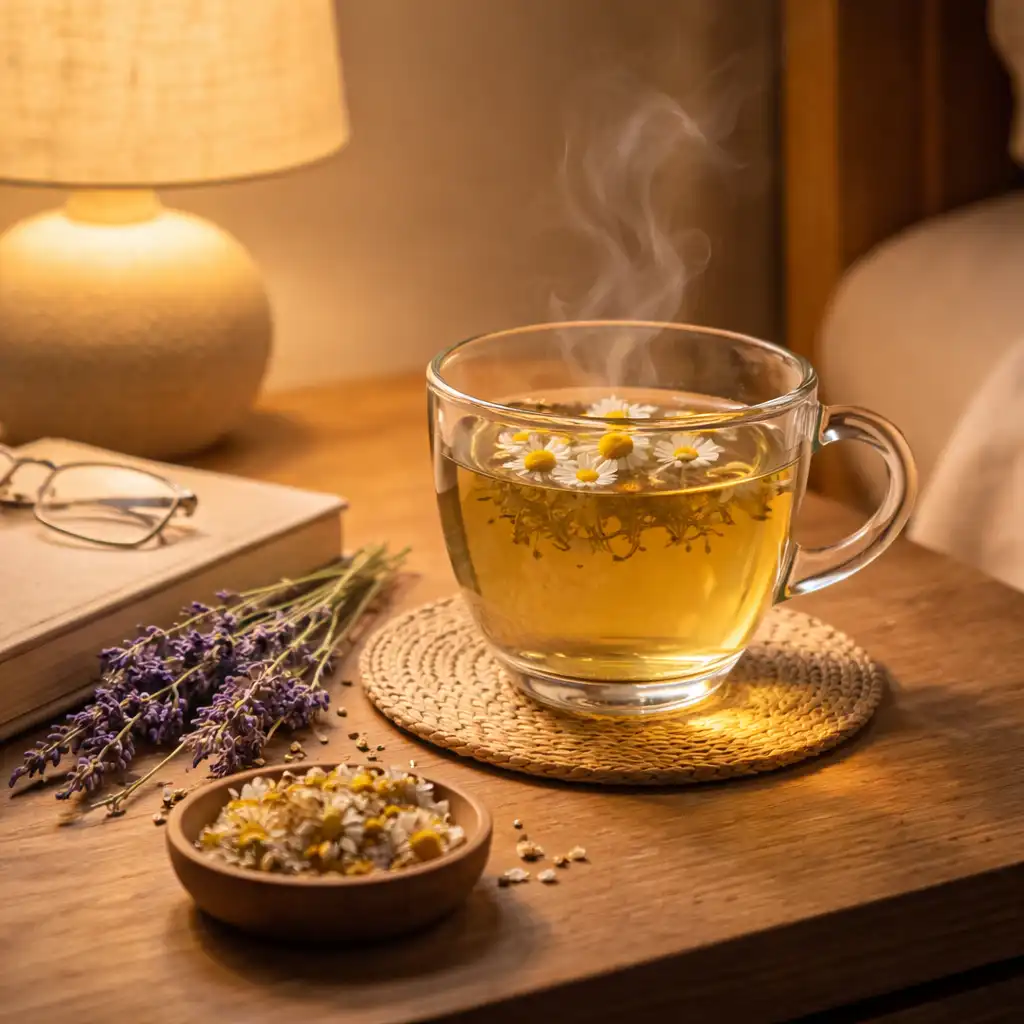
Chamomile remains one of the most popular options associated with herbal tea benefits for sleep support. Traditionally enjoyed before bedtime, chamomile tea may encourage a peaceful transition into the night. While herbal tea benefits are gentle, the simple act of sipping something warm can signal the body that it’s time to rest.
Lemon balm and lavender are also commonly mentioned when discussing herbal tea benefits linked to stress relief. These herbs have long histories in traditional use, especially in evening blends. When combined with mindful breathing or quiet reading, herbal tea benefits may feel more noticeable as part of a consistent wind-down routine.
Importantly, most herbal tea benefits in this category come without caffeine. That makes them suitable alternatives to late-day coffee or sugary drinks. Swapping those beverages for a calming herbal blend is one practical way people experience herbal tea benefits in everyday life.
Pro Tip: Create a simple nighttime tea habit. Brew your herbal blend at the same time each evening, dim the lights, and avoid screens for 20 minutes. This routine often strengthens the relaxing side of herbal tea benefits.
It’s helpful to remember that herbal tea benefits for sleep are supportive, not sedative. They may contribute to a relaxed environment, but they are not designed to replace medical treatment for sleep disorders. Consistency, healthy sleep habits, and reduced caffeine intake all work together alongside herbal tea benefits.
If you’re exploring herbal tea benefits for relaxation, start with a single herb and give it time. A steady approach allows you to notice subtle shifts without expecting dramatic change. Over time, herbal tea benefits can become part of a calm, sustainable evening rhythm.
This information is shared for educational purposes and is not a substitute for medical advice. If sleep concerns persist, consult a qualified healthcare professional.
If you’re experimenting with daily tea habits, you may also find this discussion helpful about whether you can drink herbal tea while fasting:
can i drink herbal tea while fasting
What Are the Side Effects of Herbal Tea?
While herbal tea benefits are often discussed in positive terms, it’s equally important to understand possible side effects. Most herbal tea benefits are mild and supportive, but not every herb is suitable for every person. Like any plant-based product, herbal infusions should be consumed with awareness and moderation.
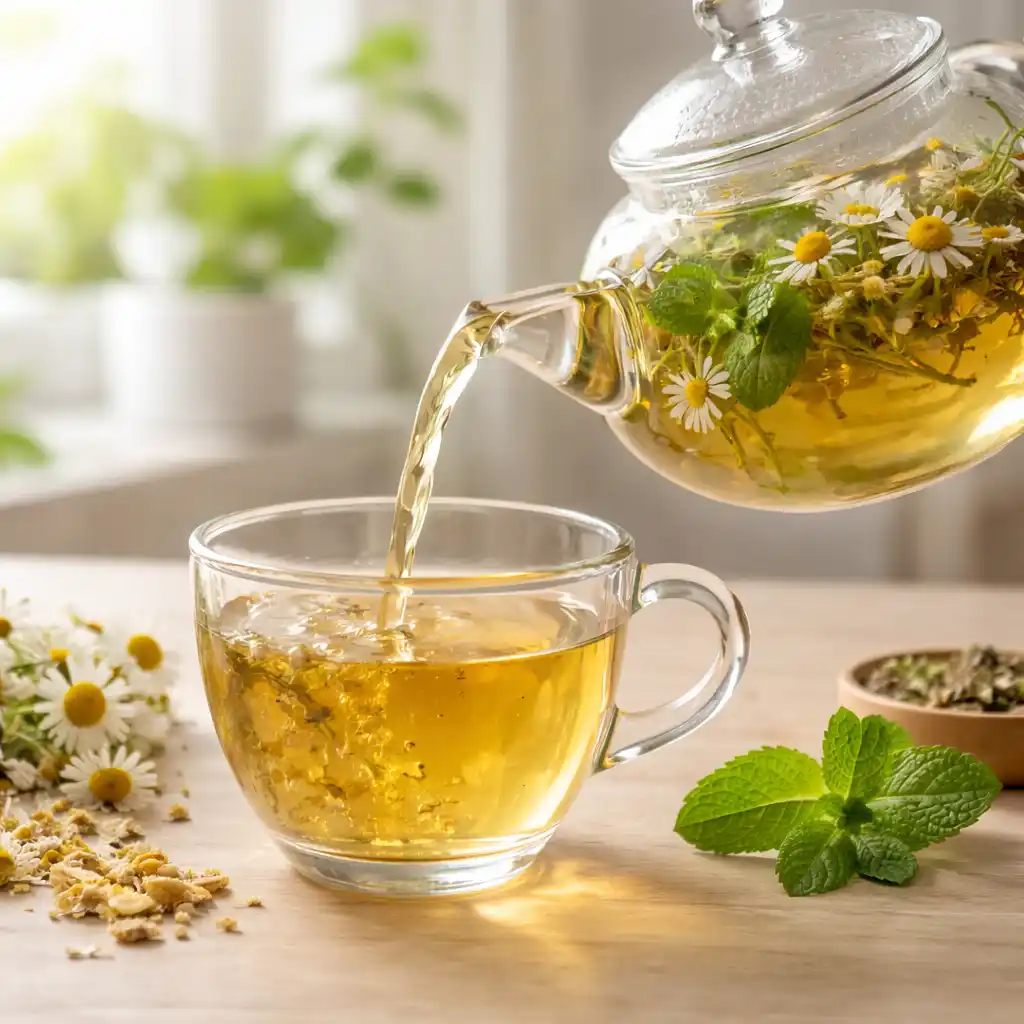
Some people may experience mild digestive changes when first trying certain blends. For example, strong peppermint or ginger infusions might feel too intense if brewed heavily. In these cases, adjusting the strength can help balance herbal tea benefits without discomfort.
Another factor to consider is herb–medication interaction. Although herbal tea benefits are generally gentle, some herbs can influence how medications work. This is especially relevant for individuals managing blood pressure, blood sugar, or hormonal conditions. If you are taking prescriptions, discussing herbal tea benefits with a healthcare provider is a wise step.
Allergies are also possible. Just because herbal tea benefits come from natural sources does not automatically mean they are risk-free. Chamomile, for instance, belongs to the same family as ragweed, which may trigger sensitivity in some individuals. Paying attention to how your body responds helps you experience herbal tea benefits safely.
Pregnant or nursing individuals should be particularly cautious. Certain herbs may not be recommended during pregnancy, even if herbal tea benefits are commonly praised online. Reliable guidance from a qualified professional is always more important than social media trends.
Pro Tip: Start with weaker infusions when trying a new herb. Use one teaspoon of dried herbs per cup of water and increase gradually if needed. This approach allows you to explore herbal tea benefits without overwhelming your system.
Moderation remains key. Drinking several large mugs daily may not increase herbal tea benefits and could instead lead to imbalance. Rotating herbs and limiting intake to two or three cups per day is a common, practical guideline for most healthy adults.
In summary, herbal tea benefits can be part of a balanced routine when approached responsibly. Understanding possible side effects allows you to enjoy herbal tea benefits with realistic expectations and informed choices.
This content is shared for informational purposes and is not a substitute for medical advice. Always consult a qualified healthcare professional regarding specific medical concerns.
What Herbal Tea Can You Drink Every Day?
When people learn about herbal tea benefits, one of the first practical questions is simple: what herbal tea can you drink every day? The answer depends on balance, personal tolerance, and choosing gentle herbs that fit into daily life without overstimulation. These benefits are often most noticeable when the habit feels sustainable rather than excessive.
Chamomile is commonly chosen for daily use because it is considered mild and calming. Many families around the world have enjoyed chamomile for generations as part of an evening routine. Because it is naturally caffeine-free, it fits well into both afternoon and nighttime schedules.
Peppermint is another option frequently included in daily routines. The refreshing flavor makes it easy to drink after meals, and its digestive properties are often appreciated without feeling too strong. For people who prefer a brighter taste, peppermint feels light and clean.
Rooibos, although technically a different plant, is also popular for everyday drinking. It contains no caffeine and has a naturally smooth flavor. Those looking for consistent herbal tea benefits throughout the day often rotate between rooibos, chamomile, and peppermint to keep things interesting without overwhelming the body.
Rotation is an underrated strategy. Instead of relying on one herb constantly, switching blends every few days may help maintain balance. This approach reflects traditional practices in many cultures, where herbs are used thoughtfully rather than continuously.
Pro Tip: If you plan to drink herbal tea daily, aim for two to three moderate cups spaced throughout the day. This allows you to enjoy the experience while staying within reasonable limits.
It’s also important to listen to your body. Even gentle effects can feel different from person to person. If a specific herb feels too strong or causes discomfort, try a milder option and adjust the steeping time.
Ultimately, herbal tea benefits are best experienced as part of a steady rhythm. Choose simple, caffeine-free blends, rotate them occasionally, and focus on consistency. When approached this way, they become a supportive daily ritual rather than a passing trend.
This article is shared for informational purposes and is not a substitute for medical advice. Consult a qualified healthcare professional if you have specific health concerns.
How to Choose High-Quality Herbal Tea
Understanding herbal tea benefits is not only about the herbs themselves but also about quality. The source, freshness, and preparation method can all influence how herbal tea benefits feel in your daily routine. Choosing carefully helps you experience herbal tea benefits in a more consistent and balanced way.
Loose-leaf blends are often preferred by tea enthusiasts because they contain larger pieces of herbs, flowers, or roots. This can allow water to circulate more freely during steeping, which may support fuller flavor and more noticeable herbal tea benefits. Tea bags, however, remain convenient and practical for busy schedules, and many still provide satisfying herbal tea benefits when sourced well.
Reading ingredient labels is another simple step. A high-quality blend should clearly list each herb without vague terms like “natural flavors” dominating the mix. Transparent labeling makes it easier to match herbal tea benefits with your goals, whether that’s relaxation, digestion, or hydration support.
Organic certification is something many shoppers look for, especially when focusing on herbal tea benefits related to daily use. While not mandatory, organic sourcing may reduce exposure to unwanted residues. For those drinking herbal tea benefits regularly, this detail can add peace of mind.
Storage also matters. Herbs lose potency over time, which can reduce both flavor and perceived herbal tea benefits. Keeping tea in an airtight container away from heat and sunlight helps maintain freshness and supports more reliable herbal tea benefits with each cup.
Pro Tip: Buy smaller quantities more frequently instead of stocking large amounts for long periods. Fresher herbs often translate into better flavor and more consistent herbal tea benefits.
Ultimately, quality choices make a difference. When you select well-sourced herbs, check labels, and store them properly, herbal tea benefits tend to feel more stable and enjoyable. Paying attention to these small details allows herbal tea benefits to remain a steady and satisfying part of your routine.
This content is shared for informational purposes and is not a substitute for medical advice. If you have health conditions or concerns about specific herbs, consult a qualified healthcare professional.
How to Prepare Herbal Tea for Maximum Flavor
Even the best herbal tea benefits can feel underwhelming if the tea is not prepared properly. Preparation affects flavor, aroma, and overall experience. When brewed with care, herbal tea benefits often feel more enjoyable and consistent.
Water temperature plays a key role. Most herbal blends can handle fully boiling water because they are made from hardy roots, seeds, or dried leaves rather than delicate tea leaves. Pouring hot water directly over the herbs allows their natural compounds to release gradually, which may support more noticeable herbal tea benefits in both taste and aroma.
Steeping time matters just as much. While some people dip a tea bag for a minute and remove it quickly, herbal infusions usually need more time. Allowing the herbs to steep for five to ten minutes gives the water time to absorb flavor and plant properties. This patient approach often makes herbal tea benefits feel richer and more satisfying.
Covering your cup while steeping is a small but meaningful step. Steam carries volatile plant compounds that contribute to herbal tea benefits. Placing a small lid or saucer over your mug helps keep those elements from escaping too quickly.
Blending herbs at home is another way people personalize herbal tea benefits. For example, combining chamomile with a small piece of ginger creates both calming and warming qualities in one cup. However, keeping blends simple is wise when starting out. Too many ingredients at once can make it difficult to understand how individual herbal tea benefits affect you.
Iced versions are also worth trying. Brewing a stronger batch and letting it cool before adding ice can preserve herbal tea benefits while offering a refreshing alternative during warm months. Hibiscus and peppermint are especially popular for this method.
Pro Tip: Use one teaspoon of dried herbs per eight ounces of water as a starting point. Adjust gradually based on taste rather than increasing quantity immediately, which helps you experience herbal tea benefits without overpowering flavor.
Finally, preparation is part of the ritual. Slowing down while measuring herbs, pouring water, and waiting for steeping time turns herbal tea benefits into more than just a beverage. It becomes a mindful pause in your day.
This information is shared for educational purposes and is not a substitute for medical advice. If you have health concerns related to specific herbs, consult a qualified healthcare professional.
Frequently Asked Questions About Herbal Tea Benefits
When researching herbal tea benefits, many readers want quick, clear answers to common concerns. Below are straightforward responses based on traditional use, practical experience, and general wellness guidance. Herbal tea benefits can be supportive, but understanding context helps you approach them wisely.
What are the benefits of drinking herbal tea?
The benefits of drinking herbal tea often include gentle digestive comfort, relaxation support, and hydration without caffeine. Many herbal tea benefits come from long-standing cultural traditions where herbs like chamomile, peppermint, and ginger were used in everyday routines. While herbal tea benefits vary from person to person, they are typically described as mild and steady rather than dramatic.
Which herbal tea has the most benefits?
There isn’t one single tea that contains all herbal tea benefits in equal measure. Chamomile is often chosen for calm evenings, peppermint for digestive ease, and ginger for warming support. The most helpful option depends on your personal goal, which is why herbal tea benefits are best matched to specific needs rather than ranked as “strongest.”
What are the side effects of herbal tea?
Most herbal tea benefits are experienced without issues when consumed in moderation. However, some people may notice mild digestive sensitivity or allergies to certain plants. Additionally, herbal tea benefits should be discussed with a healthcare provider if you are pregnant, nursing, or taking medication, since some herbs can interact with prescriptions.
What herbal tea can you drink every day?
Gentle, caffeine-free blends like chamomile, peppermint, and rooibos are commonly enjoyed daily. Rotating herbs may help maintain balanced herbal tea benefits while reducing the chance of overuse. Drinking two to three moderate cups per day is generally considered reasonable for most healthy adults.
Pro Tip: Keep a simple tea journal for two weeks. Write down which herbs you drink and how you feel afterward. Tracking patterns can help you better understand how herbal tea benefits show up in your routine.
In summary, herbal tea benefits are most meaningful when viewed as part of a balanced lifestyle. Asking informed questions allows you to experience herbal tea benefits with clarity, moderation, and realistic expectations.
This article is shared for informational purposes and is not a substitute for medical advice. Always consult a qualified healthcare professional regarding personal health concerns.
Conclusion: A Balanced Perspective on Herbal Tea Benefits
After looking at the different angles, it becomes clear that herbal tea benefits are best understood as steady and supportive rather than dramatic. From digestion and relaxation to hydration and daily rituals, herbal tea benefits often fit naturally into simple lifestyle habits. They are not quick fixes, but they can become meaningful over time.
One of the most practical herbal tea benefits is how easily it replaces sugary or highly caffeinated drinks. Swapping soda or late-day coffee for a calming herbal infusion can gently shift your routine. In that sense, herbal tea benefits are sometimes less about the herb itself and more about the healthier pattern it supports.
We also explored how herbal tea benefits vary depending on the herb. Chamomile may suit evenings, peppermint may feel refreshing after meals, and ginger may offer warming comfort. Understanding these differences allows you to match herbal tea benefits to your goals without unrealistic expectations.
Safety and moderation matter just as much as potential advantages. While herbal tea benefits are widely appreciated, responsible use, label reading, and occasional rotation help keep your experience balanced. Listening to your body remains one of the most reliable ways to evaluate herbal tea benefits in daily life.
If you’re just starting out, begin with one simple blend and build from there. Over time, herbal tea benefits can become part of a calm morning routine, a mindful afternoon break, or a quiet nighttime ritual. Small habits practiced consistently often make the biggest difference.
Ultimately, herbal tea benefits are about simplicity. Warm water, carefully chosen herbs, and a few minutes of stillness can create a gentle wellness practice that feels sustainable and realistic. Approach herbal tea benefits with curiosity, moderation, and patience, and they may become a lasting part of your daily rhythm.
This article is shared for informational purposes and is not a substitute for medical advice. Consult a qualified healthcare professional for guidance related to your personal health needs.
Connect with us for more tips on Facebook and Pinterest where we share weekly ideas to keep your meals gut-friendly and stress-free.