I can’t count how many times I’ve seen people debate how to boil eggs perfectly. On TikTok, some swear by starting with boiling water. On Reddit, others argue for the cold-water method. And honestly? I used to feel confused too. Boiling eggs sounds simple, but getting that soft center or fully set yolk just right can feel tricky.
That’s exactly why I created this guide on how to boil eggs perfectly. This article is for beginners who want clear, step-by-step instructions, busy parents meal prepping for the week, and anyone who’s ever peeled an egg and lost half of it with the shell. You’ll learn the exact timing for soft, medium, and hard-boiled eggs, how to prevent cracking, how to peel eggs easily, and how to store them safely.
By the end, you won’t be guessing anymore. You’ll know exactly how to boil eggs perfectly every single time — whether you’re making breakfast, prepping protein snacks, or adding them to salads.
If you’re building a balanced breakfast routine, don’t miss our high-protein breakfast ideas for weight loss:
high protein breakfast ideas for weight loss
Let’s get started.
Why Learning How to Boil Eggs Perfectly Matters
The Common Mistakes People Make When Boiling Eggs
If you’ve ever ended up with chalky yolks or shells that stick like glue, you’re not alone. One of the biggest kitchen frustrations comes from not fully understanding how to boil eggs perfectly. Many people rush the process, crank the heat too high, or skip the cooling step altogether. Small missteps like these can completely change the final texture.
Another common mistake is overcrowding the pot. When eggs bump into each other, they’re more likely to crack. Learning how to boil eggs perfectly means giving them enough space and starting with a gentle, controlled heat. It’s not complicated, but it does require attention to detail.
Some cooks also ignore timing. They rely on guesswork instead of a timer, which often leads to overcooking. If your yolks have that greenish-gray ring, it’s usually a sign the eggs stayed in hot water too long. Understanding how to boil eggs perfectly helps you avoid that and achieve a clean, vibrant yolk instead.
Pro Tip: Always use a timer on your phone instead of estimating. Even a one-minute difference can change the texture more than you think.
Why Timing Changes Everything (Soft, Medium, Hard-Boiled Differences)
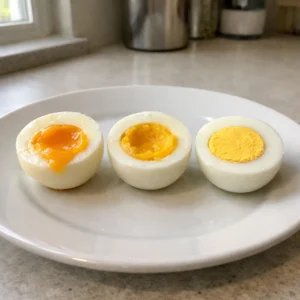
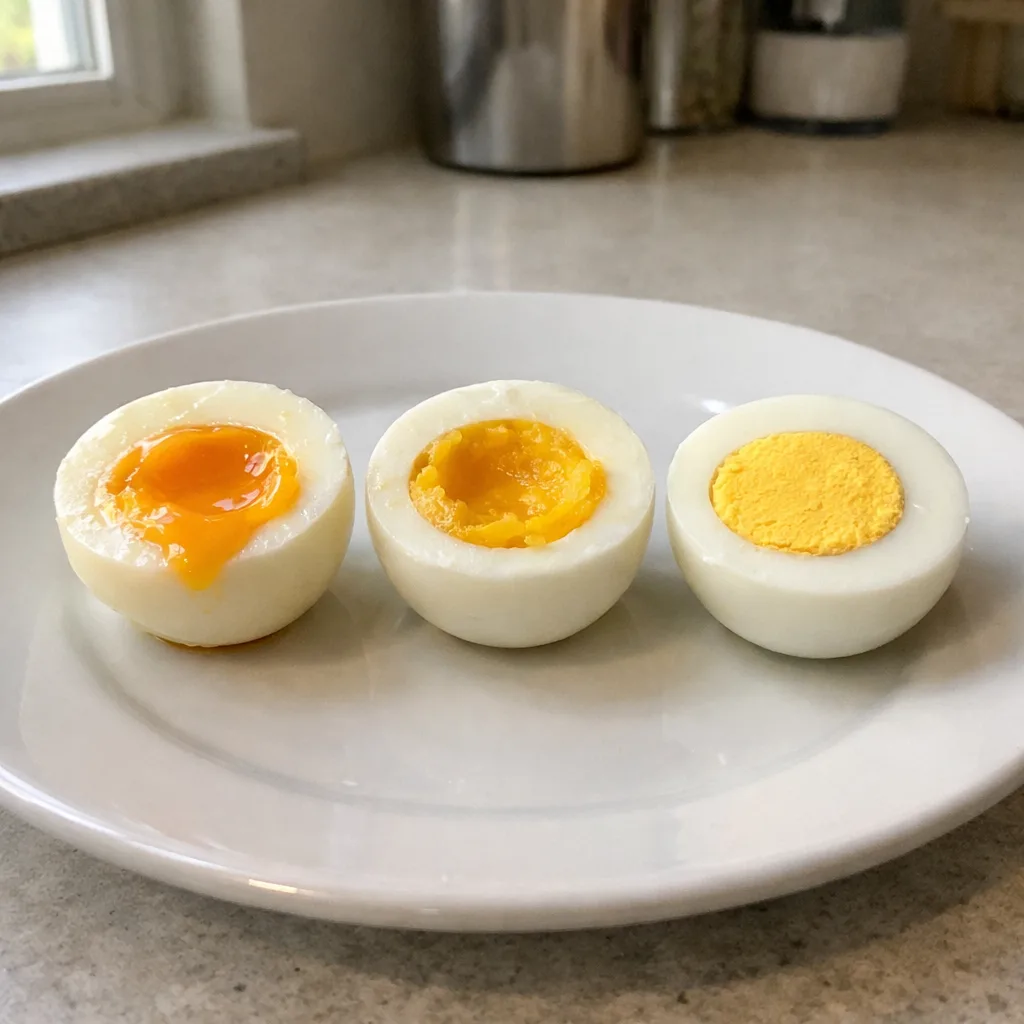
Timing is truly the heart of how to boil eggs perfectly. A soft-boiled egg needs just enough heat to set the whites while keeping the yolk runny. A medium egg has that slightly jammy center many people love on toast. Hard-boiled eggs require longer cooking so the yolk becomes fully firm and sliceable.
When you learn how to boil eggs perfectly, you realize that boiling time doesn’t start when the water begins bubbling aggressively. It starts when the eggs reach the right temperature stage, depending on your chosen method. That’s why different guides sometimes suggest slightly different timing — they’re using different starting points.
Consistency comes from repeating the same method every time. Once you settle on your preferred technique, how to boil eggs perfectly becomes predictable and stress-free. Instead of hoping for the best, you’ll know exactly what texture you’re getting before you even peel the shell.
Print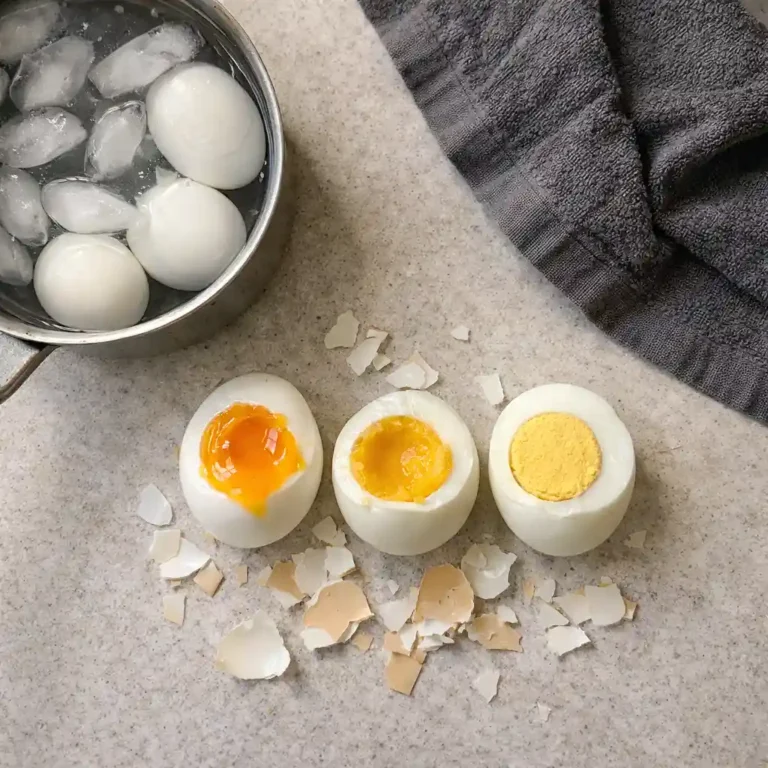
How to Boil Eggs Perfectly
Learn how to boil eggs perfectly with simple timing tips for soft, medium, and hard-boiled eggs. This reliable step-by-step guide helps you prevent cracking, peel easily, and achieve consistent results every time.
- Total Time: 17 minutes
- Yield: 6 eggs 1x
Ingredients
- Eggs (large preferred)
- Water (enough to cover eggs by 1 inch)
- Ice (for ice bath)
Instructions
- Place eggs in a single layer in a saucepan.
- Add cold water to cover eggs by about 1 inch.
- Bring to a gentle boil over medium-high heat.
- Turn off heat, cover, and let sit: 4–5 minutes for soft, 6–7 minutes for medium, 9–12 minutes for hard-boiled.
- Transfer immediately to an ice bath for 5–10 minutes.
- Peel and serve or store in the refrigerator.
Notes
Use slightly older eggs for easier peeling. Always use a timer for accurate results. Store boiled eggs in the refrigerator for up to one week.
- Prep Time: 5 minutes
- Cook Time: 12 minutes
- Category: Breakfast
- Method: Boiling
- Cuisine: American
Nutrition
- Serving Size: 1 egg
- Calories: 78
- Sugar: 0g
- Sodium: 62mg
- Fat: 5g
- Saturated Fat: 1.6g
- Unsaturated Fat: 3.4g
- Trans Fat: 0g
- Carbohydrates: 0.6g
- Fiber: 0g
- Protein: 6g
- Cholesterol: 186mg
Choosing the Right Eggs Before You Boil
Fresh vs Older Eggs – Which Are Better for Boiling?
Believe it or not, the age of your eggs plays a bigger role than most people realize when learning how to boil eggs perfectly. While very fresh eggs taste wonderful for frying or poaching, they can be stubborn when boiled and peeled. The shell tends to cling tightly to the egg white, which makes peeling frustrating.
If your goal is easy peeling, slightly older eggs — about 5 to 10 days old — often work better. As eggs age, the pH level inside changes slightly. That small shift makes it easier to separate the shell from the white. Understanding this detail is part of mastering how to boil eggs perfectly, because texture is only half the battle — presentation matters too.
That doesn’t mean fresh eggs won’t work. You can still learn how to boil eggs perfectly with fresh eggs, but you’ll want to pay extra attention to the cooling step later. The key is knowing what to expect so you’re not surprised when peeling takes a little more patience.
Egg Size and How It Affects Boiling Time
Another factor that influences how to boil eggs perfectly is size. Large eggs are the standard in most American kitchens, and most timing charts are built around that size. However, if you’re using medium, extra-large, or even jumbo eggs, your cooking time may need slight adjustment.
Smaller eggs cook a bit faster, while larger eggs may need an extra 30 to 60 seconds depending on your desired doneness. When figuring out how to boil eggs perfectly, consistency matters more than perfection. If you always buy the same size, your results will be easier to repeat.
It’s also important to bring eggs closer to room temperature before boiling. Ice-cold eggs placed directly into hot water are more likely to crack. Part of learning how to boil eggs perfectly is reducing sudden temperature shocks. Letting them sit on the counter for 10 to 15 minutes before cooking can make a noticeable difference.
Pro Tip: Write the egg size and exact timing you use on a sticky note in your kitchen. That simple habit makes it easier to repeat how to boil eggs perfectly without second-guessing next time.
Step-by-Step Method: How to Boil Eggs Perfectly
Now let’s walk through the exact method for how to boil eggs perfectly so you can follow it with confidence. This approach uses the cold-water start, which many home cooks prefer because it gives more control over timing and reduces cracking. Once you practice it a couple of times, how to boil eggs perfectly becomes second nature.
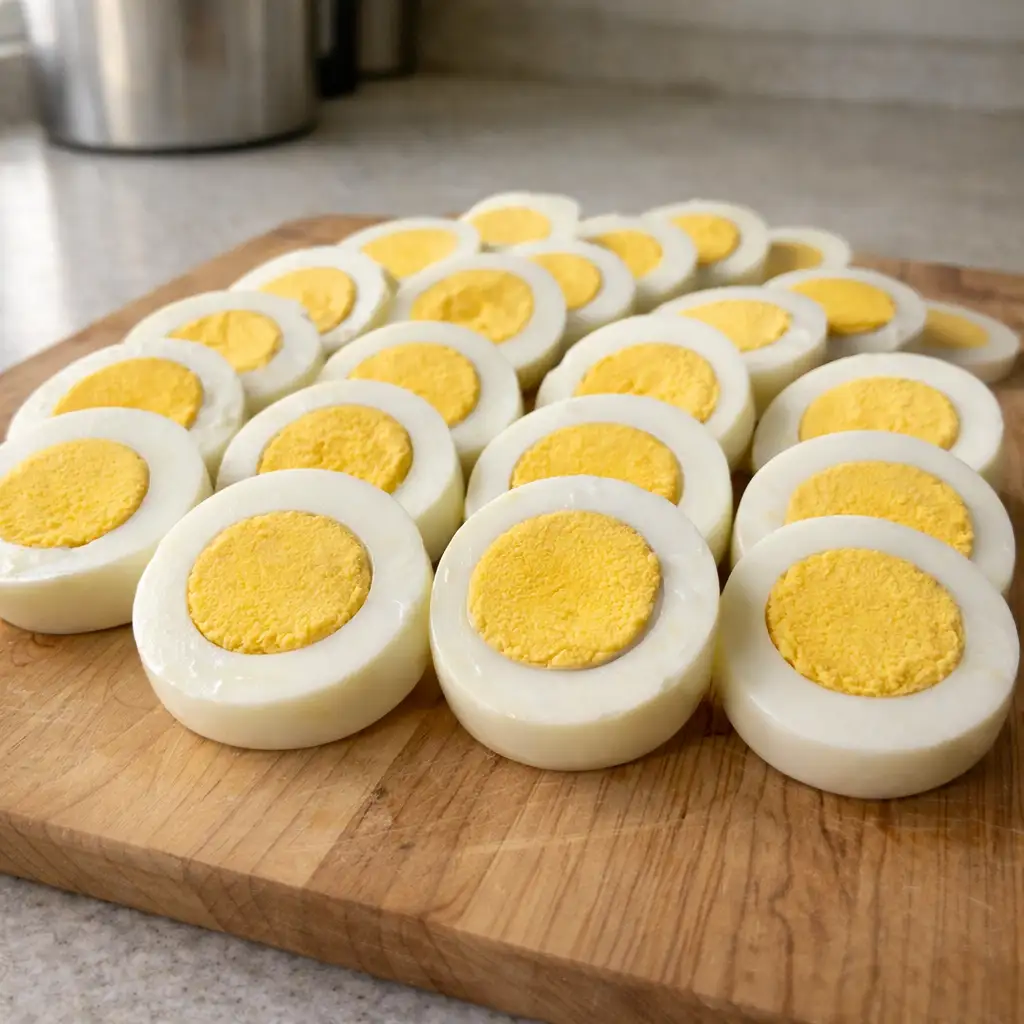
Cold Water Start vs Hot Water Start
To begin, place your eggs in a single layer at the bottom of a saucepan. Add enough cold water to cover the eggs by about one inch. Starting with cold water helps the eggs heat gradually, which supports a smoother process when learning how to boil eggs perfectly.
Next, place the pot over medium-high heat and bring the water to a gentle boil. As soon as you see a steady boil, turn off the heat and cover the pot with a lid. This step is where how to boil eggs perfectly shifts from boiling to controlled resting. The residual heat continues cooking the eggs without aggressively bouncing them around.
Some people prefer lowering the heat instead of turning it off. Either method can work. What matters most when mastering how to boil eggs perfectly is staying consistent with whichever method you choose. Repeating the same approach allows you to fine-tune your timing with reliable results.
Pro Tip: Keep the lid on during the resting period. Lifting it releases heat and can slightly change how the eggs cook.
Exact Timing Chart for Soft, Medium, and Hard-Boiled Eggs
Once the heat is off and the lid is on, timing begins. For soft-boiled eggs with a runny yolk, let them sit for about 4 to 5 minutes. For medium or jammy eggs, aim for 6 to 7 minutes. For hard-boiled eggs with fully set yolks, allow 9 to 12 minutes depending on egg size.
This timing method is one of the simplest ways to practice how to boil eggs perfectly without overthinking it. For example, if you’re prepping eggs for salads or weekly lunches, you’ll likely prefer the longer timing. If you’re making toast toppers, the shorter range works beautifully.
After the timer goes off, transfer the eggs immediately to an ice bath. That sudden cooling stops the cooking process and supports better texture. If you want dependable results every time, stick to these steps and repeat them consistently. That’s the real secret behind how to boil eggs perfectly in any kitchen.
How Long to Boil Eggs for Every Texture
Getting the texture right is the final step in mastering how to boil eggs perfectly. While the method stays mostly the same, the exact minutes you choose will completely change the result. Some people love a silky, runny center, while others prefer a firm yolk that slices cleanly. Knowing the difference is what separates guesswork from truly learning how to boil eggs perfectly.
Soft-Boiled Eggs (Runny Yolk Guide)
Soft-boiled eggs are ideal for dipping toast or adding to ramen bowls. If you’re focusing on how to boil eggs perfectly for a runny yolk, aim for about 4 to 5 minutes in the covered resting stage after boiling. The whites should be set, but the yolk should flow easily when cut.
Because soft eggs continue cooking from residual heat, timing matters even more here. Practicing how to boil eggs perfectly at this stage means removing them quickly and placing them straight into an ice bath. Even an extra minute can firm up the center more than intended.
Medium-Boiled Eggs (Jammy Center)
Medium or jammy eggs have a slightly thick, custard-like yolk. Many people on food forums say this texture feels like the sweet spot when learning how to boil eggs perfectly. For this result, let the eggs sit for about 6 to 7 minutes before cooling.
This texture works well for grain bowls, salads, and protein snacks. When you understand how to boil eggs perfectly for a jammy center, you gain more flexibility in your weekly meal prep without changing the base method.
Hard-Boiled Eggs (Fully Set Yolk)
Hard-boiled eggs require about 9 to 12 minutes depending on size. If your goal is clean slices for sandwiches or egg salad, this is the range to follow. Part of mastering how to boil eggs perfectly at this stage is avoiding overcooking, which can cause that grayish ring around the yolk.
Immediately transferring eggs to cold water helps preserve both color and texture. When you consistently apply the same timing and cooling process, how to boil eggs perfectly becomes predictable and repeatable — no surprises when you crack them open.
Pro Tip: If you’re cooking a large batch for the week, test one egg first before cooling the rest. That quick check helps you adjust timing and stay confident in how to boil eggs perfectly for your preferred texture.
The Ice Bath Secret for Easy Peeling
If there’s one step people skip when learning how to boil eggs perfectly, it’s the ice bath. It might seem optional, but it plays a major role in texture and peelability. Once your cooking time is complete, transferring the eggs immediately into a bowl of ice water stops the cooking process. That quick temperature change helps you stay in control of how to boil eggs perfectly without accidentally overcooking the yolks.
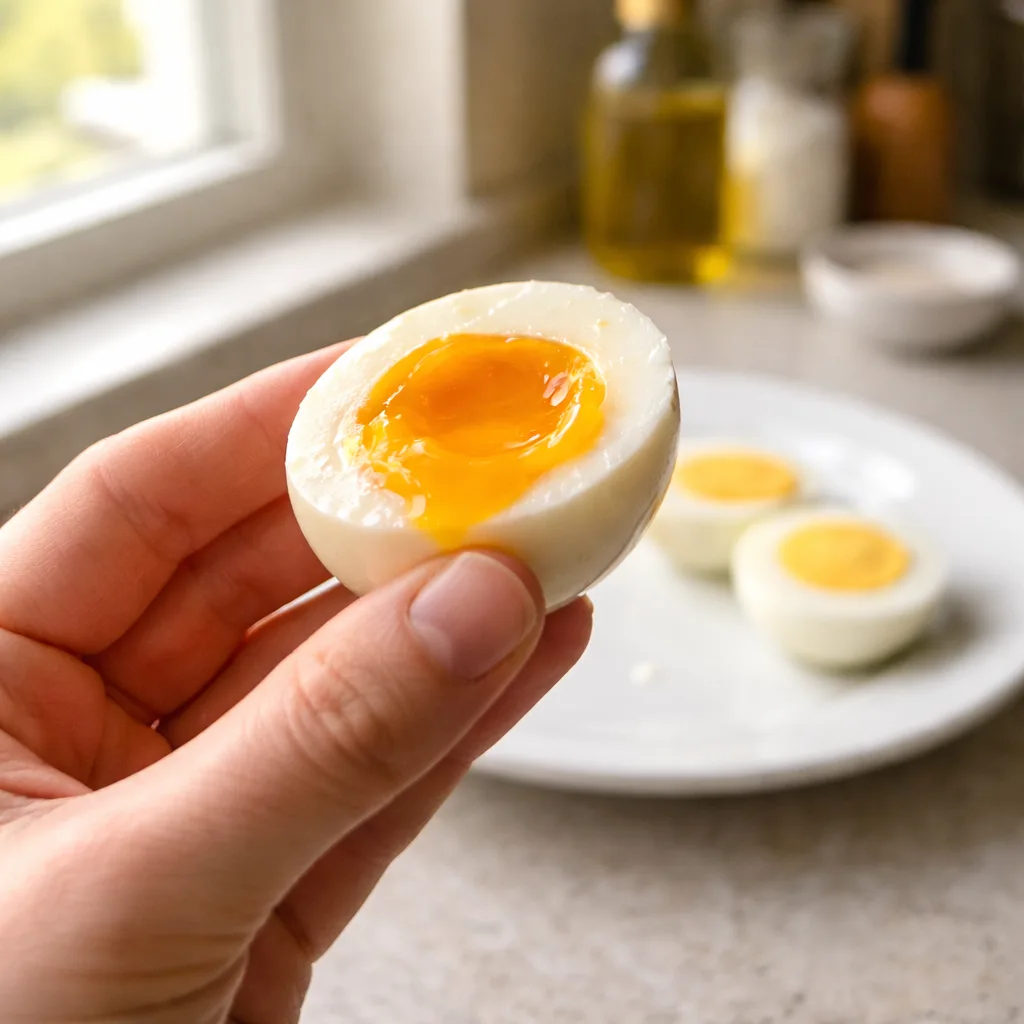
Why Eggs Crack Without an Ice Bath
Sometimes eggs crack during boiling because of sudden temperature changes. But cracking can also happen after cooking if residual heat continues building pressure inside the shell. Understanding how to boil eggs perfectly means managing temperature from start to finish, not just during the boil.
When eggs cool gradually on the counter, the inside may continue to firm up, especially if you’re aiming for soft or medium centers. The ice bath prevents that extra cooking stage. It also causes the egg white to contract slightly, which can make peeling easier. If you’re serious about how to boil eggs perfectly, this step is not just helpful — it’s practical.
How Long to Cool Eggs Properly
For best results, leave the eggs in the ice bath for at least 5 to 10 minutes. If you’re preparing hard-boiled eggs for slicing, cooling them completely makes a noticeable difference. Consistency in cooling is just as important as timing when mastering how to boil eggs perfectly.
If you don’t have ice, very cold tap water can work in a pinch, though ice water cools faster. The goal is to bring the temperature down quickly and evenly. When you combine accurate timing with proper cooling, how to boil eggs perfectly becomes far more predictable.
Pro Tip: Gently crack the shell at the wider end of the egg after cooling and peel under running water. The water can slip between the shell and the egg, helping it release more cleanly.
How to Peel Boiled Eggs Without Frustration
There’s nothing more disappointing than cooking a batch beautifully and then tearing the whites while peeling. I’ve been there, standing at the sink, wondering what went wrong. That’s why peeling is an important part of learning how to boil eggs perfectly. Cooking is only half the process — the finish matters just as much.
Best Peeling Technique Step-by-Step
Start by gently tapping the egg on the counter to crack the shell. Roll it lightly under your palm to loosen more of the shell surface. When practicing how to boil eggs perfectly, begin peeling from the wider end where there’s usually a small air pocket. That space makes it easier to slip your fingers under the membrane.
Peeling under running water can also help. The water seeps between the shell and egg white, lifting stubborn bits away. If you’ve followed the cooling steps correctly, how to boil eggs perfectly should result in shells that come off in larger pieces instead of tiny fragments.
Take your time during this step. Rushing can cause dents and uneven surfaces. When you consistently apply the right cooking time and cooling method, how to boil eggs perfectly leads to smooth, clean eggs that look just as good as they taste.
Why Older Eggs Peel Easier
Earlier, we talked about egg freshness. Here’s where that detail pays off. Slightly older eggs tend to peel more easily because the inner membrane separates more readily from the white. That small shift makes a noticeable difference when you’re refining how to boil eggs perfectly.
If you know you’ll need eggs for meal prep later in the week, buying them a few days ahead can make peeling simpler. This doesn’t mean freshness isn’t important — it just means timing your purchase thoughtfully supports how to boil eggs perfectly from start to finish.
Even if a few eggs don’t peel flawlessly, don’t be discouraged. Like any kitchen skill, repetition builds confidence. The more often you practice how to boil eggs perfectly, the more natural and effortless the entire process becomes.
Pro Tip: If a shell is stubborn, flip the egg and start peeling from another cracked area instead of forcing it. Often, one section releases more easily than another.
Storing and Reheating Boiled Eggs Safely
Once you’ve mastered how to boil eggs perfectly, the next step is storing them properly so they stay fresh and safe to eat. Whether you’re preparing breakfast in advance or planning weekly protein snacks, storage plays a key role in maintaining texture and flavor. Knowing how to boil eggs perfectly is important, but keeping them at the right temperature afterward matters just as much.
How Long Boiled Eggs Last in the Fridge
Hard-boiled eggs can typically last up to one week in the refrigerator when stored in their shells. Leaving the shell on helps protect the egg from absorbing odors and keeps moisture locked in. If you’ve already peeled them, store them in an airtight container with a slightly damp paper towel to prevent drying out.
Understanding how to boil eggs perfectly also means recognizing that freshness continues after cooking. Always refrigerate eggs within two hours of cooking. Keeping them consistently chilled supports both taste and food safety.
If you’re meal prepping, label the container with the cooking date. That small habit helps you track how recently you practiced how to boil eggs perfectly and reduces waste during busy weeks.
Can You Reheat Hard-Boiled Eggs?
Technically, yes — but gently. Reheating in the microwave can cause uneven heating or rubbery texture. If you want to warm a hard-boiled egg slightly, place it in a bowl of hot (not boiling) water for a few minutes instead. This keeps the texture closer to what you achieved when learning how to boil eggs perfectly.
For salads or snacks, many people prefer them cold or at room temperature. Since the flavor and texture are already set, reheating isn’t always necessary. The real goal after you know how to boil eggs perfectly is preserving that texture until you’re ready to eat.
Pro Tip: Store boiled eggs toward the back of the fridge where the temperature stays most consistent, rather than in the refrigerator door.
Popular Ways to Use Perfectly Boiled Eggs
Once you truly understand how to boil eggs perfectly, the possibilities in your kitchen open up in simple but practical ways. Boiled eggs are one of those basics that quietly support so many meals. From quick breakfasts to satisfying snacks, knowing how to boil eggs perfectly gives you a reliable ingredient you can build around all week.
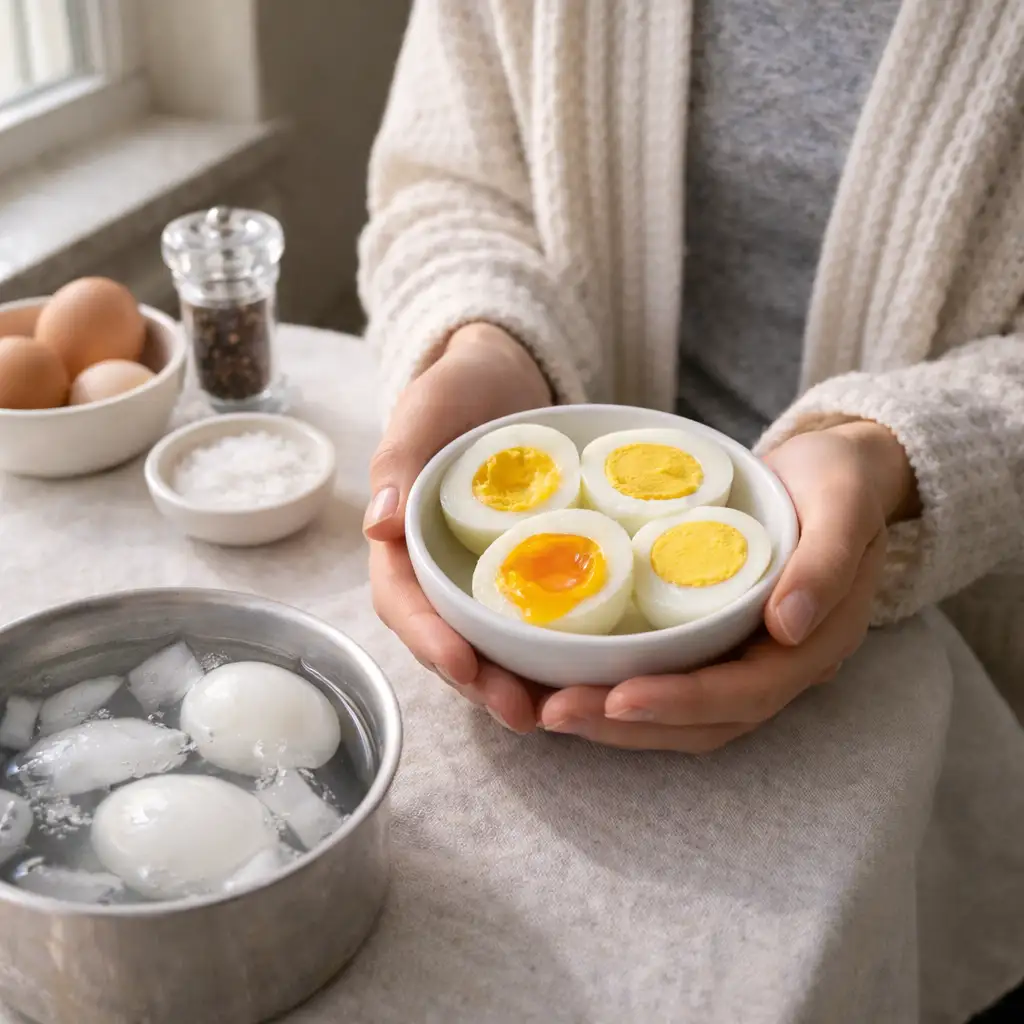
Classic Egg Salad and Meal Prep Ideas
Egg salad is one of the most common reasons people want to learn how to boil eggs perfectly. When the yolks are fully set but still tender, they mash smoothly and blend well with simple ingredients like mustard, yogurt, or a touch of olive oil. Overcooked eggs can taste dry, while undercooked centers may feel too soft for mixing, so timing matters.
If you’re preparing lunches ahead of time, boiled eggs are an easy protein option. Slice them over leafy greens, grain bowls, or avocado toast. Many people who practice how to boil eggs perfectly find that meal prep becomes less stressful because they always have a ready-to-use ingredient in the fridge.
You can also chop boiled eggs into tuna salad or mix them into wraps for added texture. The key is consistency. When you repeat the same process for how to boil eggs perfectly, you get uniform slices and better presentation every time.
Breakfast, Salads, and Protein Snacks
Soft or jammy eggs are especially popular for breakfast plates. Placed over toast or paired with sautéed vegetables, they create a balanced start to the day. If you’ve mastered how to boil eggs perfectly for a slightly runny center, breakfast feels a little more special without adding extra effort.
For snacks, hard-boiled eggs are simple and portable. Sprinkle them lightly with salt and pepper, or slice and add to a small side salad. Because you already know how to boil eggs perfectly, you won’t worry about texture surprises when you pack them for work or school.
Even on busy days, having boiled eggs ready means you can build a quick meal in minutes. That’s the quiet benefit of learning how to boil eggs perfectly — it turns one basic skill into a foundation for many easy dishes.
Pro Tip: Prep a batch at the start of the week and store them unpeeled. This helps maintain freshness and makes it easier to rely on how to boil eggs perfectly throughout your weekly routine.
Troubleshooting Guide for Boiling Eggs
Even when you follow every step carefully, small issues can still happen. That’s completely normal. Learning how to boil eggs perfectly doesn’t mean mistakes disappear overnight — it means you understand how to fix them. Let’s walk through the most common problems and simple adjustments that make a difference.
Why Do Eggs Crack While Boiling?
Cracked shells are usually caused by rapid temperature changes or overcrowding in the pot. If cold eggs go straight into aggressively boiling water, the sudden heat shock can split the shell. Part of mastering how to boil eggs perfectly is allowing the eggs to heat gradually, either by starting in cold water or lowering them gently into simmering water.
Another reason eggs crack is movement. When they bounce against each other during a strong boil, pressure builds at weak spots in the shell. Keeping the boil gentle and spacing the eggs out supports how to boil eggs perfectly without unnecessary damage.
If a crack does happen, don’t panic. The egg is still safe to eat as long as it cooks fully. However, for cleaner presentation, consistent heat control is one of the simplest ways to improve how to boil eggs perfectly.
Why Is the Yolk Green or Gray?
That grayish-green ring around the yolk may look unusual, but it’s usually a sign of overcooking. It forms when sulfur in the egg white reacts with iron in the yolk under high heat. Understanding how to boil eggs perfectly includes knowing when to stop the cooking process promptly.
An immediate ice bath helps prevent this reaction from continuing. If your yolks have that ring, simply reduce your resting time slightly next round. Small timing adjustments are part of refining how to boil eggs perfectly over time.
Remember, perfection in the kitchen comes from repetition. The more you practice how to boil eggs perfectly, the easier it becomes to spot tiny details and adjust naturally. With patience and consistency, even common mistakes turn into useful learning moments.
Pro Tip: If you’re unsure about doneness, cut one egg open before cooling the rest. That quick check allows you to adjust timing and stay confident in how to boil eggs perfectly next time.
FAQ: How to Boil Eggs Perfectly
Is it better to start eggs in cold or boiling water?
When learning how to boil eggs perfectly, both methods can work, but starting in cold water often gives beginners more control. The gradual temperature increase reduces the chance of cracking and allows you to manage timing more comfortably. If you prefer lowering eggs into already boiling water, just do it gently and adjust your timer carefully. The key to how to boil eggs perfectly is consistency — choose one method and repeat it the same way each time.
How do I know when boiled eggs are done without cracking them open?
Timing is the most reliable indicator when practicing how to boil eggs perfectly. However, if you’re unsure, you can spin the egg on the counter. A hard-boiled egg spins smoothly, while a soft-boiled egg tends to wobble slightly. Still, using a timer remains the simplest way to stay accurate while refining how to boil eggs perfectly.
Why are my boiled eggs hard to peel?
Peeling difficulties usually relate to egg freshness or skipping the ice bath. Slightly older eggs tend to peel more easily. Rapid cooling after cooking also helps separate the membrane from the white. Understanding these small details is part of mastering how to boil eggs perfectly from start to finish.
Can I boil eggs ahead of time for meal prep?
Yes, and many people do. Once you know how to boil eggs perfectly, preparing a batch for the week saves time and effort. Store them in the refrigerator, preferably in their shells, and consume within about one week. This keeps both texture and flavor consistent.
Pro Tip: If you’re experimenting with timing, write down your exact minutes and results. That personal record helps you fine-tune how to boil eggs perfectly for your preferred texture.
Conclusion: Confidence in Every Batch
At the end of the day, learning how to boil eggs perfectly is about control, patience, and small details that make a big difference. From choosing the right eggs to timing them carefully and cooling them properly, each step works together to create reliable results.
Once you understand how to boil eggs perfectly, you no longer rely on guesswork. You know how to achieve soft, jammy, or fully firm yolks based on your needs. Whether you’re preparing breakfast, building a salad, or planning weekly meal prep, this simple kitchen skill supports so many everyday meals.
Consistency is what turns a basic technique into confidence. The more you practice how to boil eggs perfectly, the easier it becomes to adjust timing, prevent cracking, and peel shells cleanly. Over time, it feels less like following instructions and more like second nature.
Cooking doesn’t have to be complicated to be satisfying. Sometimes, mastering something as simple as how to boil eggs perfectly is exactly what builds a stronger foundation in the kitchen.
Connect with us for more tips on Facebook and Pinterest where we share weekly ideas to keep your meals gut-friendly and stress-free.
This recipe is shared for informational purposes and is not a substitute for medical advice.