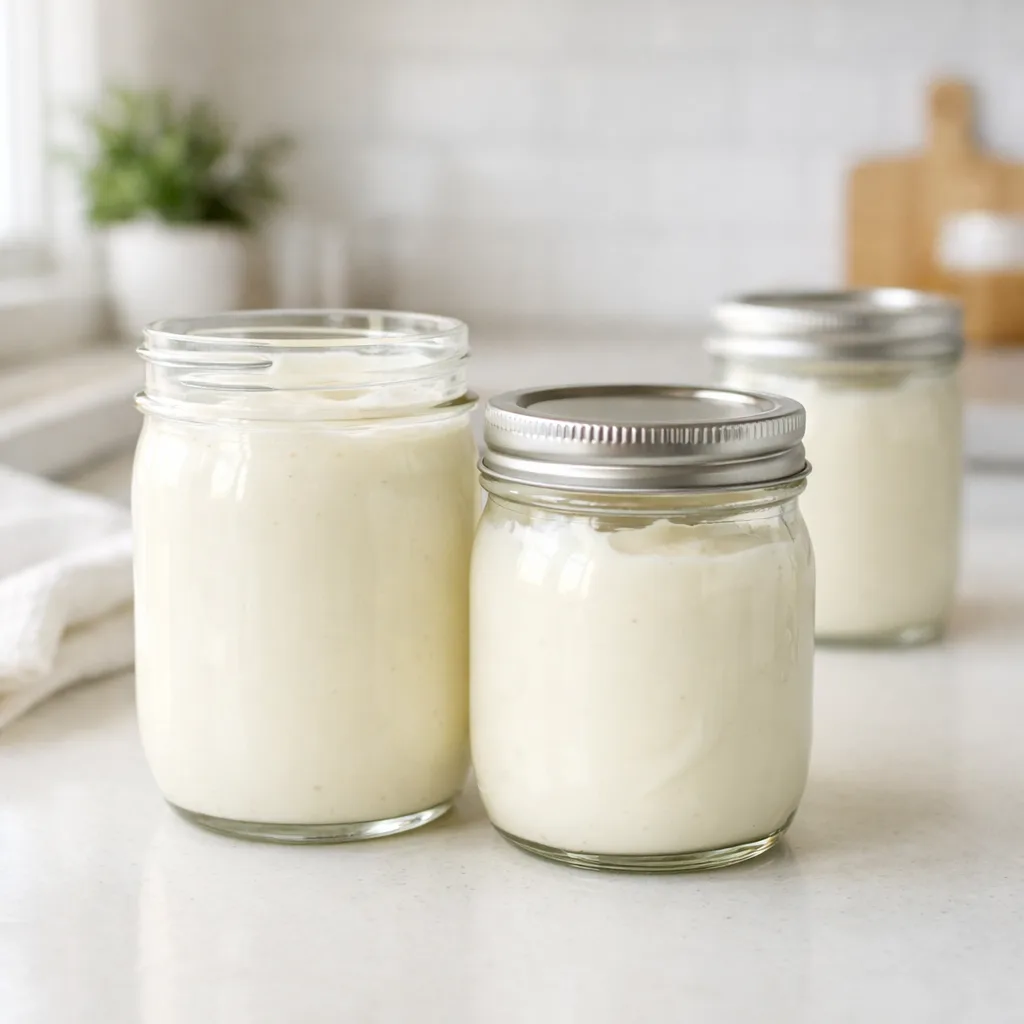
Before we move into the exact steps, it helps to understand why so many people are searching for how to make yogurt at home right now. Grocery prices keep rising, ingredient labels feel longer than ever, and many families simply want more control over what they eat. Learning how to make yogurt at home gives you that control in the most practical way. You choose the milk, you choose the starter culture, and you decide the texture.
When I first researched how to make yogurt at home, I realized it isn’t complicated science. It’s warm milk, live cultures, and time. That’s it. Once you understand how to make yogurt at home properly, you’ll see that the process becomes second nature. In fact, after two or three batches, many home cooks can make yogurt without even checking a recipe.
Another reason people look up how to make yogurt at home is flexibility. You can make thick Greek-style yogurt, a softer breakfast yogurt, or even strain it into labneh. Once you know how to make yogurt at home, you can adjust incubation time, milk type, and thickness based on your preference. That kind of kitchen freedom is hard to beat.
And let’s be honest — there’s something deeply satisfying about opening your fridge and seeing jars of yogurt you made yourself. Learning how to make yogurt at home turns an everyday food into a small but meaningful kitchen skill. Now that you understand the purpose and value behind how to make yogurt at home, we’re ready to break down the ingredients and tools you’ll need.
If you’re already interested in cultured dairy drinks, you might also enjoy reading about fermented milk traditions in this related guide on Persian yogurt drinks:
persian yogurt drink
Why Learn How to Make Yogurt at Home?
What Inspired So Many People to Try Homemade Yogurt
In recent years, more families have started looking up how to make yogurt at home because they want simple, real food made with fewer additives. When you read the label on store-bought yogurt, you might see stabilizers, thickeners, or added sugars. By learning how to make yogurt at home, you return to the basic method: milk and live cultures working together through natural fermentation.
Social platforms like Reddit and food blogs are full of home cooks sharing their jars of thick homemade yogurt. Many say once they understand how to make yogurt at home, they feel more confident in the kitchen overall. It becomes less about following strict recipes and more about understanding the fermentation process. That confidence carries over into other homemade foods like cultured dairy and fermented drinks.
Benefits of Making Yogurt at Home vs Store-Bought
One practical reason people search for how to make yogurt at home is cost. A gallon of milk can produce a large batch of yogurt, often at a lower price than buying multiple small containers. We will later answer exactly how much yogurt you get from 1 gallon of milk, but for now, know that the yield is generous.
Another advantage of learning how to make yogurt at home is texture control. If you prefer thick Greek-style yogurt, you can strain it. If you like it softer and spoonable, you can shorten the incubation time. When you understand how to make yogurt at home step by step, you also gain control over flavor. A shorter fermentation gives a mild taste, while longer incubation creates a tangier yogurt.
Finally, many people choose to make probiotic yogurt at home because they enjoy knowing it’s freshly cultured. While yogurt has been traditionally used in many cultures as part of a balanced diet, it’s important to remember that results may vary for each person. This recipe is shared for informational purposes and is not a substitute for medical advice.
Learning how to make yogurt at home is not about perfection. It’s about understanding a simple, time-tested method and making it part of your regular kitchen routine. Now that you know why this skill matters, let’s look at the exact ingredients and tools you’ll need to get started.
Print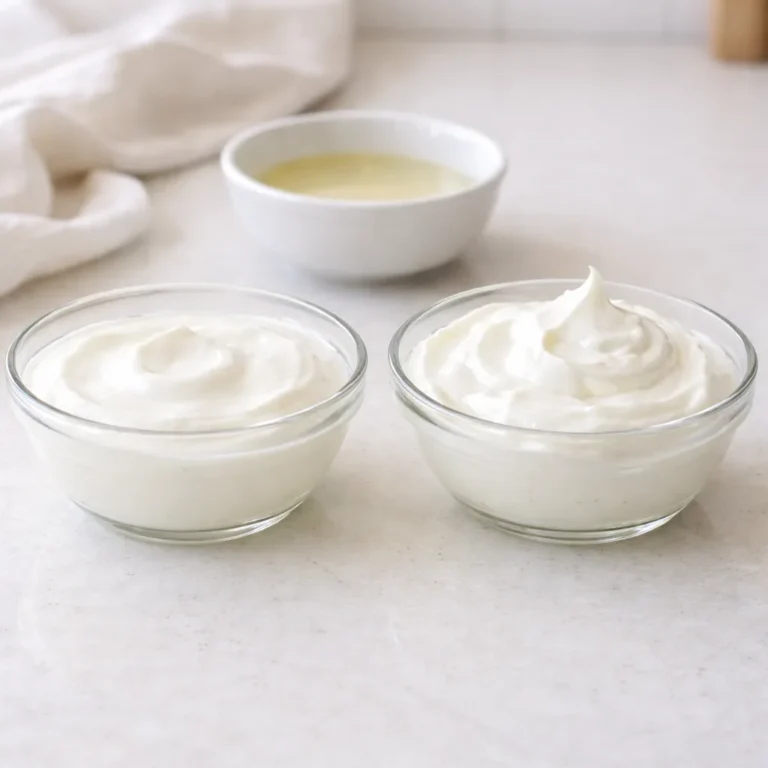
How to Make Yogurt at Home: Easy Step Guide
Learn how to make yogurt at home with this easy step-by-step guide. Discover the best milk to use, proper fermentation temperatures, yield from 1 gallon of milk, and expert tips for thick, creamy homemade yogurt.
- Total Time: 8 hours 45 minutes
- Yield: 1 gallon (or 3–3.5 quarts if strained) 1x
Ingredients
- 1 gallon whole milk (or low-fat/non-fat milk)
- 2–3 tablespoons plain yogurt with live active cultures (starter)
 Get Recipe Ingredients
Instructions
- Heat milk in a heavy-bottom pot to 180°F (82°C), stirring occasionally.
- Remove from heat and cool to 110°F (43°C).
- Mix a small amount of warm milk with the starter yogurt, then whisk back into the pot.
- Pour into clean jars and incubate at 105–110°F for 6–10 hours.
- Refrigerate for several hours to set before serving.
Notes
For thicker Greek-style yogurt, strain through cheesecloth for several hours. Shorter fermentation creates milder flavor; longer fermentation creates tangier yogurt. Always use fresh starter with live active cultures.
- Prep Time: 15 minutes
- Cook Time: 30 minutes
- Category: Breakfast
- Method: Fermentation
- Cuisine: International
Nutrition
- Serving Size: 1 cup
- Calories: 150
- Sugar: 11g
- Sodium: 120mg
- Fat: 8g
- Saturated Fat: 5g
- Unsaturated Fat: 3g
- Trans Fat: 0g
- Carbohydrates: 11g
- Fiber: 0g
- Protein: 8g
- Cholesterol: 30mg
Ingredients and Tools You Need
Basic Ingredients for Homemade Yogurt
If you truly want to understand how to make yogurt at home, you’ll be glad to know the ingredient list is surprisingly short. At its core, yogurt requires only two things: milk and a starter culture. That’s the foundation of how to make yogurt at home without unnecessary additives.
First, choose your milk. Whole milk produces a richer and creamier texture, while low-fat or non-fat milk creates a lighter result. Many beginners researching how to make yogurt at home start with whole milk because it’s more forgiving during fermentation. The natural milk proteins help create a thicker consistency.
Second, you need a starter culture. This can be plain yogurt with live active cultures from a previous batch or a store-bought container labeled with live cultures. When learning how to make yogurt at home, always check that the starter contains active bacteria, since those cultures are responsible for turning warm milk into yogurt through fermentation.
Kitchen Equipment Checklist
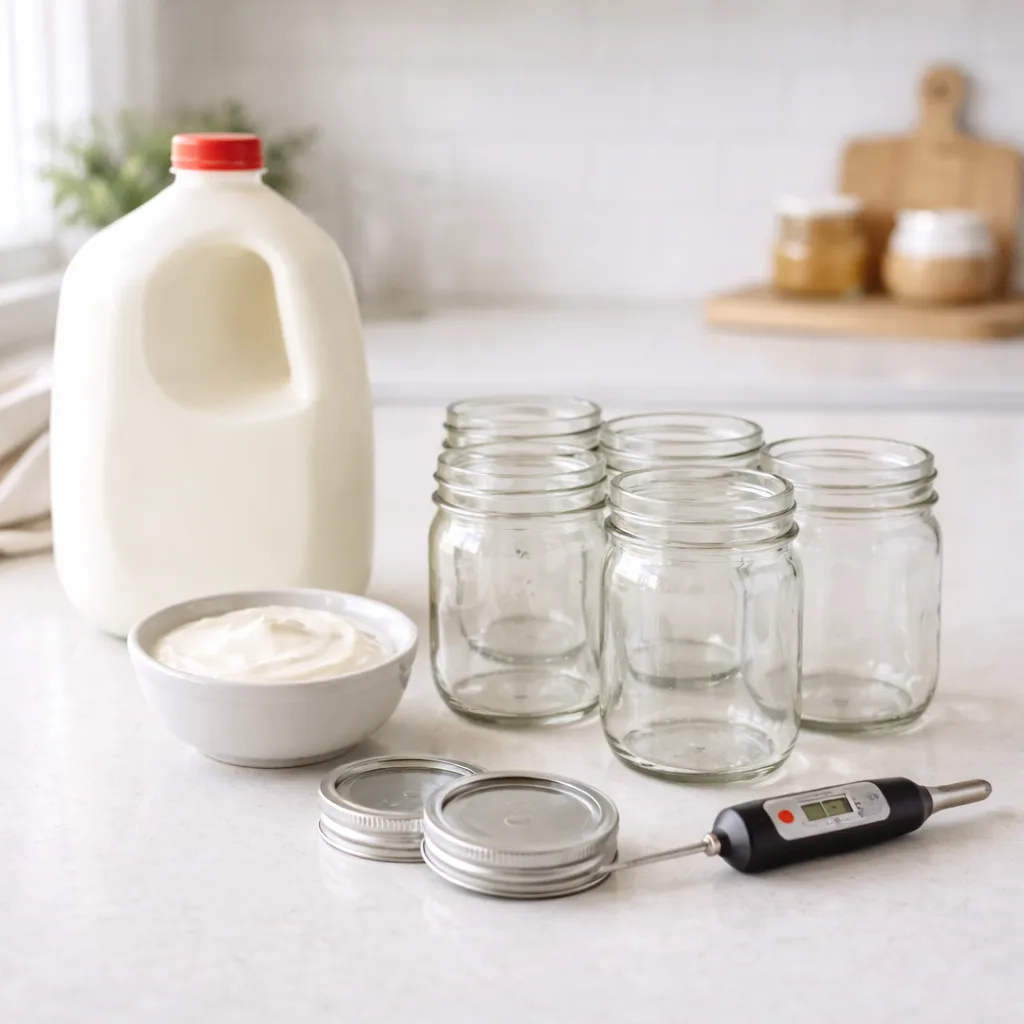
To confidently practice how to make yogurt at home, you also need a few basic kitchen tools. Fortunately, most people already have them. You’ll need a heavy-bottom pot for heating milk, a thermometer to monitor temperature, a whisk, and clean glass jars or containers. Temperature control is a key part of how to make yogurt at home, so a reliable food thermometer makes the process easier.
You will also need a way to keep the yogurt warm while it incubates. Some people use an oven with the light on, others wrap jars in towels, and some prefer a yogurt maker. No matter which method you choose, maintaining steady warmth is central to how to make yogurt at home successfully.
The good news is that you don’t need expensive equipment to master how to make yogurt at home. With simple tools, quality milk, and a small amount of starter, you’re ready to move into the step-by-step process that transforms ordinary milk into thick, cultured yogurt.
If you’re curious how fermentation works in other drinks, you may like this overview of fermented tea and how timing changes texture and flavor:
fermented tea
How to Make Yogurt at Home – Step by Step
Step 1: Heating the Milk Properly
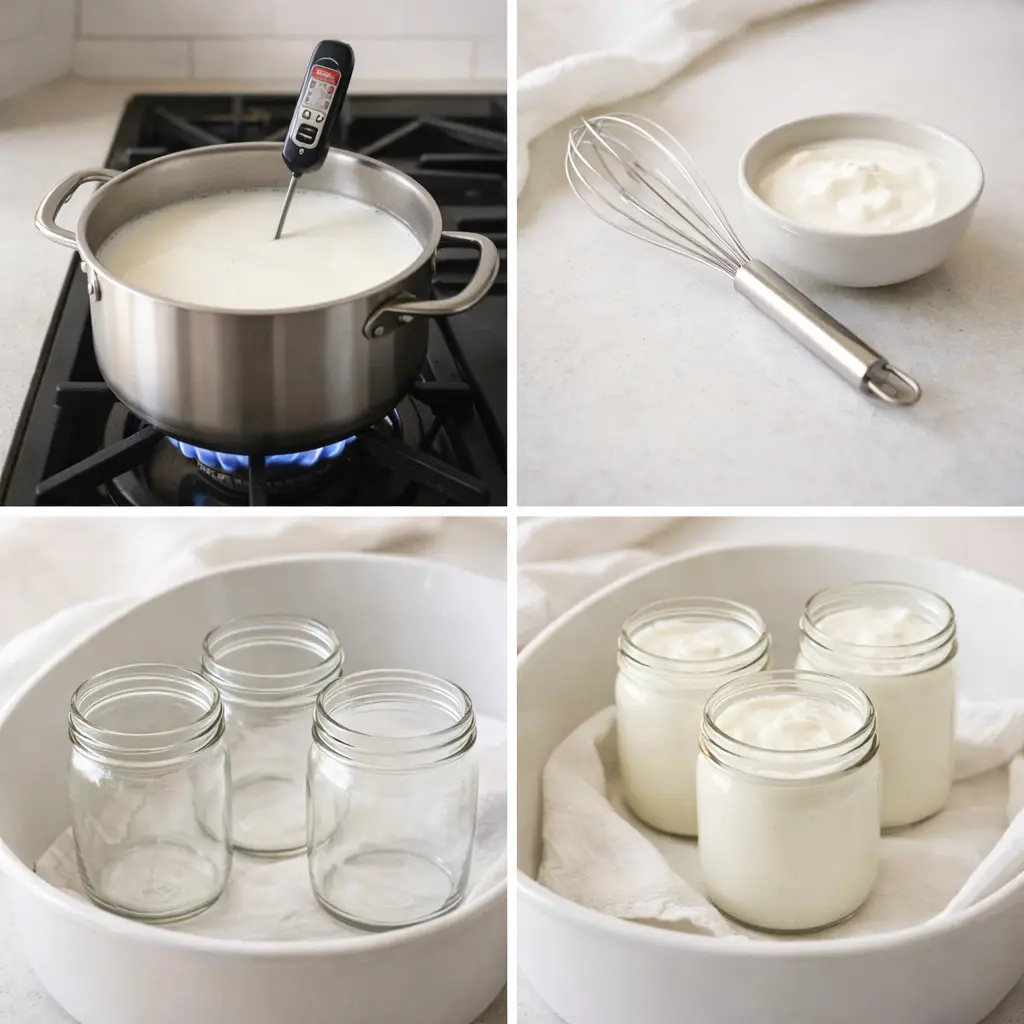
Now let’s walk through exactly how to make yogurt at home in a clear, practical way. Start by pouring your milk into a heavy-bottom pot and placing it over medium heat. Slowly warm the milk to about 180°F (82°C), stirring occasionally so it doesn’t scorch. This heating stage is an important part of how to make yogurt at home because it changes the structure of the milk proteins, which helps create a thicker final texture.
Once the milk reaches temperature, remove it from the heat and allow it to cool to around 110°F (43°C). If you’re serious about learning how to make yogurt at home consistently, using a thermometer here makes a big difference. Too hot, and you may damage the live cultures. Too cool, and fermentation may not start properly.
Step 2: Cooling and Adding the Starter
When the milk has cooled to the right temperature, scoop a small amount into a bowl and mix it with your starter yogurt. Then gently whisk that mixture back into the pot. This step activates the fermentation process and is central to how to make yogurt at home successfully. The live cultures begin feeding on the natural lactose in the milk, slowly transforming it into yogurt.
At this stage, if someone asked you how to make yogurt at home in simple terms, you could say: heat, cool, add cultures, and wait. The magic happens during that waiting period.
Step 3: Incubating for the Perfect Texture
After adding the starter, pour the milk into clean jars and keep them warm at about 105–110°F for 6 to 10 hours. The longer it sits, the tangier and thicker it becomes. Managing this incubation window is where you truly master how to make yogurt at home, because time directly affects flavor and consistency.
If you prefer mild yogurt, check it at the 6-hour mark. If you enjoy a tangier taste, let it ferment longer. Once it reaches your desired thickness, refrigerate it for several hours to set completely. Chilling stops fermentation and finishes the process of how to make yogurt at home from start to finish.
At this point, you’ve completed the full method. You’ve heated the milk, added live cultures, allowed fermentation, and created fresh homemade yogurt. Next, we’ll break down how yogurt is made step by step from a scientific perspective so you understand what’s happening behind the scenes.
If you enjoy exploring traditional fermentation methods, this kombucha recipe also shows how culture and technique blend beautifully:
kombucha recipe
How Is Yogurt Made Step by Step? (The Science Explained)
What Happens During Fermentation
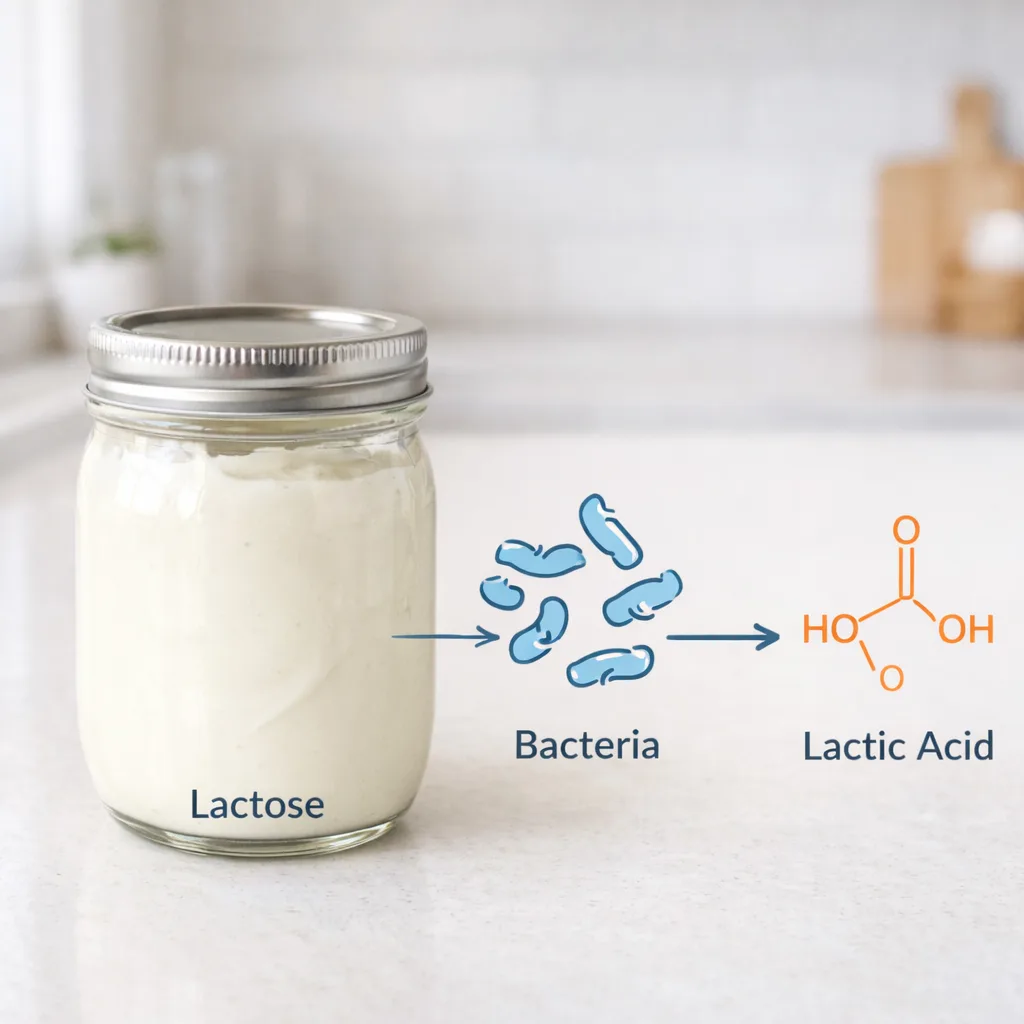
To really understand how to make yogurt at home, it helps to know what’s happening inside the jar during fermentation. When you add a starter culture to warm milk, beneficial bacteria begin feeding on lactose, the natural sugar found in milk. As they digest this sugar, they produce lactic acid. That acid lowers the milk’s pH and gently thickens it into yogurt.
This simple biological shift is the foundation of how to make yogurt at home successfully. The proteins in the milk reorganize as acidity increases, forming a soft gel structure. That’s why yogurt changes from liquid milk to a spoonable texture over several hours. If you’ve ever wondered why patience matters when learning how to make yogurt at home, fermentation time is the reason.
Why Temperature Control Matters
Temperature plays a central role in how to make yogurt at home with consistent results. The live cultures thrive in a warm environment between 105°F and 110°F. If the temperature drops too low, fermentation slows down. If it rises too high, the cultures may weaken. Maintaining steady warmth gives the bacteria the right conditions to multiply and gently thicken the milk.
Many beginners improve their results once they grasp this detail about how to make yogurt at home. Instead of guessing, they monitor the incubation temperature and adjust as needed. For example, placing jars in an oven with only the light on often creates a stable environment. Small adjustments like this make the process more predictable.
Understanding the science behind how to make yogurt at home doesn’t make it complicated. In fact, it makes it clearer. Once you know that bacteria convert lactose into lactic acid and that warmth supports this activity, the entire method feels logical rather than mysterious. Now that you understand the fermentation process, let’s answer a practical question many readers ask: how much yogurt do you get from 1 gallon of milk?
If you’re interested in other probiotic-style drinks, you might find this kefir guide helpful for comparison:
kefir weight loss drink
How Much Yogurt Do You Get from 1 Gallon of Milk?
One of the most practical questions people ask after learning how to make yogurt at home is about yield. If you start with 1 gallon of milk, you can expect to get close to 1 gallon of yogurt. The volume stays nearly the same because yogurt is simply milk that has been fermented and thickened. Understanding this helps you plan batches more confidently when practicing how to make yogurt at home.
However, texture can slightly change the final amount. If you prefer thick Greek-style yogurt and strain out the whey, the yield will decrease. In that case, from 1 gallon of milk, you might end up with about 3 to 3.5 quarts of thick yogurt. This variation is normal and part of adjusting how to make yogurt at home to match your taste. The more whey you remove, the thicker and denser the yogurt becomes.
Here is a simple breakdown:
| Starting Milk | Regular Yogurt Yield | Strained Greek-Style Yield |
|---|---|---|
| 1 Gallon | About 1 Gallon | 3–3.5 Quarts |
| ½ Gallon | About ½ Gallon | 1.5–2 Quarts |
Several factors influence how much yogurt you produce. The fat content of the milk, the length of fermentation, and whether you strain the yogurt all matter. When you consistently practice how to make yogurt at home, you’ll notice small differences between batches, but the general yield remains steady.
Another thing to remember is that whey, the liquid strained from yogurt, doesn’t have to go to waste. Many home cooks add it to smoothies, soups, or baking recipes. So even when adjusting how to make yogurt at home for a thicker consistency, you’re still using the full value of the milk.
Now that you know the expected yield and how straining affects the final amount, let’s look at another important question: what is the best milk for homemade yogurt?
What Is the Best Milk for Homemade Yogurt?
When people first learn how to make yogurt at home, one of the biggest decisions they face is choosing the right milk. The truth is, the type of milk you use shapes the flavor, thickness, and overall texture of your final batch. From my experience observing home cooks and reading countless kitchen discussions online, this choice often determines whether someone sticks with how to make yogurt at home long term or gives up after one try.
Whole Milk vs Low-Fat vs Non-Fat
Whole milk is usually the easiest starting point. It naturally produces a thicker, creamier yogurt because of its higher fat content. If you’re new to how to make yogurt at home, whole milk offers a more forgiving fermentation process and a richer mouthfeel. Many beginners find their first batch turns out better when they start here.
Low-fat milk can still produce good yogurt, but the texture may be slightly thinner. Some people add a spoon of powdered milk to increase thickness. When experimenting with how to make yogurt at home, small adjustments like this help maintain structure without changing the basic method.
Non-fat milk works as well, though the final result will be lighter and sometimes less creamy. If texture matters to you, you may prefer straining the yogurt after fermentation. Learning how to make yogurt at home with different milk types gives you flexibility, especially if your household has dietary preferences.
Can You Use Plant-Based Milk?
Another common question around how to make yogurt at home is whether plant-based milk can work. Almond, soy, and coconut milk can be cultured, but the process usually requires added thickeners or specialized starter cultures. Unlike dairy milk, plant-based alternatives lack the same protein structure needed for traditional fermentation.
That said, some people enjoy experimenting. If you decide to try a non-dairy version while learning how to make yogurt at home, follow a recipe specifically developed for plant-based milk to improve your chances of success. The texture and taste will differ from dairy yogurt, but it can still be enjoyable.
In general, if your goal is to master how to make yogurt at home with reliable results, start with pasteurized whole milk. Once you feel confident, you can branch out into lower-fat or alternative options. The beauty of homemade yogurt is that you’re in control of the ingredients and final texture.
Next, let’s talk about common mistakes people face when making yogurt and how to fix them calmly and confidently.
Common Mistakes and How to Fix Them
Even after carefully learning how to make yogurt at home, small issues can happen. The good news is that most problems are easy to correct once you understand what caused them. Making yogurt is a simple process, but like any kitchen skill, it improves with practice and observation.
Why Is My Yogurt Too Runny?
One of the most common concerns when practicing how to make yogurt at home is thin or runny texture. This usually happens when the milk wasn’t heated to the proper temperature or the incubation time was too short. Heating milk to about 180°F helps denature the proteins, which later form the thicker structure. If you skip or rush this step while learning how to make yogurt at home, the final texture may not fully set.
Another reason for runny yogurt can be weak starter culture. Always use fresh yogurt with live active cultures. If your previous batch has been stored too long, the bacteria may not be strong enough to properly ferment the milk. When refining how to make yogurt at home, starter quality matters more than many beginners realize.
If your yogurt turns out thinner than expected, you can strain it through cheesecloth for several hours. This removes excess whey and naturally thickens the yogurt without changing the flavor.
Why Does Homemade Yogurt Taste Sour?
A tangy flavor is normal, but sometimes yogurt can taste sharper than expected. When mastering how to make yogurt at home, fermentation time plays a key role in taste. The longer yogurt incubates, the more lactose converts into lactic acid. More acid means a stronger flavor.
If you prefer mild yogurt, reduce the incubation time to about six hours and refrigerate promptly. Temperature also affects sourness. If the yogurt stays too warm for too long, fermentation continues aggressively. Understanding these timing adjustments helps you fine-tune how to make yogurt at home to match your personal preference.
Remember, small variations are normal. Homemade yogurt may not taste identical every time, and that’s part of the charm. As you continue practicing how to make yogurt at home, you’ll develop an instinct for timing, warmth, and texture.
Now that we’ve addressed common challenges, let’s move on to storage tips and creative ways to flavor and serve your homemade yogurt.
Storing, Flavoring, and Serving Homemade Yogurt
Once you’ve learned how to make yogurt at home, proper storage becomes the next important step. Fresh yogurt should be transferred to airtight containers and placed in the refrigerator as soon as fermentation is complete. Cooling stops the culturing process and helps the texture fully set. Most homemade yogurt stays fresh for about 7 to 10 days when refrigerated properly. Keeping it sealed prevents unwanted odors from affecting the flavor.
If you plan to continue making batches, remember to reserve a few tablespoons from your current yogurt as a starter for the next round. This small habit makes how to make yogurt at home part of a continuous kitchen rhythm rather than a one-time project. However, after four or five generations, many people prefer refreshing their starter with a new store-bought culture to maintain strength and consistency.
Healthy Flavor Ideas and Add-Ins
Plain yogurt is incredibly versatile. After mastering how to make yogurt at home, you can customize it in countless ways. For breakfast, stir in fresh berries, chopped dates, or a drizzle of honey. For a savory option, mix yogurt with cucumber, garlic, and herbs for a cooling dip inspired by traditional Mediterranean recipes.
If you enjoy thicker yogurt, strain it overnight to create a spreadable texture similar to labneh. This technique adds variety without changing the foundation of how to make yogurt at home. Some families even use homemade yogurt as a base for smoothies, sauces, or baking recipes that call for cultured dairy.
Serving yogurt can be simple or creative. Spoon it over warm oatmeal, layer it into parfaits, or pair it with granola for texture contrast. The beauty of knowing how to make yogurt at home is that you’re not limited to one style or flavor profile. You control sweetness, thickness, and ingredients.
By now, you’ve learned preparation, fermentation science, yield expectations, milk selection, troubleshooting, and storage. In the next section, we’ll answer the most frequently asked questions about how to make yogurt at home in one clear and organized FAQ guide.
Frequently Asked Questions About How to Make Yogurt at Home
How can I make yogurt at home?
If you’re still wondering how to make yogurt at home in the simplest way possible, the process comes down to four clear steps: heat the milk, cool it slightly, add a live starter culture, and keep it warm while it ferments. Once you understand how to make yogurt at home, you’ll see that consistency matters more than complexity. Use fresh milk, monitor temperature carefully, and allow enough incubation time for the cultures to work. After chilling in the refrigerator, your yogurt is ready to enjoy.
How much yogurt do you get from 1 gallon of milk?
A common question when learning how to make yogurt at home is about quantity. In most cases, 1 gallon of milk produces close to 1 gallon of regular yogurt because fermentation thickens rather than reduces volume. If you strain the yogurt to create a thicker Greek-style version, you’ll remove whey and end up with slightly less. Still, once you’re comfortable with how to make yogurt at home, you’ll find batch planning easy and predictable.
How is yogurt made step by step?
Understanding how yogurt is made step by step helps reinforce how to make yogurt at home successfully. First, milk is heated to change the protein structure. Next, it’s cooled to a safe temperature for live cultures. Then, starter bacteria are added and allowed to ferment the milk for several hours. Finally, refrigeration stops fermentation and sets the texture. When broken down clearly, how to make yogurt at home follows a logical sequence rooted in simple fermentation science.
What is the best milk for homemade yogurt?
Many beginners exploring how to make yogurt at home ask which milk works best. Whole milk generally produces the thickest and creamiest results, making it a great starting point. However, low-fat and non-fat milk also work with slight texture differences. If you experiment with plant-based milk while practicing how to make yogurt at home, you may need additional thickeners or specific starter cultures. Choosing high-quality milk makes a noticeable difference in the final flavor and consistency.
These frequently asked questions summarize the core knowledge needed to feel confident about how to make yogurt at home. In the final section, we’ll wrap everything together with practical takeaways and a gentle reminder about safe preparation.
Conclusion: Bringing It All Together
By now, you’ve seen that learning how to make yogurt at home is not complicated, but it does require attention to detail. From heating the milk to managing fermentation time, each step builds on the next. When you first research how to make yogurt at home, it might seem technical, yet once you try it, the rhythm becomes natural and steady.
We covered the full process, including how yogurt is made step by step, how much yogurt you get from 1 gallon of milk, and what is the best milk for homemade yogurt. Each of these details helps you approach how to make yogurt at home with confidence instead of guesswork. The more you practice, the more predictable your results will be.
Homemade yogurt fits easily into everyday meals. You can enjoy it plain, sweetened with fruit, or used in savory sauces. After understanding how to make yogurt at home, you gain flexibility in both flavor and texture. Small adjustments in incubation time or straining can transform the final product to match your preference.
As with any homemade food, cleanliness and proper storage are important. Always use clean utensils, monitor temperature carefully, and refrigerate promptly once fermentation is complete. These simple habits make how to make yogurt at home safe and reliable for your kitchen routine.
This recipe is shared for informational purposes and is not a substitute for medical advice. While yogurt has been traditionally included in balanced diets across many cultures, individual dietary needs vary. If you have specific health concerns, consult a qualified professional.
If you’ve been thinking about how to make yogurt at home, consider this your sign to try. Start with a small batch, observe the process, and adjust as you learn. With patience and practice, how to make yogurt at home can become one of the most rewarding and practical skills in your kitchen.
Connect with us for more tips on Facebook and Pinterest where we share weekly ideas to keep your meals gut-friendly and stress-free.