Hi, it’s Sifaw here. Lately, I’ve seen a lot of buzz on TikTok and Reddit about “Japanese cheesecake hacks”—the ones promising that cloud-like texture with barely any ingredients. As someone who loves experimenting with sweets in my tiny home kitchen, I couldn’t resist trying them all. And let me tell you, not all hacks are equal—but when they work, it’s like cutting into a fluffy dream.
This article is for home bakers who’ve always been curious about Japanese cheesecake but maybe found the process intimidating. Or if you’ve tried making one and ended up with a pancake instead of a jiggle—this guide’s for you. You’ll learn exactly what makes Japanese cheesecake different, the secret to getting that bounce, how to fix the most common fails, and even how to flavor it without messing up the texture.
We’re going to cover:
- What gives Japanese cheesecake its fluffiness
- What makes it different from regular cheesecake
- Why your version might not jiggle (and how to fix it)
- A smart step-by-step Japanese cheesecake hack that saves time and delivers real results
Stick with me through this article, and you’ll have everything you need to confidently whip up your own jiggly, pillowy dessert.
Don’t miss our full archive of baking tricks and dessert recipes at Heartly Recipes.
Print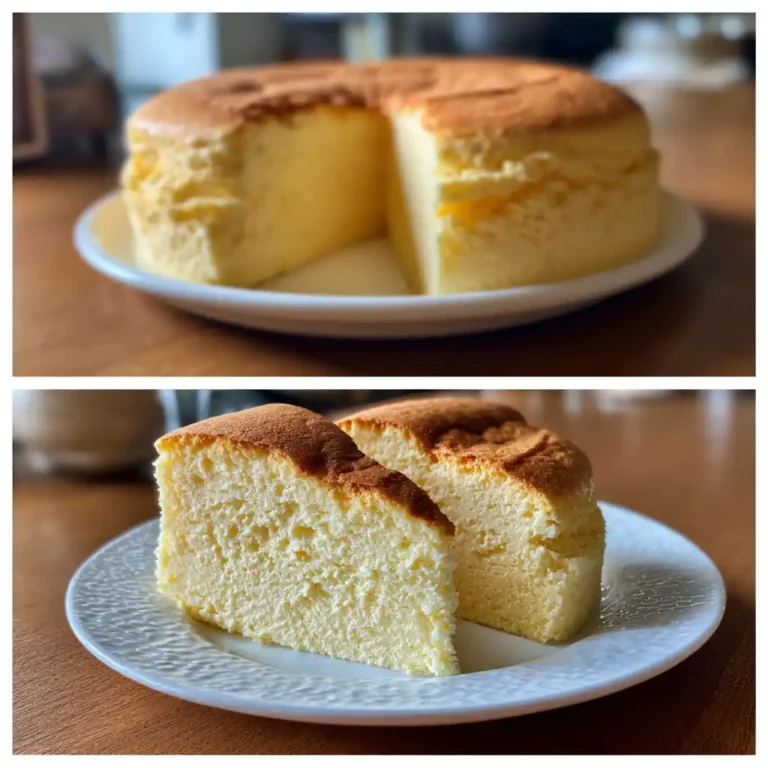
Japanese Cheesecake Hack
A simple, three-ingredient Japanese cheesecake hack that creates a fluffy, jiggly, cloud-like texture.
- Total Time: 60 minutes
- Yield: 1 cheesecake 1x
Ingredients
Instructions
1. Separate eggs and whip whites to stiff peaks. 2. Blend yolks with softened cream cheese and sugar. 3. Gently fold meringue into cream cheese mixture. 4. Pour into lined springform pan. 5. Bake low and slow at 300°F (150°C) until lightly golden and jiggly. 6. Cool gradually to avoid cracks. 7. Chill for 3 hours before slicing.
Notes
Use room-temperature ingredients for best texture. Avoid overmixing to preserve the jiggle.
- Prep Time: 15 minutes
- Cook Time: 45 minutes
- Category: Dessert
- Method: Baked
- Cuisine: Japanese
- Diet: Vegetarian
Nutrition
- Serving Size: 1 slice
- Calories: 210
- Sugar: 14g
- Sodium: 120mg
- Fat: 13g
- Saturated Fat: 7g
- Unsaturated Fat: 5g
- Trans Fat: 0g
- Carbohydrates: 16g
- Fiber: 0g
- Protein: 6g
- Cholesterol: 90mg
Introduction to Japanese Cheesecake Hack
What Is a Japanese Cheesecake?
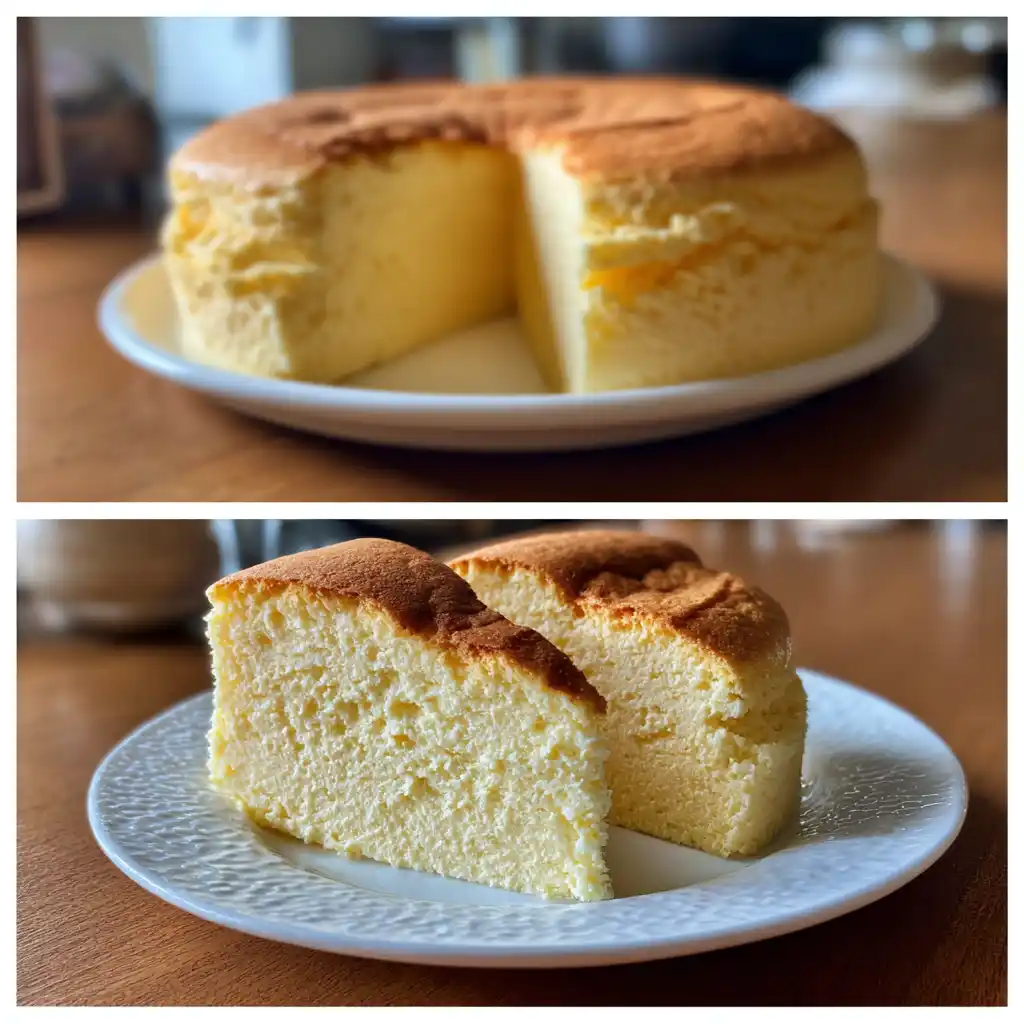
Japanese cheesecake, also known as Japanese cotton cheesecake or soufflé cheesecake, is famous for its soft, airy texture that jiggles with the slightest movement. Unlike traditional cheesecake, which is dense and rich, the Japanese version is light and fluffy—almost like a hybrid of sponge cake and cheesecake. It’s made with cream cheese, eggs, and sugar, whipped into a cloud-like batter that rises beautifully in the oven.
The appeal of a Japanese cheesecake hack is simple: to make this delicate dessert accessible for home cooks, without sacrificing the texture or taste. A proper hack can skip complex steps or ingredient overload, but still give you that iconic jiggle.
Why Use a “Hack” to Make It?
The traditional Japanese cheesecake recipe can be finicky. There’s water baths, precise mixing methods, and temperature juggling that can feel overwhelming. That’s where a Japanese cheesecake hack comes in handy. It simplifies the process using fewer tools, fewer steps, and often just three main ingredients.
Whether you’re baking in a small apartment, lack fancy gear, or simply want to save time, a good Japanese cheesecake hack strips away the intimidation. It’s ideal for beginner bakers, busy parents, or even seasoned cooks looking to test viral trends.
Pro Tip: Always start with room-temperature ingredients. Cold cream cheese or eggs can ruin your batter’s texture and make it harder to blend smoothly.
By the end of this guide, you’ll know how to master a reliable Japanese cheesecake hack, understand the science behind that fluffiness, and troubleshoot any issues that come your way.
The Science Behind Japanese Cheesecake
Understanding the Fluffy Texture
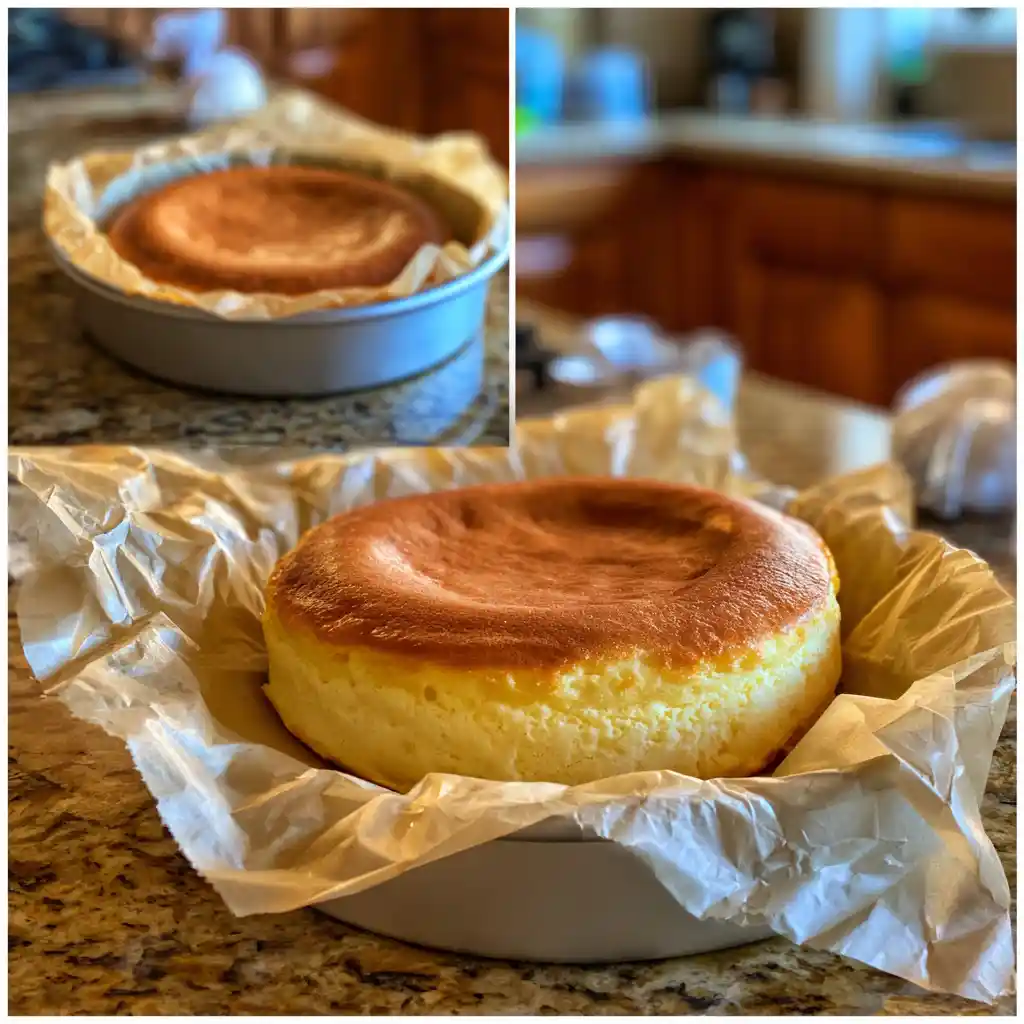
The reason Japanese cheesecake feels like eating a cloud comes down to air. A properly made batter traps tiny air bubbles through a process called emulsification. This happens when egg whites are whipped into a meringue and gently folded into the cream cheese base. As the cake bakes, steam expands those bubbles, creating the fluffy, jiggly texture Japanese cheesecake is known for.
That’s why every successful Japanese cheesecake hack respects this science. If your egg whites collapse or mix too aggressively with the base, the cake won’t rise—and the jiggle disappears. It’s not just about ingredients; it’s how you treat them that makes the difference.
How Japanese Cheesecake Differs from Regular Cheesecake
American-style cheesecake is dense, rich, and often baked in a graham cracker crust. Japanese cheesecake skips the crust entirely and uses fewer ingredients, focusing on airiness instead of creaminess. While both use cream cheese, Japanese versions often have more eggs, especially whipped egg whites, which act as a natural leavening agent.
The magic of a Japanese cheesecake hack is its ability to achieve that same levity without the traditional fuss. Instead of water baths and separate mixing bowls, hacks offer shortcuts while still highlighting the unique texture that sets this dessert apart.
Pro Tip: Use a kitchen scale. In baking—especially with something as delicate as a Japanese cheesecake hack—precision matters. A little too much flour or too little egg can completely throw off the texture.
Every step in this section plays a role in getting that unmistakable bounce. And once you understand the science, the hacks make a lot more sense.
Key Ingredients in Japanese Cheesecake
The Three Essential Ingredients in Japanese Cheesecake
Most people are surprised to learn you can pull off a light, jiggly Japanese cheesecake with just three basic ingredients: cream cheese, eggs, and sugar. That’s the foundation of nearly every Japanese cheesecake hack trending online right now. The cream cheese gives it that tangy richness, the eggs (especially the whites) create volume, and the sugar balances the flavor while helping stabilize the batter.
These ingredients aren’t fancy, but the way they’re handled makes all the difference. Overbeat the egg whites? You’ll lose the fluff. Use cold cream cheese? You might end up with lumps that ruin the smooth batter. A good Japanese cheesecake hack simplifies the prep—but doesn’t skip the essentials.
Optional Ingredients That Add Flavor and Moisture
If you’re feeling adventurous, there are plenty of simple add-ins that won’t mess with the cake’s structure. A splash of lemon juice or vanilla extract can brighten the flavor, while a spoonful of cornstarch can help stabilize the cake during baking. Some variations even include a bit of milk or yogurt for added moisture.
Still, the best Japanese cheesecake hack recipes keep it minimal. That’s part of the charm—you can whip one up with what you already have in your fridge. The key is to preserve that delicate balance between flavor and structure. Once you’ve mastered the basics, these add-ons can take your cheesecake from good to bakery-worthy.
Pro Tip: Want a subtle citrus note without adding liquid? Grate a little lemon zest into the batter. It adds flavor without affecting the consistency—a small tweak many Japanese cheesecake hack fans swear by.
Prepping for Success
Tools and Equipment You’ll Need
Before jumping into your favorite Japanese cheesecake hack, it’s essential to have the right tools ready. While most recipes online promise “no special equipment needed,” a few basics make a big difference. You’ll need a handheld or stand mixer for whipping egg whites properly, a springform pan lined with parchment paper, and ideally, a baking tray for water-steaming—even if you’re skipping the full bain-marie setup.
Some hacks also recommend using a sieve to strain the batter. This extra step keeps the texture ultra-smooth and is worth it, especially if you’re aiming for that signature jiggle. And yes, a kitchen scale is still a must—precision matters in any successful Japanese cheesecake hack.
Tips for Measuring Ingredients Accurately
Accurate measurements are non-negotiable in baking, but especially when you’re using a streamlined Japanese cheesecake hack. A single gram of extra flour or too little sugar can change the structure and weight of the batter. For consistent results, avoid relying on cup measurements and switch to grams and milliliters instead.
Another often overlooked detail? Room temperature. If your eggs or cream cheese are too cold, the batter won’t blend smoothly, and that can affect rise and jiggle. Always let your ingredients sit out at least 30 minutes before starting.
Pro Tip: Test your oven temperature with an external thermometer. Many ovens run hot or cold, and since a Japanese cheesecake hack relies on gentle heat, this small check can prevent cracks or overbaking.
Once you’ve got your tools and ingredients prepped correctly, every step of your Japanese cheesecake journey gets easier—and tastier.
Step-by-Step Japanese Cheesecake Hack
Preparing the Batter for Maximum Fluffiness
To get that light-as-air texture, start by separating your eggs. Beat the yolks with softened cream cheese until the mixture is silky smooth. In most Japanese cheesecake hack methods, this base doesn’t require any flour—just sugar to balance the taste and provide slight structure. Once the yolk mixture is ready, set it aside and whip the egg whites into stiff peaks.
The folding step is where the magic happens. Using a spatula, gently fold the meringue into the yolk mixture in thirds. The goal is to keep as much air as possible. This technique may feel slow, but it’s crucial for getting the volume that defines a successful Japanese cheesecake hack.
Baking Techniques to Get a Soft, Jiggly Center
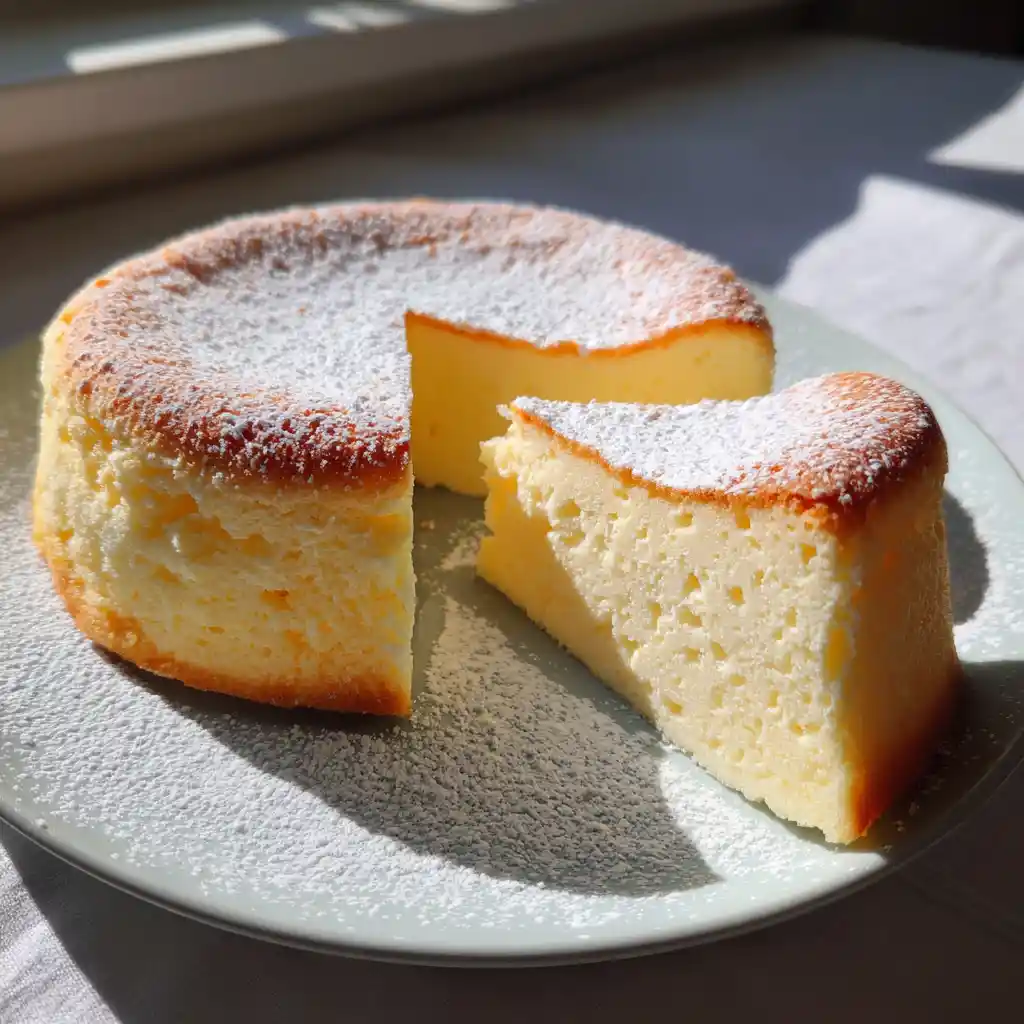
Preheat your oven to a low temperature—around 300°F (150°C)—and line your springform pan with parchment paper. Pour in the batter, tap the pan gently to release any large bubbles, and place it on a tray with a bit of hot water for gentle steam.
While traditional recipes use a full water bath, many Japanese cheesecake hack recipes skip it and still get good results. Just make sure you don’t overbake; that’s a common reason the cake turns dense. The top should stay pale with a slight golden tint, and it should wiggle when nudged—like a soft pillow.
Pro Tip: Let your cake cool in the oven with the door slightly open for 10–15 minutes. This prevents sudden temperature changes that could cause cracks—especially important in any no-fuss Japanese cheesecake hack.
Common Problems & How to Fix Them
Why Is My Japanese Cheesecake Not Jiggly?
One of the most frequent questions after trying a Japanese cheesecake hack is, “Why isn’t it jiggly?” The jiggle depends on two things: air in the batter and gentle baking. If your egg whites were overbeaten or folded too aggressively, the batter might collapse. The result? A dense, flat cheesecake with no bounce.
Another reason could be overbaking. Unlike traditional cheesecakes that thrive on firmness, Japanese cheesecake needs a delicate, low-and-slow heat. If it stays in the oven too long or your oven runs hot, you’ll end up with a sponge cake texture instead of a jiggly one.
Solutions for Collapsing, Cracks, or Dense Texture
If your cake cracks on top, that’s usually from sudden temperature changes or baking at too high a heat. To prevent this, always preheat the oven properly and allow the cake to cool gradually—especially when using a simplified Japanese cheesecake hack.
A collapsed center often signals undercooked batter or unstable meringue. To fix this, bake just a little longer next time, and make sure your meringue forms stiff, glossy peaks that hold their shape.
Also, avoid opening the oven door too early. That sudden rush of cool air can deflate your cake, leaving it sunken or soggy in the middle. And remember, a perfect Japanese cheesecake hack might need a test run or two—it’s all part of the learning curve.
Pro Tip: Practice folding your meringue using just whipped cream and food coloring first. It helps you learn the movement without risking ingredients, which is key for mastering the most delicate part of a Japanese cheesecake hack.
Flavor Variations and Serving Ideas
Creative Flavor Hacks (Matcha, Yuzu, Berry, etc.)
Once you’ve mastered the base recipe, the next step in your Japanese cheesecake hack journey is adding personality. One of the easiest ways to upgrade the flavor without affecting texture is using matcha powder. A teaspoon or two transforms the cake into a vibrant green treat with earthy notes that balance the sweetness.
Other fan favorites include yuzu zest for a citrusy kick, cocoa powder for a chocolate twist, or even blending in a bit of berry puree. The trick with any Japanese cheesecake hack is to avoid overloading the batter with moisture-heavy ingredients. Stick with powders, zests, or concentrated flavors to preserve that iconic fluff.
Serving, Storing, and Reheating Tips
After baking, let your cheesecake chill in the fridge for at least 3 hours—or overnight if you can wait. Chilling helps it firm slightly, while still keeping its signature wobble. When serving, slice with a warm knife and wipe between cuts to keep those lines clean.
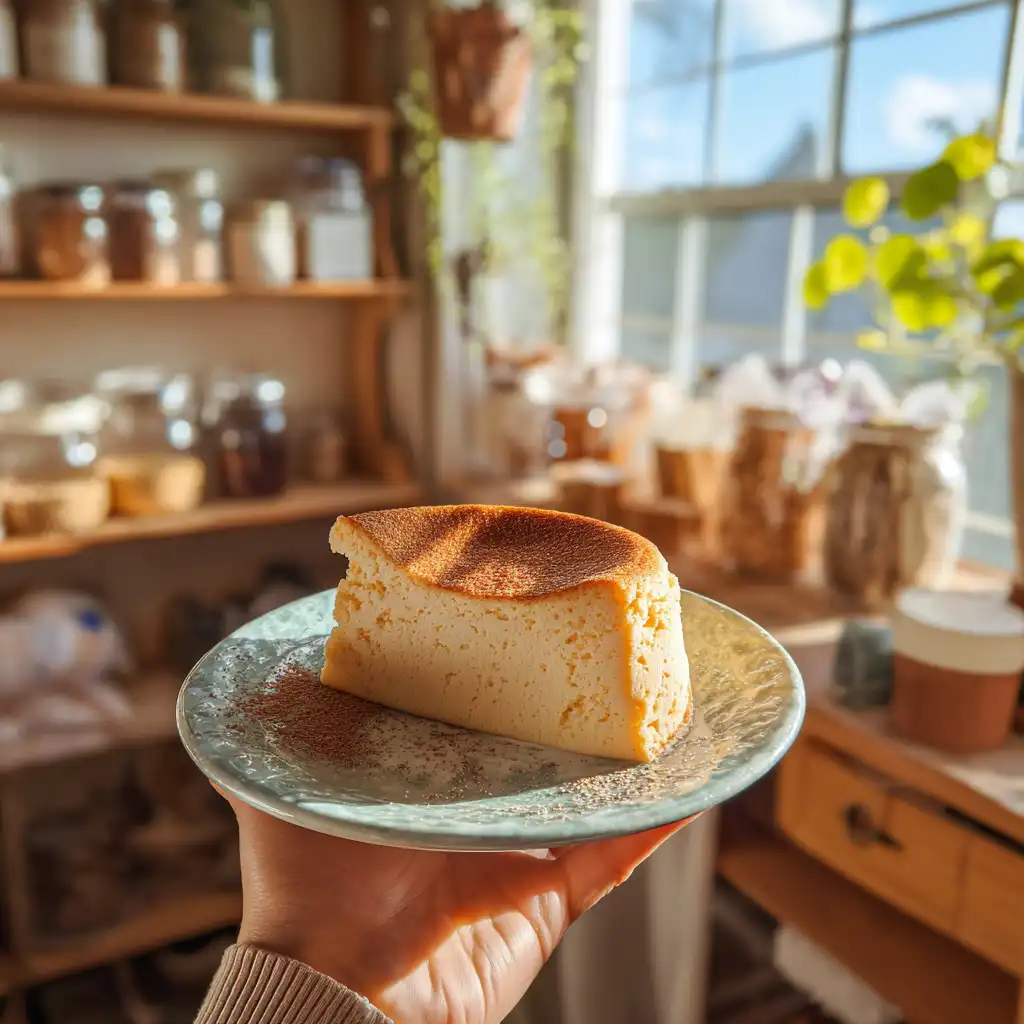
If you’ve used a Japanese cheesecake hack that skips crusts or binders, your cake might be a bit more delicate. Serve with fresh fruit, a dusting of powdered sugar, or even a light berry sauce. But avoid heavy toppings—they’ll weigh it down.
To store, keep it in an airtight container in the fridge for up to 3 days. Avoid microwaving to reheat; instead, let it sit at room temperature for 15 minutes before serving.
Pro Tip: Want to make mini versions? Pour your Japanese cheesecake hack batter into lined muffin tins. Reduce baking time and you’ve got perfectly portioned, jiggly desserts for parties or snack boxes.
Frequently Asked Questions (FAQ)
What makes Japanese cheesecake fluffy?
The fluffiness comes from whipped egg whites folded into a cream cheese base. This technique traps air, helping the cake rise in the oven. Many Japanese cheesecake hack versions rely on this method to deliver that signature bounce without using heavy leavening agents or flour.
How is Japanese cheesecake different from regular cheesecake?
Japanese cheesecake is lighter, airier, and has a sponge-like texture. It’s less sweet and doesn’t use a crust. In contrast, American cheesecake is dense and creamy. A solid Japanese cheesecake hack highlights this difference by using minimal ingredients to create a more delicate bite.
What are the three ingredients in Japanese cheesecake?
The classic three are cream cheese, eggs, and sugar. These form the foundation of almost every Japanese cheesecake hack, making it surprisingly easy to create a bakery-style dessert with just what’s in your fridge.
Why is my Japanese cheesecake not jiggly?
Common reasons include overmixing the batter, underbaking, or using cold ingredients. Jiggly texture needs a stable meringue and gentle heat. Any good Japanese cheesecake hack will emphasize the importance of slow baking and proper folding technique to keep that jiggle alive.
Pro Tip: If you’re short on time, try baking in a smaller pan. Your Japanese cheesecake hack will set quicker and jiggle just as much—ideal for weeknight cravings.
PART 9: Conclusion
Mastering a good Japanese cheesecake hack is like discovering the shortcut to bakery-quality dessert at home. With just a few ingredients, the right folding technique, and a bit of patience, you can achieve that perfect fluff and jiggle that makes this cheesecake so loved worldwide.
We’ve walked through the science, the tools, and the most common pitfalls—plus some easy flavor variations to make each bake your own. Whether you’re new to baking or just looking for a reliable go-to recipe, a thoughtful Japanese cheesecake hack brings consistent results with half the stress.
So next time you see a slice bounce in a TikTok video or a food blog reel, you’ll know exactly how it’s done—and how to do it better in your own kitchen. Keep your ingredients simple, your folding gentle, and your baking slow and steady.
Looking for inspiration? Try this collection of easy recipes and dessert hacks to keep your sweet skills sharp.
Pro Tip: Snap a picture of your cheesecake when it’s fresh out of the oven—it’ll never jiggle more perfectly than in that moment. And tag your post if you try a Japanese cheesecake hack version of your own. Happy baking!
This recipe is shared for informational purposes and is not a substitute for medical advice. Follow safe food practices and adjust based on your personal dietary needs.
You can also connect with me on Facebook or find visual step-by-steps on Pinterest.