I’ve noticed more and more people on TikTok and Reddit talking about gut health — and not just in a medical way, but through fun, creative food habits. One trend that keeps coming up in my own kitchen and in online conversations is juicing. Whether it’s a shot of ginger in the morning or a vibrant green blend with pineapple and celery, juice seems to be a popular way to “reset” the system. But beyond the hype, I wanted to dig into how juicing might really support digestion — not as a cure, but as a part of a thoughtful food routine.
In this article, we’re going to look at juicer recipes for gut health — what they are, how they might support digestion, and how to make them at home. If you’ve been wondering which ingredients to choose, how often to juice, or even what not to combine, you’re in the right place.
This guide is for anyone interested in adding more natural, plant-based juice into their lifestyle — especially if you’re curious about digestion, feeling lighter, or just want to try easy, delicious ways to use your juicer. You’ll learn about the best fruits and veggies for gut-friendly juices, get a few tested recipes you can try right away, and find some smart tips (including mistakes to avoid!).
Looking for inspiration? Try our beet juice recipe for weight loss for a naturally sweet and earthy gut-supportive blend.
So grab your favorite produce, and let’s get into it.
Understanding Gut Health
What Is Gut Health?
Gut health refers to how well your digestive system — including your stomach, intestines, and the bacteria that live there — functions day to day. A healthy gut helps break down food properly, absorb nutrients, and maintain a strong immune system. When something’s off in your digestion, you might feel bloated, sluggish, or notice irregularity. That’s why so many people turn to juicer recipes for gut health as a gentle way to support their system.
Our gut is home to trillions of microorganisms known as the microbiome. These tiny organisms help regulate digestion, mood, inflammation, and even skin health. By feeding them the right nutrients — especially those from raw fruits and veggies — we may support better balance and comfort. That’s where juicer recipes for gut health can really shine: they’re quick to make, easy on digestion, and packed with hydrating plant compounds.
Why Gut Health Matters for Overall Wellness
When your gut is working well, the rest of your body tends to follow. Many wellness routines today include juicer recipes for gut health not just to help with digestion, but to create a foundation for overall energy, focus, and comfort. A juice packed with ginger, cucumber, or apple cider vinegar might not fix everything, but it can be a simple, refreshing tool in your wellness kit.
More and more people are experimenting with natural ways to feel better — and juicer recipes for gut health often come up as a favorite. They’re colorful, customizable, and they tap into real ingredients that many cultures have used for centuries. Whether you’re looking to reduce occasional bloating or just want a fresher way to hydrate, gut-friendly juices are a great place to start.
Check out this heavy metal detox smoothie recipe — it uses greens and citrus that may support digestive cleansing, too.
How Juicing Supports Gut Health
Nutrients in Fresh Juice That Promote Gut Function
One of the main reasons people turn to juicer recipes for gut health is the concentration of essential nutrients packed into a single glass. When you juice fresh fruits and vegetables, you extract vitamins, minerals, and plant compounds that may support the digestive system in gentle, effective ways. These include antioxidants like vitamin C, enzymes from pineapple or papaya, and prebiotic fibers that nourish good bacteria in the gut.
Juices made with leafy greens, carrots, or ginger provide phytonutrients that may help soothe inflammation and support healthy bowel movements. When consumed without added sugars or artificial ingredients, these juices may become a consistent, helpful part of your digestive wellness routine.
Looking for inspiration? Try this turmeric ginger shot, known in many wellness circles for its potential to support digestion and immunity.
How Juices Help Balance Digestive Enzymes and Microbiome
Our digestive system relies on enzymes and a balanced microbiome to function smoothly. Enzymes help break down food, while the microbiome regulates absorption and immunity. Some juicer recipes for gut health feature ingredients that naturally encourage enzyme activity — like fresh lemon, green apple, or fennel — making them easy to digest and supportive of gut performance.
Meanwhile, juicing ingredients like celery, cucumber, and mint can hydrate the body while promoting a more alkaline environment, which some people associate with better digestion. While juicing removes most insoluble fiber, it still allows for faster nutrient delivery and may give the gut a rest from heavy or processed meals. In this way, juicer recipes for gut health can complement a mindful diet that supports long-term wellness.
Don’t miss our fermented garlic honey recipe — a gut-friendly addition you can pair with many juices to boost natural fermentation benefits.
Essential Ingredients for Gut‑Healthy Juices
Best Fruits for Gut Health (e.g., Pineapple, Papaya)
Not all fruits are created equal when it comes to juicer recipes for gut health. Some shine because they contain natural enzymes that may support digestion and reduce bloating. Pineapple, for example, contains bromelain — an enzyme that may help break down protein. Papaya offers papain, another digestive enzyme known to be soothing on the stomach.
Other gut-friendly fruits include apples, which provide pectin (a prebiotic fiber), and berries, which are rich in antioxidants that may help reduce inflammation in the digestive tract. When blended into a juice, these fruits deliver their benefits in a simple, hydrating form. The sweetness also helps balance stronger greens, making your juice tasty without adding sugar.
Try pairing your favorite fruit with a hydrating base like cucumber or coconut water. It’s a refreshing way to enjoy juicer recipes for gut health that are both flavorful and functional.
Best Veggies & Herbs for Gut Health (e.g., Ginger, Kale)
Vegetables and herbs are just as important in crafting balanced juicer recipes for gut health. Ginger is one of the top picks for digestion thanks to its long history of use in traditional remedies. It may ease nausea, help with motility, and support enzyme activity. Kale and spinach bring in chlorophyll, magnesium, and fiber that may aid regularity and feed beneficial bacteria.
Cucumber is another star — it’s high in water and supports hydration, which is vital for digestion. Mint adds a calming, cooling effect on the stomach, while fennel can reduce gas or bloating for some people. A good juicing tip? Mix at least one root, one green, and one herb to balance flavor and gut-supporting nutrients.
Check out our kombucha recipe, which uses fermentation and gut-supportive tea for a bubbly twist on digestive drinks.
Top Juicer Recipes for Gut Health
Juice #1: Green Gut Cleanse
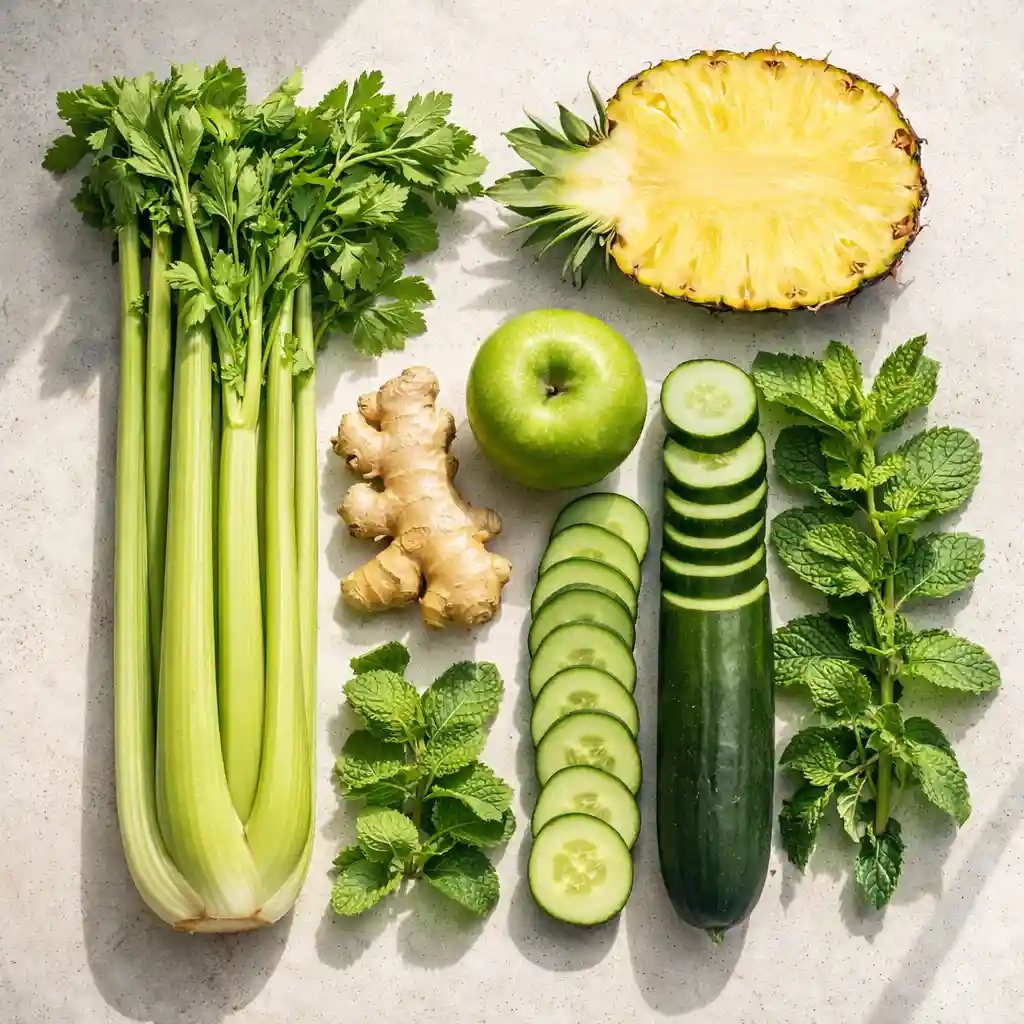
This classic blend is one of the most effective juicer recipes for gut health if you’re looking to feel lighter and more refreshed. It’s loaded with hydrating greens, a touch of ginger, and lemon to brighten the flavor while giving your digestion a gentle nudge.
Ingredients:
- 1 cucumber
- 2 celery stalks
- 1 green apple
- ½ lemon (peeled)
- 1-inch ginger root
- Small handful of parsley
How to Make It:
Wash all ingredients well, especially the greens. Chop them to fit your juicer, juice everything, and serve immediately. For a stronger cleanse effect, drink on an empty stomach in the morning.
Juice #2: Ginger + Carrot Digestive Booster
Ginger is a staple in many juicer recipes for gut health, and for good reason. This blend uses carrot’s natural sweetness to make the spicy kick of ginger more palatable, while orange brings in vitamin C and gut-soothing properties.
Ingredients:
- 4 carrots
- 1 orange
- 1-inch piece of fresh ginger
- ½ turmeric root (optional)
- ½ cup water (if needed to thin)
How to Make It:
Peel and prep ingredients. Juice everything and drink slowly. This is especially nice post-meal or midday when your digestion feels sluggish.
Don’t miss our cucumber weight loss drink, another hydration-rich option that may support gentle gut cleansing.
Juice #3: Tropical Pineapple & Mint Gut Refresher
This is one of my favorite juicer recipes for gut health because it tastes like vacation — but it’s working hard behind the scenes. Pineapple provides enzymes, while mint cools the gut and cucumber adds hydration.
Ingredients:
- 1 cup pineapple
- ½ cucumber
- 5 fresh mint leaves
- Juice of ½ lime
- ½ green apple
How to Make It:
Juice all ingredients and serve chilled. This is perfect in warmer weather or as a light way to start the day.
Pro Tip: Always drink your gut-friendly juice slowly, not all at once. It gives your body time to process the nutrients and helps avoid sudden sugar spikes — even from natural sugars.
Best Practices When Juicing for Gut Health
How Often Should You Juice?
If you’re using juicer recipes for gut health as part of a routine, consistency matters more than intensity. You don’t need to do extreme juice cleanses to support digestion. Many people enjoy one juice daily or a few times per week — especially in the morning when digestion is just waking up. The key is finding what feels right for your body and fits your lifestyle.
That said, listen to your digestion. If a certain blend leaves you bloated or uncomfortable, it may be too high in fruit sugars or missing fiber. Keep your juices balanced with greens, herbs, and low-sugar produce to avoid unnecessary spikes or crashes.
Tips to Maximize Gut Benefits from Juicing
To get the most out of juicer recipes for gut health, drink your juice fresh. Nutrients and enzymes begin to degrade quickly, especially if exposed to light or heat. Use a cold-press juicer if possible, and store your juice in an airtight glass container if you can’t drink it immediately — but no more than 24 hours.
Pro Tip: Add a pinch of sea salt or a splash of apple cider vinegar to help support electrolyte balance and digestion. It’s a simple trick that can make your juice even more functional.
Try combining juicing with other gut-friendly habits like fermented foods or mindful eating. Pairing juice with a fiber-rich snack (like oats or chia pudding) may help keep things moving while maintaining blood sugar balance.
Check out this kale smoothie for weight loss recipe — it’s a thicker option but still offers gut-nourishing benefits thanks to the fiber and greens.
Common Juicing Mistakes to Avoid
One mistake people make when trying juicer recipes for gut health is adding too many fruits. While fruits offer vitamins and enzymes, high amounts can cause sugar overload — especially without fiber to slow absorption. Stick to one or two fruits per juice and fill the rest with veggies or herbs.
Also, avoid mixing ingredients that clash in flavor or digestion — like milk and citrus. Keep your blends simple, clean, and supportive of your gut’s natural rhythms.
Safety & Nutrition
What to Watch Out For: Sugar, Fiber & Juicing
While juicer recipes for gut health can be a great way to support digestion, it’s important to understand what’s in your juice — and what’s not. Juicing removes insoluble fiber, which helps bulk up stool and regulate the digestive tract. That’s why many people alternate between smoothies and juices or pair their juice with fiber-rich meals.
Another factor to keep an eye on is sugar. Even natural sugars from fruits like mango or grapes can add up quickly. A juice packed with too many sweet ingredients may feel energizing at first but could leave you feeling sluggish later. Stick with fruits like green apple, kiwi, or lemon to keep the sugar low while still enhancing taste.
Pro Tip: Include at least one vegetable or herb for every fruit in your recipe. This balances flavor, keeps sugars in check, and makes your juice more gut-friendly.
Looking for something that walks the line between juice and tonic? Don’t miss this apple cider vinegar post — it breaks down how a small splash can support digestion when paired with raw juices.
Who Should Be Cautious With Juicing?
Though juicer recipes for gut health are generally gentle and plant-based, not everyone should jump in without thought. People with diabetes or blood sugar issues should monitor the types and quantities of fruit used. Additionally, those with sensitive stomachs might want to avoid juices that are too acidic or spicy, like those heavy on citrus or ginger.
It’s also wise not to replace full meals with juice unless guided by a healthcare provider. Juicing works best as a complement, not a complete substitute for solid food. The goal is to support your digestion — not overwhelm it or starve it.
How to Pair Juices With Meals for Best Digestive Results
Timing matters. Drinking juicer recipes for gut health first thing in the morning may help stimulate digestion and prep the gut for the day. Many people also like sipping juice about 30 minutes before a meal to aid enzyme activity and reduce bloating. Avoid drinking juice alongside heavy meals, as it may dilute stomach acids needed for digestion.
Pairing juice with a light breakfast — like oatmeal or a boiled egg — can offer both quick nutrients and staying power. It’s all about balance and learning what works best with your unique body.
FAQs About Juicing & Gut Health
Is juicing good for your gut health?
Many people turn to juicer recipes for gut health because they offer a gentle, nutrient-dense way to support digestion without heavy meals. While juicing isn’t a cure-all, fresh juices made with the right ingredients may help ease bloating, stimulate digestive enzymes, and hydrate your system. The key is balance — low-sugar, high-veggie blends are often the most effective.
Which juice is best for gut health?
There’s no single “best” option, but juices with ingredients like ginger, pineapple, cucumber, mint, and lemon tend to show up frequently in gut-focused blends. These ingredients may calm the digestive tract, promote hydration, and offer enzymes that support breakdown of food. Many juicer recipes for gut health rotate these ingredients depending on what’s in season or what the body needs most.
Want more inspiration? Try this ginger trick recipe, which highlights one of the most trusted roots in digestive wellness.
What should you not mix when juicing?
Some combinations may sound tasty but can be hard on digestion. For example, mixing dairy with citrus can create a curdling effect and may irritate the stomach. In the world of juicer recipes for gut health, it’s best to keep ingredients simple and complementary. Avoid overloading with too many fruits, and don’t combine starchy veggies (like potatoes) with acidic ingredients.
Pro Tip: When experimenting with new ingredients, try small servings first. Everyone’s gut reacts differently, so ease into combinations slowly to find what works best for your body.
What is the best juice to cleanse your gut?
Cleansing doesn’t have to mean extreme. A well-balanced green juice with cucumber, lemon, celery, and ginger is a popular choice. These ingredients hydrate, may reduce inflammation, and support the body’s natural detox pathways. Many juicer recipes for gut health used for “cleansing” aim to be refreshing, low in sugar, and packed with enzymes and antioxidants.
Curious about layering gut-support with other remedies? This lemon balm weight loss drink recipe offers a calming, herbal approach that complements your juicing routine.
Pro Tips for Boosting Gut Health With Juices
Juicing is more than just tossing fruits and veggies into a machine. To truly get the most from juicer recipes for gut health, it helps to understand how to level up your blends for flavor, freshness, and digestive support. Here are four pro tips I use in my own kitchen to keep each juice as functional as it is tasty.
Pro Tip 1: Add Probiotics After Juicing
For an extra gut-friendly boost, stir in a tablespoon of probiotic-rich kefir water, coconut yogurt, or even a spoon of raw apple cider vinegar after juicing. This won’t work inside the juicer, but gently mixing it in afterward can add live cultures to support gut balance. It’s one of the easiest upgrades for any of your juicer recipes for gut health.
Pro Tip 2: Let Your Juice Rest (Just a Bit)
While fresh is best, letting your juice sit for 5–10 minutes (covered and refrigerated) may mellow flavors like ginger or turmeric. It also gives you a chance to prepare a small snack to pair with it — like a handful of nuts or a boiled egg — which can help balance blood sugar and support digestion alongside your juice.
Pro Tip 3: Store Smart
If you’re prepping ahead, use a glass container with an airtight lid and keep juice refrigerated. Even better, fill it all the way to the top to minimize oxidation. But remember: juicer recipes for gut health lose nutrient power quickly, so try to drink within 24 hours. Avoid plastic bottles if you can, especially when juicing acidic ingredients like lemon or pineapple.
Pro Tip 4: Go Seasonal With Your Ingredients
Seasonal produce is often fresher, more affordable, and better for digestion. In summer, think cucumber, mint, and berries. In winter, reach for citrus, fennel, and carrots. Adapting your juicer recipes for gut health to the seasons keeps things exciting — and gives your body the variety it needs.
Looking for more balanced options? Our lemon balm weight loss drink recipe uses calming herbs that can easily be added to juices for extra digestive support.
Conclusion – Your Juice Journey to a Healthier Gut
Starting with juicer recipes for gut health can feel like a small change, but over time, it may become one of the most supportive habits in your wellness routine. You don’t have to overhaul your diet or live off liquids — even a few glasses per week can offer hydration, nutrients, and that refreshed feeling so many of us are after.
What matters most is consistency. Keep ingredients simple, seasonal, and balanced between fruits, veggies, and herbs. Pay attention to how your body responds, and don’t be afraid to adjust. If one recipe doesn’t sit well, try a different blend next time. Gut health is personal, and your juice journey should be too.
Pro Tip: Start a weekly juicing ritual — perhaps Sunday morning — to prep 2–3 bottles ahead. It’s a relaxing way to enter the week with intention and care for your digestive system.
Don’t miss our fermented garlic honey if you’re looking to add natural probiotics alongside your juice routine. Fermented additions like these pair beautifully with many juicer recipes for gut health.
If you’re curious about combining juicing with other gentle practices, check out our lemon balm weight loss drink recipe. It’s a smooth herbal blend that adds variety and calm to your gut-loving lineup.
This recipe guide is shared for informational purposes and is not a substitute for medical advice. Always consult your healthcare provider for personalized support.
Connect with us on Pinterest for fresh juicing ideas, and follow our Facebook page for daily kitchen inspiration.