
I’ve noticed something interesting lately. Whether I’m scrolling through TikTok, reading a Reddit thread, or chatting with friends in my kitchen, the same question keeps popping up: “How can I make my favorite meals lighter without giving them up?” That curiosity is what inspired me to gather these low calorie recipe swaps in one simple, practical guide.
Low calorie recipe swaps are small ingredient changes that can lower the overall calorie content of your meals while still keeping them satisfying and full of flavor. They’re not about strict dieting or cutting out entire food groups. Instead, they’re about making smart, realistic substitutions that fit into everyday life.
If you’re trying to cook lighter meals for yourself or your family, manage portion sizes more mindfully, or simply build healthier eating habits, this article is for you. You’ll learn how to swap high-calorie ingredients for lighter alternatives, how to adjust cooking methods, and how to build balanced plates without feeling restricted.
Many people searching for low calorie cooking ideas feel overwhelmed. There’s so much advice online, and sometimes it sounds complicated. Here, we’ll keep it simple. You’ll find healthy ingredient substitutions for breakfast, lunch, dinner, snacks, and even baking. We’ll also look at common mistakes people make with low calorie recipe swaps and how to avoid them.
If you’re already working on balanced eating, you might also enjoy learning more about calorie-conscious meals like those in our guide to calorie deficit meals at calorie deficit meals 2. It pairs naturally with the practical swaps we’ll cover here.
Throughout this article, I’ll share ideas based on everyday home cooking experience. From my experience in the kitchen, small changes often make the biggest difference. For example, switching from heavy cream to Greek yogurt in sauces or using zucchini noodles instead of pasta can noticeably reduce calories while keeping texture and taste enjoyable.
You’ll also see references to trends people are talking about online. Many users on Quora and Reddit mention replacing white rice with cauliflower rice or using air fryers instead of deep frying. While results vary for each person, these healthy food swaps can make meals feel lighter and easier to fit into a balanced lifestyle.
This article will guide you step by step through:
- Understanding what low calorie recipe swaps really are
- Practical swaps for breakfast, lunch, and dinner
- Baking and dessert substitutions
- Smarter cooking methods
- Grocery shopping tips
- Sustainable habits that last
This content is shared for informational purposes and is not a substitute for medical advice. If you have specific health concerns, it’s always best to consult a qualified healthcare professional.
Let’s begin by understanding what low calorie recipe swaps truly mean and how they can fit naturally into your everyday cooking routine.
Understanding Low Calorie Recipe Swaps
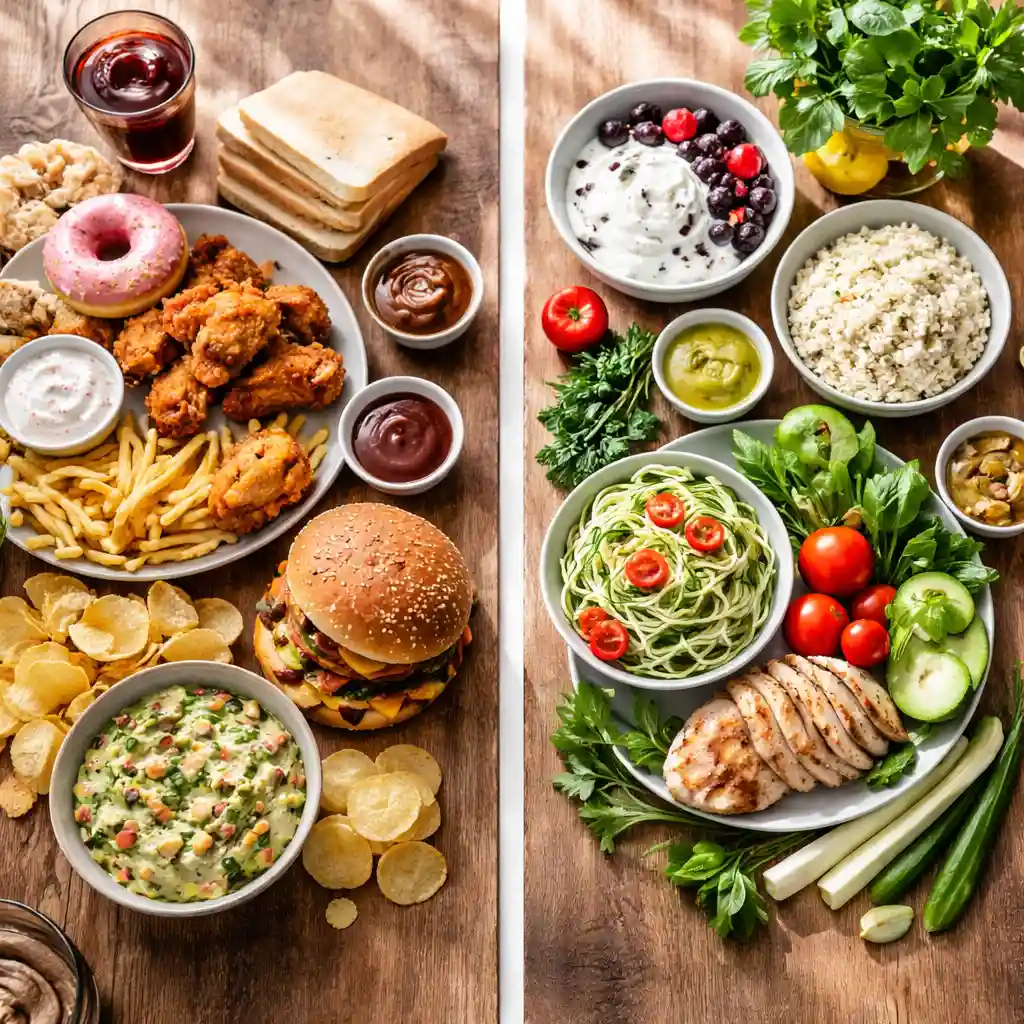
Low calorie recipe swaps are practical ingredient substitutions that reduce calories without stripping away flavor or comfort. At their core, they focus on replacing high-calorie ingredients with lighter alternatives that still deliver satisfying taste and texture. Instead of eliminating your favorite dishes, this approach helps you adjust meals in a realistic and sustainable way. Many healthy ingredient substitutions are simple, like choosing mustard over mayo or baking instead of frying. When used consistently, low calorie recipe swaps can support balanced eating habits while keeping meals enjoyable and satisfying.
What Are Low Calorie Recipe Swaps?
Low calorie recipe swaps are intentional changes you make inside a recipe to lower its calorie content while maintaining structure and flavor. For example, swapping sour cream for plain Greek yogurt or replacing white rice with cauliflower rice are common options. These healthy food substitutions are popular in calorie-conscious meals because they allow you to enjoy familiar flavors in a lighter format. Across social platforms, people frequently discuss low calorie recipe swaps for tacos, pasta dishes, casseroles, and even desserts. While results vary for each individual, many find that steady adjustments like these make it easier to stay aligned with personal nutrition goals.
Why Simple Ingredient Changes Matter in Everyday Cooking
Small adjustments can create meaningful impact over time. If you cook at home regularly, low calorie recipe swaps may gradually reduce overall calorie intake without drastic restrictions. Choosing lean protein instead of higher-fat cuts, measuring oil before cooking, or increasing vegetable portions are practical examples that fit naturally into daily routines. These lighter meal alternatives work well for families, busy professionals, and anyone interested in healthier cooking patterns. Rather than focusing on strict rules, low calorie recipe swaps encourage mindful decisions that feel manageable. Over time, repeating these simple strategies can help balanced eating feel steady instead of overwhelming.
Pro Tip: When trying low calorie recipe swaps, change just one ingredient at a time. This makes it easier to adjust flavor and texture without feeling like the entire dish has changed.
Smart Low Calorie Swaps for Breakfast
Breakfast is often where extra calories sneak in without us noticing. Sugary cereals, oversized muffins, and heavy coffee drinks can quickly add up. That’s why many people start their journey with low calorie recipe swaps in the morning. By adjusting a few ingredients, you can turn classic breakfast favorites into lighter, more balanced options without losing comfort or flavor.
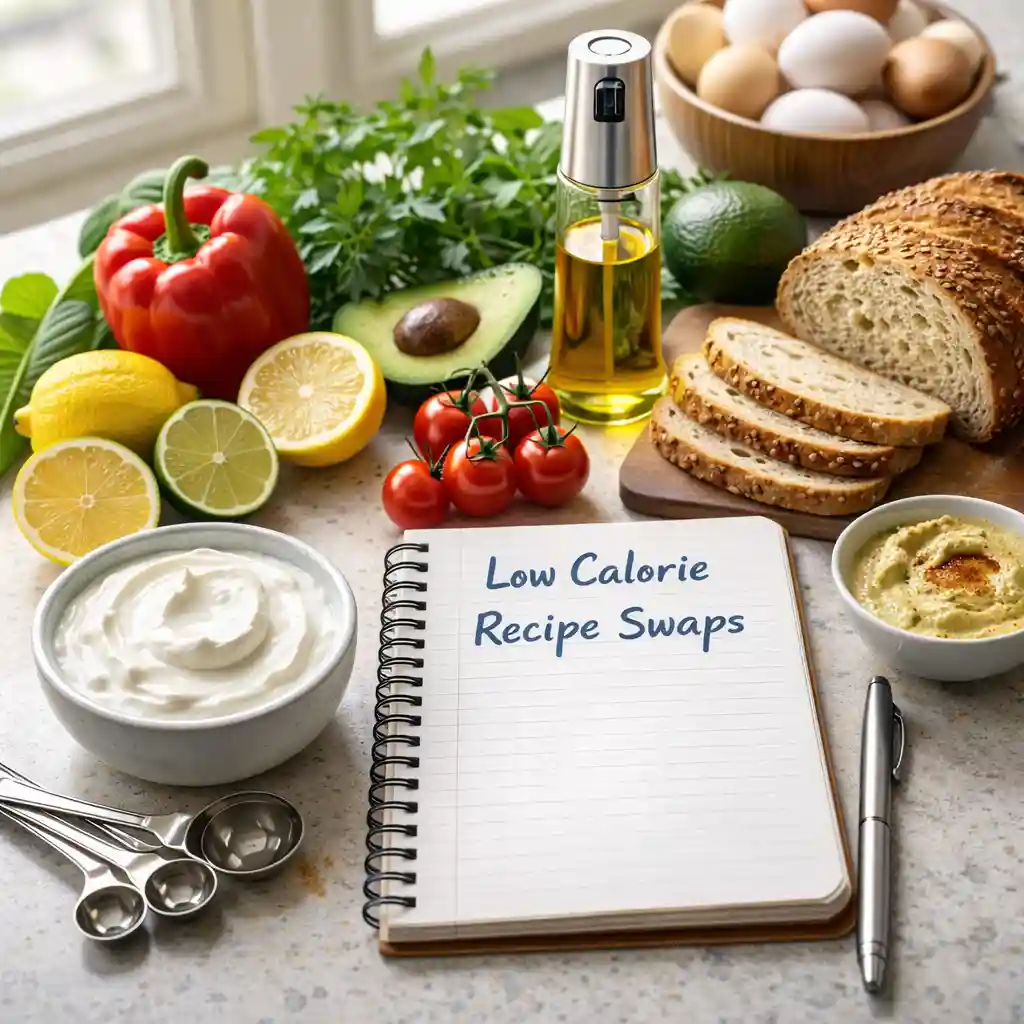
Many home cooks share low calorie recipe swaps online for pancakes, smoothies, and egg dishes because breakfast feels easier to modify than dinner. And honestly, once you see how simple these changes are, it becomes second nature.
Healthier Alternatives for Pancakes, Oatmeal, and Smoothies
Traditional pancakes made with refined flour and lots of butter can be calorie-dense. Instead, try swapping half the flour with oat flour or blended oats. You can also replace oil with unsweetened applesauce. These small low calorie recipe swaps reduce fat while keeping moisture and texture pleasant.
For oatmeal, skip flavored packets and prepare plain rolled oats. Add fresh fruit, cinnamon, or a spoon of nut butter instead of sugary syrups. Many people on Reddit mention that this simple adjustment keeps breakfast satisfying longer. These types of low calorie recipe swaps focus on lowering added sugar while keeping natural sweetness.
Smoothies are another area where calories climb quickly. Instead of fruit juice, use unsweetened almond milk or water as your base. Replace sweetened yogurt with plain Greek yogurt for more protein and fewer added sugars. These practical low calorie recipe swaps can make smoothies feel lighter but still filling.
If you’re looking for structured ideas, check out high protein breakfast ideas for weight loss for balanced morning meals that pair well with these lighter substitutions.
Protein-Packed, Lower-Calorie Morning Options
Protein helps many people feel full and steady through the morning. One easy adjustment is choosing egg whites or a mix of whole eggs and egg whites instead of using only whole eggs. This is one of the simplest low calorie recipe swaps for reducing fat while maintaining protein.
Swap breakfast sausage for turkey sausage or plant-based alternatives with lower saturated fat. Replace cream cheese with whipped cottage cheese on toast. These low calorie recipe swaps maintain texture but often reduce calories per serving.
Cooking method matters too. Preparing eggs in a nonstick pan with minimal oil instead of frying in butter is another example of how low calorie recipe swaps extend beyond ingredients to technique. Over time, these healthy breakfast swaps become routine, making calorie-conscious meals feel natural rather than restrictive.
Pro Tip: Measure calorie-dense ingredients like nut butter and cooking oil with a spoon instead of pouring freely. Even small adjustments can make low calorie recipe swaps more effective without changing the taste you enjoy.
Low Calorie Recipe Swaps for Lunch Favorites
Lunch can be tricky. It’s often rushed, packed in a container, or ordered on the go. That’s exactly where low calorie recipe swaps can make a noticeable difference without adding stress to your routine. By rethinking bread choices, sauces, and portion balance, you can build calorie-conscious meals that still feel satisfying and practical.
Many popular lunch foods rely on refined grains and heavy spreads. A simple adjustment like choosing whole-grain or low-carb wraps instead of white bread is one of the easiest low calorie recipe swaps to start with. It slightly lowers calories while adding fiber, which may help you feel fuller longer.
Lighter Sandwich and Wrap Alternatives
Sandwiches are a lunch staple, but spreads like mayonnaise and creamy dressings often carry more calories than the fillings. Swapping mayo for mashed avocado, hummus, or mustard is one of those low calorie recipe swaps that keeps flavor bold while trimming excess fat. You still get creaminess, just in a more balanced way.
Another helpful approach is open-faced sandwiches. Using one slice of bread instead of two is a practical example of low calorie recipe swaps that reduce calories without removing the sandwich entirely. Add extra lettuce, tomatoes, cucumbers, or grilled vegetables to boost volume naturally.
Protein choices matter too. Replacing fried chicken with grilled chicken or turkey breast counts as one of the most effective low calorie recipe swaps for lunch. The texture stays satisfying, but the overall calorie load becomes lighter and easier to manage.
Salad Dressings and Sauce Substitutions
Salads can quickly shift from light to heavy depending on the dressing. Creamy store-bought options often contain added oils and sugars. Instead, try mixing plain Greek yogurt with lemon juice and herbs. This is one of those low calorie recipe swaps that keeps your salad creamy but cuts unnecessary calories.
Another simple change is using salsa instead of creamy taco sauce in burrito bowls. Many people on Quora mention that this small adjustment completely changes the calorie count while keeping meals flavorful. These kinds of low calorie recipe swaps work especially well for meal prep lunches.
If you’re building weekly lunches, you may also enjoy structured planning ideas from weight loss meal prep, which pairs naturally with these lighter substitutions.
Balanced portions also matter. Fill half your container with vegetables, one quarter with lean protein, and one quarter with whole grains. When combined with thoughtful low calorie recipe swaps, this structure helps create lighter meal alternatives that feel complete rather than restrictive.
Pro Tip: Prepare dressings and sauces at home in small jars. Controlling ingredients and portions makes low calorie recipe swaps easier to stick with throughout the week.
Dinner Makeovers with Low Calorie Recipe Swaps
Dinner is usually the largest meal of the day, which makes it a perfect place to apply thoughtful low calorie recipe swaps. Instead of cutting your favorite comfort foods, you can adjust ingredients and cooking methods to create lighter dinner ideas that still feel warm and satisfying. When low calorie recipe swaps are used strategically at dinner, they often have the biggest impact on overall daily intake.
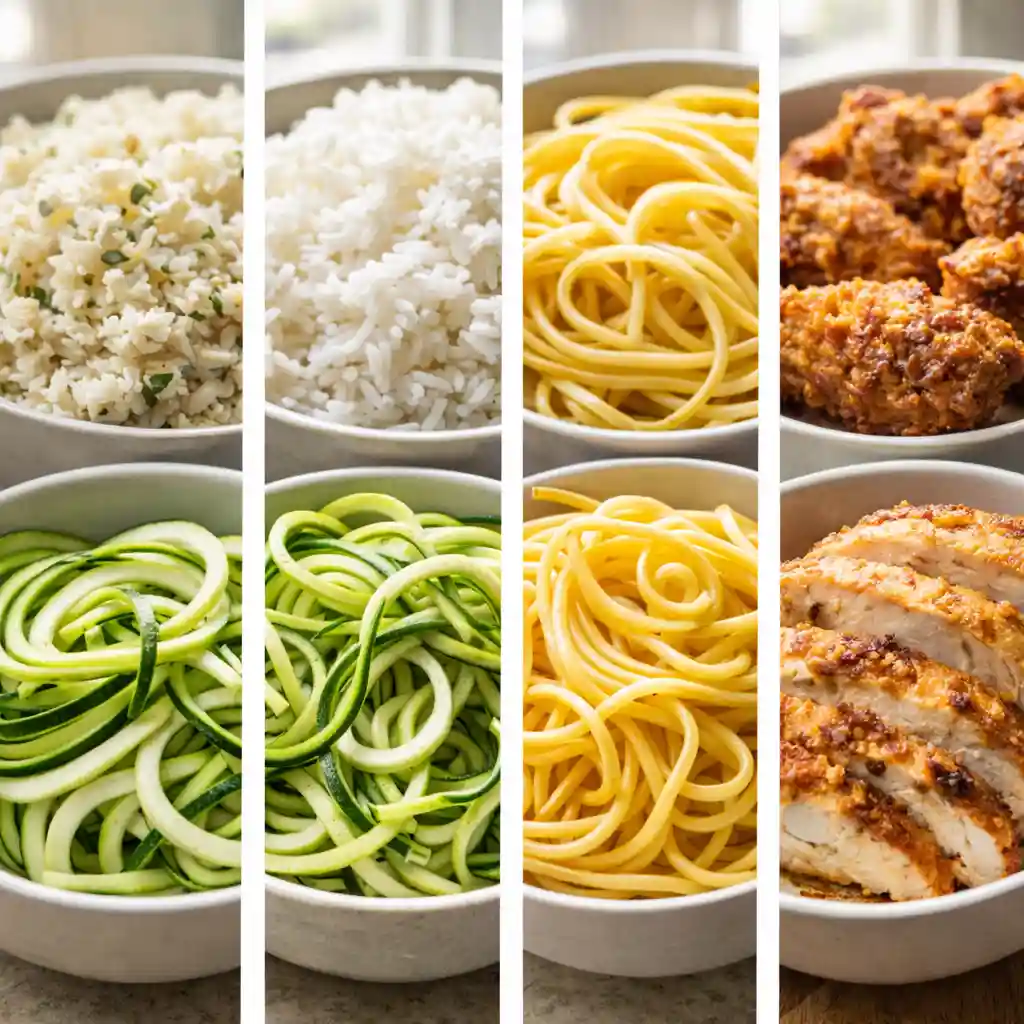
Many classic dinners revolve around pasta, rice, or potatoes. One practical approach is mixing traditional pasta with zucchini noodles or spaghetti squash. This type of low calorie recipe swaps keeps the familiar texture while lowering total calories per serving. The same idea works with rice—try replacing half the white rice with cauliflower rice to maintain volume while trimming calories.
Swapping Pasta, Rice, and Potatoes
Carbohydrate-rich sides are common at dinner, but simple adjustments can make them lighter. For example, roasted sweet potatoes can replace fried potatoes. Choosing baked or air-fried options instead of deep frying is another effective way low calorie recipe swaps extend beyond ingredients into preparation techniques.
If your meal includes creamy pasta sauces, consider blending cottage cheese or Greek yogurt into the sauce instead of heavy cream. This is one of those low calorie recipe swaps that keeps dishes creamy and rich in texture, but slightly lighter overall. Many home cooks mention on social platforms that these swaps make comfort food feel less heavy after eating.
Lean Protein and Cooking Method Adjustments
Protein choices also shape dinner calories. Swapping fatty cuts of beef for lean ground turkey or chicken breast is a practical example of low calorie recipe swaps that reduce saturated fat without sacrificing flavor. Grilling, baking, or broiling instead of pan-frying in oil further supports balanced, calorie-conscious meals.
Adding more vegetables to stretch dishes like stir-fries or casseroles is another smart adjustment. Bulk up meals with mushrooms, spinach, zucchini, or bell peppers so portions look generous without dramatically increasing calories. These kinds of low calorie recipe swaps help create plates that feel full and colorful while staying lighter.
If you enjoy hearty soups for dinner, you might also find inspiration in detox soup recipes for weight loss, which aligns well with lighter evening meals.
When planning your next dinner, ask yourself where small changes can fit naturally. Low calorie recipe swaps don’t require complicated rules. Instead, they invite you to rethink proportions, ingredients, and cooking styles in ways that feel realistic and sustainable.
Pro Tip: Start by adjusting one main ingredient at dinner each week. Gradual low calorie recipe swaps are easier to maintain long term than changing every component at once.
Baking and Dessert Low Calorie Recipe Swaps
Desserts are often the hardest meals to adjust, especially when recipes rely heavily on sugar and butter. Still, low calorie recipe swaps can make baking feel lighter without completely changing the texture you expect. The goal is not to remove sweetness but to balance it in a more mindful way.
One common approach involves reducing sugar slightly and adding natural sweetness from mashed bananas, applesauce, or dates. These kinds of low calorie recipe swaps maintain moisture while trimming excess refined sugar. Many home bakers find that cutting sugar by one quarter still delivers a satisfying flavor, especially when paired with cinnamon or vanilla extract.
Sugar Alternatives That Work in Home Baking
Replacing part of the sugar with unsweetened applesauce is one of the simplest low calorie recipe swaps for muffins and quick breads. You can also experiment with monk fruit sweetener or stevia blends designed for baking. While taste preferences vary, these alternatives are widely used in calorie-conscious dessert recipes.
Another practical option is dark chocolate instead of milk chocolate. Because it has a richer flavor, you may need less to achieve the same indulgent feel. These thoughtful low calorie recipe swaps allow you to enjoy dessert while keeping portions realistic.
If you love make-ahead breakfast treats, you might enjoy healthy overnigh toats recipe for weight loss, which pairs well with lighter sweet additions and balanced toppings.
Lower-Calorie Fat Replacements
Butter contributes flavor and structure in baking, but it’s also calorie-dense. Swapping half the butter with Greek yogurt or mashed avocado is a popular example of low calorie recipe swaps in cakes and brownies. The texture stays moist, though slightly softer, and the overall calorie content drops.
For creamy frostings, try whipped cottage cheese blended with a touch of honey or cocoa powder. This style of low calorie recipe swaps keeps desserts enjoyable without relying solely on heavy cream or full-fat buttercream.
Portion size matters just as much as ingredients. Baking mini muffins instead of full-sized ones is another subtle way low calorie recipe swaps can shape healthier habits. Smaller servings allow you to enjoy dessert without feeling restricted.
Low calorie recipe swaps in baking take a bit of experimentation, but once you find combinations you enjoy, they quickly become part of your routine.
Pro Tip: When testing low calorie recipe swaps in desserts, start with replacing only half the fat or sugar. This keeps texture stable while helping you adjust gradually.
Healthy Cooking Methods That Reduce Calories
Sometimes the biggest difference in a meal doesn’t come from the ingredients, but from how it’s prepared. That’s where low calorie recipe swaps extend beyond food choices and into cooking techniques. By adjusting the way you cook, you can lower unnecessary fats while keeping meals flavorful and satisfying.
Frying in large amounts of oil adds significant calories. Switching to baking, grilling, steaming, or air frying is one of the most effective low calorie recipe swaps you can apply across multiple dishes. For example, oven-baked chicken with spices can deliver crisp texture similar to fried chicken, especially when lightly coated with whole-grain breadcrumbs.
Air Frying, Grilling, and Baking Instead of Frying
Air fryers have become popular on TikTok because they mimic crispiness with far less oil. Using this method is one of the simplest low calorie recipe swaps for foods like potatoes, tofu, and even fish. You still get a golden finish, but with fewer added fats.
Grilling is another helpful option. It allows excess fat to drip away from meat while enhancing natural flavors. When paired with herbs, garlic, or citrus, these cooking adjustments feel satisfying without heavy sauces. These kinds of low calorie recipe swaps work well for both weeknight dinners and meal prep.
Steaming vegetables instead of sautéing them in butter is another subtle change. Add a squeeze of lemon or sprinkle of spices afterward to keep flavor bright without relying on calorie-dense additions.
Portion Control and Plate Balance
Cooking method is only part of the equation. Balanced portions also support lighter eating habits. One practical approach is using smaller plates. This visual adjustment is one of the most overlooked low calorie recipe swaps because it reshapes how much food we naturally serve ourselves.
Another helpful strategy is building your plate with vegetables first. Fill half the plate with non-starchy vegetables, then divide the remaining space between lean protein and whole grains. When combined with smart low calorie recipe swaps in ingredients and cooking style, this method helps create satisfying meals without overloading calories.
Measuring oils before adding them to pans also makes a difference. Even healthy fats can add up quickly when poured freely. Being mindful of quantity turns everyday cooking into consistent low calorie recipe swaps that support balanced eating over time.
If you’re exploring lighter snacks to pair with these cooking techniques, you might also find helpful ideas at healthy snacks for weight loss, which complements these strategies well.
Low calorie recipe swaps are not only about replacing ingredients. They’re also about rethinking how meals are prepared and served. When cooking methods and portion awareness come together, calorie-conscious meals start to feel natural and sustainable rather than restrictive.
Pro Tip: Keep a small oil sprayer in your kitchen. It helps you control portions easily and makes low calorie recipe swaps in cooking methods effortless.
Grocery Shopping Tips for Easy Low Calorie Recipe Swaps
I’ve noticed that the real success with low calorie recipe swaps often begins before cooking even starts. It starts in the grocery store. When your cart is filled with balanced ingredients, making lighter choices at home feels natural instead of forced. Planning ahead makes low calorie recipe swaps smoother because you’re not scrambling to replace ingredients at the last minute.
Many people share online that impulse buys derail their healthy intentions. That’s why building a structured shopping list around low calorie recipe swaps can make a big difference. When you walk in knowing what to buy, you’re more likely to stick with calorie-conscious meals throughout the week.
Reading Labels the Smart Way
Food labels can feel overwhelming, but a few simple checks go a long way. Start by comparing calories per serving, then look at added sugars and saturated fats. These small checks support low calorie recipe swaps because they help you choose lighter alternatives without guessing.
For example, when buying yogurt, compare plain Greek yogurt with flavored varieties. Often, the plain option contains fewer added sugars, making it ideal for low calorie recipe swaps in sauces, dips, and breakfasts. The same approach works with salad dressings, breads, and snack foods.
It’s also helpful to glance at ingredient lists. Shorter lists with recognizable ingredients often pair well with balanced eating habits. While no product is perfect, mindful choices make low calorie recipe swaps easier to apply consistently at home.
Stocking a Low-Calorie Friendly Pantry
A well-stocked pantry supports creativity. Keep staples like canned beans, lentils, whole grains, tomato sauce, herbs, and spices on hand. These ingredients naturally fit into low calorie recipe swaps because they add bulk and flavor without excessive calories.
Frozen vegetables are another smart option. They’re convenient, budget-friendly, and perfect for stretching meals. Adding spinach to soups or cauliflower to rice dishes are classic low calorie recipe swaps that increase volume while keeping calorie density lower.
Having healthier snacks available also matters. When your kitchen includes nuts in portioned containers, air-popped popcorn, or fresh fruit, it’s easier to maintain calorie-conscious habits. Over time, these thoughtful purchases make low calorie recipe swaps feel less like a plan and more like your normal routine.
Story after story on Reddit and Quora highlights the same lesson: environment shapes behavior. When your pantry reflects your goals, low calorie recipe swaps become the obvious choice rather than the difficult one.
Pro Tip: Shop the outer aisles of the grocery store first. Fresh produce, lean proteins, and dairy alternatives found there naturally support low calorie recipe swaps before you even reach packaged foods.
Common Mistakes When Making Low Calorie Recipe Swaps
When people first start trying low calorie recipe swaps, they often go all in. They replace everything at once, cut portions too drastically, and remove favorite ingredients overnight. While the intention is good, this approach can feel overwhelming. In reality, low calorie recipe swaps work best when they’re gradual, realistic, and easy to repeat.
One common mistake is over-restricting ingredients. Removing all fats or carbs may seem helpful at first, but meals can quickly become bland and unsatisfying. Balanced low calorie recipe swaps focus on moderation instead of elimination. For example, rather than removing cheese entirely, use a smaller amount of a stronger-flavored variety so you still feel satisfied with less.
Another issue is ignoring flavor balance. Many assume lighter meals must taste plain, which simply isn’t true. Herbs, spices, citrus juice, garlic, and vinegars can completely transform a dish. When flavor comes first, low calorie recipe swaps feel thoughtful instead of forced. A squeeze of lemon on grilled vegetables or a sprinkle of smoked paprika on roasted potatoes adds depth without piling on extra calories.
Portion distortion is another subtle challenge. Even nutritious foods can add up when servings become oversized. That’s why mindful portions matter just as much as ingredient choices. Low calorie recipe swaps support balanced eating, but they’re most effective when paired with awareness around quantity.
Social trends sometimes create unrealistic expectations. On TikTok and Reddit, dramatic meal transformations often get the spotlight. However, sustainable low calorie recipe swaps usually look simple and practical. Small adjustments, repeated consistently, tend to be easier to maintain than extreme changes.
It’s also wise not to rely entirely on packaged “light” products. Some contain added sugars or artificial ingredients to compensate for reduced fat. Whole-food low calorie recipe swaps, such as blending vegetables into sauces for creaminess, often provide better balance and taste.
Building habits takes patience. If one adjustment doesn’t work, refine it and try again. Low calorie recipe swaps are flexible tools, not rigid rules. When approached with curiosity instead of pressure, they can become part of a steady and comfortable routine.
Pro Tip: If a lighter version of a dish feels less satisfying, pair it with extra vegetables or lean protein rather than giving up. Small refinements make low calorie recipe swaps easier to maintain long term.
Making Low Calorie Recipe Swaps Sustainable Long-Term
At this point, you’ve seen how low calorie recipe swaps can reshape breakfast, lunch, dinner, desserts, cooking methods, and even grocery shopping. But the real question is this: how do you make them stick for the long run? Sustainability matters more than perfection.
The key is building habits that feel realistic. Instead of chasing dramatic changes, focus on repeating simple swaps week after week. For example, if you’ve switched from frying to baking chicken, keep that habit steady before adding another adjustment. When these small changes become routine, they stop feeling like effort and start feeling normal.
Building Habits Without Feeling Deprived
One powerful mindset shift is allowing flexibility. Low calorie recipe swaps don’t mean every meal must be lighter. It’s okay to enjoy traditional versions occasionally. The goal is balance across the week, not rigid control at every meal. Many people on Quora mention that consistency, not strictness, makes long-term changes easier to maintain.
Another helpful strategy is pairing lighter meals with satisfying flavors. Use herbs, spices, citrus zest, and marinades to keep dishes exciting. When meals taste good, low calorie recipe swaps feel like thoughtful upgrades rather than sacrifices. Satisfaction supports consistency far more than restriction ever could.
Tracking patterns can also help. Notice which adjustments feel effortless and which ones feel forced. Keep the low calorie recipe swaps that blend naturally into your lifestyle. Adjust or replace the ones that don’t. This flexible approach allows you to personalize calorie-conscious meals in a way that fits your routine.
Family-Friendly Swaps Everyone Will Enjoy
If you cook for others, introduce low calorie recipe swaps gradually. Swap half the pasta for zucchini noodles instead of all of it. Mix lean ground turkey with regular ground beef before transitioning fully. These blended approaches allow everyone to adjust comfortably.
Involving family members in the process also makes a difference. Ask for feedback, experiment together, and celebrate small wins. Over time, low calorie recipe swaps can become shared habits rather than individual efforts.
Remember, the purpose of low calorie recipe swaps is not to chase rapid results. It’s to create balanced eating patterns that feel steady and manageable. Small, consistent improvements often lead to lasting change.
This recipe guidance is shared for informational purposes and is not a substitute for medical advice. If you have specific health concerns, consult a qualified healthcare professional.
Pro Tip: Choose three low calorie recipe swaps that felt easiest for you and commit to repeating them for the next month. Consistency builds confidence, and confidence builds lasting habits.
FAQ: Low Calorie Recipe Swaps
As more people experiment with lighter meals, questions about low calorie recipe swaps continue to surface across forums and social platforms. Below are clear, practical answers to some of the most common concerns.
What are low calorie recipe swaps?
Low calorie recipe swaps are simple ingredient or cooking substitutions that reduce the overall calorie content of a dish while keeping it enjoyable. Instead of removing entire meals from your routine, low calorie recipe swaps adjust portions, ingredients, or preparation methods. For example, baking instead of frying or using Greek yogurt instead of sour cream are practical ways low calorie recipe swaps make meals lighter without drastic changes.
Do low calorie recipe swaps help with weight management?
Low calorie recipe swaps may support weight management when combined with balanced eating habits and regular movement. They work by gradually lowering daily calorie intake in a sustainable way. However, results vary from person to person, and low calorie recipe swaps are most effective when paired with consistent habits rather than short-term restrictions.
Can I use low calorie recipe swaps in baking?
Yes, low calorie recipe swaps can absolutely be used in baking. Replacing part of the butter with applesauce or Greek yogurt is one example. Reducing sugar slightly and adding fruit for sweetness is another. These types of low calorie recipe swaps keep texture and flavor pleasant while trimming excess calories.
Are low calorie recipe swaps expensive?
Most low calorie recipe swaps rely on affordable ingredients like vegetables, beans, oats, and yogurt. In many cases, cooking at home with low calorie recipe swaps can be more budget-friendly than purchasing highly processed “diet” foods. Planning ahead and shopping with intention makes these swaps practical and accessible.
Will low calorie swaps change the taste of my food?
Some low calorie recipe swaps slightly adjust flavor or texture, but thoughtful substitutions maintain satisfaction. Using herbs, spices, citrus, and quality ingredients keeps meals vibrant. Over time, your taste preferences may even adapt, making low calorie recipe swaps feel completely natural.
Low calorie recipe swaps are tools, not strict rules. They offer flexibility and creativity in the kitchen, helping you build lighter, balanced meals at your own pace.
Conclusion: Bringing Low Calorie Recipe Swaps Into Everyday Life
At the end of the day, low calorie recipe swaps are about awareness, not perfection. They give you practical ways to adjust your favorite meals without feeling like you’re giving them up. When low calorie recipe swaps are applied gradually, they blend into your routine and feel less like a plan and more like your normal way of cooking.
You don’t need a complete kitchen overhaul to make progress. Start with one or two low calorie recipe swaps each week, whether that’s switching cooking methods, adjusting portions, or replacing a high-calorie ingredient with a lighter option. Over time, these small decisions add up in a steady and realistic way.
Many people discover that low calorie recipe swaps actually increase creativity in the kitchen. You begin experimenting with herbs, spices, lean proteins, whole grains, and vegetables in new combinations. Instead of focusing only on cutting calories, low calorie recipe swaps shift attention toward balance and variety.
If you’d like more meal inspiration that complements these strategies, you can explore calorie deficit meals 2 for structured ideas that align naturally with lighter cooking habits. For daily tips and new recipe updates, feel free to connect with us on Facebook at facebook. or browse visual meal inspiration on Pinterest at pinterest.
Remember, low calorie recipe swaps are flexible tools you can adapt to your culture, preferences, and family traditions. They are not strict rules, and they are not a replacement for medical advice. This content is shared for informational purposes only and should not substitute professional healthcare guidance.
When approached with patience and consistency, low calorie recipe swaps can help shape balanced eating patterns that feel sustainable long after trends fade. Start simple, stay curious, and let your kitchen evolve one thoughtful swap at a time.