I’ve been noticing something interesting lately. While scrolling through TikTok and reading discussions on Reddit, more people are talking about feeling overwhelmed by constant noise, notifications, and busy routines. It made me pause and think about how often we move through our days without a moment of real quiet. That’s where low stimulation wellness comes in—a gentle shift toward a calmer, simpler way of living.
If you’ve ever felt mentally tired from screens, noise, or just doing too much at once, this article is for you. Low stimulation wellness isn’t about doing nothing—it’s about doing less of what drains you and more of what brings a sense of ease. It’s especially helpful for people who want a slower pace, better focus, and a more peaceful daily rhythm.
In this guide, you’ll learn what low stimulation wellness really means, why it’s becoming so popular, and how you can bring it into your everyday life. From calming routines and simple food choices to creating a quiet environment and managing screen time, each section will walk you through practical ideas you can actually use.
If you’re looking for a gentle place to begin your day, you might enjoy this simple guide: Learn more about a slow morning wellness ritual. It’s a great example of how small changes can set the tone for a calmer lifestyle.
By the end of this article, you’ll have a clear understanding of how to build your own low stimulation wellness routine—one that feels natural, balanced, and easy to maintain.
Understanding Low Stimulation Wellness
Low stimulation wellness is a lifestyle approach that focuses on reducing unnecessary sensory input so your mind and body can feel more at ease. Instead of constant noise, bright screens, and packed schedules, this approach leans toward calm environments, simple routines, and mindful habits. The goal isn’t to remove everything from your life—it’s about choosing what truly matters and letting go of what feels overwhelming.
Many people today are realizing that being constantly “on” can feel draining. Notifications, multitasking, and fast-paced routines can make it hard to slow down. That’s why low stimulation wellness is gaining attention—it offers a more balanced way to move through the day without feeling overloaded.
You might notice that this way of living connects closely with small, intentional habits. For example, starting your morning without rushing or choosing calming drinks instead of high-caffeine options can make a big difference. If you’re curious about gentle ways to support relaxation, you can check out a simple stress reliever drink that fits perfectly into a low stimulation routine.
At its core, low stimulation wellness is about awareness. It encourages you to notice what feels too much—whether it’s noise, clutter, or digital overload—and make small adjustments. Over time, these changes can help create a more peaceful and steady daily rhythm.
Pro Tip: Start by identifying one source of overstimulation in your day—like constant phone notifications—and reduce it for a few hours. Small steps like this are easier to maintain and can quickly bring a sense of calm.
The Science Behind Overstimulation

Modern life is full of constant input—bright screens, background noise, fast scrolling, and endless information. While it may feel normal, this level of stimulation can make it harder for the brain to rest. When your senses are always active, your mind rarely gets a chance to slow down, which can leave you feeling mentally tired even after a full day.
Overstimulation often comes from everyday habits. Switching between apps, watching short videos, or juggling multiple tasks at once can keep your brain in a high-alert state. Many people on platforms like Reddit and TikTok have shared how stepping back from this constant input helped them feel more focused and less overwhelmed.
Simple changes can make a noticeable difference. For example, replacing highly stimulating drinks with calming alternatives or reducing caffeine intake later in the day can support a more relaxed state. If you’re curious about gentle evening habits, you might want to discover a golden milk recipe for sleep, which is often included in low stimulation nighttime routines.
Another key factor is how your environment affects your senses. Loud sounds, cluttered spaces, and bright lighting can all contribute to sensory overload. By becoming more aware of these triggers, you can begin to shape a space that feels calmer and more supportive.
Pro Tip: Try creating short “quiet windows” during your day—10 to 15 minutes without screens, noise, or multitasking. These small breaks can help your mind reset and improve your overall sense of balance.
Core Principles of Low Stimulation Wellness
At the heart of low stimulation wellness is the idea of doing less, but with more intention. Instead of filling every moment with activity, this approach encourages you to slow down and choose habits that feel calm and manageable. Low stimulation wellness is not about strict rules—it’s about creating space in your day where your mind can rest and reset.
One of the main principles of low stimulation wellness is reducing sensory input. This can mean lowering background noise, dimming bright lights, or limiting how often you check your phone. Even small changes, like stepping away from constant notifications, can help your brain feel less overwhelmed and more focused.
Another key part of low stimulation wellness is building simple, steady routines. When your day has a predictable flow, your mind doesn’t have to work as hard to keep up. This could be something as easy as having a quiet morning drink, taking a short walk, or ending your evening with a calming ritual. If you’re looking for gentle options, you can discover herbal tea benefits as part of a relaxing daily habit that fits naturally into low stimulation wellness.
Environment also plays a big role in low stimulation wellness. A cluttered or noisy space can make it harder to relax, while a clean and simple area can help you feel more at ease. Many people find that even small adjustments—like clearing a desk or softening lighting—can support a more peaceful atmosphere aligned with low stimulation wellness.
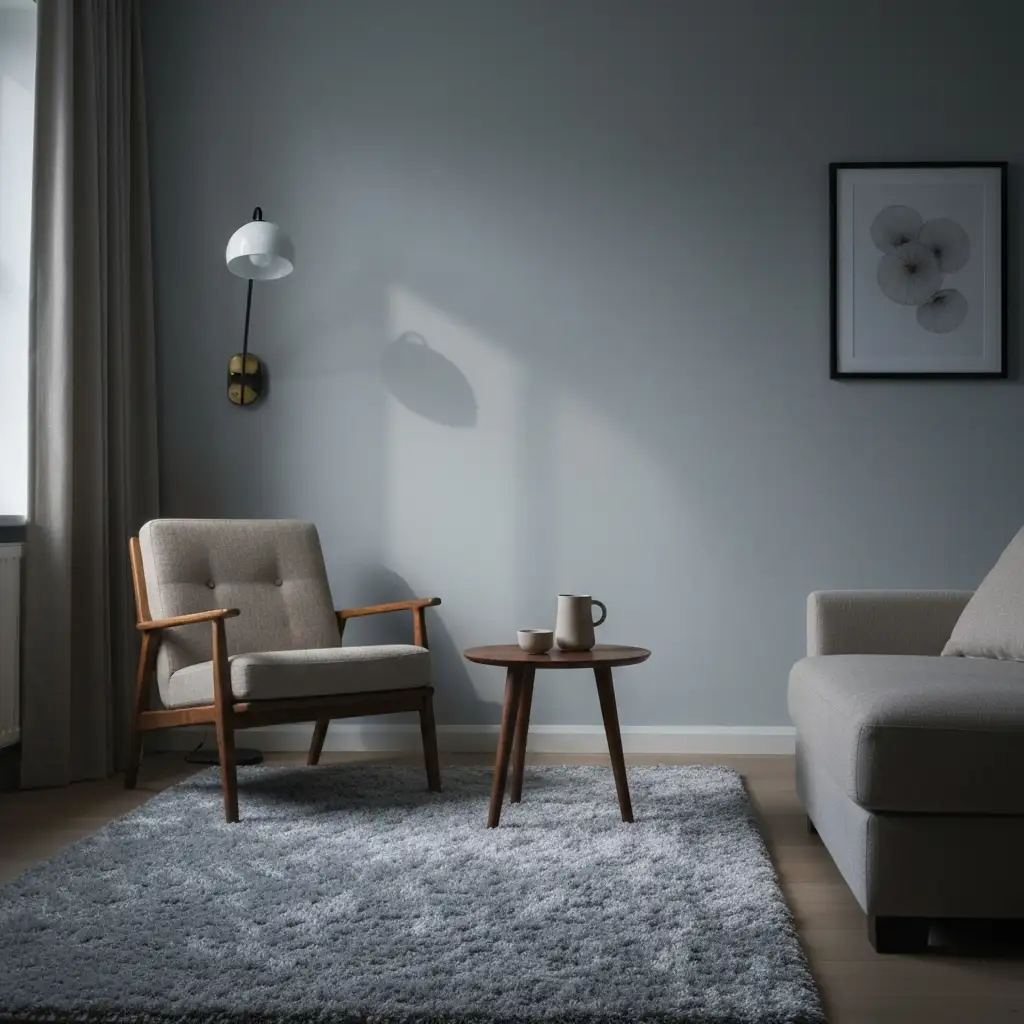
Pro Tip: Focus on one habit at a time instead of changing everything at once. When you slowly build your low stimulation wellness routine, it feels more natural and easier to maintain long term.
Low Stimulation Morning and Night Routines
Creating gentle routines is one of the easiest ways to bring low stimulation wellness into your daily life. A calm morning sets the tone for the entire day, while a quiet evening helps your mind slow down before rest. With low stimulation wellness, the goal is not to rush but to move through each part of your day with more ease and awareness.
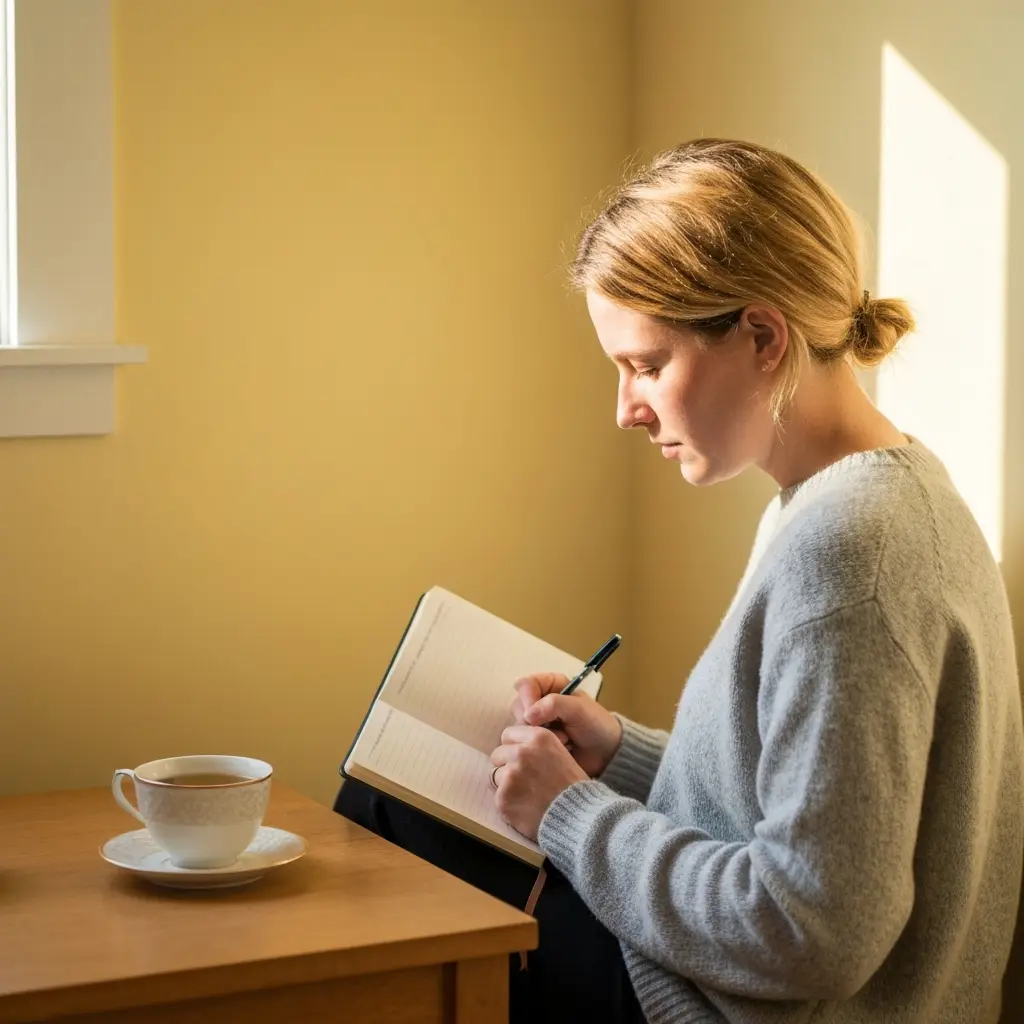
In the morning, simple habits can make a big difference. Instead of checking your phone right away, you might start with a few minutes of silence, light stretching, or a warm drink. These small choices support low stimulation wellness by giving your brain time to wake up naturally, without sudden bursts of information or noise.
Evening routines are just as important for low stimulation wellness. As the day winds down, reducing screen time and choosing calming activities can help signal your body that it’s time to rest. Soft lighting, quiet moments, or a warm drink can all support this transition. If you’re looking for ideas, you can check out simple morning coffee routines and adapt them into slower, more mindful habits that fit your lifestyle.
Consistency matters more than perfection in low stimulation wellness. You don’t need a long routine—just a few steady habits that feel relaxing and easy to follow. Over time, these moments of calm can help you feel more grounded throughout the day.
Pro Tip: Keep your morning and night routines short and realistic. Even 5–10 minutes of calm, repeated daily, can support a lasting low stimulation wellness habit.
Low Stimulation Diet and Nutrition
Food choices can play a quiet but meaningful role in supporting a calmer lifestyle. While low stimulation wellness often focuses on environment and habits, what you eat and drink can also affect how steady or restless you feel throughout the day. Simple, balanced meals tend to support a more even rhythm, especially when compared to highly processed or overly stimulating options.
A gentle approach to eating fits naturally with low stimulation wellness. This might include warm, easy-to-digest meals, calming teas, and reducing excess caffeine or sugar. Many people find that choosing familiar, simple foods helps them feel more grounded instead of overwhelmed by too many choices or intense flavors.
Hydration also matters. Instead of reaching for highly energizing drinks, you might prefer soothing options that align with a slower pace. For example, you can discover natural energy boosters that feel lighter and more balanced, making them a better fit for a calm daily routine.
Another helpful habit is mindful eating. Sitting down without distractions, chewing slowly, and paying attention to your meal can support the overall idea of low stimulation wellness. It turns eating into a moment of pause rather than just another rushed task.
Pro Tip: Try keeping one meal each day distraction-free—no phone, no TV. This small shift can support digestion and bring a sense of calm that aligns with your overall routine.
Designing a Low Stimulation Environment
Your surroundings have a powerful influence on how you feel throughout the day. A key part of low stimulation wellness is shaping an environment that feels calm, simple, and easy to move through. When your space is quiet and uncluttered, your mind doesn’t have to work as hard to process everything around you.
One of the first steps in creating a low stimulation environment is reducing visual noise. Too many items, bright colors, or constant movement can feel overwhelming without you even noticing it. By simplifying your space—clearing surfaces, softening lighting, and choosing neutral tones—you naturally support low stimulation wellness in your daily life.
Sound also plays a role. Background noise from TVs, notifications, or crowded spaces can keep your brain alert. Choosing quiet moments or soft, steady sounds can help create a more peaceful setting. Many people who follow low stimulation wellness routines say that lowering noise levels helps them focus better and feel less drained.
Another important factor is creating “rest zones” in your home. These are areas where stimulation is kept low—no screens, minimal clutter, and calming elements like a cozy chair or warm drink. If you’re looking for a simple addition to your routine, you can try a calming golden milk recipe as part of your evening wind-down space.
Over time, these small adjustments make your home feel like a place where you can truly relax. That’s the essence of low stimulation wellness—building an environment that supports calm without needing constant effort.
Pro Tip: Start with one area, like your bedside table or desk. Clear it down to just a few essentials to create an instant sense of calm without overwhelming yourself.
Digital Detox and Screen Awareness
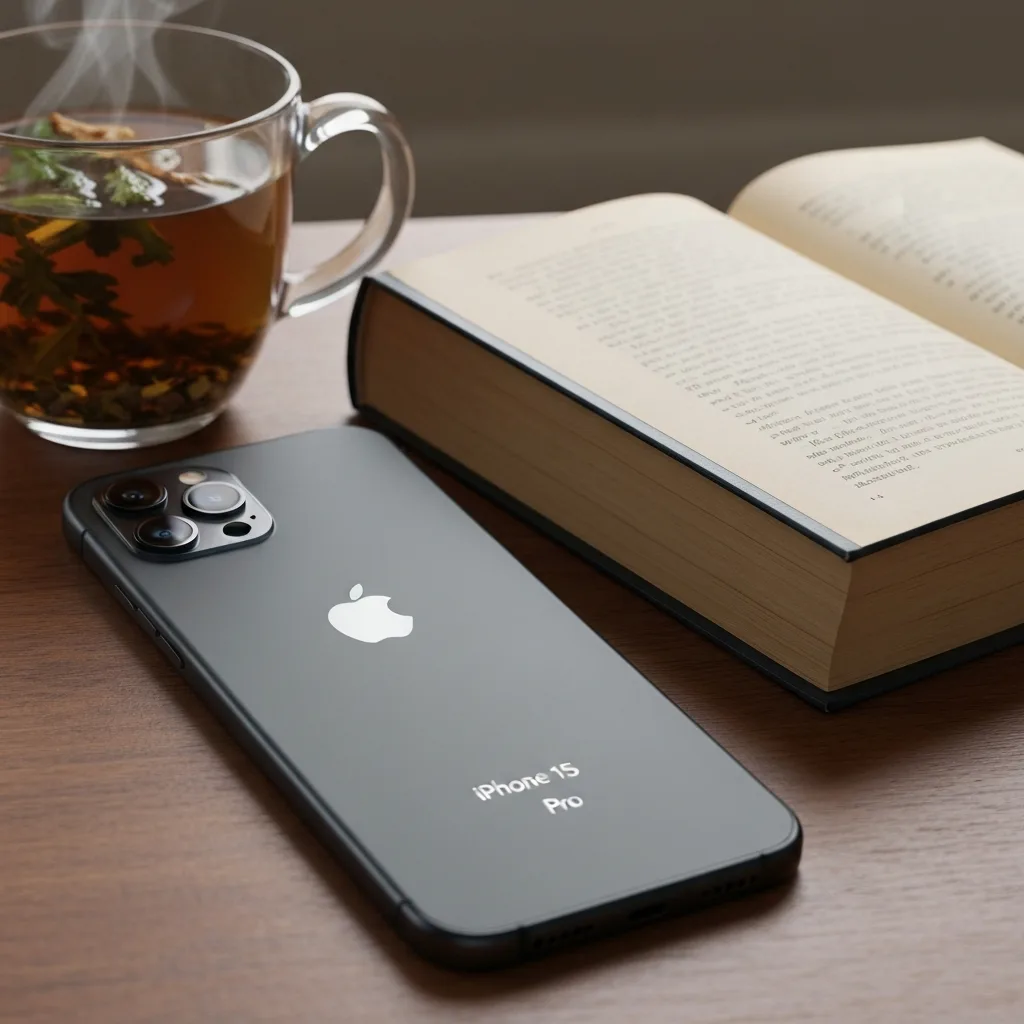
A few evenings ago, I noticed how easy it is to fall into endless scrolling without even thinking about it. One video turns into another, and suddenly, an hour is gone. This is something many people are talking about lately, especially on platforms like TikTok and Reddit, where users share how stepping back from screens helped them feel more present. That’s where digital habits connect deeply with low stimulation wellness.
Screens are one of the biggest sources of constant input today. Notifications, bright lights, and fast-moving content keep the brain active for long periods. In a low stimulation wellness routine, the idea isn’t to remove technology completely, but to create boundaries that feel realistic and supportive.
One simple approach is setting “screen-free windows” during your day. This could be during meals, the first hour after waking up, or before bed. These small pauses give your mind space to settle, which aligns naturally with low stimulation wellness and helps reduce that feeling of mental clutter.
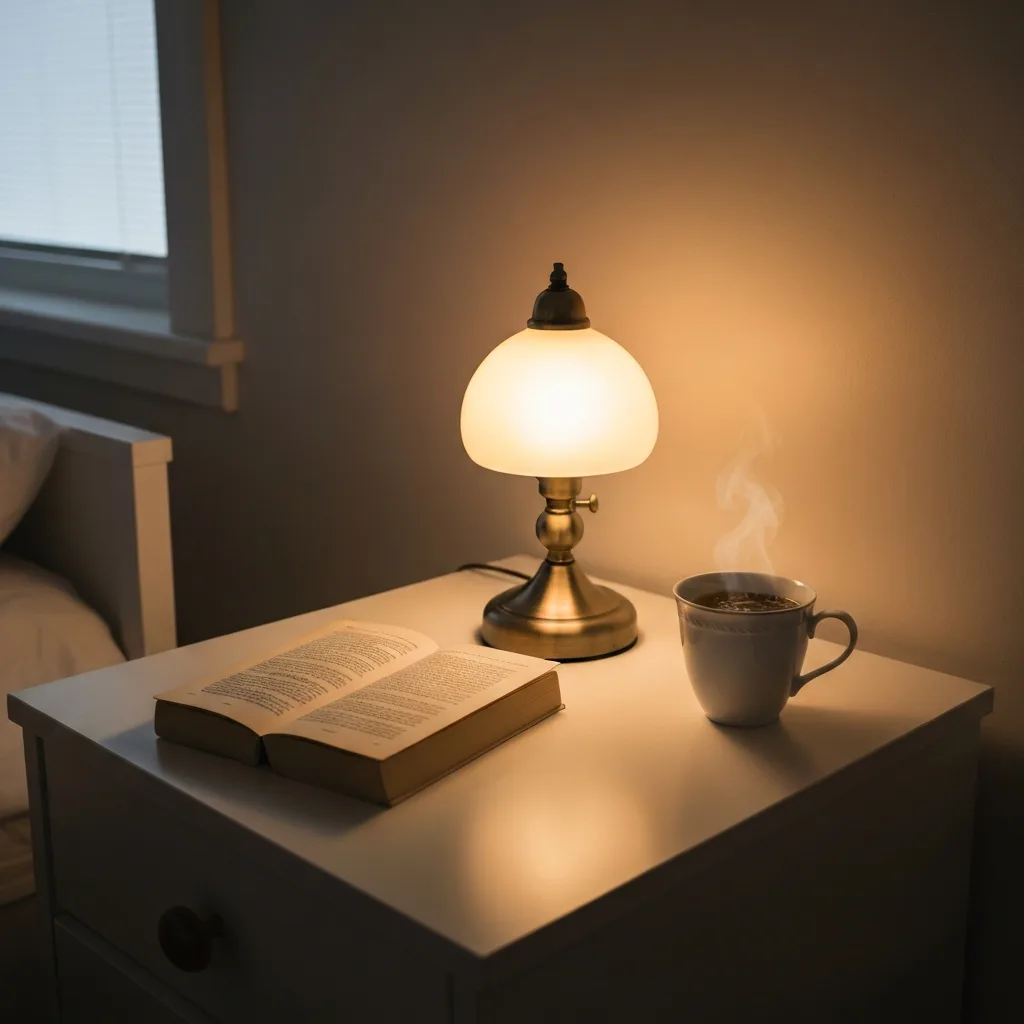
Another helpful shift is being more intentional with what you consume. Instead of fast, high-energy content, you might choose slower, more calming inputs—or even take breaks from digital content altogether. Some people replace scrolling time with quiet activities like reading, journaling, or sipping a warm drink. If you’re looking for something simple to pair with these moments, you can explore a gentle herbal tea routine that supports a slower pace.
Over time, these small digital boundaries can change how your day feels. Many people find that when they reduce screen exposure, they sleep better and think more clearly. That’s the quiet benefit of low stimulation wellness—it helps you reconnect with moments that often get lost in constant noise.
Pro Tip: Try turning off non-essential notifications for one day. You might be surprised how much calmer your mind feels without constant interruptions.
Mental Health and Emotional Balance
Taking care of your mental and emotional state is a central part of low stimulation wellness. When your surroundings, habits, and inputs are calmer, your mind often has more space to process thoughts without feeling rushed. This doesn’t mean eliminating stress completely, but rather creating conditions where you can respond to it more gently.
Many people find that low stimulation wellness supports a more balanced mood by reducing constant pressure. Instead of reacting to every notification or distraction, you begin to move through your day with more awareness. Simple practices like deep breathing, quiet reflection, or short walks can help create these moments of pause.
Mindfulness is often part of this approach. It can be as simple as focusing on your breath for a few minutes or paying attention to how you feel during everyday tasks. These small habits align with low stimulation wellness because they bring your attention back to the present without adding extra noise or effort.
Emotional balance can also be supported by calming routines and gentle habits. Some people enjoy ending their day with warm drinks or quiet time to reflect. If you’re looking for something soothing to include, you might try a simple stress reliever drink as part of your evening routine.
It’s important to remember that everyone’s experience is different. While low stimulation wellness may help many people feel more at ease, it’s not a replacement for professional care when needed. Instead, it works as a supportive lifestyle that encourages calm, steady habits.
Pro Tip: Set aside a few minutes each day to check in with yourself—no distractions, just quiet awareness. This simple habit can help you notice what you need and respond more thoughtfully.
Building a Sustainable Low Stimulation Lifestyle
Creating a calm life isn’t about making big changes overnight. Instead, low stimulation wellness works best when it becomes part of your daily rhythm through small, consistent steps. Many people start with simple shifts—like reducing noise, simplifying routines, or being more mindful of how they spend their time.
One helpful way to build this lifestyle is by focusing on what feels manageable. Rather than trying to change everything at once, you can choose one area to adjust. This might be your morning routine, your screen habits, or even how you unwind at night. Over time, these small actions naturally support low stimulation wellness without feeling overwhelming.
It’s also important to stay flexible. Some days will be busier than others, and that’s completely normal. A sustainable approach to low stimulation wellness allows for balance, not perfection. You can return to your calming habits whenever you need them, without pressure.
Another key factor is avoiding common mistakes. Trying to remove all stimulation at once can feel restrictive and unrealistic. Instead, aim for gradual changes that fit your lifestyle. For example, swapping one busy habit for a quieter one or creating short moments of pause during your day can make a lasting difference.
If you’re looking for gentle ways to maintain energy without overstimulation, you can explore simple natural energy boosters that align with a steady and balanced routine.
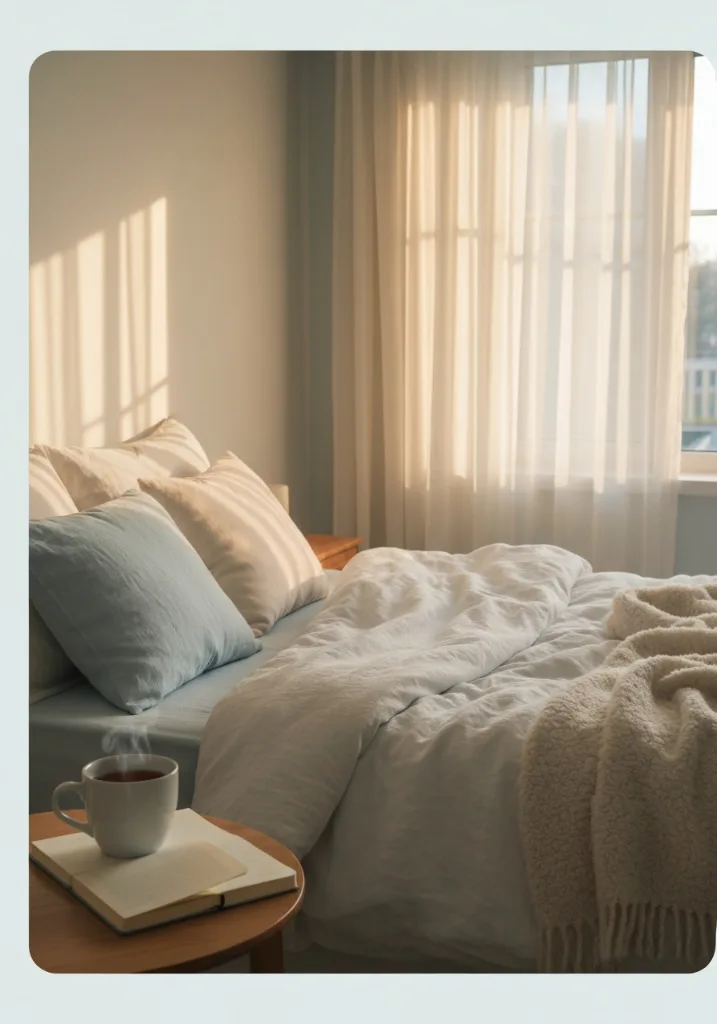
Over time, these small, intentional choices build a lifestyle that feels calmer and more sustainable. That’s the long-term goal of low stimulation wellness—creating a way of living that supports your well-being without adding extra pressure.
Pro Tip: Choose one “anchor habit” each day, like a quiet morning or a screen-free evening. Keeping this one habit consistent can help you stay grounded even on busy days.
Frequently Asked Questions About Low Stimulation Wellness
What is low stimulation wellness?
Low stimulation wellness is a lifestyle approach that focuses on reducing sensory overload from noise, screens, and busy environments. It encourages calm routines, simple habits, and mindful living so you can feel more balanced throughout your day.
How can I start a low stimulation lifestyle?
You can begin by making small changes, like limiting screen time, simplifying your space, and choosing quieter activities. Many people start with a gentle morning routine or calming evening habits. If you need ideas, you can learn more about a slow morning wellness ritual to ease into this lifestyle.
Is low stimulation wellness good for mental health?
Many people feel more relaxed and less overwhelmed when they reduce constant input. While low stimulation wellness may support a calmer state of mind, it is not a substitute for professional care when needed.
What are examples of low stimulation activities?
Common activities include reading, walking in nature, journaling, light stretching, or enjoying a warm drink. These simple moments help create a slower pace that aligns with low stimulation wellness.
Can diet affect stimulation levels?
Yes, what you eat and drink can influence how you feel. Reducing caffeine or overly processed foods may help maintain steady energy. Choosing simple, balanced meals can support a calmer daily rhythm.
Is low stimulation wellness trending?
Yes, many people on TikTok, Reddit, and Quora are sharing their experiences with slower living and reduced stimulation. These conversations show a growing interest in finding balance in a fast-paced world.Pro Tip: Save your favorite calming habits—like a quiet activity or soothing drink—and return to them whenever your day starts to feel overwhelming.
Conclusion: Embracing a Calmer Way of Living
Low stimulation wellness is not about changing your life overnight. It’s about making small, thoughtful choices that help you feel more at ease in your daily routine. By reducing noise, simplifying habits, and creating quiet moments, low stimulation wellness becomes something that naturally fits into your lifestyle over time.
As you’ve seen throughout this guide, low stimulation wellness can show up in many ways—through calm routines, mindful eating, gentle environments, and better screen awareness. The key is to keep things simple and realistic so you can maintain these habits without pressure.
If you’re looking to continue building a peaceful routine, you can check out simple morning coffee routines for more ideas that support a steady and balanced start to your day.
You can also stay connected and find more inspiration here:
Follow us on Facebook
Explore ideas on Pinterest
This article is shared for informational purposes and is not a substitute for medical advice.
Pro Tip: Focus on progress, not perfection. Even one calm habit practiced daily can support your low stimulation wellness journey in a meaningful way.