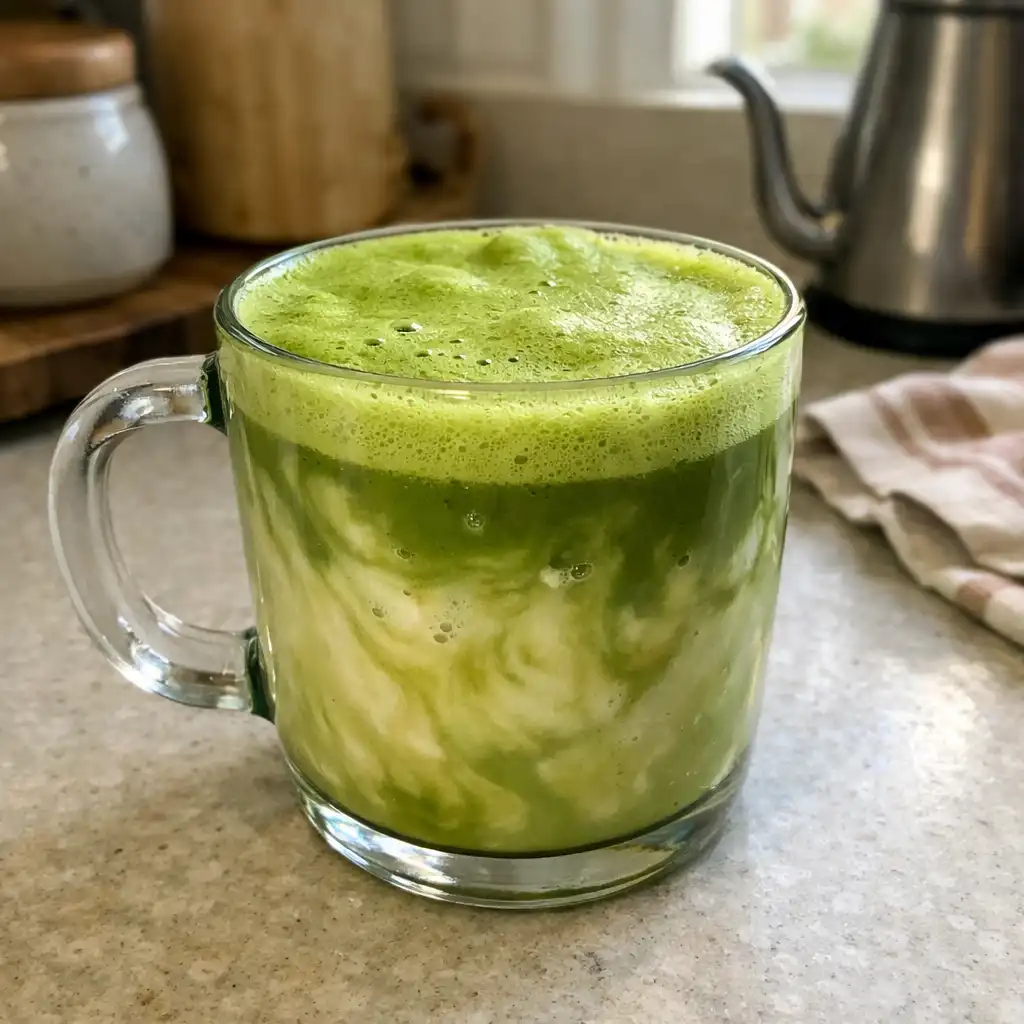
I first noticed the buzz around matcha during a morning scroll through TikTok. From green frothy lattes to energizing smoothies, it felt like everyone was swapping out their coffee for this vibrant green powder. But the real curiosity started when I saw people talking about the “calm energy” it gave them and how it had been a traditional drink for centuries. That’s when I decided to dive deeper—and what I found was more than just hype.
In this article, we’re unpacking everything about matcha health benefits—not just from a trend perspective, but through its nutritional profile, wellness potential, and how it compares to common choices like coffee. Whether you’re curious about switching your morning drink, trying to understand why Gen Z is hooked, or just want to know if drinking matcha daily is actually good for you, this guide is for you.
You’ll learn:
- What matcha is and how it’s made
- Why its nutrients make it stand out
- The real health benefits it may offer
- How it compares to coffee in energy and wellness effects
- Who should and shouldn’t drink it daily
- How to prepare it at home
- Why it’s become a cultural phenomenon (especially among Gen Z)
If you’re someone exploring natural ways to support your wellness, this guide will help you decide if matcha belongs in your daily ritual. Learn more about the powerful benefits of green tea in this guide.
Let’s get started with the basics—what is matcha, and what makes it so unique?
What Is Matcha?
What Matcha Is and How It’s Made
Matcha is a type of powdered green tea that comes from specially grown and processed tea leaves. Unlike regular green tea, where you steep the leaves and discard them, matcha involves consuming the whole leaf in powdered form. That means you’re getting a much more concentrated source of nutrients.
Traditionally used in Japanese tea ceremonies, matcha has found its way into modern kitchens and cafés. Its bold green color, slightly earthy flavor, and smooth texture have made it a favorite in everything from lattes to smoothies. But what really sets it apart isn’t just the taste—it’s the matcha health benefits packed into every spoonful.
Farmers grow matcha by shading the tea plants for about three weeks before harvest. This boosts the chlorophyll levels and encourages the production of amino acids, especially L-theanine, which is known for promoting calm alertness. After harvesting, the leaves are steamed, dried, and ground into a fine powder.
Types of Matcha (Ceremonial vs Culinary)
There are two main types of matcha: ceremonial grade and culinary grade. Ceremonial matcha is the highest quality, made from the youngest leaves, and is best for drinking with just hot water. Culinary matcha, while still rich in matcha health benefits, is more robust and ideal for baking, cooking, or blending into drinks.
When you’re shopping for matcha, look for a bright green color, which signals freshness and quality. Dull or yellowish tones often mean it’s older or lower in antioxidants.
Pro Tip: When buying matcha, check that it’s sourced from Japan and labeled as “shade-grown” for maximum nutritional potency. Store it in a cool, dark place to keep those nutrients intact.
Print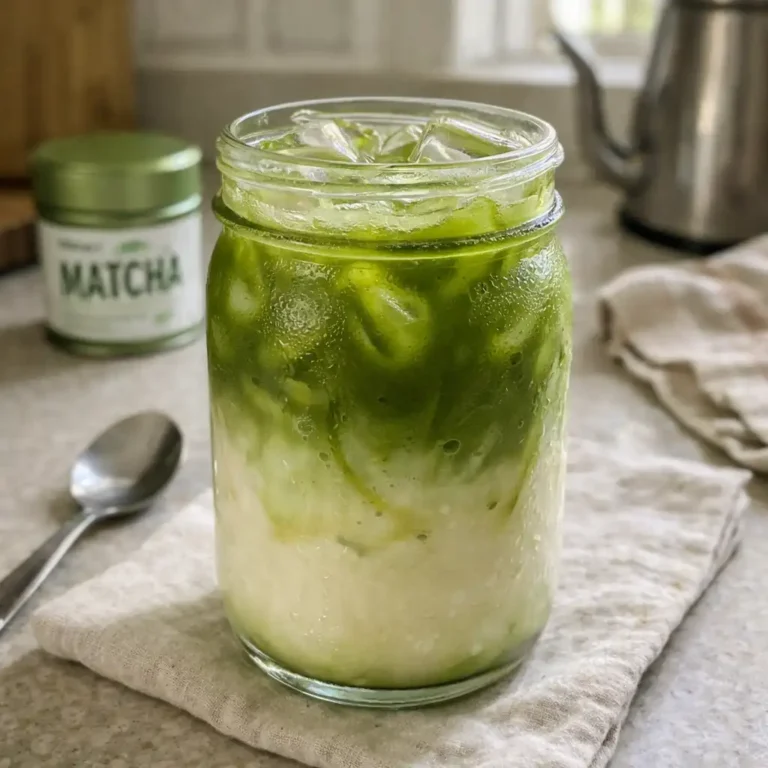
Homemade Matcha Latte (Hot or Iced)
This simple homemade matcha latte delivers smooth, steady “calm energy” thanks to matcha’s natural caffeine plus L-theanine. Make it hot or iced in minutes with just a few ingredients.
- Total Time: 5 minutes
- Yield: 1 latte 1x
Ingredients
- 1–2 teaspoons matcha powder (ceremonial or culinary grade)
- 2–4 tablespoons hot water (not boiling; about 160°F-175°F)
- 3/4–1 cup milk of choice (oat, almond, dairy, etc.)
- 1–2 teaspoons honey or maple syrup (optional)
- Ice (optional, for iced latte)
 Get Recipe Ingredients
Instructions
- Sift: Sift matcha into a bowl or mug to prevent clumps.
- Whisk: Add hot (not boiling) water and whisk briskly in an “M” shape until smooth and foamy. (A handheld frother also works.)
- Sweeten (optional): Stir in honey or maple syrup if using.
- Make it hot: Add steamed/warm milk and stir.
- Make it iced: Fill a glass with ice, pour in milk, then add the whisked matcha. Stir and enjoy.
Notes
- Best matcha: Look for bright green, shade-grown matcha (often sourced from Japan) and store airtight away from light.
- Caffeine: Matcha typically has about 30–70 mg caffeine per serving depending on amount and quality—avoid late-day servings if you’re sensitive.
- Texture tip: Always sift for a smoother latte.
- Prep Time: 5 minutes
- Cook Time: 0 minutes
- Category: Drinks
- Method: Whisking
- Cuisine: Japanese-inspired
Nutrition
- Serving Size: 1 latte
Nutrition Profile of Matcha
Antioxidants and Catechins
One of the standout features of matcha is its antioxidant content. Unlike many other drinks, matcha is especially rich in catechins, a type of antioxidant believed to help the body combat oxidative stress. The most powerful of these catechins is EGCG (epigallocatechin gallate), a compound often studied for its potential support in cardiovascular health and metabolism.
Because you’re consuming the whole leaf, you’re getting up to 137 times more EGCG than in a standard cup of green tea. That’s one reason why so many people are interested in the wide range of matcha health benefits that go beyond basic hydration.
Vitamins, Minerals, and Chlorophyll
Matcha also brings a healthy dose of vitamins and minerals to your cup. It contains vitamin C, selenium, chromium, zinc, and magnesium. These nutrients support immune health, blood sugar balance, and general wellness.
Chlorophyll is another compound matcha is known for. That bright green color isn’t just for show—chlorophyll has long been appreciated in traditional wellness for its detox-like properties. It may help support your body’s natural cleansing process and can be soothing for the digestive system.
Since the leaves are stone-ground into a fine powder, you’re not missing out on any part of the plant. This full-leaf consumption is a key factor in why matcha health benefits tend to be more potent compared to other teas.
Pro Tip: For the highest nutrient concentration, whisk matcha in hot (not boiling) water—ideally between 160°F and 175°F—to preserve its delicate compounds.
Discover great ideas like these healthy drink options in this article to complement your matcha habits.
Major Matcha Health Benefits
Antioxidant Protection and Detox
One of the most talked-about matcha health benefits is its antioxidant power. These antioxidants—particularly catechins like EGCG—help neutralize free radicals in the body. This process supports healthy aging and may reduce the damage caused by environmental stressors.
Chlorophyll, the pigment responsible for matcha’s vibrant green hue, has been linked to gentle detoxification. While scientific evidence is still growing, some traditional wellness practices use chlorophyll-rich plants to help the body naturally clear out unwanted substances. When consumed regularly, matcha may support your body’s own detox routines.
Energy Boost Without the Crash
Matcha contains caffeine, but in a much different way than coffee. Instead of a quick spike and crash, matcha offers a steadier, more balanced energy release. That’s thanks to L-theanine, an amino acid that works alongside caffeine to create a calm alertness.
Many people report feeling focused and energized for hours after drinking matcha, without the jittery side effects. This combination is especially attractive to those who are sensitive to coffee but still want that mental lift. It’s one of the subtle yet powerful matcha health benefits that draws so many to this green drink.
Metabolism Support and Weight Management
Another reason matcha is so popular in wellness spaces is its potential role in metabolism support. Some small studies have suggested that the catechins in matcha may help increase fat oxidation during exercise. While it’s no magic fix, matcha can be a helpful addition to an overall healthy routine.
By replacing sugary drinks with a low-calorie matcha latte or plain matcha tea, you can also cut down on extra calories without sacrificing flavor or satisfaction.
Focus, Clarity, and Calm Energy
L-theanine doesn’t just mellow out caffeine—it also promotes a sense of mental clarity. People often turn to matcha during work or study sessions to stay focused without feeling wired. This mental calm is one of the matcha health benefits that makes it stand out from other caffeinated beverages.
Pro Tip: Try matcha before your next brainstorming session or creative project. Many artists and entrepreneurs sip it to stay sharp and relaxed at the same time.
Looking for inspiration? Try these natural liver detox foods from this resource to pair with your matcha routine.
Matcha and Daily Consumption
Is It Good If I Drink Matcha Every Day?
Many people ask whether drinking matcha every day is safe—or even beneficial. The answer? For most people, enjoying matcha daily can offer consistent wellness support. Since you’re consuming the entire leaf, the nutritional content is more concentrated than typical teas, making it easier to enjoy steady matcha health benefits over time.
That said, moderation is key. Most wellness enthusiasts stick to 1 to 2 servings per day. This keeps caffeine intake balanced while allowing the body to absorb nutrients without overload. A single serving of matcha contains about 30–70 mg of caffeine, depending on the quality and quantity used.
Daily consumption of matcha may support gentle detox, cognitive clarity, and stable energy. It’s also been associated with routines that promote focus and reduced stress, making it a helpful addition to your workday or morning meditation. Still, if you’re pregnant, breastfeeding, or sensitive to caffeine, consult with a qualified health professional before making it a habit.
Potential Downsides of Overconsumption
Even natural ingredients like matcha can become a problem in excess. Drinking too much matcha might cause side effects like upset stomach, irritability, or disrupted sleep—mostly due to its caffeine and tannin content. High-quality matcha also contains trace amounts of lead from soil, so overconsuming it may not be advisable.
Stick with organic, shade-grown matcha from trusted sources. Look for those tested for heavy metals and contaminants. This ensures you’re maximizing the matcha health benefits without unnecessary risk.
Pro Tip: Start your day with a matcha latte and save coffee (if any) for later. This helps spread out caffeine intake while letting matcha set the tone for smoother energy throughout the morning.
Don’t miss our guide on green tea caffeine levels in this article if you want to compare your daily options.
Matcha vs Coffee
Caffeine Content and Effects
If you’re someone who depends on coffee to start the day, you might be wondering how matcha stacks up. While both drinks offer caffeine, they affect the body differently. Coffee delivers a quick hit of energy, often followed by a crash. Matcha, on the other hand, releases its energy more gradually, thanks to the presence of L-theanine.
This slow release helps reduce jitteriness and anxiety, making matcha a gentler alternative for those who are caffeine-sensitive. It also means longer-lasting energy without the midday slump that coffee sometimes causes. This is one of the matcha health benefits that coffee simply can’t match.
Antioxidants and Other Health Compounds
While coffee does contain antioxidants, matcha is packed with a broader range of health-supporting compounds. In particular, the presence of EGCG and chlorophyll sets matcha apart. These compounds have been linked to natural detox support, reduced inflammation, and cellular protection.
Additionally, matcha is lower in acidity compared to coffee, which can be easier on the stomach. For people who struggle with heartburn or digestive discomfort, switching to matcha could be a more comfortable daily choice. That’s another reason why many people lean into matcha health benefits when choosing between the two drinks.
How Each Affects Focus, Sleep, and Energy
Coffee can deliver sharp alertness but sometimes at the cost of restlessness. Matcha tends to support mental clarity without overstimulation, which may be ideal for tasks requiring focus and calm. L-theanine not only smooths out caffeine’s edge but may also support better sleep cycles by avoiding late-day spikes in energy.
In the end, it’s not about one being better than the other. It’s about what fits your body and lifestyle best. For those aiming to prioritize smoother energy and nutritional perks, matcha health benefits make it an appealing everyday option.
Pro Tip: Try alternating days—coffee one day, matcha the next—to see how your energy and focus shift. Many people end up preferring the steady flow that matcha offers.
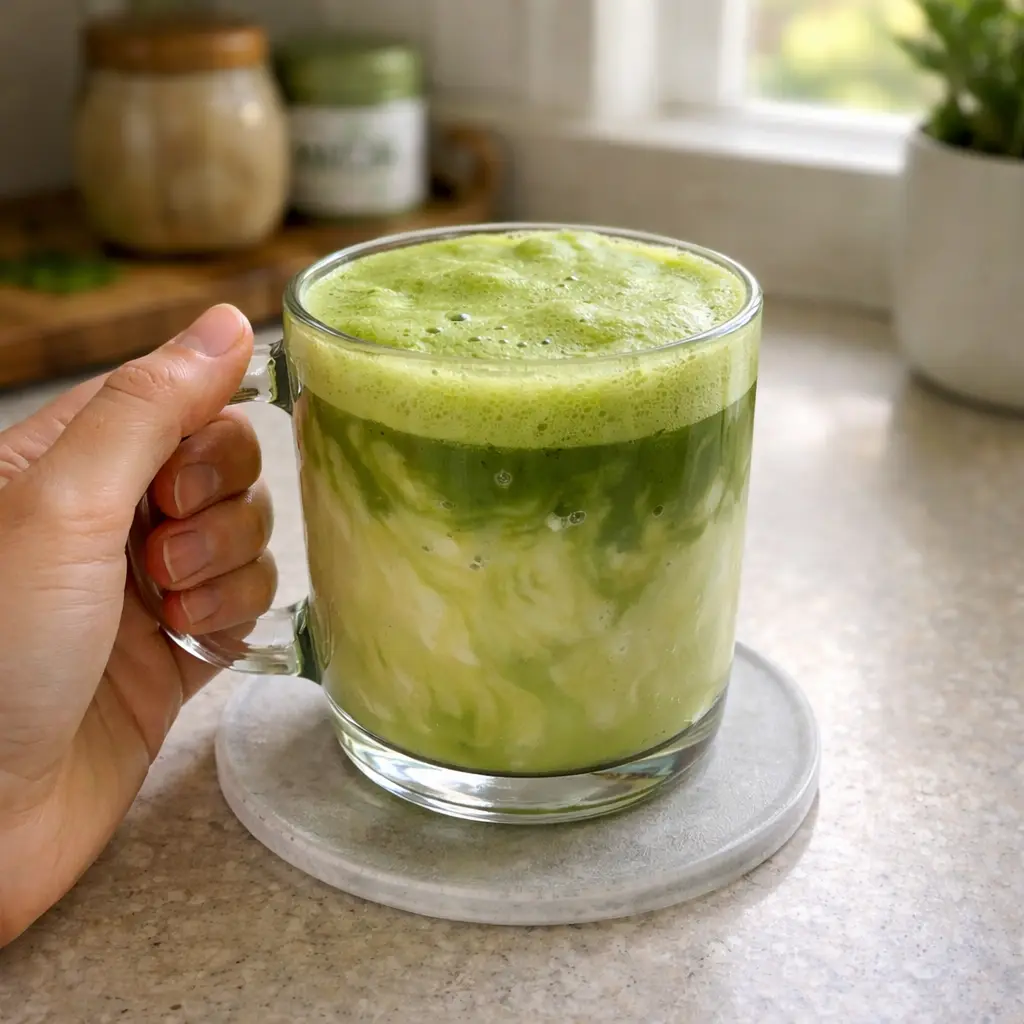
Why Gen Z Is Obsessed With Matcha
Social Media Trends and Aesthetic Appeal
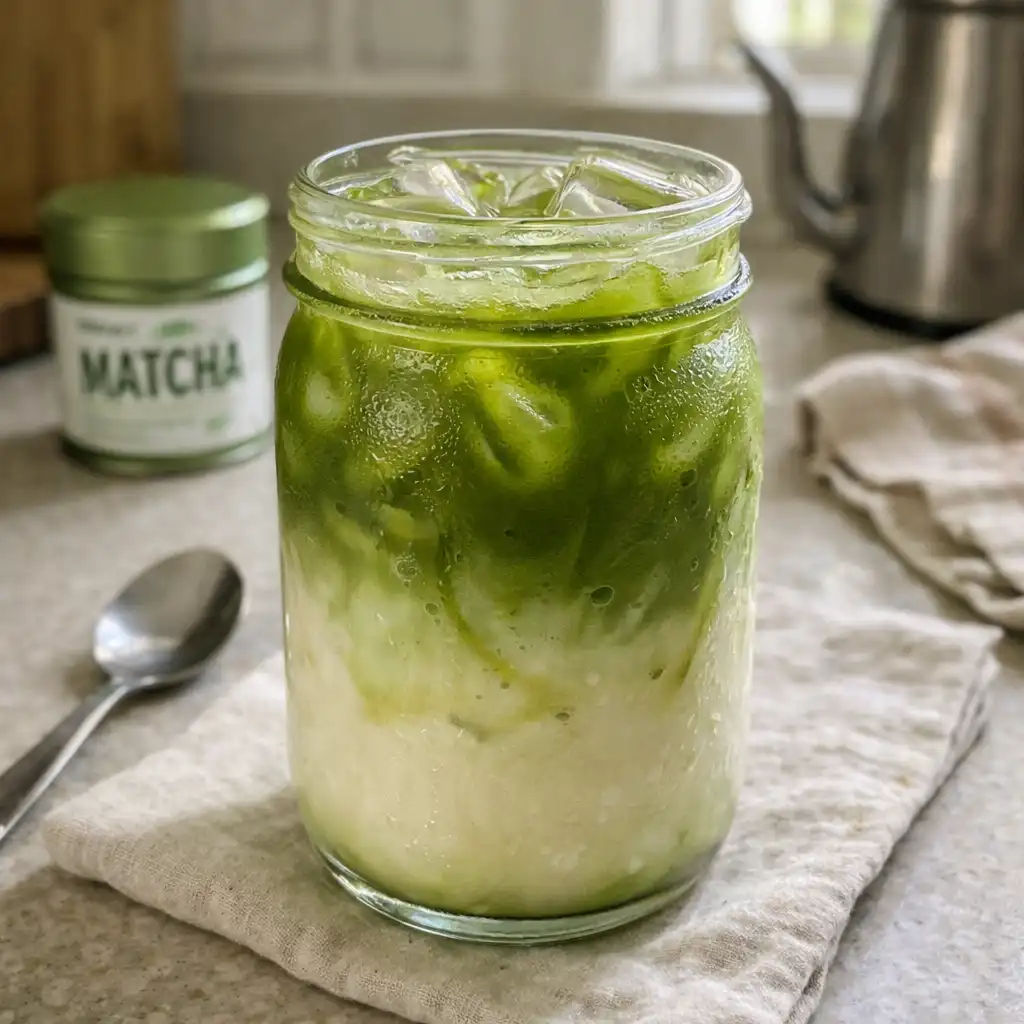
Scroll through any social platform and you’ll likely see someone pouring bright green matcha into a mason jar or swirling it into a foamy latte. Gen Z has fully embraced matcha—not just for the taste, but for the way it looks and feels. With its vivid color and “clean” vibe, matcha fits perfectly into the wellness-driven, visually curated lifestyle that dominates TikTok and Instagram.
This generation craves more than caffeine—they want rituals that promote balance. That’s where the matcha health benefits enter the picture. With claims of calm energy, antioxidant support, and focus-enhancing properties, matcha is more than just a drink. It’s a lifestyle statement.
Perceived Health Benefits and Wellness Culture
Gen Z is more wellness-conscious than previous generations. They’re reading labels, researching ingredients, and turning to drinks that promise more than just a jolt of energy. The steady buzz and focus from matcha align well with their values of mental clarity, self-care, and long-term wellness.
Instead of downing sugary energy drinks or highly acidic coffee, many young people are opting for matcha-based beverages. Whether it’s a matcha lemonade or a dairy-free iced latte, they’re chasing both flavor and function—making the most of potential matcha health benefits in every cup.
Matcha in Drinks, Lattes, and Snacks
It’s not just about tea anymore. Matcha is popping up in cookies, energy bites, smoothies, and even skincare. Its versatility means it can be part of daily rituals in many forms. And with so many creative matcha recipes shared online, it’s easier than ever to incorporate it into your routine.
Pro Tip: Make your own iced matcha latte at home using oat milk and a hint of honey for a Gen Z–inspired energy boost without the coffee crash.
Check out our traditional brewing tips in this article to take your matcha game up a notch.
How to Prepare Matcha
Traditional Whisk Method
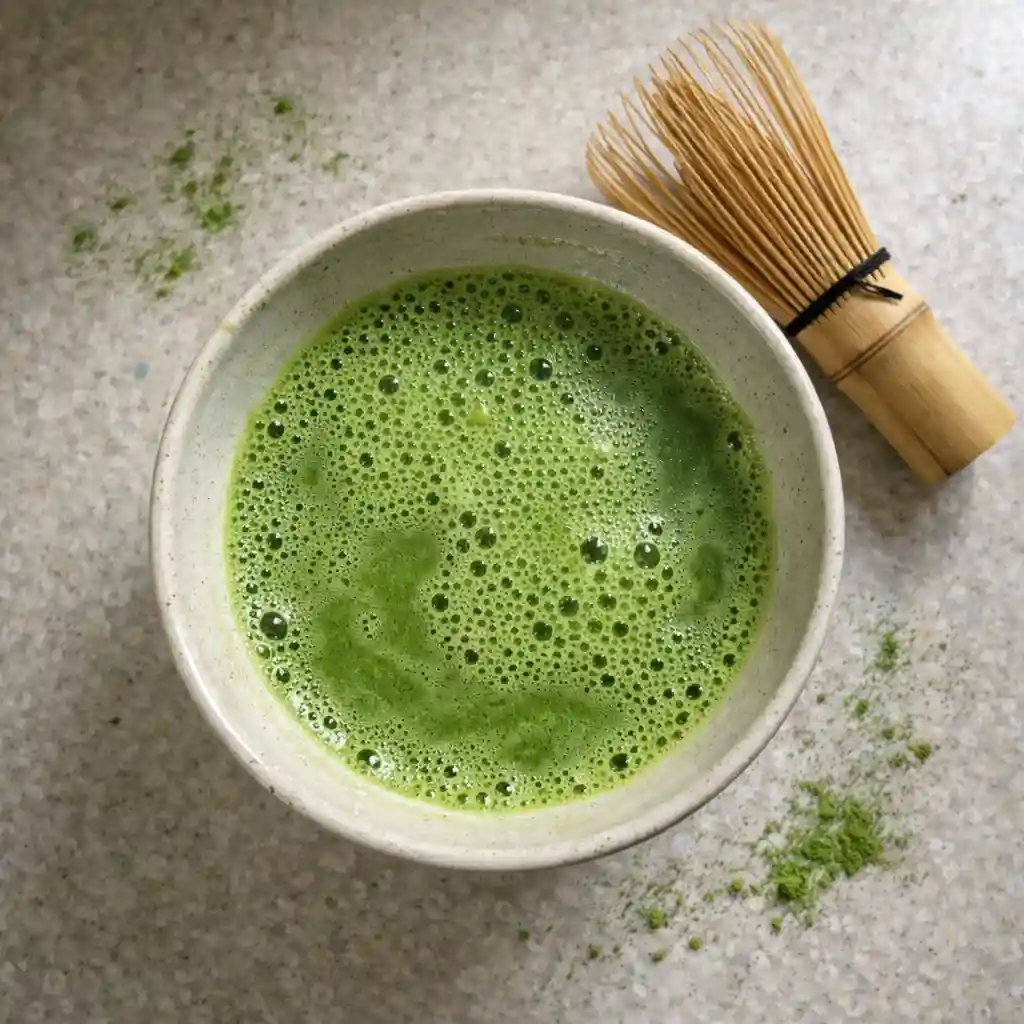
There’s something almost meditative about preparing matcha the traditional way. Using a bamboo whisk (called a “chasen”), you gently blend the powder with warm water until it froths. This method, passed down through Japanese tea ceremonies, emphasizes intention and presence. Many people find the process calming, which naturally ties into the calming matcha health benefits they’re seeking.
To prepare, sift 1–2 teaspoons of matcha into a bowl. Add a few tablespoons of hot (not boiling) water and whisk briskly in an “M” shape until smooth and foamy. Finish by adding more hot water or steamed milk, depending on your preference.
Easy Matcha Latte Recipes
Not into ceremonial tools? No problem. Making a matcha latte at home is super simple and still delivers all those great matcha health benefits. Just blend matcha powder with a splash of hot water, then add your milk of choice (oat milk, almond milk, or dairy). A bit of honey or maple syrup adds a touch of sweetness without overpowering the earthy flavor.
You can serve it hot or iced, depending on the season or your mood. Pro tip: using a handheld frother makes it creamy in seconds.
Cold Brew & Smoothie Ideas
Matcha is incredibly flexible—it’s not just for sipping warm. Try blending it into your next smoothie for a nutrient-packed breakfast. A scoop of matcha powder pairs well with banana, spinach, almond milk, and a spoonful of nut butter. The taste is mild, but the matcha health benefits are strong.
Another refreshing option? Cold brew matcha. Mix matcha powder with cold water in a shaker bottle and let it sit for a few hours in the fridge. It’s smooth, energizing, and perfect for a hot afternoon.
Pro Tip: Always sift your matcha before mixing—it prevents clumps and creates a smoother texture.
Learn how lemon water fits into a natural health routine in this post and explore other gentle drinks to balance your wellness habits.
Matcha Safety and Precautions
Caffeine Sensitivity
Although matcha is praised for its smooth energy, it’s still a source of caffeine. For people who are caffeine-sensitive, even the lower levels in matcha can lead to restlessness or disrupted sleep if consumed too late in the day. That said, the presence of L-theanine does help soften the impact, offering more balanced energy as one of the standout matcha health benefits.
If you’re unsure how your body reacts, start with a smaller amount—about half a teaspoon—and observe how you feel. Timing also matters. Drinking matcha in the morning or early afternoon is often ideal to avoid any interference with sleep.
Interaction With Medications
As with many plant-based products, matcha may interact with certain medications. It’s best to consult a qualified healthcare provider if you’re on prescriptions, particularly for blood pressure, anxiety, or blood thinning. While rare, it’s wise to make sure your daily matcha habit doesn’t complicate your wellness goals.
Even though matcha health benefits are well-regarded in wellness circles, they shouldn’t replace proper medical advice or care. This drink should complement your lifestyle—not become a treatment plan.
Choosing High-Quality Matcha Powder
Not all matcha is created equal. Low-quality powders can contain additives, excess fillers, or heavy metals due to poor farming practices. Always buy from reputable brands that test for purity and source their leaves from trusted farms—preferably in Japan.
A bright green color is often a sign of freshness and a high chlorophyll content. Dull or yellow-green shades may indicate oxidation or low-grade leaves, which means fewer potential matcha health benefits in your cup.
Pro Tip: Store your matcha in the fridge in an airtight container to protect it from light, moisture, and air. This helps preserve its taste and nutrients over time.
Frequently Asked Questions About Matcha Health Benefits
What Are the Health Benefits of Matcha?
Matcha offers a unique set of wellness advantages thanks to its concentrated nutrients. It contains antioxidants like EGCG, which support cellular health and may aid the body’s natural detox process. One of the most appreciated matcha health benefits is its ability to provide sustained energy without the jitters, making it a popular alternative to coffee. It also includes L-theanine, which helps promote focus and mental clarity while reducing stress.
Why Is Gen Z Obsessed With Matcha?
Gen Z has embraced matcha not only for its bright color and visual appeal but also for its connection to clean eating and mindful living. With wellness trends growing on social media, matcha is viewed as a better-for-you caffeine source. Many enjoy it in lattes, smoothies, and even snacks, all while tapping into the potential matcha health benefits like calm energy and antioxidant intake.
Is It Good If I Drink Matcha Every Day?
In moderation, yes. Drinking matcha daily can help support your energy levels, concentration, and digestive comfort. Most people stick to one to two servings a day to stay within healthy caffeine limits. Daily matcha drinkers often report more stable energy and a greater sense of focus—two key matcha health benefits that make it a sustainable choice.
Which Is Healthier, Matcha or Coffee?
It depends on your needs. Coffee is higher in caffeine, but matcha offers a more balanced energy boost with added antioxidants. Matcha also tends to be gentler on the stomach, especially for those with acidity concerns. Many people turn to matcha health benefits like detox support and mental calm as a reason to swap out their usual cup of joe.
How Much Matcha Should You Drink Daily?
Most wellness experts recommend one to two teaspoons of matcha powder per day, which equals about one to two servings. This amount offers solid matcha health benefits without pushing your caffeine intake too high. Adjust based on your sensitivity and energy needs.
Conclusion: Final Thoughts on Matcha Health Benefits
As more people turn toward mindful eating and functional beverages, matcha continues to stand out. It’s not just a trendy drink—it’s a time-tested ingredient packed with nutrients that support both focus and balance. Whether you’re looking to replace your daily coffee or simply want a nourishing ritual, the matcha health benefits are hard to ignore.
Throughout this guide, we’ve explored matcha’s unique combination of antioxidants, amino acids, and gentle caffeine. We’ve also looked at how it compares to coffee, why it’s so popular among Gen Z, and how to prepare it in ways that suit your taste and lifestyle.
But more importantly, we’ve shown that matcha is more than hype. It’s a versatile drink that fits into real life—whether you enjoy it for energy, focus, or a relaxing morning routine. When sourced and consumed thoughtfully, matcha can be a powerful part of your everyday wellness.
Pro Tip: Start small and see how your body responds. Over time, your daily cup of matcha might become more than a habit—it could become your favorite self-care moment.
Learn more about the powerful benefits of green tea in this guide and for more wellness-focused content, follow our journey on Pinterest and Facebook.
This recipe is shared for informational purposes and is not a substitute for medical advice.