I still remember my first encounter with Mediterranean vegetarian cuisine—it was during a backpacking trip through the Greek islands. I was staying in a quiet village where the locals served up vibrant plates of grilled vegetables, creamy hummus, and hearty lentil stews, all without a trace of meat. That meal changed how I saw vegetarian cooking—simple, nourishing, and exploding with natural flavor.
If you’ve ever wondered how to embrace a plant-based Mediterranean lifestyle without sacrificing taste or variety, this guide is for you. This article is packed with Mediterranean food recipes vegetarian in focus, crafted for anyone curious about nutritious, plant-forward meals that don’t rely on meat or dairy-heavy ingredients. Whether you’re a seasoned vegetarian or just dabbling with meatless Mondays, you’ll find a complete map to get started—and keep going.
We’ll walk through the building blocks of Mediterranean vegetarian cuisine, must-have pantry staples, quick meals, and satisfying mains, plus delicious snacks and side dishes that turn any meal into a feast. You’ll also discover how to plan your meals the Mediterranean way, how to keep everything flavorful without excess calories, and even get some insider tips I’ve picked up along the way.
Check out our main recipes page for more ideas that pair perfectly with what you’ll find here.
Ready to bring sunshine and simplicity to your plate? Let’s dig in.
Introduction to Mediterranean Vegetarian Cooking
What Defines Mediterranean Food Recipes Vegetarian?
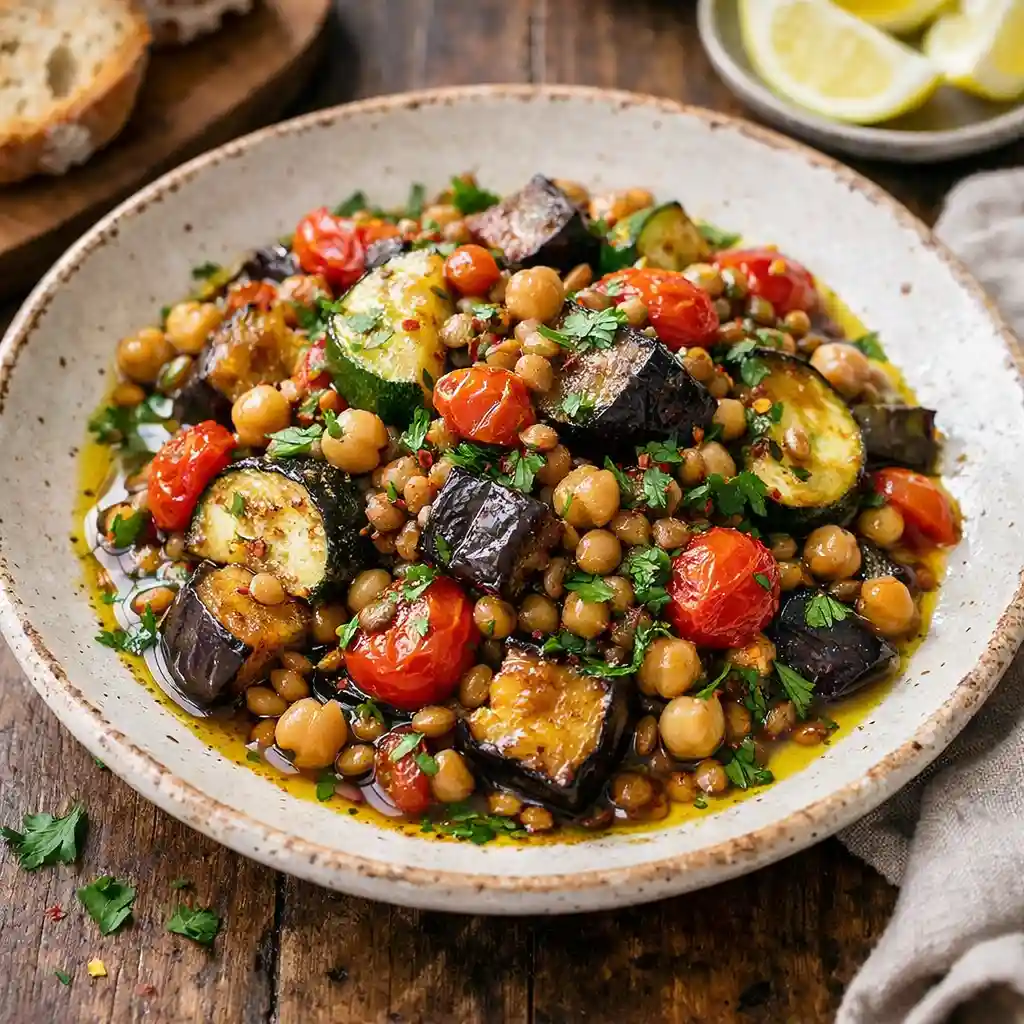
At its heart, Mediterranean cuisine is all about fresh, wholesome ingredients that come together in simple but deeply satisfying ways. When we talk about Mediterranean food recipes vegetarian, we’re focusing on plant-based versions of dishes traditionally eaten in countries like Greece, Italy, Lebanon, and Spain. Think hearty stews made with lentils and chickpeas, vibrant vegetable salads dressed in olive oil and lemon, or baked eggplant layered with herbs and spices.
These recipes don’t just skip the meat—they embrace the full potential of vegetables, legumes, grains, and good fats to create meals that are flavorful, filling, and nourishing. Mediterranean food recipes vegetarian also highlight the region’s love for seasonal produce, which means meals are often packed with color and variety. From sun-ripened tomatoes and zucchini to earthy lentils and sweet peppers, every ingredient plays its part.
Health and Lifestyle Benefits of Mediterranean Vegetarian Eating
Following a vegetarian Mediterranean diet isn’t just about what’s on your plate—it’s about adopting a lifestyle rooted in balance and enjoyment. Many people turn to Mediterranean food recipes vegetarian for their heart-healthy fats, anti-inflammatory properties, and long-term wellness potential. But just as important is the joy that comes from preparing and sharing meals made with love.
These recipes often feature ingredients like whole grains, beans, nuts, seeds, and extra virgin olive oil—all known for their nutritional power. Add a generous helping of herbs like oregano, parsley, and basil, and you’ve got meals that support your health and delight your taste buds.
Pro Tip: Start by stocking your pantry with core Mediterranean staples like olive oil, canned chickpeas, lentils, brown rice, whole grain pasta, and a mix of herbs. With just these basics, you can whip up dozens of delicious vegetarian dishes in no time.
Core Ingredients in Mediterranean Vegetarian Dishes
Fresh Vegetables, Legumes, and Whole Grains
One of the defining traits of Mediterranean food recipes vegetarian is their reliance on whole, fresh ingredients. Vegetables take center stage, with tomatoes, eggplants, zucchini, cucumbers, bell peppers, and leafy greens making frequent appearances. These are not just sides—they’re often the star of the show, either grilled, stewed, or layered into baked dishes.
Equally essential are legumes like lentils, chickpeas, and white beans. These protein-rich ingredients are foundational in many classic Mediterranean recipes, from hearty soups to rich spreads like hummus. Whole grains such as farro, bulgur, and brown rice round out the nutritional profile, offering fiber and a satisfying bite.
Instead of heavily processed foods, Mediterranean food recipes vegetarian revolve around preparing simple components in thoughtful ways. A bowl of lentil soup may be enriched with a touch of olive oil and lemon, while a vegetable pilaf can be finished with a handful of fresh herbs and toasted nuts.
Olive Oil, Herbs, and Spices That Define the Cuisine
No discussion of Mediterranean food recipes vegetarian would be complete without mentioning olive oil. Used in almost every dish, this heart-healthy fat brings a rich, fruity flavor that ties ingredients together. A splash of good extra virgin olive oil can transform even the simplest meal into something memorable.
Herbs and spices do the heavy lifting when it comes to flavor. Oregano, thyme, rosemary, parsley, mint, and basil are commonly used fresh or dried. Spices like cumin, coriander, and sumac bring warmth and depth, especially in North African or Middle Eastern-inspired dishes.
Pro Tip: Store your herbs properly—wrap fresh herbs in a damp paper towel and keep them in a zip-top bag in the fridge. This simple step keeps them fresh for days and ready for your next Mediterranean-inspired creation.
Don’t miss our bean soup crockpot ideas that pair beautifully with Mediterranean-style sides.
Print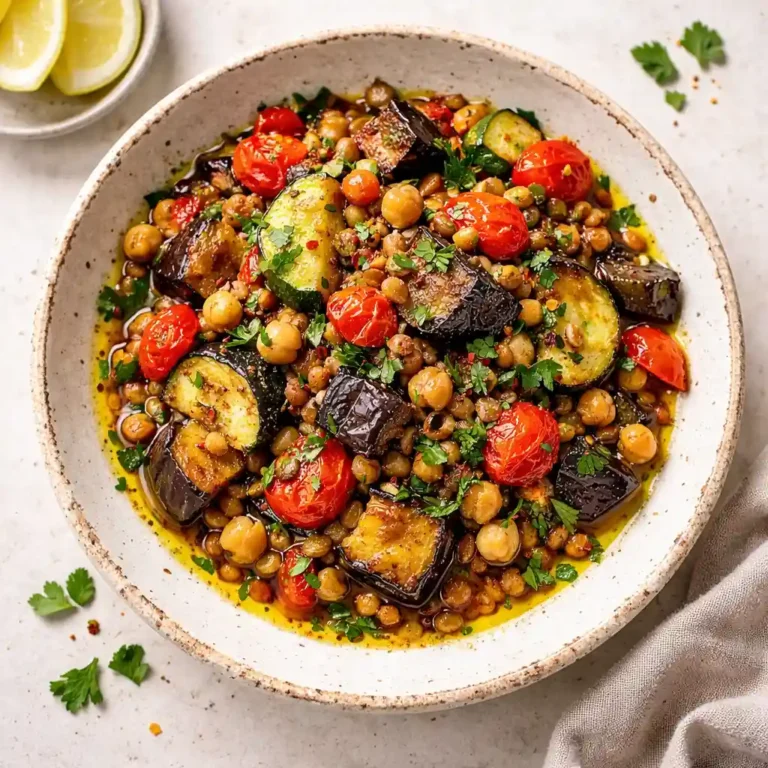
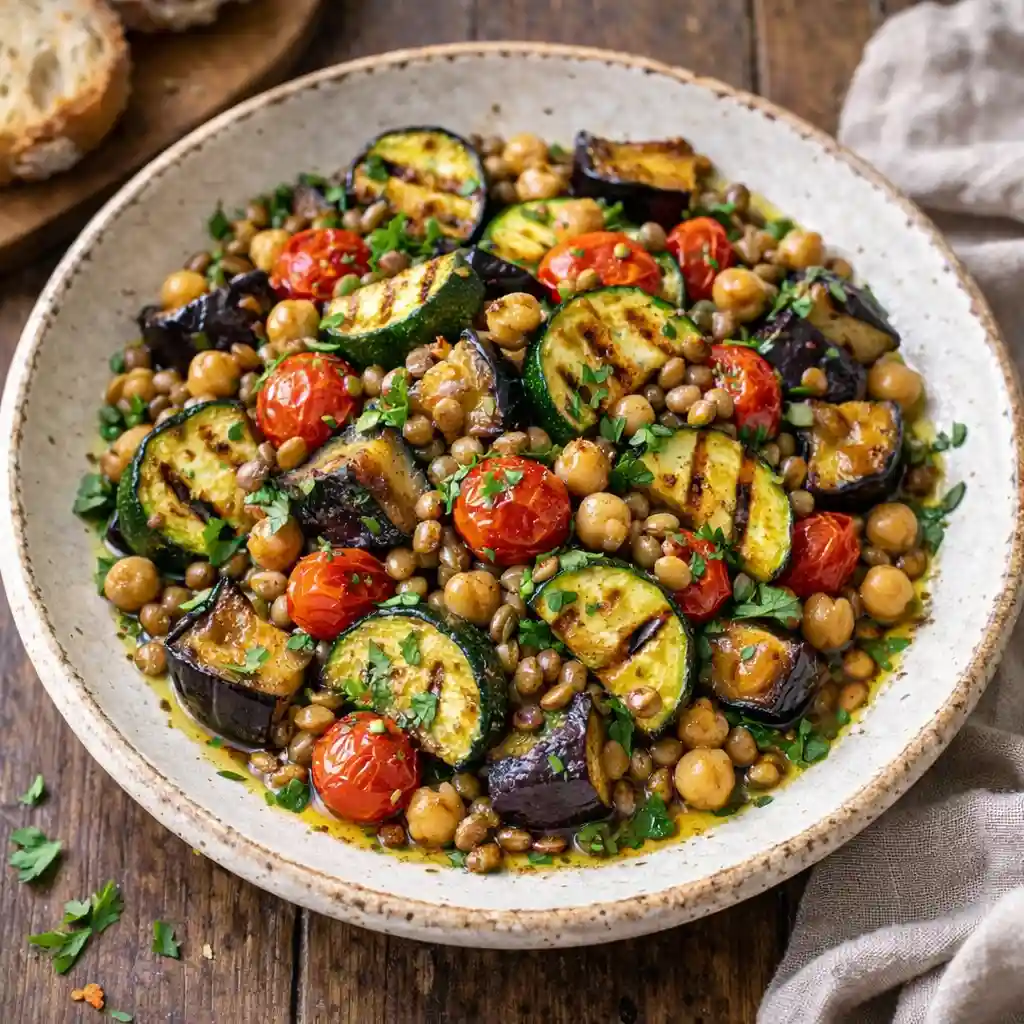
Mediterranean Vegetarian Dish
A colorful Mediterranean vegetarian dish featuring tomatoes, eggplant, zucchini, chickpeas, lentils, olive oil, and herbs.
- Total Time: 40 minutes
- Yield: 4 servings 1x
Ingredients
Instructions
1. Chop vegetables into bite-sized pieces. 2. Roast or sauté with olive oil until tender. 3. Add cooked chickpeas and lentils. 4. Season with herbs, salt, and pepper. 5. Serve warm with grains or fresh bread.
Notes
This dish is flexible—use any seasonal vegetables or whole grains you prefer.
- Prep Time: 15 minutes
- Cook Time: 25 minutes
- Category: Mediterranean Vegetarian
- Method: Roasted / Sautéed
- Cuisine: Mediterranean
- Diet: Vegetarian
Nutrition
- Serving Size: 1 bowl
- Calories: 320
- Sugar: 7g
- Sodium: 410mg
- Fat: 14g
- Saturated Fat: 2g
- Unsaturated Fat: 11g
- Trans Fat: 0g
- Carbohydrates: 38g
- Fiber: 9g
- Protein: 12g
- Cholesterol: 0mg
Classic Mediterranean Vegetarian Recipes
Greek Vegetarian Favorites (e.g., Spanakopita, Briam)
When it comes to Mediterranean food recipes vegetarian, Greek cuisine stands out with dishes that have been meat-free for centuries. Spanakopita, a savory pie made with spinach and feta wrapped in flaky phyllo dough, is a beloved staple. Briam is another gem—a baked vegetable medley of zucchini, potatoes, eggplant, and tomatoes, slow-roasted with olive oil and herbs.
These dishes are more than just satisfying—they tell a story of tradition and resourcefulness. Greek Orthodox fasting periods historically encouraged plant-based eating, which led to a rich library of vegetarian meals. Whether enjoyed hot or at room temperature, these meals celebrate simplicity, seasonality, and balance.
Middle Eastern and North African Vegetarian Delights
In Middle Eastern and North African regions, Mediterranean food recipes vegetarian are often vibrant and spice-forward. Think of dishes like mujadara—a comforting mix of lentils, rice, and caramelized onions—or couscous with roasted vegetables and chickpeas, often finished with harissa or preserved lemon.
Hummus and baba ganoush are also classics, served as spreads or dips alongside warm flatbreads or fresh-cut vegetables. These recipes are rich in flavor but made with just a few wholesome ingredients, making them ideal for everyday cooking.
Pro Tip: For extra creamy hummus, peel your chickpeas after boiling or use canned ones soaked in hot water for a few minutes before blending. The difference in texture is totally worth it.
Looking for inspiration? Try our healthy cucumber recipe for a refreshing side that matches beautifully with warm Mediterranean mains.
Mediterranean Food Recipes Vegetarian — Easy Weeknight Meals
Simple Pasta, Grain Bowls, and One‑Pot Meals
Weeknight dinners don’t need to be complicated to be delicious. One of the best parts about Mediterranean food recipes vegetarian is how effortlessly they fit into busy lives. Dishes like orzo with cherry tomatoes and olives or farro tossed with roasted vegetables can be whipped up in under 30 minutes, yet they feel hearty and full of depth.
Grain bowls are another go-to. Start with a base of quinoa or brown rice, then pile on roasted zucchini, chickpeas, cucumber, and a drizzle of tahini lemon dressing. Add crumbled feta or kalamata olives if you’re including dairy. These combinations are endlessly flexible and help you stay excited about eating vegetarian.
Time‑Saving Tips for Busy Cooks
Time-saving doesn’t mean sacrificing quality. Prepping ingredients in batches—like roasting a tray of mixed vegetables or cooking a big pot of lentils—can power several meals throughout the week. Many Mediterranean food recipes vegetarian are just as tasty the next day, making them great for leftovers and lunches.
Use your freezer smartly. Pesto, tomato sauce, and even cooked grains can be portioned and frozen for quick meal assembly. Having a few of these basics on hand means you’re never far from a nourishing Mediterranean meal.
Pro Tip: Keep a container of cooked lentils or canned chickpeas in your fridge. Toss them into soups, salads, or stews for fast, satisfying meals without turning on the stove.
Don’t miss our strawberry angel food cake for a light, sweet finish to any vegetarian meal.
Mediterranean Vegetarian Appetizers and Sides
Dips, Salads, and Mezze (e.g., Hummus, Tabbouleh)
The Mediterranean table is known for its abundant appetizers and sides, often served as part of a mezze spread. These smaller plates are a great way to sample a variety of textures and flavors—all of which shine in Mediterranean food recipes vegetarian. From creamy hummus made with tahini and lemon to fresh tabbouleh with bulgur and parsley, each bite delivers satisfaction without being heavy.
These dishes are often built on pantry staples and can be made in minutes. A drizzle of olive oil and a squeeze of lemon over chopped tomatoes and cucumbers is all it takes to craft a refreshing salad. Add some crumbled feta, and you’ve got a light side dish that complements any main course beautifully.
Roasted and Grilled Mediterranean Vegetables
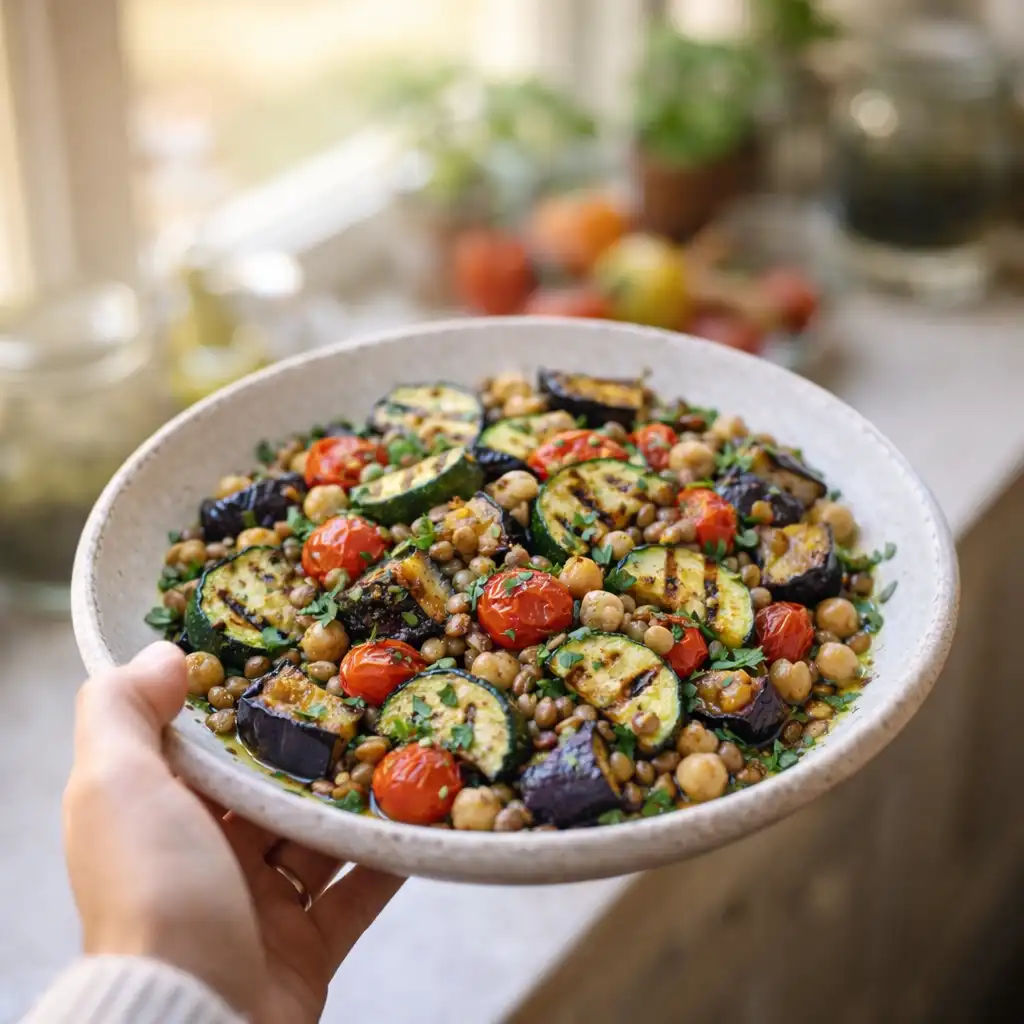
Vegetables are the heart of Mediterranean food recipes vegetarian, especially when roasted or grilled. Eggplants, peppers, zucchini, and onions caramelize beautifully with just a touch of olive oil, bringing out their natural sweetness. These are perfect served alongside grains, added to flatbreads, or piled high in a bowl with a creamy yogurt sauce.
Roasted vegetables can also be used cold or room temperature, making them ideal for meal prep or picnics. Try tossing roasted eggplant with tahini dressing or layering grilled zucchini over hummus on warm pita. It’s a delicious way to build flavor without a lot of fuss.
Pro Tip: Roast your veggies in a single layer on a hot baking sheet. This technique helps them brown and crisp rather than steam, giving you better texture and deeper flavor.
Check out our Hong Kong-style French toast for a unique take on a sweet vegetarian brunch idea.
Vegetarian Main Courses from the Mediterranean
Stuffed Vegetables and Vegetarian Casseroles
One of the most comforting and satisfying categories within Mediterranean food recipes vegetarian is stuffed vegetables. This style of cooking is a cornerstone of many regional cuisines across the Mediterranean, from Greek gemista (stuffed tomatoes and peppers) to Turkish dolmas wrapped in grape leaves. Typically filled with a mix of rice, herbs, pine nuts, and sometimes raisins, these dishes are balanced in flavor and filling enough to stand alone as a main course.
Casserole-style dishes also shine here. Moussaka can be adapted without meat by layering roasted eggplant, potato, and a spiced tomato-lentil sauce, topped with creamy béchamel. These baked dishes are crowd-pleasers and often improve in flavor the next day, making them ideal for batch cooking.
Creative Meatless Mains That Satisfy
Mediterranean food recipes vegetarian go beyond traditional fare too. Modern plant-based cooks are crafting inventive meals like roasted cauliflower shawarma, chickpea burgers spiced with cumin and coriander, or skillet shakshuka made with lentils or tofu instead of eggs.
These dishes embrace both creativity and health, drawing on the Mediterranean’s vibrant pantry of herbs, spices, and vegetables. With just a little prep, you can whip up mains that are both impressive and deeply nourishing.
Pro Tip: Try replacing meat in traditional Mediterranean dishes with hearty vegetables or legumes. Mushrooms, lentils, and even firm tofu can work wonderfully in stews or pasta sauces.
Looking for more? Don’t miss our recipes section to spark ideas for weeknight meals and beyond.
Snacks, Small Bites & Street Food
Mediterranean Vegetarian Snacks to Enjoy Anytime
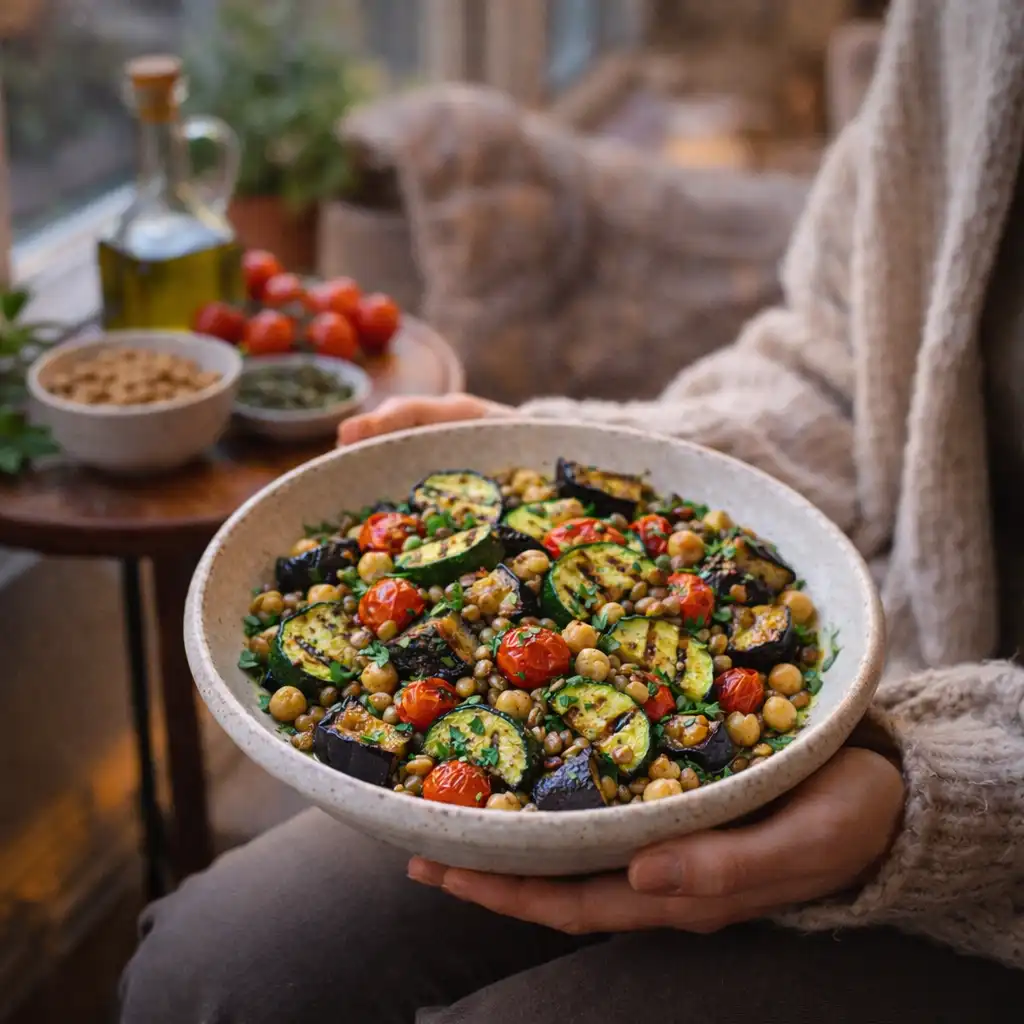
Sometimes all you need is a little bite of something delicious—and Mediterranean food recipes vegetarian offer plenty of choices. From crispy falafel to savory olive tapenade on crusty bread, snacks in this cuisine are far from boring. Packed with herbs and spices, these small bites bring bold flavors with minimal effort.
Falafel is a classic example. Made from ground chickpeas or fava beans mixed with garlic, herbs, and cumin, then fried until golden, they’re perfect on their own or tucked into pita with veggies and tahini. For a lighter snack, try marinated olives with orange zest and rosemary or a handful of roasted chickpeas tossed in paprika.
These quick bites are perfect for mid-day cravings or to serve as appetizers when entertaining guests. With a little creativity, they can even be turned into full meals—just add a side salad or some warm grains.
Vegetarian Versions of Popular Street Foods
Around the Mediterranean, street food culture thrives—and it’s surprisingly veg-friendly. Whether it’s a slice of spinach pie from a bakery in Athens or a paper cone of fried zucchini chips from a coastal town in Italy, Mediterranean food recipes vegetarian adapt beautifully to grab-and-go formats.
Try your hand at meatless gyros using grilled mushrooms or seasoned jackfruit, wrapped in soft pita with tomatoes and tzatziki. Or go for a simple tomato bruschetta on grilled bread—a fast, fresh option that never fails to impress.
Pro Tip: Keep a jar of homemade tzatziki or hummus in your fridge. It turns any sandwich, wrap, or snack into a flavorful Mediterranean treat within seconds.
Discover great ideas like our bean soup recipes if you’re looking to add a warm, comforting option to your snack game.
Meal Planning with Mediterranean Vegetarian Recipes
Weekly Meal Plans and Shopping Lists
One of the easiest ways to embrace Mediterranean food recipes vegetarian is by planning your meals in advance. A little prep goes a long way when it comes to enjoying stress-free, wholesome eating. Creating a weekly plan helps you balance flavors, avoid repetition, and ensure you’re getting a mix of nutrients from legumes, vegetables, grains, and healthy fats.
Start with a template: pick two grain-based mains, two legume-based meals, and a couple of lighter dishes like salads or soups. Then make a shopping list that covers all the fresh and pantry items you’ll need. By planning this way, you’re more likely to stay consistent and inspired.
Balancing Nutrition in Mediterranean Vegetarian Menus
While Mediterranean food recipes vegetarian are naturally rich in fiber and plant-based nutrients, variety is still key to maintaining a healthy, balanced diet. Incorporate iron-rich ingredients like lentils and leafy greens, and pair them with vitamin C sources like bell peppers or citrus to help with absorption.
Healthy fats from olive oil, nuts, and seeds support fullness and flavor, while whole grains like barley, bulgur, and farro provide lasting energy. And don’t forget calcium—options like tahini, almonds, and dark greens can help meet your needs if you’re dairy-free.
Pro Tip: Make a big batch of grain or legume salad at the beginning of the week. It keeps well and makes for easy lunches or side dishes with minimal effort.
Check out our recipes library to build your own meal plan from a variety of wholesome, vegetarian options.
Cooking Tips and Variations
Substitutions for Special Diets (Gluten-Free, Dairy-Free)
One of the strengths of Mediterranean food recipes vegetarian is how easily they can be adapted to meet dietary needs. If you’re gluten-free, it’s simple to swap bulgur or couscous with quinoa, brown rice, or millet. Traditional dishes like tabbouleh or stuffed grape leaves can still be enjoyed with these substitutions, retaining all the flavor without the gluten.
For dairy-free eaters, skip the cheese and yogurt in recipes like spanakopita or tzatziki. Instead, try vegan feta made from almonds or tofu, and use coconut-based yogurt as a creamy base for dips and dressings. Many Mediterranean recipes are already dairy-free by nature, especially those from Middle Eastern or North African traditions.
How to Boost Flavor Without Extra Calories
When you’re making Mediterranean food recipes vegetarian, flavor is everything—and thankfully, this cuisine offers endless options to build richness without adding extra calories. Roasting vegetables brings out natural sweetness, while herbs like mint, parsley, and cilantro add brightness to any dish.
Acid is another secret weapon. Lemon juice, balsamic vinegar, or sumac can wake up a meal instantly. A splash of good olive oil or a sprinkle of za’atar at the end of cooking can elevate even the simplest salad or soup.
Pro Tip: Always taste as you go. With Mediterranean cooking, the freshness of ingredients can vary, so adjusting seasoning at the end is key to a balanced, vibrant dish.
Looking for inspiration? Try our cucumber recipe and experiment with seasoning swaps or new herb combos to see what suits your palate best.
FAQ — Mediterranean Food Recipes Vegetarian
What are the top 10 foods on a Mediterranean diet?
The Mediterranean diet is built on fresh, whole foods that support long-term wellness. The top 10 staples often featured in Mediterranean food recipes vegetarian include: olive oil, tomatoes, lentils, chickpeas, whole grains (like bulgur and farro), garlic, eggplant, leafy greens, nuts (especially almonds and walnuts), and herbs like parsley and oregano. These ingredients form the flavorful base of countless dishes.
Which Greek dish is traditionally vegetarian?
One of the most beloved Greek dishes that is naturally vegetarian is Spanakopita—a spinach and feta pie wrapped in delicate phyllo dough. It’s a staple in Mediterranean food recipes vegetarian, often served with a side of salad or lentil soup. Other traditional options include Briam (roasted mixed vegetables) and fasolada (Greek bean soup).
What to eat with Mediterranean vegetables as a vegetarian?
Mediterranean vegetables are versatile and easy to pair. As part of Mediterranean food recipes vegetarian, they can be served with grains like couscous or quinoa, added to wraps, or tossed into pasta. You can also pair them with dips like hummus or baba ganoush for a complete, satisfying meal. A slice of crusty whole grain bread and a drizzle of olive oil ties it all together.
What is the most popular Mediterranean dish?
One of the most iconic dishes is hummus, loved across regions for its creamy texture and rich flavor. It’s a core element in many Mediterranean food recipes vegetarian, often served with warm pita, fresh veggies, or as a base for grain bowls. Other popular favorites include tabbouleh, falafel, and ratatouille.
Pro Tip: Create a mezze platter with a mix of your favorite vegetarian dishes. It’s a fun, shareable way to enjoy multiple flavors in one meal—and perfect for gatherings.
Conclusion
Mediterranean food recipes vegetarian bring more than just nutrition to your table—they invite you into a lifestyle rooted in flavor, balance, and joy. From vibrant roasted vegetables and satisfying grain bowls to classic dishes like hummus and spanakopita, every meal offers a chance to eat well without overcomplicating things.
This guide was designed to help you discover how approachable and versatile these meals can be. Whether you’re meal prepping for the week or cooking a relaxed dinner, Mediterranean food recipes vegetarian give you a delicious roadmap to feel-good eating. The focus on fresh, seasonal ingredients means you can eat colorfully and creatively without sacrificing simplicity.
As someone who’s cooked hundreds of vegetarian meals over the years, I can say with confidence that this cuisine never gets boring. It’s flexible enough to meet your lifestyle, whether you’re gluten-free, dairy-free, or just looking to add more plants to your plate.
Pro Tip: Follow food trends on TikTok or Reddit to see how others are reinventing Mediterranean staples with a vegetarian twist. It’s a fun way to keep your cooking inspired and your meals exciting.
Don’t miss our recipes collection for more plant-forward ideas to try. And if you enjoy our content, follow us on Pinterest and Facebook for fresh new recipes every week.
This recipe is shared for informational purposes and is not a substitute for medical advice.