As someone who always keeps a bowl of seasonal fruit on my kitchen table, I’ve had a long-standing love affair with pomegranates. I remember one fall afternoon in Morocco, seated with an elderly woman in her sunlit courtyard, cracking open a ripe pomegranate with her bare hands. She smiled and said, “We eat this for the heart, for the skin, for the soul.” That moment stuck with me—not just for its warmth but for the fruit itself. Since then, I’ve been curious about the health potential of this jewel-toned wonder.
In this article, we’ll unpack everything you need to know about pomegranate health. Whether you’re someone who already enjoys pomegranates in your salads or smoothies, or you’re just hearing the buzz about this superfruit on TikTok or Reddit, you’re in the right place.
You’ll learn:
- The nutritional makeup of pomegranates and why it matters
- Real potential health benefits for your heart, digestion, and more
- How it compares to other fruits like apples
- Whether it’s similar to popular weight-loss aids like Ozempic
- Who might need to avoid it and possible side effects
We’ll also address trending questions, myths, and wellness claims while grounding everything in common-sense experience and balanced language.
Pro Tip: If you’re new to pomegranates, try them fresh before diving into juices or extracts. The seeds (called arils) offer the best taste, texture, and fiber combo.
Looking for inspiration? Try our guide on healthy drinks for weight loss—you might just find a new way to use pomegranate there.
This guide is written for everyday folks looking to make informed choices about what they eat—not as medical advice, but as thoughtful, experience-based insight. Let’s get into the juicy details.
Introduction to Pomegranate Health
What is a Pomegranate?
Pomegranates are one of the most ancient and revered fruits in human history. Known for their ruby-red seeds and sweet-tart juice, they’ve been a part of traditional diets across the Middle East, India, and the Mediterranean for thousands of years. More recently, the Western world has caught on, especially in health-conscious circles, where conversations around pomegranate health are booming. Whether tossed into salads or sipped as juice, this fruit is a favorite for more than just its flavor.
History and Cultural Significance of Pomegranate
Long before TikTok wellness trends or the explosion of superfood branding, the pomegranate held sacred meaning. In Greek mythology, it symbolized life and regeneration. In Persian culture, it’s a symbol of fertility and love. And in Ayurvedic and Traditional Chinese Medicine, it’s been used as a tonic for digestion and vitality. These cultural roots hint at why pomegranate health is not just a modern phenomenon—it’s a timeless idea grounded in tradition.
In today’s world, with people seeking natural options for wellness, it’s no surprise that pomegranates have surged in popularity. They’re not just pretty to look at. The growing interest in pomegranate health reflects a broader shift: more folks want foods that feel both nourishing and meaningful.
Pro Tip: When shopping, look for pomegranates that feel heavy for their size. That means more juice inside—and more of the health-supporting goodness you’re after.
Print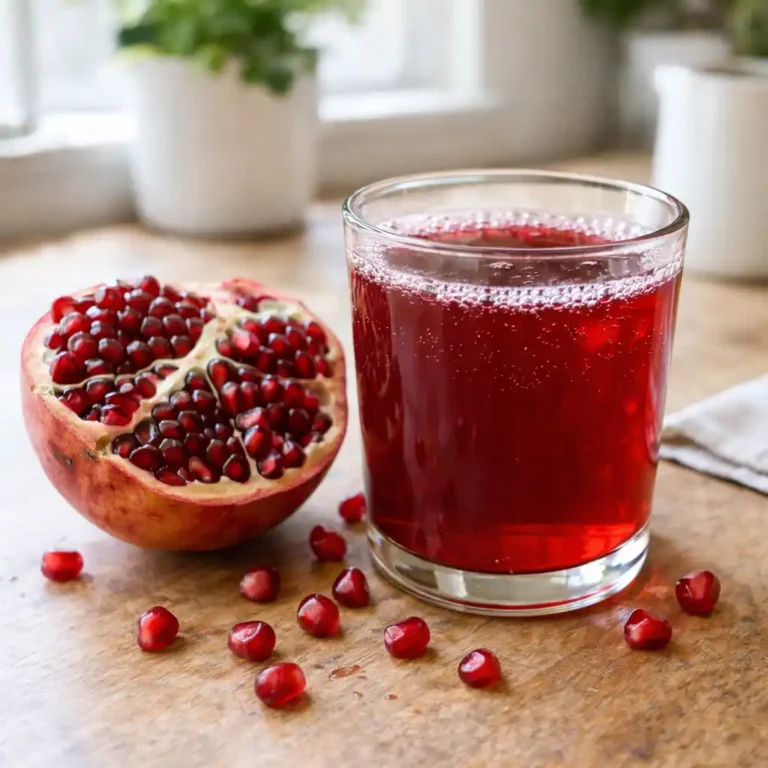
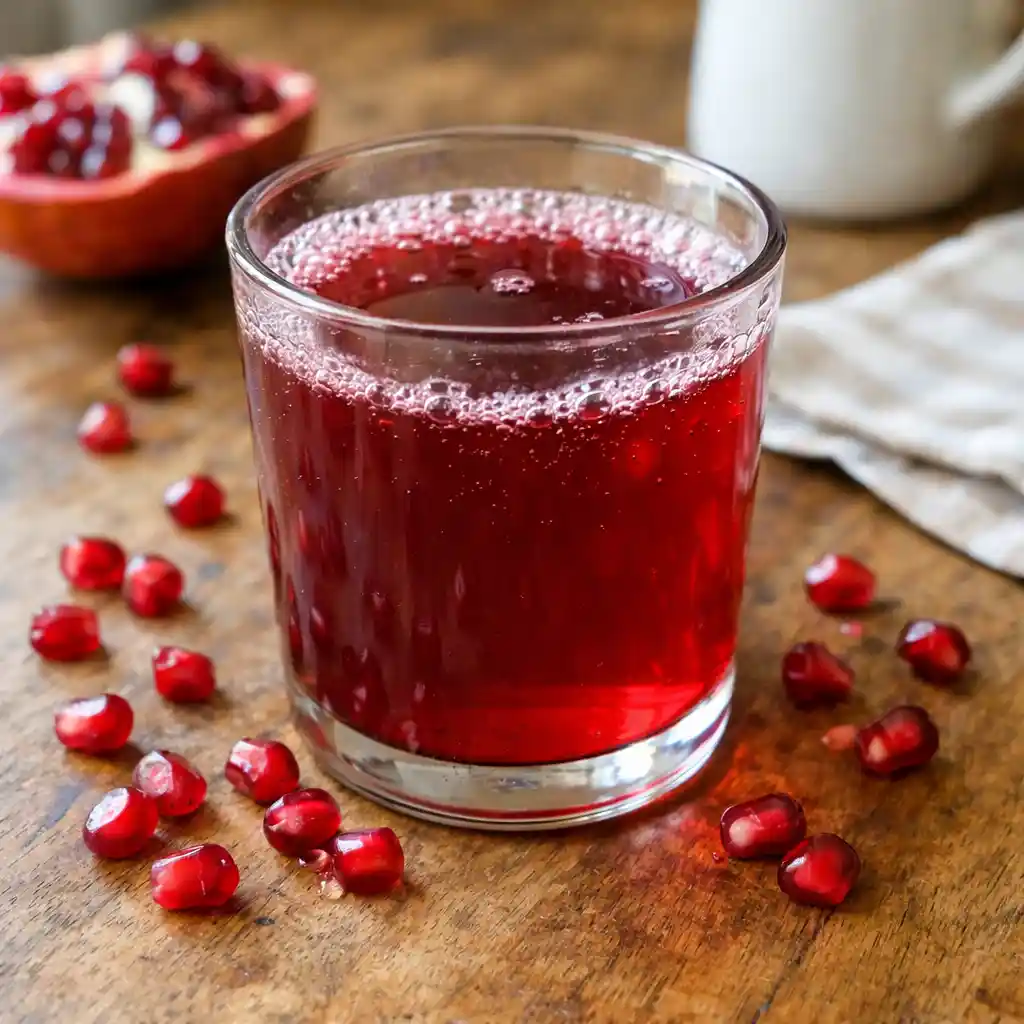
Fresh Pomegranate Juice
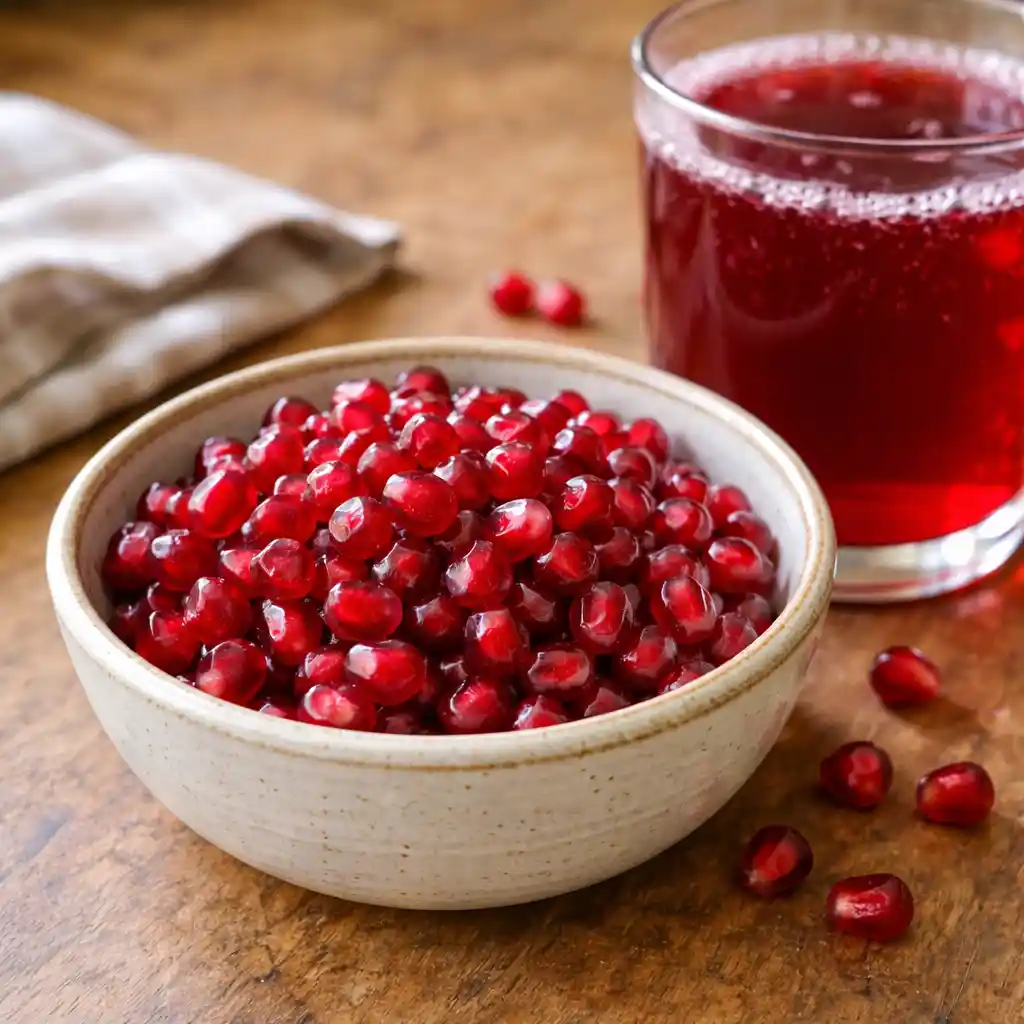
Fresh pomegranate juice is a simple, antioxidant-rich drink made from whole pomegranate seeds. It supports heart health, digestion, and overall wellness when enjoyed in moderation.
- Total Time: 10 minutes
- Yield: 1 glass 1x
Ingredients
- Fresh pomegranates
Instructions
- Cut the pomegranate and remove the seeds.
- Blend or press seeds to extract juice.
- Strain if desired and serve fresh.
Notes
Use fresh, ripe pomegranates for best flavor. Drink in moderation due to natural sugars.
- Prep Time: 10 minutes
- Cook Time: 0 minutes
- Category: Drink
- Method: Juicing
- Cuisine: Mediterranean
- Diet: Vegan
Nutrition
- Serving Size: 1 glass
- Calories: 130
- Sugar: 23g
- Sodium: 5mg
- Fat: 1g
- Saturated Fat: 0g
- Unsaturated Fat: 1g
- Trans Fat: 0g
- Carbohydrates: 33g
- Fiber: 4g
- Protein: 2g
- Cholesterol: 0mg
Nutritional Profile of Pomegranate
Key Vitamins and Minerals in Pomegranate
One of the biggest reasons behind the buzz around pomegranate health is its stellar nutritional content. Every seed, also called an aril, contains a small burst of antioxidants, fiber, and vitamins that play a role in overall wellness. A half-cup of pomegranate seeds offers about 15% of your daily vitamin C needs—important for immune support and skin health. You’ll also find vitamin K, essential for blood clotting and bone strength, and potassium, which supports heart and muscle function.
Pomegranates also deliver polyphenols, particularly punicalagins and anthocyanins. These are natural plant compounds known to help the body cope with oxidative stress. Some people say the antioxidants in pomegranate feel stronger than those in green tea or red wine, and while that’s hard to measure without lab gear, the nutrient profile definitely earns the fruit its “superfood” label.
Pro Tip: Sprinkle pomegranate seeds over Greek yogurt to boost your breakfast with fiber, antioxidants, and a satisfying crunch.
Caloric and Macronutrient Breakdown
When it comes to calories, pomegranates are pretty friendly. One medium pomegranate contains about 230 calories, mostly from natural sugars and fiber. A typical serving—about half a cup of seeds—lands around 70–80 calories. It’s low in fat, cholesterol-free, and contains 3–4 grams of fiber per serving. This makes it a great choice for folks looking to feel full without overeating.
In terms of protein and fat, there’s not much, but that’s typical for fruit. Instead, the focus of pomegranate health is on its micronutrient and antioxidant density, which makes it a valuable part of balanced meals and snacks.
Looking for inspiration? Try our beet juice recipe for weight loss—another vibrant fruit drink with antioxidant power.
Core Health Benefits of Eating Pomegranate
Antioxidant Power and Anti-Inflammatory Effects
One of the main reasons people turn to pomegranate health routines is for its potent antioxidant profile. Pomegranates are loaded with polyphenols, especially punicalagins and ellagic acid, which are linked to reduced inflammation in the body. These compounds help fight oxidative stress—a process that can damage cells and contribute to aging and chronic diseases.
When consumed regularly, pomegranates may support healthy aging and reduce cellular damage caused by free radicals. The fruit’s juice has even shown potential in lab studies for protecting cells and maintaining better vascular function. That’s why it’s often seen in the same superfruit category as blueberries and acai.
Pro Tip: Drinking 100% pomegranate juice (not from concentrate) with no added sugar is one of the easiest ways to incorporate antioxidants into your diet.
Heart and Blood Vessel Support
Heart health is another key reason why pomegranate health is getting attention. Studies suggest that pomegranate juice may help lower blood pressure, improve cholesterol levels, and support overall circulation. This is likely due to its high antioxidant content and ability to relax blood vessels.
While more human studies are needed, early research indicates that the natural compounds in pomegranate may reduce arterial plaque buildup and enhance nitric oxide availability—a process important for vascular health. Including pomegranate as part of a balanced, whole-food diet could be a gentle, natural way to support your heart.
Check out our list of liver detox foods—another key area where natural plant foods like pomegranate may offer benefits.
Pomegranate vs Other Fruits
Comparing Pomegranate and Apples in Nutrition and Health Benefits
It’s a question many people ask when exploring pomegranate health: is it better than other fruits, like apples? Both fruits are nutrient-rich, but they shine in different ways. Apples are a great source of soluble fiber, especially pectin, which helps with digestion and blood sugar stability. Pomegranates, on the other hand, are known for their unique antioxidant compounds that aren’t found in apples.
While apples contain vitamin C and potassium, pomegranates offer a more concentrated dose of polyphenols. If you’re focusing on antioxidant support and heart health, pomegranate often has the upper hand. However, apples are lower in sugar per serving, making them a better option for some individuals watching their glycemic response.
Pro Tip: Try making a fruit salad with both pomegranate seeds and sliced apples—this way, you get the best of both worlds.
Pomegranate and Other Antioxidant Fruits
In the growing conversation about pomegranate health, many compare it to other antioxidant-rich fruits like blueberries, acai, or grapes. What makes pomegranates stand out is their punicalagin content, which is unique to this fruit and has been associated with anti-inflammatory effects in various studies.
That said, variety matters. Instead of sticking with one “best” fruit, it’s smarter to rotate between them. Combining pomegranate with berries, citrus, or even kiwi gives your body a range of nutrients and supports overall wellness.
Don’t miss our guide to green banana trick for diabetes—another whole-food option linked with balanced blood sugar and digestive support.
Pomegranate and Metabolic Health
Effects on Blood Sugar and Insulin Sensitivity
For anyone keeping an eye on their metabolic health, the role of fruit can be a tricky topic. But pomegranate health may have something unique to offer here. While pomegranates do contain natural sugars, they also pack fiber and antioxidants that may slow down sugar absorption in the bloodstream. This can lead to a gentler blood sugar response compared to sugary drinks or low-fiber snacks.
Some small studies suggest that pomegranate juice could support insulin sensitivity and help manage post-meal blood glucose levels. Though we’re not talking about a magic bullet here, adding pomegranate to a balanced diet could be a small, tasty step toward supporting metabolic goals.
Pro Tip: If you’re drinking pomegranate juice, pair it with a handful of nuts or a boiled egg to slow sugar absorption and feel satisfied longer.
What Research Says About Pomegranate and Weight Management
You may have seen pomegranate pop up in weight-loss circles, and it’s easy to understand why. Pomegranate health routines often highlight the fruit’s ability to reduce bloating, satisfy cravings with its bold flavor, and contribute fiber for better digestion. While it’s not a fat burner, it can be a smart snack choice, especially when replacing ultra-processed alternatives.
Animal studies have hinted at possible weight management benefits from pomegranate extract, but human research is still limited. That said, choosing whole fruits like pomegranate over packaged snacks supports better overall dietary habits—which is a big win in itself.
Check out this refreshing dirty protein soda recipe that pairs well with fiber-rich snacks like pomegranate.
Pomegranate and Popular Diet Trends
Is Pomegranate Similar to Ozempic?
Lately, social media platforms like TikTok and Reddit have been buzzing with comparisons between natural foods and prescription medications like Ozempic. One common question that pops up: is pomegranate anything like Ozempic? While both are associated with weight management, they operate in completely different ways. Ozempic is a pharmaceutical designed to regulate insulin and suppress appetite. Pomegranate health, on the other hand, centers around natural nutrition—antioxidants, fiber, and micronutrients that support the body without medical intervention.
Some people report feeling full after eating pomegranate seeds or drinking the juice, likely due to the fiber content and rich flavor. While that may contribute to reduced snacking or better portion control, it’s not a substitute for any prescribed medication.
Pro Tip: Use pomegranate as part of a meal prep routine—mix the seeds with quinoa, lentils, or grilled veggies for a colorful, satisfying lunch.
How Pomegranate Fits Into Weight‑Loss Plans
In many popular eating plans—Mediterranean, anti-inflammatory, DASH—pomegranate fits in beautifully. That’s because pomegranate health isn’t about extremes or fads; it’s about steady, nutrient-rich eating. It offers a way to satisfy your sweet tooth while still giving your body valuable fuel.
For those watching calories, pomegranate’s portion-friendly nature makes it easy to enjoy without overdoing it. A small handful of seeds over yogurt or a splash of juice in sparkling water can bring flavor and health-supporting compounds to your day—no sacrifice required.
Don’t miss our bright and tangy popeyes pickle lemonade recipe—a surprisingly bold twist on fruit-based drinks.

How to Eat and Use Pomegranate
Best Ways to Prepare and Consume Pomegranate
There’s something almost meditative about opening a pomegranate. Scoring the skin, breaking it apart by hand, and gently loosening the ruby-red seeds feels like a small ritual. In the world of pomegranate health, preparation plays a big role—because how you consume the fruit affects how your body uses its nutrients.
The most common ways to enjoy pomegranate are fresh seeds (arils), pure juice, and powders or extracts. Fresh seeds deliver the full fiber content, which helps with digestion and satiety. Juice, while still rich in antioxidants, lacks the fiber and can spike blood sugar if consumed in large quantities.
Pro Tip: Roll the whole fruit on the counter before cutting—this helps loosen the seeds and makes separating them much easier (and less messy).
Using Pomegranate Seeds, Juice, and Extracts
Seeds can be tossed into salads, yogurt bowls, oatmeal, or even savory dishes like roasted veggies or lamb. The tangy-sweet pop of flavor works surprisingly well in both sweet and savory meals. If you’re exploring pomegranate health for its heart-supporting and antioxidant benefits, aim to use whole seeds more often than juice.
Pomegranate extract is also available in capsules or concentrated drops, often marketed as supplements. If you go that route, choose products with minimal fillers and clear sourcing. But from my kitchen to yours, I’ll always say: fresh is best when you can get it.
Who Should Avoid or Limit Pomegranate
Groups Who May Need to Be Cautious
While pomegranate health benefits many people, it’s not ideal for everyone. Some individuals, especially those with certain medical conditions or on specific medications, may need to limit or avoid it. For example, pomegranate juice may interact with blood pressure or cholesterol medications, similar to how grapefruit does. If you’re on medications like statins or ACE inhibitors, check with your healthcare provider before adding large amounts of pomegranate to your diet.
People with sensitive digestive systems might also experience discomfort, particularly if they consume too much juice or too many seeds at once. The fruit’s fiber is helpful in moderation but can lead to bloating or gas when overdone.
Pro Tip: Start small—add a spoonful of seeds to a meal and see how your body responds before making it a daily habit.
Interactions With Medications or Conditions
Another important aspect of pomegranate health involves understanding potential contraindications. Though natural, pomegranate contains bioactive compounds that can influence enzyme activity in the liver, affecting how some drugs are processed. This is especially relevant for people managing chronic conditions like diabetes or heart disease.
Pregnant and breastfeeding women can generally enjoy moderate amounts of pomegranate, especially whole seeds. However, supplements or extracts should be approached with caution unless approved by a healthcare provider. It’s always about balance and being informed.
Potential Side Effects and Discomfort
Common Negative Reactions
Even though pomegranate health is widely celebrated, not every experience is pleasant. Some people feel odd after eating pomegranate—lightheadedness, stomach cramps, or nausea are occasionally reported. This can be due to the high acidity of the juice or simply eating too many seeds too quickly. For those not used to fiber-rich foods, that sudden influx can disrupt digestion.
It’s also possible to have a mild allergic reaction to pomegranate. While rare, symptoms can include itching, swelling, or trouble breathing. If you notice any of these signs after consuming the fruit, it’s best to stop and talk to a doctor before trying it again.
Pro Tip: If you’re introducing pomegranate to kids or anyone with food sensitivities, start with a few seeds instead of a full serving.
Why Some People Feel Weird After Eating Pomegranate
A common question in forums and wellness spaces is, “Why do I feel weird after eating pomegranate?” It’s often not dangerous, but it can be unsettling. One possible explanation is the fruit’s tannin content—naturally occurring compounds that may cause astringency or slight nausea on an empty stomach. Combine that with the natural sugars and fiber, and it can be a bit much for sensitive guts.
Understanding your own body’s reactions is key in any pomegranate health journey. If you’re unsure how much is too much, keep a food journal and note how you feel after eating it. Sometimes, all it takes is adjusting the portion or timing.
FAQs About Pomegranate Health
What are the benefits of eating pomegranate?
Pomegranates offer a variety of nutrients that support overall wellness. From my experience, the biggest perks include their antioxidant power, digestive support, and potential heart benefits. When talking about pomegranate health, the standout nutrients are vitamin C, potassium, and polyphenols—plant compounds that may help the body manage inflammation and oxidative stress.
Is pomegranate similar to Ozempic?
This is a popular comparison on social media, but it’s not quite accurate. Ozempic is a pharmaceutical that affects insulin and hunger hormones. Pomegranate health, on the other hand, revolves around nutrition and natural compounds. While both may play a role in weight management, they do so in entirely different ways.
Is pomegranate healthier than apple?
Both fruits are healthy, but they serve different roles. Apples are rich in soluble fiber and great for blood sugar control, while pomegranates excel in antioxidants. In the world of pomegranate health, the edge lies in its unique polyphenols, which aren’t as prominent in apples.
Who should not consume pomegranates?
Anyone taking blood pressure or cholesterol medications should consult their doctor first, as pomegranate juice may interfere with how some drugs are processed. Also, people with sensitive stomachs or allergies should be cautious. Pomegranate health is beneficial for most, but not always ideal for everyone.
What are the disadvantages of pomegranate?
Though rare, side effects include digestive upset, allergic reactions, or interactions with medications. Too much juice can also contribute to excess sugar intake. Like with any food, pomegranate health is about balance and moderation.
Why do I feel weird after eating pomegranate?
You might be reacting to the tannins or high fiber content, especially on an empty stomach. If you’re new to pomegranates, start slow and observe how your body responds. Listening to your body is part of any good pomegranate health routine.
Conclusion
Pomegranates are more than just beautiful to look at—they offer real nutritional value and everyday health support. From antioxidants to fiber, this fruit has earned its place in many traditional diets for good reason. Embracing pomegranate health doesn’t mean you have to overhaul your eating habits. It can be as simple as adding seeds to your salad or drinking a splash of juice with breakfast.
Throughout this article, we’ve looked at how pomegranates may support heart function, digestive balance, and metabolic wellness. We’ve also touched on who should be cautious, how it compares to other fruits like apples, and what to watch for in terms of side effects. Most importantly, you now know that pomegranate health is best approached as part of a whole-food, balanced lifestyle—not as a cure or quick fix.
Pro Tip: Keep a couple of pomegranates in the fridge when they’re in season—they last a few weeks and are easy to grab when you want a fresh, fiber-rich snack.
Want to stay connected? Follow us on Facebook and Pinterest for fresh, real-food ideas every week.
Disclaimer: This article is shared for informational purposes and is not a substitute for medical advice. Always consult your healthcare provider before making significant changes to your diet.