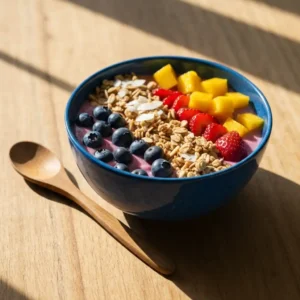
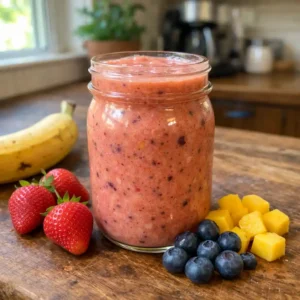
One morning while scrolling through food ideas online, I noticed how often smoothie bowls kept appearing in videos and posts. People were layering frozen fruits, seeds, and colorful toppings in bowls that looked almost like edible art. On TikTok, Reddit, and even casual cooking forums, many home cooks share their own versions—some simple, some beautifully decorated. That curiosity led me to spend time learning how smoothie bowls are made and why so many people enjoy them as a quick breakfast or refreshing snack.
Smoothie bowls are thicker than traditional smoothies and are usually eaten with a spoon rather than drunk through a straw. They typically blend frozen fruits with ingredients like yogurt, milk, or plant-based alternatives to create a creamy base. What makes them special is the topping layer: sliced fruits, granola, seeds, nuts, or coconut flakes that add texture and flavor.
In this guide, we will walk through everything you need to know about smoothie bowls. You will learn what they are, how they differ from regular smoothies, the ingredients that work best, and simple steps to make them at home. The article will also cover topping ideas, helpful preparation tips, and common mistakes to avoid when preparing smoothie bowls.
If you enjoy fruit-based drinks or blended breakfast ideas, you may also like browsing this collection of smoothie recipes for more inspiration.
By the end of this guide, you will understand how smoothie bowls work, what ingredients create the best texture, and how to prepare your own bowl that looks great and tastes refreshing.
Pro Tip: Freeze ripe bananas or berries ahead of time. Using frozen fruit instead of ice helps create the thick, spoonable texture that smoothie bowls are known for.
This recipe guide is shared for informational purposes and general cooking inspiration. It is not intended as medical or dietary advice, and individual nutrition needs may vary.
What Are Smoothie Bowls?
Smoothie bowls are thick fruit blends served in a bowl and eaten with a spoon instead of being sipped through a straw. The base usually combines frozen fruits with yogurt, milk, or plant-based alternatives, creating a creamy mixture that holds toppings well. Because the texture is thicker than a traditional drinkable smoothie, smoothie bowls allow you to layer ingredients on top such as sliced fruit, granola, seeds, or coconut flakes. This combination of a smooth base and textured toppings is what makes smoothie bowls both filling and visually appealing.
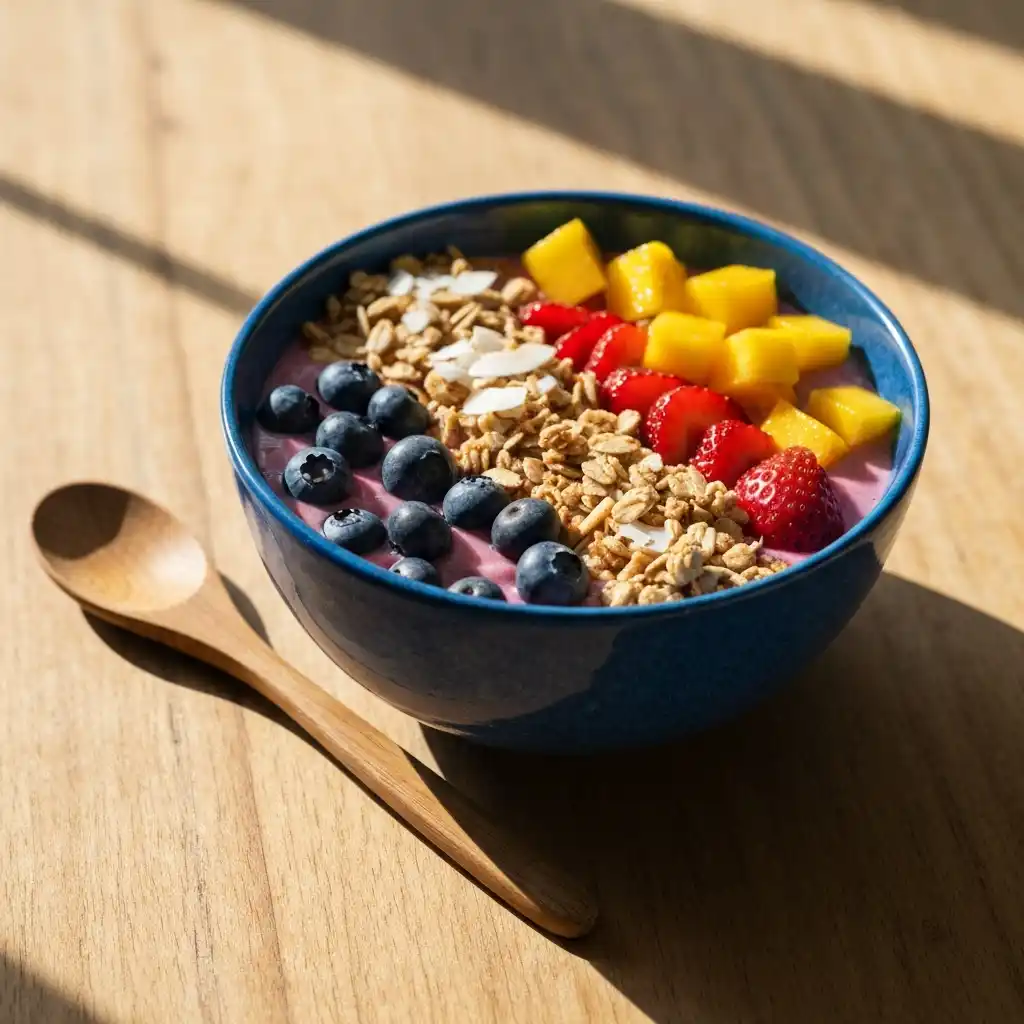
Definition of Smoothie Bowls and How They Differ from Smoothies
The main difference between a smoothie and a smoothie bowl is texture and presentation. A standard smoothie is blended with more liquid so it can be poured into a glass and consumed quickly. Smoothie bowls, on the other hand, use less liquid and more frozen ingredients, giving them a thick consistency that supports toppings.
Many home cooks experiment with different fruit combinations. For example, blends with berries, mango, banana, or papaya create a naturally creamy base. If you enjoy fruit blends, you might also like this refreshing papaya smoothie recipe, which uses similar ingredients that can easily be adapted into a smoothie bowl base.
Why Smoothie Bowls Became Popular on Social Media and Food Blogs
Smoothie bowl became widely known through food blogs and social platforms where people share creative breakfast ideas. Their bright colors and decorative toppings make them ideal for photos and short recipe videos. Many creators also share variations inspired by tropical fruits, seeds, or plant-based ingredients.
Another reason for their popularity is flexibility. A single bowl can be adjusted for many preferences—some people add oats for a more filling breakfast, while others include ingredients like chia seeds. If you are curious about how chia seeds work in blended drinks, you can learn more in this guide on chia seeds in fruit smoothies.
Pro Tip: For the thickest smoothie bowl texture, start blending with very little liquid and add small splashes only when needed. This helps keep the base creamy and prevents toppings from sinking.
Smoothie bowls continue to grow in popularity because they combine convenience with creativity. With just a blender and a few ingredients, anyone can prepare a bowl that is both colorful and satisfying.
Key Ingredients Used in Smoothie Bowls
The beauty of smoothie bowls comes from their simple ingredient list. Most bowls start with a fruit-based blend and are then finished with toppings that add flavor, color, and texture. Because the ingredients are easy to swap, smoothie bowl can be adapted to many tastes and seasonal fruits.
Common Fruits Used in Smoothie Bowls
Frozen fruits are the foundation of most smoothie bowl. They create the thick texture that allows the bowl to hold toppings without becoming watery. Bananas are especially popular because they add natural sweetness and creaminess when blended. Berries like strawberries, blueberries, and raspberries bring bright color and a slightly tangy flavor.
Tropical fruits are also widely used. Mango, pineapple, and papaya help create a smooth and refreshing base that blends easily with yogurt or plant-based milk. For example, fruit blends similar to those used in a tropical smoothie recipe can work perfectly as a base for smoothie bowls when less liquid is added.
Some people also mix ingredients like avocado, spinach, or oats into the blend to adjust texture and taste. These additions help make the bowl more filling while keeping the flavor balanced.
Popular Smoothie Bowl Toppings and Add-Ons
Once the smoothie base is blended, toppings are added to bring texture and variety. Crunchy toppings are often the first choice because they contrast nicely with the creamy base. Granola, nuts, coconut flakes, and seeds are common additions.
Fresh fruit slices are another favorite topping. Bananas, kiwi, berries, and mango pieces create colorful patterns that make the bowl look inviting. Many people also sprinkle seeds like chia or flax on top. If you enjoy fruit-based blends with similar ingredients, you might also enjoy trying this creamy genius coconut smoothie for inspiration.
Pro Tip: Slice fruit toppings before blending the smoothie base. This makes it easier to decorate the bowl quickly while the mixture is still thick and cold.
Because the ingredients are flexible, smoothie bowls can easily change with the seasons. A summer bowl may feature tropical fruits, while a winter version might include berries, yogurt, and warming toppings like nuts or seeds. The key is choosing ingredients that balance sweetness, texture, and freshness.
Basic Equipment Needed to Make Smoothie Bowls
Making smoothie bowl at home does not require complicated kitchen tools. In fact, most smoothie bowls can be prepared with just a blender and a few basic utensils. Because smoothie bowl rely on a thick texture, the equipment you use plays an important role in getting the right consistency.
Blenders and Kitchen Tools for Smoothie Bowls
A strong blender is the most helpful tool for preparing smoothie bowl. Since smoothie bowls often use frozen fruit, the blender needs enough power to break down solid ingredients smoothly. High-speed blenders are commonly used because they create a creamy base without adding too much liquid, which helps smoothie bowls stay thick.

Along with a blender, a few simple kitchen tools can make preparing smoothie bowls easier. A silicone spatula helps scrape the thick mixture from the blender jar, while a sturdy spoon is useful for arranging toppings once the smoothie bowl are poured into serving bowls. Many people also keep a small cutting board nearby for slicing fruit toppings that decorate smoothie bowls.
If you enjoy experimenting with blended breakfast ideas, you might also find inspiration in this creamy oatmeal breakfast smoothie, which uses similar ingredients that can easily be adapted into smoothie bowls.
Tips for Achieving the Perfect Thick Texture
Texture is what separates smoothie bowl from drinkable smoothies. The base of smoothie bowls should be thick enough to support toppings without them sinking into the mixture. One of the easiest ways to achieve this is by using frozen fruit rather than fresh fruit with ice. Frozen ingredients naturally give smoothie bowls a dense and creamy consistency.
Another helpful method is adding liquids slowly. When making smoothie bowls, start blending with only a small amount of milk, yogurt, or plant-based liquid. If the blender struggles, add a small splash at a time. This technique helps smoothie bowls stay spoonable instead of turning into a thin drink.
Pro Tip: Use a tamper or pause the blender occasionally to stir the mixture. Thick smoothie bowls sometimes need a quick stir so the frozen fruit blends evenly without adding extra liquid.
With the right blender and a few simple tools, preparing smoothie bowls becomes quick and convenient. Once you understand how to control the texture, smoothie bowls can easily become a regular part of a creative breakfast routine.
How to Make Smoothie Bowls at Home
Preparing smoothie bowls at home is surprisingly simple once you understand the basic method. Most smoothie bowl follow the same idea: blend frozen fruit with a small amount of liquid to create a thick base, then add toppings that bring flavor and texture. With a few ingredients and a blender, smoothie bowls can be ready in just a few minutes.
Step-by-Step Smoothie Bowl Preparation Guide
Start by gathering frozen fruit, which forms the base of most smoothie bowls. Bananas, berries, mango, and pineapple are popular choices because they blend smoothly and create natural sweetness. Place the frozen fruit into a blender and add a small amount of yogurt, milk, or a plant-based alternative.
Blend the mixture slowly at first. If the blender struggles, add liquid a tablespoon at a time until the mixture becomes creamy but still thick. The goal is to keep smoothie bowls dense enough to hold toppings.
Once blended, pour the thick mixture into a bowl. At this stage, smoothie bowl should resemble soft-serve ice cream rather than a drinkable smoothie. The thick texture helps toppings stay on the surface instead of sinking.
If you enjoy experimenting with fruit blends, you might also like this refreshing tropical smoothie recipe that uses similar ingredients often found in smoothie bowls.
Simple Smoothie Bowl Recipe for Beginners
For beginners, a basic fruit combination works well when making smoothie bowl at home. A simple blend might include frozen banana, frozen berries, and a small splash of milk or yogurt. Blend until thick and smooth.
Pour the mixture into a bowl and begin adding toppings. Popular topping ideas for smoothie bowls include sliced banana, fresh berries, granola, coconut flakes, and seeds. The toppings add crunch and visual appeal, turning smoothie bowls into a balanced and colorful breakfast option.
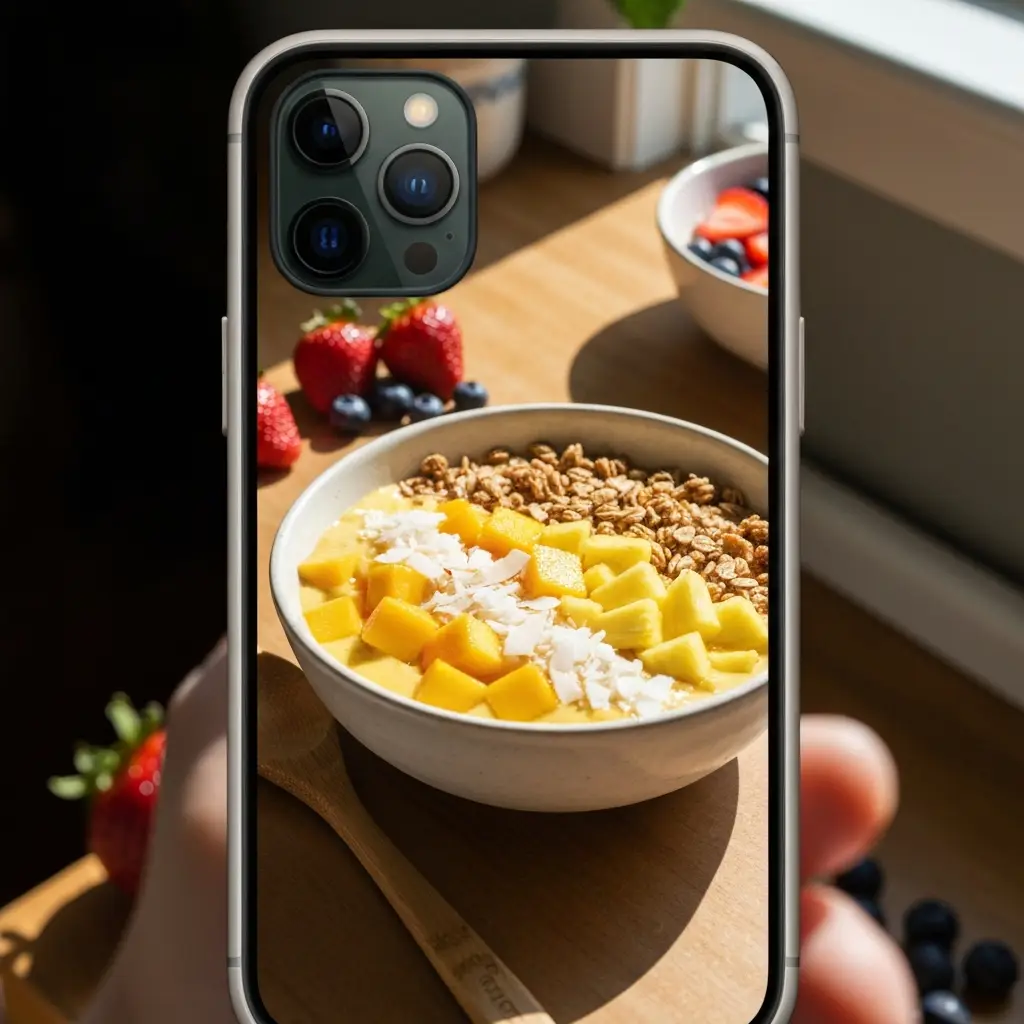
Pro Tip: Chill your serving bowl in the freezer for five minutes before adding the smoothie mixture. This helps smoothie bowls stay thick and cold longer while you arrange toppings.
Once you try the basic method, smoothie bowls become easy to customize with different fruits, toppings, and flavors. Many people enjoy experimenting with seasonal ingredients to create new smoothie bowl combinations throughout the year.
Popular Types of Smoothie Bowls
One reason many people enjoy smoothie bowls is the variety of flavor combinations available. Different fruits, colors, and toppings can completely change the taste and look of a bowl. From bright berry blends to tropical fruit bases, smoothie bowl can easily match different preferences and seasonal ingredients.
Berry Smoothie Bowl
Berry-based bowls are among the most common styles people prepare at home. These smoothie bowls typically include strawberries, blueberries, raspberries, or blackberries blended with frozen banana for creaminess. The natural sweetness of the fruit creates a balanced flavor while the deep color makes the bowl visually appealing.
Many home cooks like berry blends because they are easy to prepare and pair well with toppings like granola, coconut flakes, or sliced fruit. If you enjoy experimenting with fruit combinations, browsing this guide on best smoothie recipe for losing weight may give additional ideas for berry-inspired blends.
Tropical Smoothie Bowl
Tropical blends are another favorite style of smoothie bowls. These bowls often combine mango, pineapple, banana, and coconut milk to create a refreshing base. The smooth texture works well with toppings such as kiwi slices, coconut chips, or passion fruit.
Because tropical fruits are naturally creamy when blended, they create smoothie bowl that are thick and easy to decorate. The bright colors and fresh flavors make tropical smoothie bowls especially popular during warmer seasons.
Green Smoothie Bowl
Green versions of smoothie bowls include leafy greens blended with fruit to balance the flavor. Spinach is often used because it blends smoothly and has a mild taste when combined with fruits like banana or mango.
Many people add ingredients such as avocado or chia seeds to make green smoothie bowls thicker and more filling. The result is a vibrant bowl that combines fruit sweetness with a creamy texture and colorful toppings.
Pro Tip: When making green smoothie bowls, blend leafy greens with the liquid first before adding frozen fruit. This helps create a smoother texture and prevents small leafy pieces from remaining in the mixture.
With so many fruit combinations available, smoothie bowls can be adapted to different tastes and ingredients you already have in the kitchen. Changing the fruit base, toppings, or texture makes each bowl feel unique while still following the same simple preparation method.
Smoothie Bowl Toppings That Add Flavor and Texture
Toppings are what transform smoothie bowl from a simple fruit blend into a satisfying and visually appealing meal. While the base of smoothie bowls provides the creamy texture, toppings add contrast, crunch, and natural sweetness. Choosing the right mix of toppings can make smoothie bowls feel more balanced and enjoyable.
Crunchy Toppings Like Granola and Seeds
Crunchy ingredients are some of the most popular additions to smoothie bowls. Granola is often the first choice because it adds texture and a slightly toasted flavor that pairs well with fruit blends. Nuts such as almonds, walnuts, or pecans also work well in smoothie bowls and bring a satisfying bite.
Seeds are another common topping. Chia seeds, pumpkin seeds, and flaxseeds are often sprinkled over smoothie bowl to add texture and variety. Many people enjoy experimenting with seeds in fruit blends as well. If you want ideas on how seeds work in blended recipes, check out this guide on chia seeds in fruit smoothies.
Fresh Fruits and Natural Sweet Options
Fresh fruit slices are one of the easiest ways to decorate smoothie bowls. Bananas, strawberries, kiwi, blueberries, and mango pieces add color while keeping the flavor light and refreshing. Arranging fruit slices neatly across the surface is a simple trick many home cooks use to make smoothie bowls look appealing.

Natural sweet toppings are also commonly used in smoothie bowls. Coconut flakes, cacao nibs, or a small drizzle of honey can add extra flavor without overpowering the fruit base. Some people even combine smoothie bowl with other healthy breakfast ideas for variety. For example, this collection of high protein breakfast ideas for weight loss includes options that pair nicely with fruit-based bowls.
Pro Tip: Add crunchy toppings right before serving. If toppings sit too long on the surface, they can soften as they absorb moisture from the smoothie base.
When the base and toppings work together, smoothie bowls become more than just blended fruit. The combination of creamy texture and crunchy layers makes each spoonful more interesting while keeping the bowl fresh and colorful.
Smoothie Bowls in Healthy Eating Trends

Over the past few years, smoothie bowls have become a familiar sight across food blogs, social media feeds, and breakfast menus. What started as a simple fruit blend has grown into a creative breakfast trend where people enjoy building colorful bowls packed with fruits, seeds, and crunchy toppings. Smoothie bowls stand out because they combine convenience with creativity, allowing anyone to prepare a fresh bowl at home with just a blender and a few ingredients.
Why Many People Add Smoothie Bowls to Their Morning Routine
Many people enjoy smoothie bowl as part of their morning routine because they are quick to prepare and easy to customize. Instead of cooking a full breakfast, some prefer blending frozen fruits into a thick mixture and topping it with granola, nuts, or sliced fruit. The process takes only a few minutes, which makes smoothie bowl appealing for busy mornings.
Another reason smoothie bowls fit well into modern breakfast habits is flexibility. The base can change depending on what ingredients are available. Some mornings might call for a berry blend, while other days may include tropical fruits or yogurt-based mixtures. If you enjoy exploring different fruit blends, browsing ideas like this refreshing heavy metal detox smoothie recipe can offer inspiration for smoothie combinations that work well as bowl bases.
Online Food Trends and Smoothie Bowl Inspiration
Social platforms have played a big role in the growing interest around smoothie bowl. Many short recipe videos show creators layering fruit slices, seeds, and granola in neat rows across thick fruit bases. These colorful presentations often inspire viewers to try making smoothie bowls at home.
On discussion platforms like Reddit and Quora, people frequently exchange ideas for toppings and fruit combinations that improve flavor or texture. Some prefer classic fruit blends, while others experiment with yogurt, oats, or coconut milk to create richer bases.
Pro Tip: If you want smoothie bowls that look visually appealing, choose toppings with contrasting colors. Bright berries, green kiwi slices, and golden granola create natural patterns that make the bowl stand out.
As more people experiment with blended breakfasts, smoothie bowls continue to appear in kitchens around the world. Their flexibility, bright presentation, and quick preparation make them an easy option for anyone who enjoys fruit-based breakfast ideas.
Common Mistakes to Avoid When Making Smoothie Bowls
While smoothie bowls are simple to prepare, a few small mistakes can change the texture or flavor of the final bowl. Many beginners expect smoothie bowl to work exactly like regular smoothies, but the thicker consistency requires slightly different blending habits. Knowing these common issues can help keep smoothie bowls creamy, balanced, and easy to decorate with toppings.
Using Too Much Liquid
One of the most common mistakes when preparing smoothie bowls is adding too much liquid during blending. Unlike drinkable smoothies, smoothie bowl require a thick base so that toppings remain on the surface. If too much milk, juice, or yogurt is added at the start, the mixture becomes too thin and begins to resemble a regular smoothie.
A helpful approach is to start with frozen fruit and only a small splash of liquid. Blend slowly and add liquid gradually until the blender begins to move smoothly. This method helps smoothie bowls stay dense and spoonable. If you enjoy experimenting with blended fruit drinks, browsing ideas like this collection of smoothie recipes can give inspiration for fruit combinations that also work well in smoothie bowls.
Choosing Toppings That Sink Into the Bowl
Another issue people notice when preparing smoothie bowls is toppings sinking into the mixture. This usually happens when the base is too thin or when toppings are too heavy. Smoothie bowls work best when the base has a thick, creamy texture similar to soft frozen yogurt.
Light toppings such as sliced fruit, coconut flakes, granola, or seeds tend to sit nicely on top of smoothie bowls. Some people also enjoy adding oats or yogurt-based toppings for extra texture. If you enjoy breakfast blends with similar ingredients, you might also enjoy ideas like this creamy oatmeal breakfast smoothie, which uses ingredients often found in smoothie bowls.
Pro Tip: If your smoothie base becomes too thin, add a few extra frozen fruit pieces and blend again. This quick adjustment can restore the thick texture smoothie bowl need to hold toppings properly.
Avoiding these simple mistakes makes it much easier to prepare smoothie bowl that look appealing and maintain the right consistency from the first spoonful to the last.
Frequently Asked Questions About Smoothie Bowls
What Is the Difference Between a Smoothie and a Smoothie Bowl?
The main difference lies in texture and how the mixture is served. Traditional smoothies are blended with more liquid so they can be poured into a glass and sipped through a straw. Smoothie bowls, however, use less liquid and more frozen fruit to create a thicker consistency. This thicker base allows smoothie bowls to hold toppings like fruit slices, seeds, or granola.
Are Smoothie Bowls Good for Breakfast?
Many people enjoy smoothie bowl as a breakfast option because they can be prepared quickly and customized easily. A bowl can include fruit, yogurt, nuts, seeds, and oats, which makes it simple to adjust depending on taste and available ingredients. Smoothie bowl also work well alongside other breakfast ideas. For example, readers who enjoy fruit-based breakfasts may also like these ideas from high protein breakfast ideas for weight loss.
What Fruits Work Best in Smoothie Bowls?
Frozen fruits usually work best when preparing smoothie bowls because they create a thick and creamy base. Bananas, berries, mango, and pineapple are popular choices since they blend smoothly and provide natural sweetness. Tropical fruit combinations are also common. If you enjoy tropical flavors, you may find inspiration in this refreshing tropical smoothie recipe.
How Do You Make Smoothie Bowls Thicker?
The easiest way to thicken smoothie bowls is by using frozen fruit and limiting liquid during blending. Start with small amounts of milk, yogurt, or plant-based alternatives, then increase slowly if needed. Adding ingredients like frozen banana or avocado can also make smoothie bowl creamier while keeping the mixture thick enough for toppings.Smoothie bowl become easier to prepare once you understand how the ingredients interact during blending. With a few simple adjustments, anyone can create smoothie bowls that are thick, colorful, and satisfying.This recipe guide is shared for informational purposes and general cooking inspiration. It is not intended as medical or dietary advice, and individual nutrition needs may vary.
Conclusion: Making Smoothie Bowls Part of Your Everyday Kitchen Routine
Smoothie bowls have become a favorite option for people who enjoy colorful, fruit-based breakfasts that are quick to prepare. With a simple blend of frozen fruit, yogurt or milk, and a handful of toppings, smoothie bowls can easily turn everyday ingredients into a refreshing meal. The flexibility of smoothie bowls allows you to change flavors, textures, and toppings depending on what fruits are available or what you feel like eating that day.
Throughout this guide, we explored what smoothie bowls are, the ingredients commonly used, and the simple equipment needed to prepare them. We also discussed how to blend a thick base, choose toppings that add texture, and avoid common mistakes that can affect the final bowl. Once you understand these basics, making smoothie bowls becomes a fun and creative kitchen habit.

Many home cooks enjoy experimenting with new fruit combinations or topping styles after learning the fundamentals. If you are looking for more ideas for blended breakfasts, you can discover great idea like the refreshing tropical smoothie recipe which uses fruits that work well as smoothie bowl bases.
Smoothie bowls are also a great way to explore other healthy drink and fruit-based recipes. Looking for inspiration? Try this helpful guide to weight loss smoothie ideas where you can find additional fruit blends that may work well in bowls or smoothies.
For more recipe inspiration and creative kitchen ideas, you can also follow our community and updates on Facebook and explore visual recipe ideas on Pinterest.
In the end, smoothie bowls are not about perfection but about creativity. A handful of frozen fruit, a blender, and a few toppings can easily turn into a bowl that looks vibrant and tastes refreshing. Once you start making smoothie bowls regularly, you will likely find new combinations and personal favorites that make breakfast something to look forward to.
This recipe guide is shared for informational purposes and general cooking inspiration. It is not intended as medical or dietary advice, and individual nutrition needs may vary.