I first became curious about a stress reliever drink after noticing how many people on TikTok and Reddit were swapping their afternoon coffee for calming herbal blends. Some were sipping chamomile at night, others mixing magnesium powder into warm water, and a few were sharing family tea traditions passed down for generations. It made me wonder: can a simple homemade drink really become part of a calmer daily routine?
In this article, we’ll talk about what a stress reliever drink is, who it may be helpful for, and how you can prepare simple, natural options at home. If you’re someone who feels mentally overloaded, struggles to wind down at night, or just wants a caffeine-free evening ritual, this guide is for you. You’ll learn about traditional calming ingredients like chamomile, lemon balm, and magnesium, how they’re commonly used, and how to build a relaxing routine around them.
A stress reliever drink is usually a caffeine-free beverage made with herbs, minerals, or natural ingredients that are traditionally associated with relaxation. From my experience in the kitchen, these drinks aren’t about dramatic promises. Instead, they’re about small, steady habits that may support a calmer mindset. Many people prefer herbal teas because they’re simple, affordable, and easy to prepare. If you’re curious about different herbal options, you can learn more about herbal tea benefits and how they fit into a wellness routine.
Throughout this guide, we’ll cover:
- Popular calming drink ingredients and how they’re traditionally used
- Easy homemade stress reliever drink recipes
- When to drink them for the best experience
- Safety tips and who should be cautious
- How to personalize your own relaxation drink
This recipe and information are shared for informational purposes only and are not a substitute for medical advice. Results may vary, and if you have a medical condition or take medication, it’s always wise to speak with a healthcare professional before trying new herbal ingredients.
Let’s start by understanding what a stress reliever drink actually is and how it may fit into your daily life.
What Is a Stress Reliever Drink?
A stress reliever drink is typically a caffeine-free beverage made with herbs, minerals, or whole-food ingredients that are traditionally associated with relaxation and nervous system support. Instead of reaching for another cup of coffee or a sugary soda, many people now prefer calming herbal tea, warm magnesium blends, or light botanical infusions as part of their daily routine. The goal isn’t instant transformation. Rather, it’s about creating a steady ritual that may support a calmer state of mind over time.
Understanding Stress and How It Affects the Body
Stress is a natural response. When life feels busy or overwhelming, the body releases hormones that prepare you to react. While short-term stress can be helpful, ongoing tension may leave you feeling restless, wired, or mentally drained. That’s where simple habits—like sipping a warm stress reliever drink in the evening—can become grounding.
Many traditional cultures have long used herbal beverages to wind down at night. Chamomile, lemon balm, ginger, and even green tea (in lighter amounts) are commonly discussed in wellness spaces. If you’re curious about how to prepare tea properly for maximum flavor and comfort, you can check out how to brew green tea for simple step-by-step guidance.
Pro Tip: Start with one calming drink at the same time each day—like 30 minutes before bed. Consistency matters more than complexity.
How a Stress Reliever Drink May Support Relaxation
A natural stress relief drink often contains ingredients that have been traditionally used to promote calm. For example:
- Chamomile is widely known as a gentle evening tea.
- Lemon balm is often associated with relaxation rituals.
- Magnesium drinks are popular for nighttime routines.
- Ginger and honey blends may feel soothing when served warm.
If you enjoy comforting tea blends, you might like this classic ginger lemon honey tea, which many people use as part of a calming evening ritual.
It’s important to remember that results vary. A stress reliever drink may help you feel more relaxed simply because it encourages you to slow down, breathe, and create a pause in your day.
Why Natural Calming Drinks Are Popular in the USA
Recently, social platforms like TikTok and Quora have been filled with conversations about homemade relaxation drinks. People are looking for simple, practical solutions that fit into everyday life. Unlike high-caffeine beverages, herbal tea for stress is usually caffeine-free and gentle.
There’s also a growing interest in mineral-based drinks that support hydration. Some people enjoy recipes like a light electrolyte blend as part of their wellness routine. If that interests you, you can discover ideas in this homemade electrolyte drink guide and see how hydration connects with overall balance.
At the end of the day, a stress reliever drink isn’t about dramatic claims. It’s about small daily habits—warm mugs, quiet moments, and ingredients that have been traditionally used for comfort and calm.
Why People Are Turning to Natural Stress Relief Drinks
More people are choosing a stress reliever drink over high-caffeine beverages, and honestly, it makes sense. When your day already feels packed, adding more stimulation doesn’t always help. Instead, many are reaching for calming herbal tea, magnesium blends, and simple homemade relaxation drinks that feel grounding rather than energizing.
TikTok and Reddit Trends Around Calming Beverages
If you scroll through TikTok or browse Reddit wellness threads, you’ll notice a pattern: evening wind-down drinks are trending. From lemon balm tea routines to warm mineral drinks before bed, people are sharing what helps them slow down. Some even pair their stress reliever drink with journaling or breathwork.
One trend that keeps coming up is lemon-based tea for comfort and relaxation. If you enjoy citrus notes, you might like this soothing lemon zinger tea benefits guide to understand why it’s become so popular in evening routines.
Pro Tip: When trying a new calming drink, test it on a low-stress evening first. That way, you can notice how your body responds without outside pressure.
Herbal Tea for Stress vs. Sugary Drinks
Sugary sodas and energy drinks may give quick bursts of energy, but they often leave people feeling jittery later. A natural stress relief drink, on the other hand, is usually caffeine-free and made with ingredients traditionally associated with relaxation. Chamomile, lemon balm, ginger, and even light fermented beverages are part of many home routines.
Some people also experiment with fermented tea options like kombucha as part of gut-supportive wellness habits. If you’re curious about traditional fermentation methods, you can read about fermented tea here and see how it fits into broader beverage choices.
When to Choose a Homemade Stress Reliever Drink
A homemade stress reliever drink works best when you want simplicity. You control the ingredients. You control the sweetness. And most importantly, you control the timing. Many people prefer drinking it:
- In the evening before bed
- After a long workday
- During quiet weekend mornings
If you enjoy mineral-based drinks that are often discussed in wellness circles, you may also want to check out this adrenal cocktail recipe for another calming beverage idea.
Choosing a stress reliever drink isn’t about replacing everything you enjoy. It’s about adding one steady, comforting ritual that may support relaxation over time.
Ingredients Commonly Used in a Stress Reliever Drink
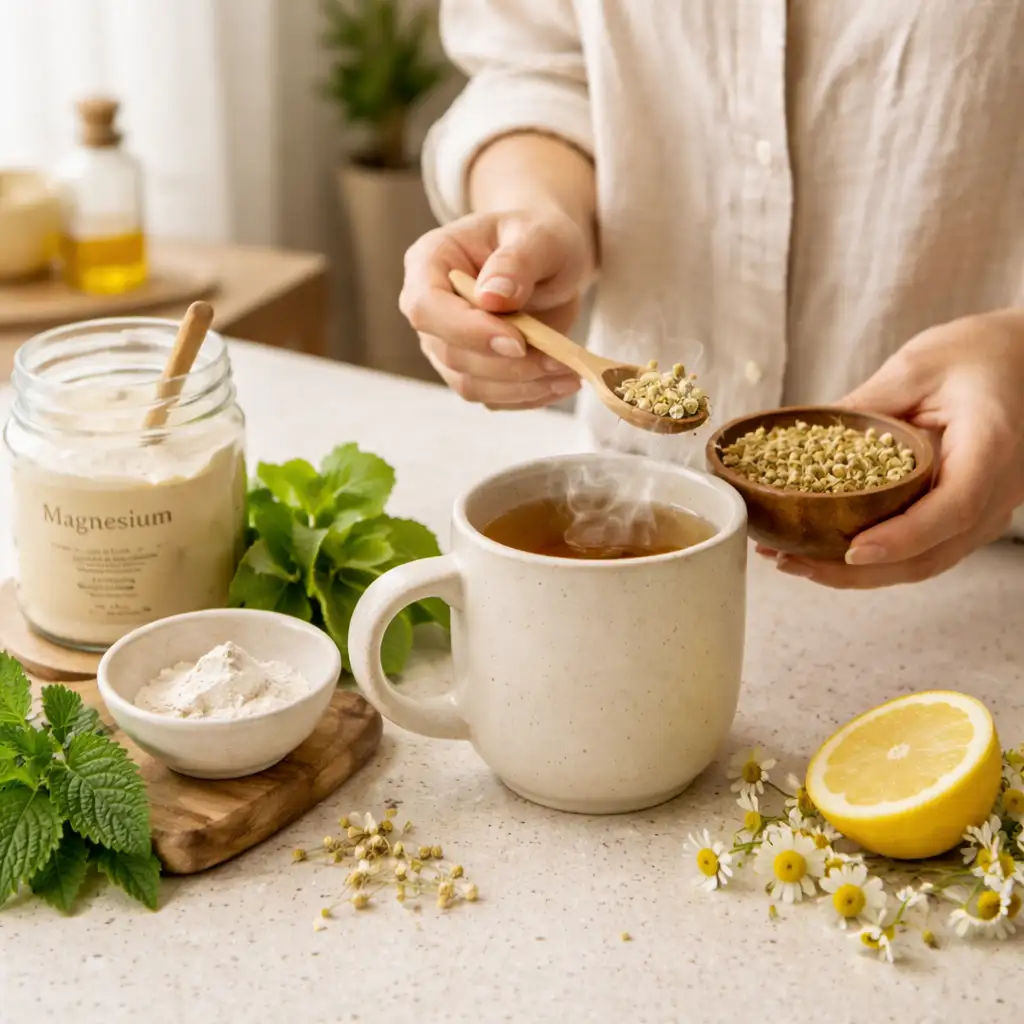
When building a stress reliever drink, the ingredients matter just as much as the ritual itself. Most recipes focus on herbs and minerals that have been traditionally associated with relaxation and nervous system balance. The beauty of a homemade stress reliever drink is that you can keep it simple while still making it feel comforting.
Chamomile and Lavender – Traditional Herbal Calm
Chamomile is one of the most common ingredients in a stress reliever drink, especially in the evening. It has been traditionally used in many cultures as a calming herbal tea. Lavender, when used lightly, adds a gentle floral note that many people associate with winding down.
If you’re interested in trying lemon balm alongside chamomile, you might like this guide on how to make lemon balm tea for weight loss. While it’s often discussed in wellness spaces for different reasons, lemon balm tea is also commonly enjoyed as part of a relaxing routine.
Pro Tip: Steep herbal tea for at least 7–10 minutes and cover the cup while it brews. This helps preserve the aroma and makes your stress reliever drink more soothing.
Ashwagandha and Adaptogenic Herbs
Adaptogens are another category often included in a stress reliever drink. Ashwagandha, for example, is traditionally used in Ayurvedic practices and is frequently discussed in wellness communities. Some people mix small amounts into warm milk or plant-based alternatives for an evening relaxation drink.
Because adaptogenic herbs can interact with certain conditions or medications, it’s important to speak with a healthcare professional before adding them regularly. A stress reliever drink should feel supportive, not complicated.
Magnesium Drink Blends
Magnesium is widely talked about in relation to muscle relaxation and nighttime routines. A powdered magnesium blend mixed into warm water has become a popular stress reliever drink option on social media. Many people say they enjoy it before bed as part of their wind-down ritual.
Magnesium drinks are often compared with hydration blends. If you’re curious about mineral-based beverages, you can also explore ideas in this homemade electrolyte drink guide, which shows how minerals fit into daily hydration habits.
Lemon Balm and Mint Infusions
Lemon balm and mint are gentle, refreshing additions to a stress reliever drink. Lemon balm is commonly linked to calming traditions, while mint adds brightness without caffeine. Together, they create a light herbal infusion that works well in the afternoon or early evening.
Many people prefer combining lemon balm with citrus flavors. If you enjoy light herbal teas with a citrus touch, you may also want to learn about lemon zinger tea benefits and see how it compares to other calming blends.
A well-made stress reliever drink doesn’t need dozens of ingredients. Often, one or two thoughtfully chosen herbs are enough to create a comforting and consistent routine.
Easy Homemade Stress Reliever Drink Recipes
Now that we’ve covered ingredients, let’s turn that knowledge into something practical. A stress reliever drink doesn’t need to be complicated or expensive. In fact, the simplest blends often feel the most comforting. Below are three easy options you can prepare at home using everyday ingredients.
Warm Herbal Tea for Stress (Evening Option)
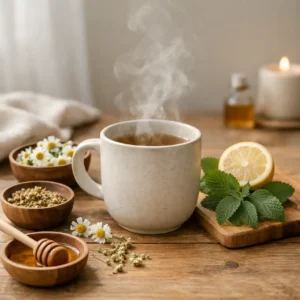
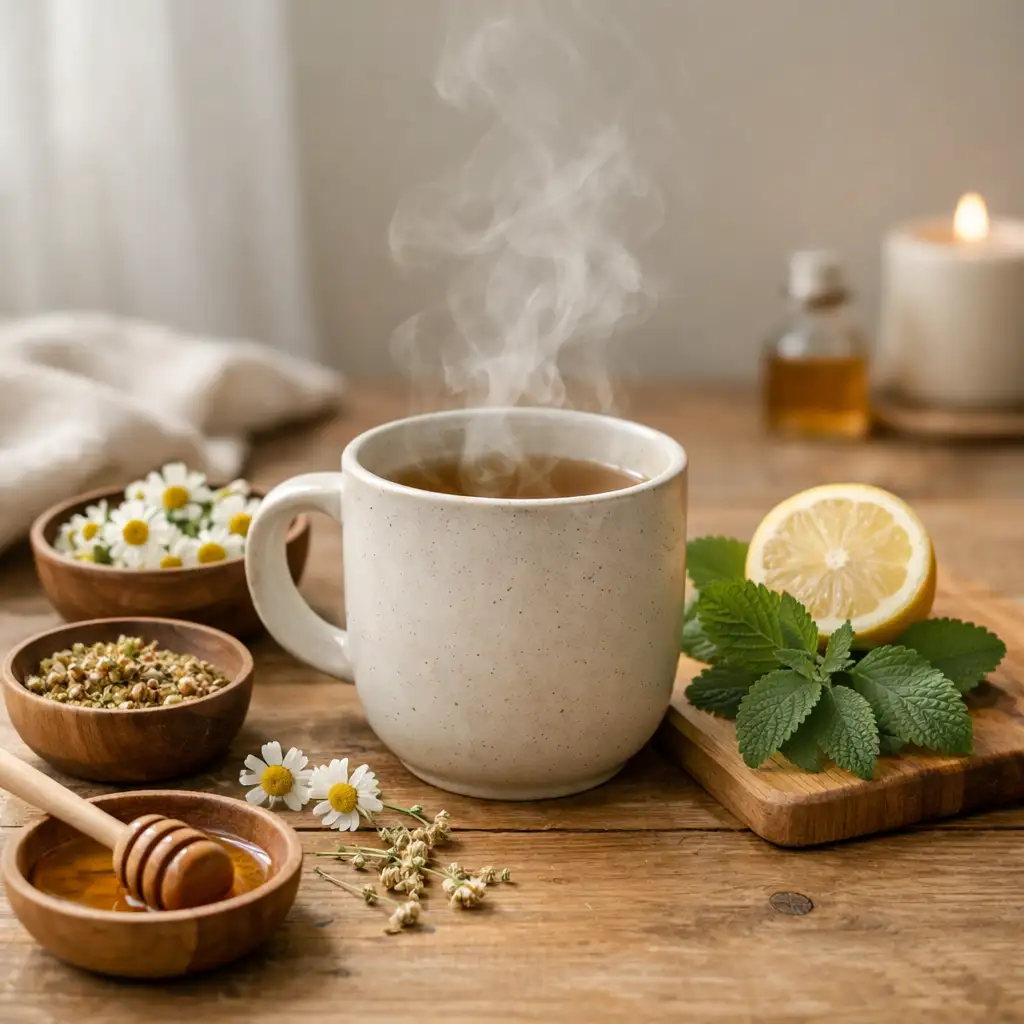
This classic stress reliever drink works well before bed. It’s gentle, caffeine-free, and easy to prepare.
Ingredients:
- 1 tablespoon dried chamomile (or 1 tea bag)
- 1 teaspoon dried lemon balm (optional)
- 1 cup hot water
- 1 teaspoon honey (optional)
Instructions:
- Bring water to a gentle boil, then let it sit for 30 seconds.
- Pour over herbs and cover the cup.
- Steep for 7–10 minutes.
- Strain and add honey if desired.
If you enjoy citrus notes in your tea, you may also like this comforting ginger lemon honey tea as another calming option for the evening.
Pro Tip: Cover your mug while steeping. Trapping the steam helps preserve the natural aroma, which makes your stress reliever drink feel more relaxing.
Iced Relaxation Drink for Busy Afternoons
Not every stress reliever drink has to be warm. On busy days, a light herbal infusion served over ice can feel refreshing without the caffeine crash.
Ingredients:
- 1 tablespoon dried mint
- 1 teaspoon lemon balm
- 2 cups hot water
- Ice cubes
- Fresh lemon slice
Brew the herbs in hot water for 10 minutes, strain, and cool. Pour over ice and add a lemon slice. This makes a simple herbal drink for anxiety support during mid-day stress.
If you’re curious about other calming citrus beverages, you can learn how to brew green tea properly and adjust the strength to keep caffeine minimal.
Bedtime Magnesium Drink
Magnesium blends have become a popular stress reliever drink option online. Many people mix magnesium powder into warm water or almond milk as part of their nighttime routine.
Simple Version:
- 1 cup warm water or almond milk
- Magnesium powder (follow package directions)
- Optional: small drizzle of honey or pinch of cinnamon
Stir well and sip slowly 30 minutes before bed. Some people also pair this type of drink with mineral-based hydration recipes. If that interests you, you can check out this adrenal cocktail recipe for another mineral-focused beverage idea.
This recipe is shared for informational purposes only and is not a substitute for medical advice. If you’re unsure about magnesium or herbal ingredients, consult a healthcare professional before adding them regularly.
A stress reliever drink doesn’t need fancy ingredients. What matters most is creating a calm, consistent ritual that fits your lifestyle.
How a Stress Reliever Drink Fits Into a Wellness Routine
Adding a stress reliever drink to your day works best when it becomes part of a steady routine rather than a one-time fix. Think of it as a small anchor in your schedule. Whether you prefer a calming herbal tea, a magnesium blend, or a light botanical infusion, consistency helps turn a simple beverage into a meaningful pause.
Pairing Calming Drinks with Breathwork
Many people find that sipping a warm cup slowly while practicing deep breathing makes the experience more grounding. A relaxation drink alone may feel comforting, but when paired with slow inhales and longer exhales, it becomes a mindful moment. You don’t need anything complicated—just sit quietly, hold your cup, and breathe for five minutes.
If you enjoy learning about different tea traditions, you might also like this guide on how to brew green tea, which explains simple preparation steps that make your evening beverage feel intentional.
Pro Tip: Try the “4-6 breathing method” while drinking your calming beverage—inhale for four seconds, exhale for six. Repeat for five rounds.
Nighttime Rituals That Support Rest
For many people, the best time for a stress reliever drink is 30–60 minutes before bed. A warm herbal blend signals to your body that it’s time to slow down. Turning off bright screens, dimming lights, and keeping your cup warm in your hands can gently shift your mood.
Some prefer classic chamomile, while others rotate between lemon balm and light citrus infusions. If you enjoy lemon-based drinks in the evening, you can read about lemon zinger tea benefits to compare flavors and options.
Hydration and Nervous System Support
Hydration also plays a role in overall balance. While a stress relief beverage is not a cure for tension, staying properly hydrated may support how you feel throughout the day. Some people alternate between herbal tea and mineral-based drinks as part of their wellness habits.
If mineral blends interest you, you may want to explore this homemade electrolyte drink guide for ideas that complement your calming routine.
The key is simplicity. A stress reliever drink works best when it feels natural, easy, and repeatable. Small, steady habits often make the biggest difference over time.
Best Times to Drink a Stress Reliever Drink
Timing can make a real difference when it comes to enjoying a stress reliever drink. While there’s no single perfect hour for everyone, choosing the right moment helps turn a simple beverage into a steady wellness habit. Instead of drinking it randomly, think about when your body and mind need calm the most.
Morning vs. Evening
Some people prefer starting their day with a light herbal infusion instead of strong coffee. A mild calming tea in the morning may feel grounding, especially on busy days. However, most people enjoy a stress reliever drink in the evening when the goal is to unwind rather than energize.
If you still enjoy tea earlier in the day but want to manage caffeine intake, you might find this guide on how to brew green tea helpful for adjusting strength and steeping time.
Before Bed for Better Wind-Down
The most common time for a stress reliever drink is about 30 to 60 minutes before sleep. A warm cup of chamomile, lemon balm, or a gentle magnesium blend can signal that it’s time to slow down. Pairing your drink with dim lights and quiet time helps reinforce the routine.
If you enjoy citrus-based evening teas, you can also learn about lemon zinger tea benefits to compare flavor options for nighttime use.
Pro Tip: Set a daily “wind-down alarm” on your phone. When it rings, prepare your calming drink and step away from screens for at least 20 minutes.
During High-Stress Moments
A stress reliever drink can also be helpful during particularly tense moments. While it won’t remove stress instantly, the act of boiling water, steeping herbs, and sipping slowly creates a pause. That pause alone can feel grounding.
Some people alternate between herbal teas and mineral-based hydration blends depending on the day. If you’re curious about mineral drink ideas, you can check out this adrenal cocktail recipe as another option to rotate into your routine.
The key is consistency. Whether you choose morning calm or evening relaxation, a stress reliever drink works best when it becomes a predictable part of your day.
Safety, Considerations, and Who Should Be Careful
I’ve noticed that whenever a stress reliever drink starts trending online, the conversation quickly shifts from cozy routines to bold claims. That’s where it’s important to slow down. A calming beverage can be a supportive habit, but it’s still something you’re putting into your body. Thoughtfulness matters.
Herbal Interactions to Be Aware Of
Many ingredients used in a stress reliever drink—like chamomile, lemon balm, or ashwagandha—have long traditional histories. Still, herbs are active plants. If you take medications, especially for mood, blood pressure, or sleep, it’s wise to speak with a healthcare professional before making herbal blends part of your daily routine.
For example, green tea contains caffeine, even if it’s lighter than coffee. If you’re sensitive to caffeine but still enjoy tea rituals, you might want to learn how to brew green tea properly to reduce strength and control intake.
A stress reliever drink should feel gentle, not overwhelming. If you notice discomfort, it’s best to pause and reassess.
Pregnancy and Special Health Conditions
If you’re pregnant, nursing, or managing a health condition, extra caution is important. Certain adaptogenic herbs often discussed in wellness circles may not be appropriate for everyone. While many people share their experiences online, personal stories don’t replace professional guidance.
Even mineral-based beverages deserve attention. Some magnesium blends are marketed widely, but dosage matters. If you’re curious about mineral drinks, comparing recipes like this homemade electrolyte drink guide can help you understand ingredient basics before trying anything new.
Why Results May Vary
One person’s favorite stress reliever drink may not feel the same for someone else. Bodies respond differently. Lifestyle, sleep habits, diet, and overall stress levels all play a role. Sometimes the benefit comes not just from the herbs, but from the pause itself—the warmth of the cup, the slower breathing, the break from screens.
On social platforms, you’ll see strong opinions. Some people swear by magnesium drinks before bed, while others prefer simple chamomile. From my experience in the kitchen, the best approach is simple: start small, observe how you feel, and adjust gradually.
This recipe and information are shared for informational purposes only and are not a substitute for medical advice. A stress reliever drink can be a comforting ritual, but your health decisions should always be made with care and proper guidance.
Comparing Popular Types of Stress Reliever Drinks
Not every stress reliever drink looks the same. Some are warm and herbal, others are mineral-based, and a few fall somewhere in between. Choosing the right one often depends on your taste preferences, lifestyle, and how you want to feel in that moment.
Herbal Tea vs. Adaptogenic Drinks
Herbal teas are the most traditional form of a stress reliever drink. Chamomile, lemon balm, mint, and lavender are widely used in evening routines because they’re naturally caffeine-free and simple to prepare. You steep, you sip, you slow down. That simplicity is part of their appeal.
Adaptogenic drinks, on the other hand, usually include herbs like ashwagandha blended into warm milk or plant-based alternatives. They’re often discussed in wellness spaces as part of stress-support routines. While some people enjoy these blends, they require a bit more attention to dosage and suitability.
If you enjoy classic tea rituals, you may want to learn about herbal tea benefits to understand how different herbs are traditionally used.
Store-Bought vs. Homemade Calming Drinks
There’s also a difference between buying a ready-made relaxation beverage and preparing a stress reliever drink at home. Store-bought options can be convenient, but homemade versions give you full control over sweetness, strength, and ingredients.
For example, many bottled drinks contain added sugars or flavorings. When you prepare your own calming beverage, you can keep it simple and clean. If hydration is part of your wellness focus, you might also find inspiration in this homemade electrolyte drink guide for balanced mineral blends.
Pro Tip: When trying store-bought calming drinks, always read the ingredient list carefully. Shorter lists with recognizable ingredients are usually easier to evaluate.
Powdered Magnesium vs. Natural Food Sources
Magnesium powders have become a popular stress reliever drink option, especially for nighttime use. They dissolve quickly and are easy to prepare. However, some people prefer getting minerals from whole foods and balanced meals instead of supplements.
There isn’t a single right answer. A stress reliever drink can be as simple as chamomile tea or as structured as a magnesium blend. What matters most is choosing an option that fits comfortably into your daily routine without adding stress to your routine.
By comparing these types thoughtfully, you can decide which calming drink feels practical, sustainable, and enjoyable for you.
How to Make Your Own Personalized Stress Reliever Drink
Creating your own stress reliever drink at home can feel surprisingly empowering. Instead of copying every trend you see online, you get to choose flavors, ingredients, and timing that actually suit your lifestyle. A personalized approach makes your calming beverage more sustainable and enjoyable long term.
Choosing the Right Base
The foundation of a stress reliever drink usually starts with a liquid base. Most people use hot water for herbal teas, but warm almond milk or coconut water can also work depending on the ingredients.
If you prefer traditional tea-style preparation, starting with properly brewed tea makes a difference. You can review this guide on how to brew green tea to understand steeping control and flavor balance. Even if you’re choosing chamomile or lemon balm instead, the brewing principles still apply.
For mineral-style beverages, water is typically the simplest base. Keeping the base neutral allows the calming ingredients to shine without overwhelming the palate.
Flavor Combinations That Work Well
A stress reliever drink doesn’t have to taste bland. In fact, subtle flavor layering can make it more enjoyable and easier to stick with.
Some balanced combinations include:
- Chamomile + lemon balm + a drizzle of honey
- Mint + lemon slice + warm water
- Magnesium powder + almond milk + pinch of cinnamon
If you enjoy citrus-forward blends, you might also find inspiration in this comforting ginger lemon honey tea, which can be adapted into a more relaxation-focused evening version.
The key is restraint. Too many ingredients can turn a simple calming drink into a complicated recipe.
Pro Tip: Start with just two main ingredients and adjust slowly. Simplicity makes your stress reliever drink easier to repeat daily.
Simple Weekly Prep Guide
Planning ahead can make your stress reliever drink routine effortless. You can pre-mix dried herbs in a small jar for the week or portion out single-serving blends. That way, when the evening arrives, you don’t have to think—you just steep and sip.
Some people even create a “wind-down shelf” in their kitchen with tea jars, a kettle, and their favorite mug all in one place. That small setup removes friction and makes the habit more automatic.
Ultimately, your stress reliever drink should feel calming before you even take the first sip. When preparation becomes part of the ritual, the experience feels smoother and more intentional.
This recipe and guidance are shared for informational purposes only and are not a substitute for medical advice. If you have specific health concerns, consult a qualified healthcare professional before introducing new herbs or supplements.
Frequently Asked Questions About Stress Reliever Drinks
When people start adding a stress reliever drink to their routine, a few common questions usually come up. Below are clear, simple answers to help you decide what feels right for you.
What is the best stress reliever drink?
The best stress reliever drink depends on your preferences and sensitivity. Many people choose chamomile or lemon balm tea in the evening because they’re naturally caffeine-free and traditionally associated with relaxation. Others prefer a warm magnesium blend before bed. If you’re exploring herbal options, you can learn more about herbal tea benefits to compare different varieties.There isn’t one universal answer. The most effective calming beverage is usually the one you can prepare consistently and enjoy regularly.
Do stress relief drinks really work?
A stress reliever drink may help create a calming ritual, especially when paired with quiet time and reduced screen exposure. While herbs like chamomile and lemon balm have traditional uses linked to relaxation, individual results vary. Often, the routine itself—boiling water, steeping herbs, sipping slowly—plays a meaningful role.Some people also experiment with light citrus-based teas in the evening. If that interests you, you can explore this comforting ginger lemon honey tea as a starting point.
Can I drink a stress reliever drink every day?
In many cases, mild herbal teas are commonly consumed daily. However, adaptogenic herbs or magnesium supplements may require more attention to dosage. If you’re considering mineral blends, reviewing simple hydration-based recipes like this homemade electrolyte drink guide can help you understand ingredient basics first.If you have a medical condition, are pregnant, or take medication, consult a healthcare professional before making any stress reliever drink part of your daily routine.
What ingredients help reduce stress naturally?
Common ingredients found in a stress reliever drink include:ChamomileLemon balmMintLavenderMagnesiumGinger
These ingredients are traditionally used in calming beverages, though outcomes differ from person to person. Choosing simple combinations and observing how you feel is usually the most practical approach.
This information is shared for educational purposes only and is not a substitute for medical advice.
Conclusion: Building a Simple Stress Reliever Drink Habit That Lasts
At the end of the day, a stress reliever drink is less about trends and more about consistency. You don’t need a long ingredient list or a complicated system. What matters most is choosing a calming beverage that fits naturally into your daily rhythm.
Some people prefer a warm herbal tea in the evening. Others rotate between mineral blends and light botanical infusions depending on the season. The beauty of a stress reliever drink is that it can evolve with you. As your schedule changes, your routine can adjust without becoming overwhelming.
If you’re just starting out, begin with one simple recipe and repeat it for a week. Pay attention to how you feel. Small observations often guide better decisions than chasing every new idea online. You can also explore different herbal options by reviewing herbal tea benefits and experimenting gradually.
If you’d like more drink inspiration and wellness-friendly recipes, you’re always welcome to connect with us on Facebook or browse fresh ideas on Pinterest. Many readers share how they’ve adapted their stress reliever drink routine in creative, simple ways.
This article is shared for informational purposes only and is not a substitute for medical advice. A stress reliever drink can be a supportive ritual, but your health decisions should always be made thoughtfully and with professional guidance when needed.
If you’d like, I can now generate the full professional Rank Math SEO summary elements (Focus Keyword placement check, SEO Title, Meta Description, URL, and optimization notes).