I first noticed the water fasting challenge trending while browsing food discussions and health questions online. On TikTok, Reddit, and Quora, people were sharing their experiences with short water fasts—some trying a 24-hour reset, others attempting a 3-day fasting challenge. Many asked the same questions: What actually happens during a water fast? Is it safe? And what results can someone realistically expect?
These conversations show just how curious people are about fasting. While some see it as a wellness experiment or a simple lifestyle reset, others approach it hoping for quick weight-loss results. With so many opinions and viral trends floating around, it can be difficult to separate helpful information from myths.
This guide explains the water fasting challenge in a clear and balanced way. You’ll learn what water fasting actually means, how different fasting durations work, and what changes may occur in the body during the process. We’ll also discuss potential risks, safety considerations, and common questions people ask before trying a fast.
If you’re exploring fasting for curiosity, weight-management strategies, or general wellness awareness, this article will help you understand the topic in a practical and responsible way.
Along the way, we’ll also connect this challenge to other hydration and nutrition habits people explore today. For example, many readers researching fasting also look into simple hydration habits like does drinking water help lose weight to better understand how water intake affects the body.
By the end of this article, you will understand:
- What the water fasting challenge actually involves
- What happens in your body during short fasts
- The difference between water fasting and liquid diets
- Possible benefits and risks discussed in current wellness communities
- Answers to common questions like “What do 3 days of water fasting do?”
This information is educational and intended to help readers make thoughtful decisions. If you have health concerns or take medications, it’s always wise to consult a qualified professional before trying any fasting routine.
Let’s start by exploring what a water fasting challenge really is and why it has become so popular in online wellness discussions.
What Is a Water Fasting Challenge?
The water fasting challenge is a type of fasting routine where a person consumes only water for a set period of time. No solid foods, juices, or calorie-containing drinks are included during the fast. Most challenges last anywhere from 24 hours to several days, with the 3-day water fast being one of the most commonly discussed versions online.
Definition of a Water Fasting Challenge
In simple terms, a water fast means that water is the only thing consumed during the fasting window. Some people try it as a short personal challenge, while others follow it as part of a broader fasting lifestyle or wellness experiment.
Unlike structured diets, a water fast focuses on temporary food abstinence rather than meal planning. The body relies on stored energy during the fasting period, which is why many people associate fasting with metabolism shifts or weight changes.
However, it’s important to understand that fasting is very different from everyday hydration habits. Drinking enough water is essential whether someone is fasting or not. Many people researching fasting also explore hydration-focused practices like lemon water weight loss or other daily hydration strategies that support balanced nutrition.
Why the Water Fasting Challenge Is Trending Online
In recent years, the water fasting challenge has gained attention through social media discussions, wellness blogs, and personal experience posts. Platforms like TikTok and Reddit often feature people documenting their fasting journeys, sharing tips, or discussing how fasting affects their energy levels and eating habits.
Several factors explain why this challenge keeps appearing in online conversations:
1. Curiosity about metabolic reset trends
Some people believe fasting can help them rethink their eating patterns or reset daily habits.
2. Interest in minimalist diets
Compared with complex diet plans, a water fast appears simple because it removes the need for food choices during the fasting window.
3. Viral wellness challenges
Online communities often create short-term challenges, and fasting has become one of those experiments many people try for a few days.
4. Weight-loss discussions
Many people exploring fasting are also researching broader topics like weight loss smoothie guide or nutrition strategies that support balanced eating.
Still, not every trend tells the full story. A water fast may sound simple, but the body goes through several stages when food intake stops. Understanding those stages helps explain why fasting affects people differently.

Pro Tip: If you’re curious about trying a fasting challenge, start by tracking your normal hydration and meal patterns for a week. Understanding your baseline habits makes it easier to evaluate whether fasting is appropriate for your routine.
In the next section, we’ll break down how the water fasting challenge actually works, including common durations and the rules people typically follow during a fast.
How the Water Fasting Challenge Works
Understanding how the water fasting challenge works is essential before anyone considers trying it. While the concept may sound straightforward—drinking only water for a certain period—the body goes through several phases when food intake stops. The duration of the fast often determines how noticeable these changes become.
Basic Rules of a Water-Only Fast
In a traditional water fasting challenge, participants consume only plain water for the entire fasting window. This means avoiding all foods and calorie-containing beverages such as juice, smoothies, coffee with sugar, or sports drinks.
Typical guidelines people follow during a water fast include:
- Drinking water throughout the day to stay hydrated
- Avoiding calorie-containing drinks or snacks
- Limiting intense physical activity during longer fasts
- Paying attention to how the body feels during the fasting period
Some people also explore variations of fasting that include non-caloric beverages such as plain tea. For example, readers often ask whether drinks like herbal tea are allowed while fasting, which is discussed in guides like can I drink herbal tea while fasting.
It’s important to note that hydration remains the central focus during a fast. Even outside of fasting routines, hydration practices such as detox water for weight loss are popular because they encourage people to drink water consistently throughout the day.
Pro Tip: During any fasting period, drink water slowly and consistently rather than large amounts all at once. This helps maintain steady hydration and may reduce feelings of dizziness or discomfort.
Typical Durations of a Water Fasting Challenge
People attempting a water fasting challenge usually follow one of several common time frames. These durations often appear in online discussions and wellness communities.
| Fasting Duration | What It Usually Involves | Common Reason People Try It |
|---|---|---|
| 24-hour fast | Water only for one full day | Habit reset or curiosity |
| 48-hour fast | Two days without food | Experiment with extended fasting |
| 3-day fast | One of the most discussed challenges | Weight-loss curiosity or metabolic interest |
| Longer fasts | More than three days | Usually done only with supervision |
The 3-day water fasting challenge is particularly popular because many people believe it is long enough to see noticeable changes but short enough to complete as a personal challenge.
However, fasting for longer periods increases physical stress on the body, which is why many experts recommend careful consideration and professional guidance before attempting extended fasts.
People comparing fasting strategies also often explore alternatives such as juice cleanses or structured programs like a weight loss 7-day juice cleanse, which include nutrient-containing drinks rather than water alone.
Understanding these fasting durations helps explain what the body experiences during the process. In the next section, we’ll explore what actually happens inside the body during a water fast, including how energy use and metabolism begin to shift.
What Happens in Your Body During a Water Fasting Challenge
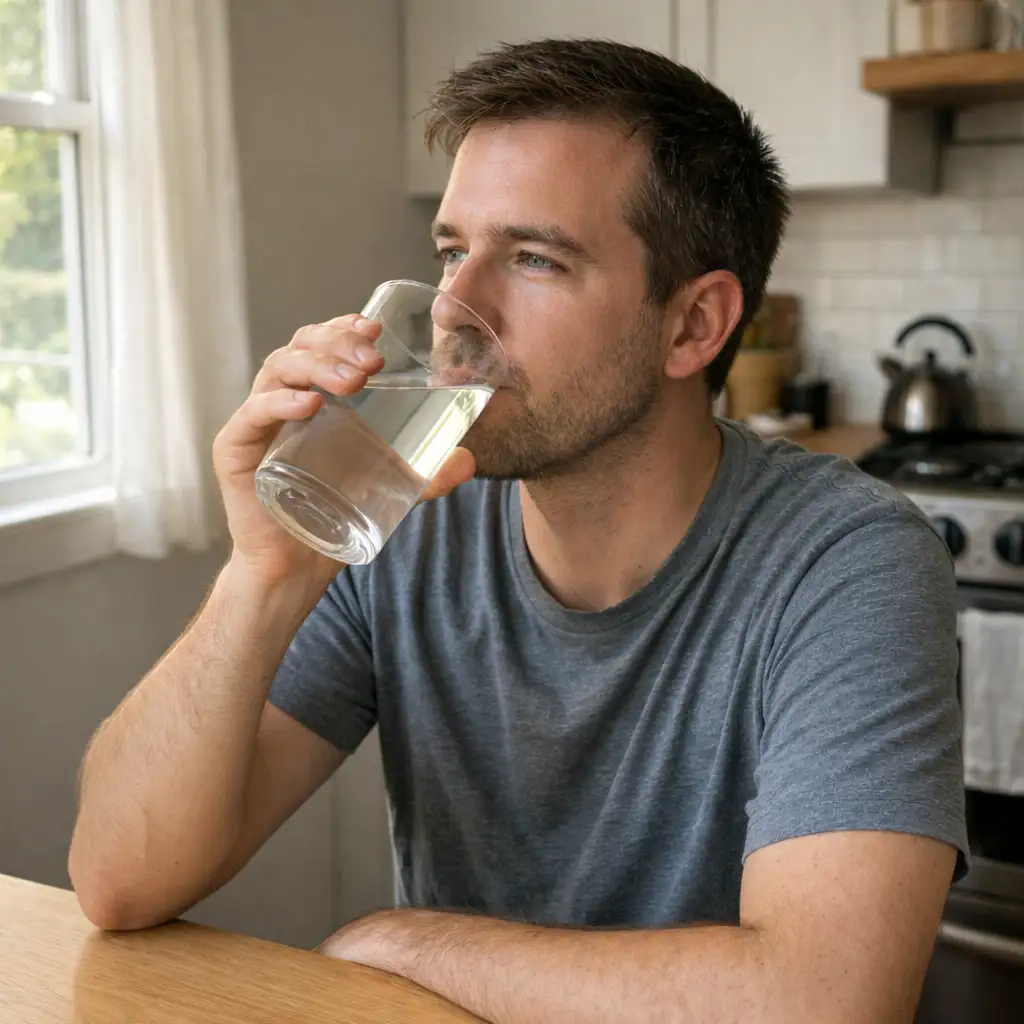
When someone begins a water fasting challenge, the body immediately starts adjusting to the absence of food. During the first several hours of a water fasting challenge, the body still relies on recently consumed carbohydrates for energy. This phase is fairly normal because the body naturally uses stored glucose before turning to other energy sources.
The First 24 Hours of a Water Fasting Challenge
In the early stage of a water fasting challenge, the body primarily burns glycogen, which is stored glucose found in the liver and muscles. Glycogen provides energy while the body adapts to the temporary lack of food intake during the water fasting challenge.
Many people exploring a water fasting challenge notice mild hunger waves during this period. These hunger signals often appear at the same times a person usually eats meals. Hydration becomes especially important during a water fasting challenge, which is why many fasting discussions also reference simple hydration habits such as how to make lemon water for weight loss.
As the first day of a water fasting challenge progresses, glycogen levels gradually decrease. Once those energy stores begin running low, the body starts shifting toward other fuel sources. This shift is one of the main reasons the water fasting challenge attracts attention in online wellness discussions.
Metabolism Changes During a Water Fasting Challenge
After about 24 hours of a water fasting challenge, the body begins increasing fat metabolism to produce energy. At this stage of the water fasting challenge, the liver starts producing ketones, which are molecules created when fat is broken down.
Some people attempting a water fasting challenge report changes in energy levels during this phase. While some describe increased mental clarity, others may feel fatigue or lightheadedness. Experiences with the water fasting challenge can vary significantly depending on hydration, sleep, and individual metabolism.
Online communities discussing the water fasting challenge often compare it with other nutrition approaches, including nutrient-focused habits like smoothies or balanced meals. For example, people who research fasting frequently look into alternatives such as best smoothie recipe for losing weight that still provide nutrients while supporting calorie control.
Pro Tip: If you’re studying the water fasting challenge, pay attention to how your body responds to regular hydration, sleep quality, and stress levels first. Many people discover that improving these everyday habits already changes their energy and hunger patterns.
Understanding how the body adapts during a water fasting challenge helps explain why fasting feels different from typical dieting. The next section will explore the benefits people often associate with the water fasting challenge, along with the claims commonly shared in wellness communities.
Potential Benefits People Seek From a Water Fasting Challenge
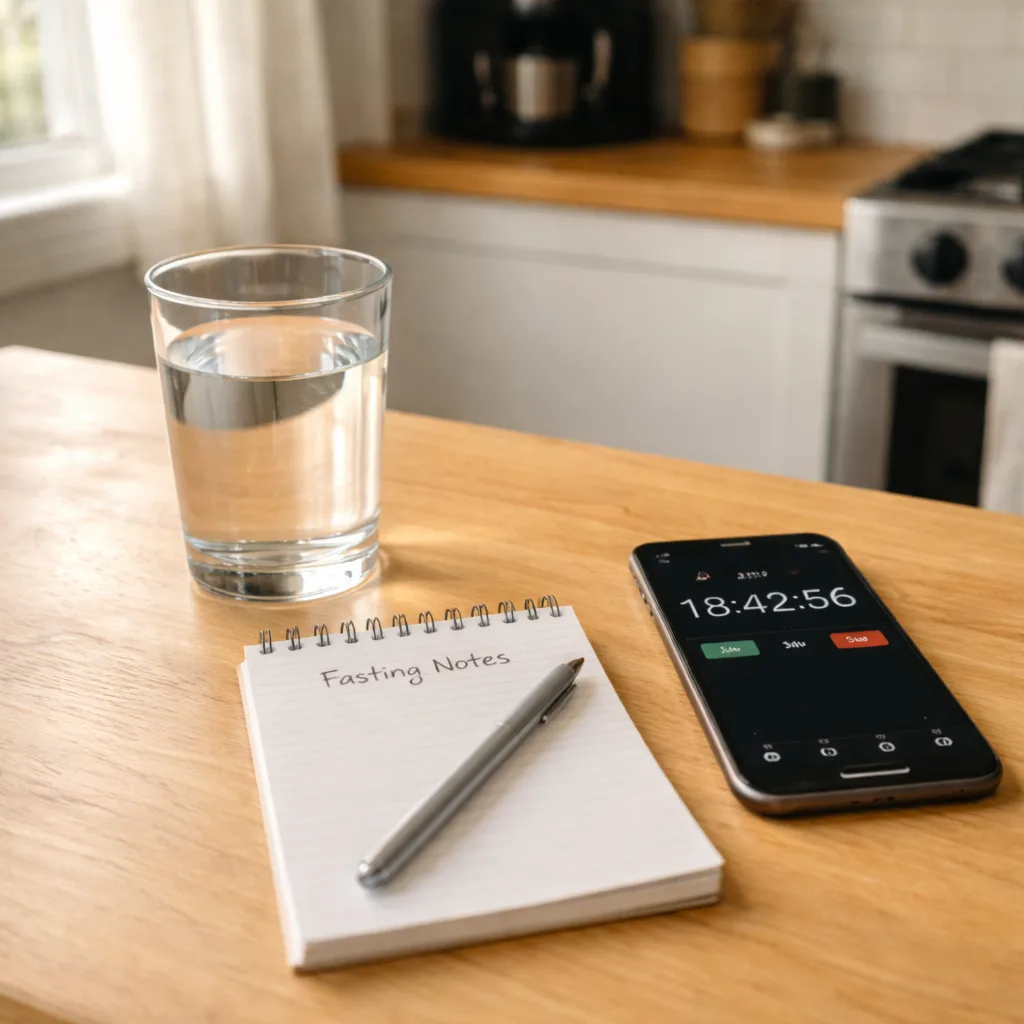
Many people explore a water fasting challenge because they are curious about its potential effects on the body. In online wellness communities, the water fasting challenge is often discussed as a way to simplify eating habits temporarily, reset routines, or experiment with short-term fasting.
However, it’s important to understand that many claims about the water fasting challenge come from personal experiences shared online rather than controlled research. This section explains the most common benefits people hope to see when attempting a water fasting challenge, while keeping the discussion balanced and educational.
Weight Loss and Fat Burning Discussions
One of the main reasons people try a water fasting challenge is curiosity about short-term weight changes. When the body stops receiving calories during a water fasting challenge, it begins using stored energy sources to function. Because of this energy shift, some individuals notice temporary weight reduction during a water fasting challenge.
Part of that weight change may come from reduced calorie intake and the depletion of glycogen stores. Glycogen holds water in the body, so when glycogen levels drop during a water fasting challenge, some water weight may decrease as well.
People who research a water fasting challenge often explore hydration-based habits alongside fasting. For instance, some readers look into daily routines like detox water for weight loss or simple hydration methods to support balanced nutrition and mindful eating.
Still, sustainable weight management usually involves consistent nutrition habits rather than extreme short-term challenges.
Detox and Autophagy Conversations Online
Another topic frequently linked to the water fasting challenge is the idea of detoxification. On social platforms and discussion forums, people sometimes claim that the water fasting challenge helps the body cleanse itself.
In reality, the human body already has built-in systems for filtering and removing waste. Organs such as the liver and kidneys continuously support these processes regardless of whether someone is doing a water fasting challenge.
A related concept often mentioned during a water fasting challenge is autophagy, a natural cellular recycling process. Researchers study autophagy because it plays a role in how cells maintain themselves. While fasting may influence this process, most of the detailed research involves controlled scientific environments rather than casual wellness challenges.
Because of this, it’s helpful to view discussions about detox and the water fasting challenge with curiosity but also caution.
People who want gentle daily wellness habits often explore nutrient-rich options like turmeric ginger shot or other simple drink recipes that complement balanced eating patterns.
Pro Tip: If you’re interested in experimenting with wellness routines similar to a water fasting challenge, start by improving daily habits such as hydration, sleep quality, and balanced meals. Small consistent changes often provide more stable long-term results.
The next section will explore the risks and safety considerations of the water fasting challenge, which is essential knowledge before anyone considers trying a fasting routine.
Risks and Safety Considerations of a Water Fasting Challenge
While many online discussions highlight potential benefits, it’s equally important to understand the possible risks of a water fasting challenge. Because the body receives no calories during a fast, energy levels, electrolyte balance, and overall comfort may change over time. Anyone exploring a water fasting challenge should approach it with caution and a clear understanding of how the body responds to prolonged food restriction.
Possible Side Effects During a Water Fast
During the early phase of a water fasting challenge, some people report symptoms such as hunger, fatigue, headaches, or dizziness. These reactions may occur as the body adjusts to using stored energy rather than regular meals. Hydration can help reduce discomfort, but drinking water alone does not replace the nutrients normally provided by food during a water fasting challenge.
Another common concern during longer fasting periods is electrolyte imbalance. Electrolytes help regulate nerve signals, muscle function, and hydration. Without balanced intake from food, a prolonged water fasting challenge may cause weakness or lightheadedness in some individuals.
For this reason, many people researching fasting also explore safer hydration strategies, such as drinks that replenish minerals. Some readers prefer simple homemade options like homemade electrolyte drink or balanced hydration recipes that support everyday wellness.
Who Should Avoid Fasting Challenges
A water fasting challenge is not appropriate for everyone. Certain individuals should avoid extended fasting without medical supervision, especially those with underlying health conditions or specific nutritional needs.
Groups that typically require extra caution include:
- People managing chronic medical conditions
- Individuals taking medications that require food
- Pregnant or breastfeeding individuals
- Those with a history of eating disorders
In many cases, people curious about fasting may benefit from exploring less extreme approaches first. Balanced dietary habits, hydration routines, and structured meal plans often provide safer ways to support wellness goals.
Some readers who initially consider a water fasting challenge later decide to experiment with gradual lifestyle changes instead, such as balanced eating strategies like calorie deficit meals or structured meal planning.
Pro Tip: If you’re considering a water fasting challenge, start by improving everyday habits—consistent sleep, hydration, and balanced meals. These foundational routines often provide meaningful benefits without the stress of extreme dietary restrictions.
Understanding the risks associated with a water fasting challenge helps create a more realistic view of fasting trends. Next, we’ll explore the popular variations of fasting challenges, including short-term fasts and liquid-based approaches people often compare with water-only fasting.
Popular Variations of the Water Fasting Challenge
Not everyone who researches the water fasting challenge follows the exact same approach. Over time, several variations have appeared in wellness discussions, each with slightly different rules. Some people experiment with shorter fasting periods, while others compare the water fasting challenge to liquid-based diets that include juices or nutrient drinks.
Understanding these variations helps readers see how the water fasting challenge fits into a wider range of fasting and nutrition strategies.
The 3-Day Water Fasting Challenge
One of the most commonly discussed versions is the 3-day water fasting challenge. This approach involves consuming only water for approximately 72 hours. Many online wellness forums mention this timeframe because it feels achievable for people who want to experiment with fasting without committing to a longer fast.
During a water fasting challenge lasting three days, the body typically transitions from using stored glycogen to relying more heavily on fat-derived energy. Because of this shift, people often report changes in hunger patterns and energy levels during the second or third day.
However, experiences vary widely. Some individuals find the water fasting challenge manageable for short periods, while others feel uncomfortable continuing beyond a single day. Hydration becomes especially important, which is why some readers researching fasting also explore mineral-supporting drinks like natural alternative to Gatorade or electrolyte-focused hydration ideas.
Liquid Diets vs. Water-Only Fasting
Another variation people often compare with the water fasting challenge is the liquid diet. Instead of consuming only water, a liquid diet allows beverages such as vegetable juices, smoothies, broths, or herbal drinks.
Because liquids may contain nutrients, this approach can feel less restrictive than a strict water fasting challenge. Many people experimenting with liquid diets focus on drinks that provide vitamins, minerals, and hydration.
For example, wellness communities sometimes explore juice-based routines or smoothies as alternatives to fasting. Recipes such as heavy metal detox smoothie recipe appear in discussions where people prefer nutrient-rich beverages rather than water alone.
Liquid diets can still reduce overall calorie intake, but they generally provide more nutrients than a traditional water fasting challenge.
Pro Tip: If you’re curious about fasting trends but unsure about water-only fasting, start by experimenting with balanced hydration drinks or nutrient smoothies instead. This approach allows you to explore new wellness habits without removing food entirely.
Understanding the differences between fasting styles helps people make more informed decisions. In the next section, we’ll look at how to prepare safely before starting a water fasting challenge, including simple preparation strategies that many beginners overlook.
Tips to Prepare for a Water Fasting Challenge
Preparing for a water fasting challenge can make the experience more manageable and safer. Jumping straight into a fast without preparation can increase discomfort and may even create unnecessary risks. People who plan their fasting days carefully tend to have smoother experiences and better insights into how their bodies respond.
How to Prepare Your Body Before Starting
Many first-time fasters approach the water fasting challenge with curiosity but little planning. A simple way to start is by gradually reducing heavy meals and processed foods in the days leading up to the fast. This helps the digestive system adjust and can reduce intense hunger during the fasting period.
In addition, staying well-hydrated before starting a water fasting challenge is critical. Drinking consistent amounts of water and incorporating natural hydration recipes like chia fresca hydration drink can help your body maintain electrolyte balance and feel less fatigued when food is temporarily removed.
Some people also track their normal eating patterns for a few days. Understanding typical meal times, portion sizes, and energy fluctuations can help predict how the body might respond during the water fasting challenge.
Safe Ways to Break a Water Fast
Knowing how to break a fast safely is just as important as the preparation itself. After a water fasting challenge, the digestive system may be more sensitive. Many people start with small, light foods or gentle liquids to ease the transition. Options like mild broths, fruit-infused water, or simple smoothies can be effective without shocking the system.
For example, incorporating nutrient-rich beverages like detox island green smoothie recipe allows the body to reintroduce calories slowly while supporting hydration and digestion.
Pro Tip: Before beginning a water fasting challenge, plan both the fasting days and the refeeding period. Preparing gentle meals ahead of time can prevent overindulgence, digestive discomfort, and unnecessary fatigue after the fast ends.
Proper preparation helps ensure that a water fasting challenge is an educational and controlled experience. Knowing these strategies allows people to explore fasting safely, understand their body’s signals, and evaluate whether short-term fasting suits their lifestyle.
Frequently Asked Questions About the Water Fasting Challenge
What Do 3 Days of Water Fasting Do?
A 3-day water fast is often the most discussed version of the water fasting challenge. During this period, the body transitions from using glycogen stores to primarily burning fat for energy. People may notice temporary weight loss, changes in energy levels, or shifts in hunger patterns. However, results vary, and much of the observed weight loss can include water weight rather than fat. For hydration support during this fast, readers often explore drinks like chia fresca hydration drink to maintain electrolyte balance.
Can You Lose 10 Pounds in 3 Days on a Liquid Diet?
While some claim rapid weight loss during short-term liquid diets, most of the weight lost in three days comes from water, glycogen depletion, and some fat. It is uncommon for a 3-day liquid plan or water fasting challenge to result in sustainable 10-pound fat loss. Many people combine these approaches with gentle hydration or smoothie strategies like detox island green smoothie recipe to support balanced intake.
Is Fasting OK on Tirzepatide?
Tirzepatide is a medication prescribed for blood sugar control and weight management. People taking medications like Tirzepatide should consult their healthcare provider before attempting a water fasting challenge, because fasting may affect blood sugar levels and the medication’s efficacy. For safe fasting alternatives, many turn to gradual calorie-reduction strategies or hydration routines like homemade electrolyte drink rather than water-only fasting.Pro Tip: Always check with a medical professional before combining medications with fasting practices. Using the water fasting challenge without guidance can lead to dizziness, low blood sugar, or other complications.Answering these FAQs helps readers approach the water fasting challenge with realistic expectations and encourages safer experimentation. Next, we’ll review final thoughts and alternative approaches for those curious about short-term fasting.
Final Thoughts on the Water Fasting Challenge
The water fasting challenge is a trend that attracts curiosity, from short 24-hour fasts to the more ambitious 3-day fasting experiences. While it offers insight into how the body responds to temporary food abstinence, the challenge is not suitable for everyone and should be approached carefully. Proper preparation, hydration, and realistic expectations are key to ensuring safety during any water fasting challenge.
Many participants report that the challenge helps them understand their eating habits and energy patterns, even if dramatic weight loss or detox effects are modest. For those who prefer gentler alternatives, strategies like detox water for weight loss, balanced smoothies such as detox island green smoothie recipe, or structured meal planning can provide benefits without the intensity of a water-only fast.
When exploring a water fasting challenge, always listen to your body and seek guidance from a healthcare professional if you take medications or have underlying health conditions. Approaching fasting as an educational experiment rather than a quick-fix solution helps maintain a balanced perspective.
For inspiration and support in your wellness journey, you can also connect with our community on Facebook or explore recipe ideas on Pinterest. These platforms provide practical tips, hydration ideas, and gentle lifestyle strategies that complement safe fasting habits.
Pro Tip: Use the water fasting challenge as a learning tool for mindful eating and hydration. Even if you decide not to continue long-term fasting, observing your body’s responses can inform healthier daily habits.