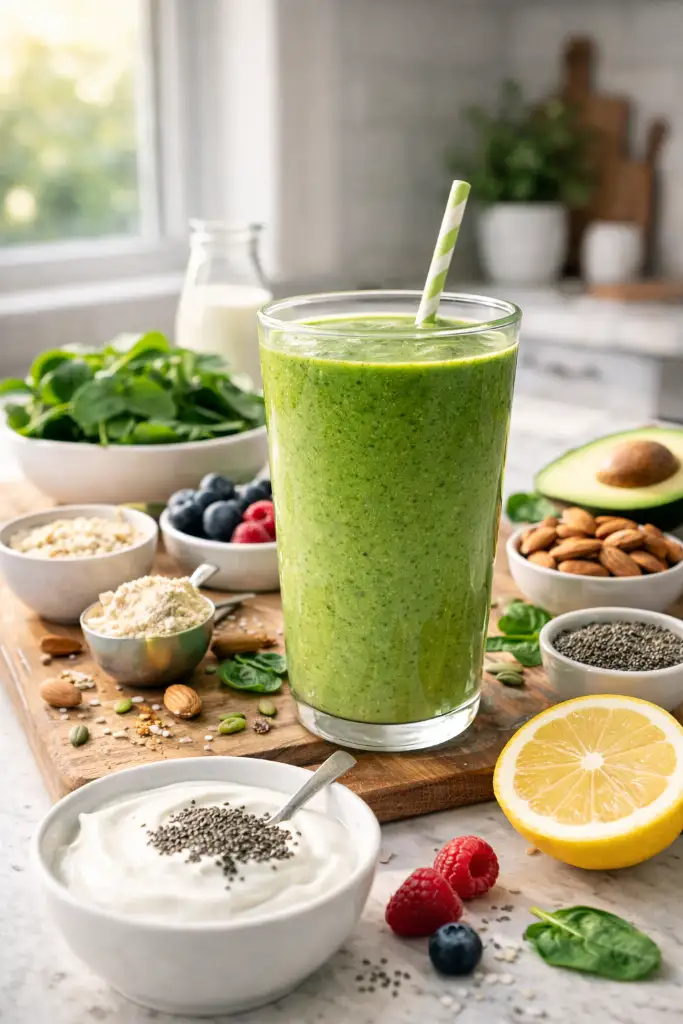
I still remember the first time I noticed how often people were asking about a weight loss smoothie. It wasn’t in a clinic or a diet book. It was on TikTok, in Reddit threads, and even in casual kitchen chats with friends. Everyone seemed to be blending something green, creamy, or protein-packed, hoping it would fit into a healthier routine. That curiosity stuck with me. So I started experimenting in my own kitchen, not chasing miracles, but trying to understand what actually makes a smoothie supportive for balanced weight goals.
This article is your clear, honest guide to the weight loss smoothie. If you’re wondering whether smoothies can fit into a calorie-conscious lifestyle, which ingredients may support belly fat management, or which shake is best for belly fat loss, you’re in the right place. We’ll walk through how to build a balanced smoothie, what mistakes to avoid, and how to think realistically about results. You’ll also find answers to common questions like “Do smoothies help you lose weight?” and “Which smoothies burn belly fat?”—without hype or extreme promises.
If you’re looking for inspiration beyond smoothies, you can learn more about healthy drinks for weight loss here: healthy drinks for weight loss
This guide is for anyone who wants practical, simple information—busy parents, students, professionals, or anyone trying to build better habits. From ingredient breakdowns to portion control tips, you’ll discover how a weight loss smoothie can fit into a balanced, sustainable routine.
Before we begin, here’s a gentle reminder: This recipe and information are shared for informational purposes and are not a substitute for medical advice. If you have specific health conditions or concerns, it’s always wise to speak with a qualified healthcare professional.
Let’s start by understanding what a weight loss smoothie actually is—and what it isn’t.
At its core, a weight loss smoothie is simply a blended drink made with whole-food ingredients that may support a calorie-controlled lifestyle. Unlike sugary milkshakes or store-bought blends packed with syrups, a well-balanced weight loss smoothie focuses on fiber, protein, and healthy fats to help you feel satisfied. When built thoughtfully, a weight loss smoothie can replace a high-calorie meal or snack while still delivering nutrients your body needs. That said, not every weight loss smoothie is automatically supportive—portion size, ingredients, and overall daily intake still matter. A smart weight loss smoothie works best as part of consistent habits, not as a quick fix or extreme diet shortcut.
What Is a Weight Loss Smoothie?
A weight loss smoothie is not a magic drink or a guaranteed shortcut. Instead, it is a simple blend of nutrient-dense ingredients chosen to fit within a balanced eating pattern. When people talk about a weight loss smoothie, they usually mean a low-calorie, high-fiber, or high-protein drink that can help manage hunger between meals or replace a heavier breakfast option.
What makes a weight loss smoothie different from a regular smoothie often comes down to intention. A dessert-style blend might include ice cream, sweetened yogurt, or flavored syrups. In contrast, a weight loss smoothie typically focuses on whole fruits, leafy greens, seeds, protein sources, and unsweetened liquids like almond milk or water. The goal is steady energy and fullness, not a sugar spike followed by a crash.
Another key point is balance. A weight loss smoothie should include a mix of macronutrients—protein for satiety, fiber for digestion support, and a small amount of healthy fat to slow absorption. Without that balance, even a homemade weight loss smoothie can leave you feeling hungry an hour later. That’s why understanding ingredients matters more than copying viral recipes.
Portion control also plays a role. A large 32-ounce blender cup packed with bananas, nut butter, and dates may sound healthy, but calories can add up quickly. A well-portioned weight loss smoothie is usually between 12 and 16 ounces, depending on your needs. Measuring ingredients, especially calorie-dense ones like peanut butter or chia seeds, keeps your smoothie aligned with your goals.
Importantly, a weight loss smoothie works best as part of an overall lifestyle that includes whole foods, movement, hydration, and realistic expectations. Many people on Reddit and Quora share that smoothies helped them stay consistent with breakfast, but not because the drink itself “burned fat.” Consistency and mindful eating patterns made the difference.
In short, a weight loss smoothie is a practical tool. It can simplify meal prep, help manage cravings, and support calorie awareness when designed thoughtfully. However, it’s still food—and like any meal, its impact depends on quality, quantity, and how it fits into your daily routine.
Print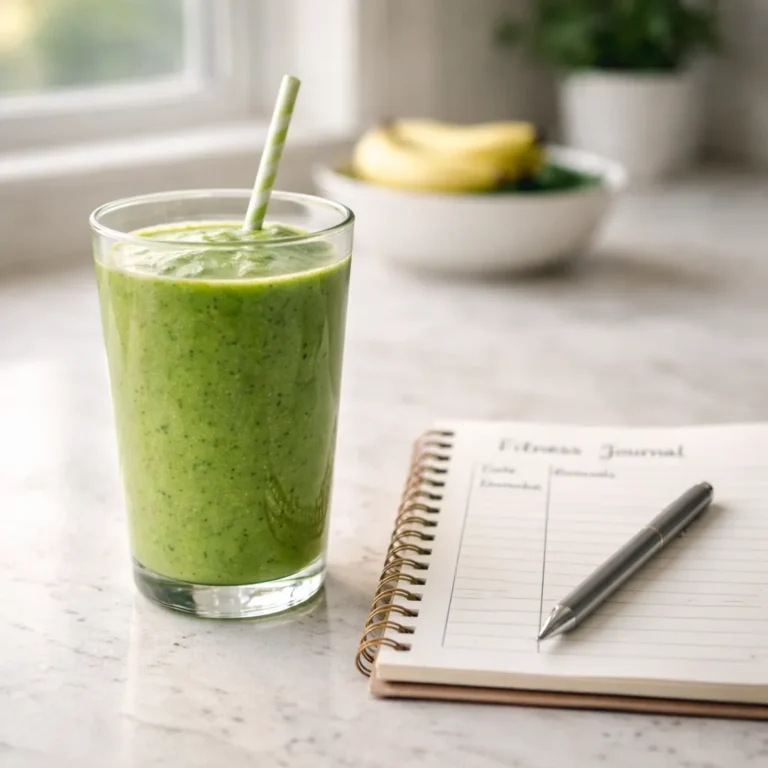
Weight Loss Smoothie Guide: Simple & Smart Plan
A complete guide to building a balanced weight loss smoothie with realistic tips, ingredient breakdowns, and sustainable fat loss habits.
- Total Time: 5 minutes
- Yield: 1 serving 1x
Ingredients
Instructions
1. Choose a protein base. 2. Add leafy greens or fiber. 3. Include one serving of fruit. 4. Add a small portion of healthy fat if desired. 5. Blend with unsweetened liquid until smooth. 6. Measure portions carefully and enjoy mindfully.
Notes
This guide is for informational purposes only and is not a substitute for medical advice. Portion control and overall calorie balance matter most.
- Prep Time: 5 minutes
- Category: Healthy Drinks
- Method: Blending
- Cuisine: Healthy
Nutrition
- Serving Size: 1 smoothie (16 oz)
- Calories: 250
- Sugar: 15g
- Sodium: 120mg
- Fat: 9g
- Saturated Fat: 2g
- Unsaturated Fat: 6g
- Trans Fat: 0g
- Carbohydrates: 30g
- Fiber: 8g
- Protein: 18g
- Cholesterol: 10mg
How Weight Loss Smoothies Fit Into a Balanced Lifestyle
A weight loss smoothie can be helpful when it replaces, not adds to, your daily calories. Many people find that starting the day with a weight loss smoothie makes breakfast quicker and more controlled compared to grabbing pastries or fast food. When the ingredients are measured and balanced, this simple habit can support mindful eating without feeling restrictive.
Timing also matters. Some prefer a weight loss smoothie in the morning for convenience, while others use it as a light dinner option after a heavier lunch. The key is understanding your hunger cues and planning ahead. A well-prepared weight loss smoothie can prevent impulsive snacking later in the day, especially when it includes protein and fiber.
Consistency tends to matter more than perfection. Drinking a weight loss smoothie once won’t change much, but including one regularly as part of structured meals may help create steady routines. People who share their experiences online often mention that planning their weight loss smoothie ingredients in advance kept them from relying on ultra-processed foods.
It’s also important to look at the bigger picture. A weight loss smoothie works best alongside whole foods like vegetables, lean proteins, whole grains, and adequate hydration. Movement, sleep, and stress management all influence results too. No single weight loss smoothie replaces those foundational habits, but it can complement them.
Finally, flexibility keeps things sustainable. Rotating ingredients in your weight loss smoothie prevents boredom and helps you get a wider range of nutrients. Some days you might prefer a green blend with spinach and cucumber, while other days a berry-protein mix feels more satisfying. When used thoughtfully, a weight loss smoothie becomes a supportive routine rather than a strict rule.
Common Ingredients in a Weight Loss Smoothie
The ingredients you choose can shape how effective and satisfying your weight loss smoothie feels. While trends come and go, the foundation of a balanced blend usually includes fiber, protein, and healthy fats. These components work together to support fullness and steady energy rather than quick spikes in blood sugar.
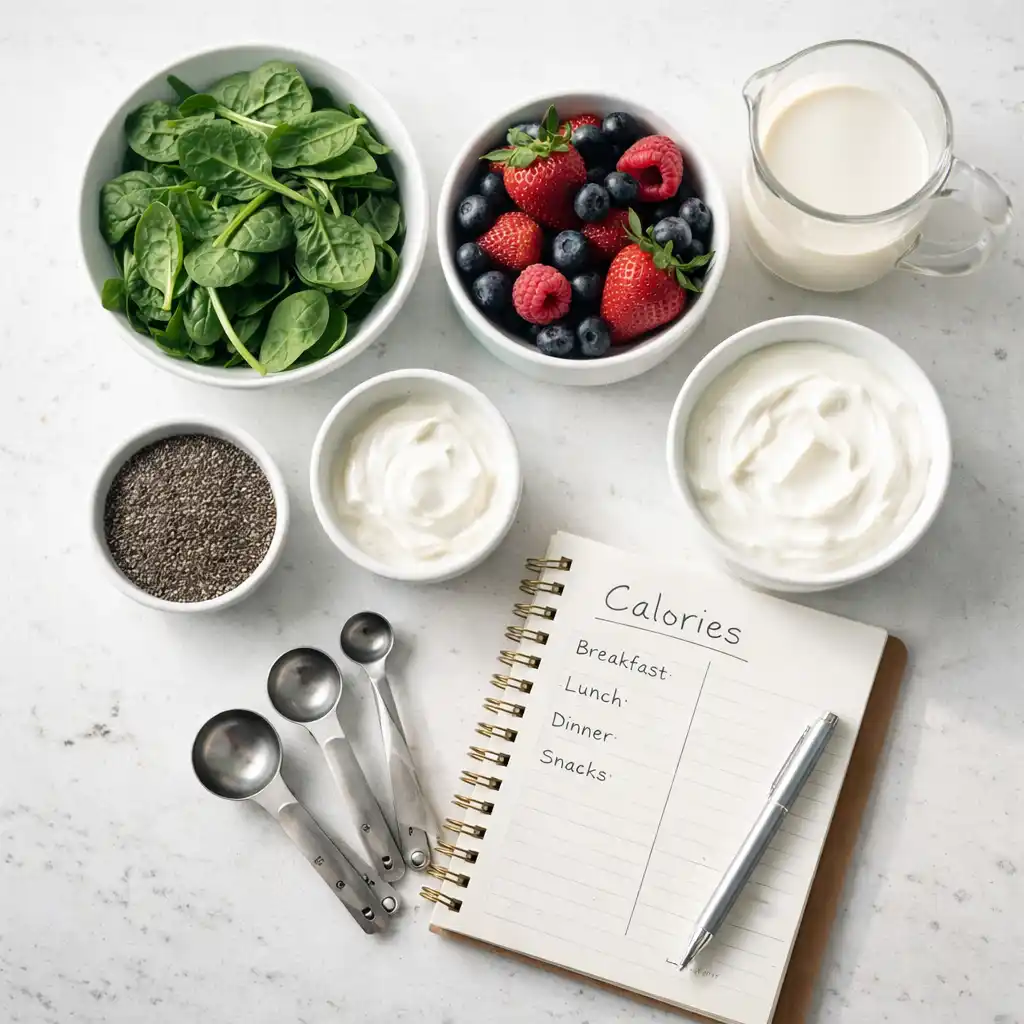
Leafy greens are a popular base because they add volume with very few calories. Spinach, kale, or romaine blend easily and pair well with fruits like berries or green apples. This combination allows your drink to stay naturally sweet without relying on added sugars.
Protein is another essential element. Greek yogurt, unsweetened protein powder, tofu, or nut butter can make the smoothie more satisfying. Without protein, even a nutrient-rich blend may leave you hungry soon after drinking it. Adding a measured scoop can help your weight loss smoothie function more like a balanced meal rather than a light snack.
Fiber-rich add-ins such as chia seeds, flaxseeds, or oats are often included for digestion support and satiety. These small ingredients can make a noticeable difference in texture and fullness. However, portion size matters, since calorie-dense toppings can quickly change the overall balance of the drink.
Healthy fats also play a role. A small amount of avocado or almond butter can add creaminess and help slow digestion. When included thoughtfully, fat helps the smoothie feel complete instead of watery or thin. Still, measuring carefully keeps the calorie count aligned with your goals.
If you’re building your own blend at home, start simple. Choose one protein source, one fiber addition, one fruit, and a handful of greens. From there, adjust based on taste and how your body responds. A personalized weight loss smoothie works better than copying a viral recipe without understanding its ingredients.
For practical examples and step-by-step inspiration, check out this guide: best smoothie recipe for Losing weight It offers structured ideas that can help you design a weight loss smoothie suited to your preferences and routine.
Do Smoothies Help You Lose Weight?
One of the most common questions I see online is simple: do smoothies help you lose weight? The honest answer is that a weight loss smoothie can support your goals, but only when it fits into your total daily calorie needs. Drinking one alone does not automatically reduce body fat; what matters most is your overall eating pattern.
For many people, replacing a high-calorie breakfast with a balanced blend can reduce daily intake without feeling deprived. Because smoothies are easy to portion and prepare at home, they may help create structure. When a weight loss smoothie includes protein and fiber, it can keep you satisfied longer than sugary cereals or pastries.
However, problems arise when it becomes an addition instead of a replacement. For example, having a full lunch and then adding a large blended drink on top can increase calories beyond what your body needs. In that case, even a nutrient-dense option may slow progress rather than support it.
Another factor is liquid calories. Since a weight loss smoothie is blended, it may be consumed faster than solid food. Drinking quickly can sometimes make it harder to notice fullness signals. Slowing down, sipping gradually, and pairing it with mindful eating habits can make a meaningful difference.
It’s also helpful to manage expectations. Many people on social platforms share dramatic claims, but sustainable change usually comes from consistent habits. A weight loss smoothie can be one practical tool in a broader routine that includes balanced meals, movement, and adequate sleep. Think of it as support, not a solution by itself.
If you’re considering adding this habit to your day, start by reviewing your current meals. Identify where a smoothie might replace a less balanced option. When used intentionally, a weight loss smoothie may help create a steady rhythm that feels realistic and maintainable.
Which Smoothies Burn Belly Fat?
A question that comes up often is: which smoothies burn belly fat? It’s important to approach this carefully. No weight loss smoothie directly targets belly fat on its own. Fat loss generally happens gradually across the body when you maintain a calorie deficit over time. However, certain ingredients in a weight loss smoothie may support habits that contribute to overall fat management.
For example, high-protein blends can help control appetite. When a weight loss smoothie includes Greek yogurt, protein powder, or nut butter, it may reduce the urge to snack excessively later. Over time, better appetite control can support consistent calorie balance, which plays a role in reducing stored fat, including around the midsection.
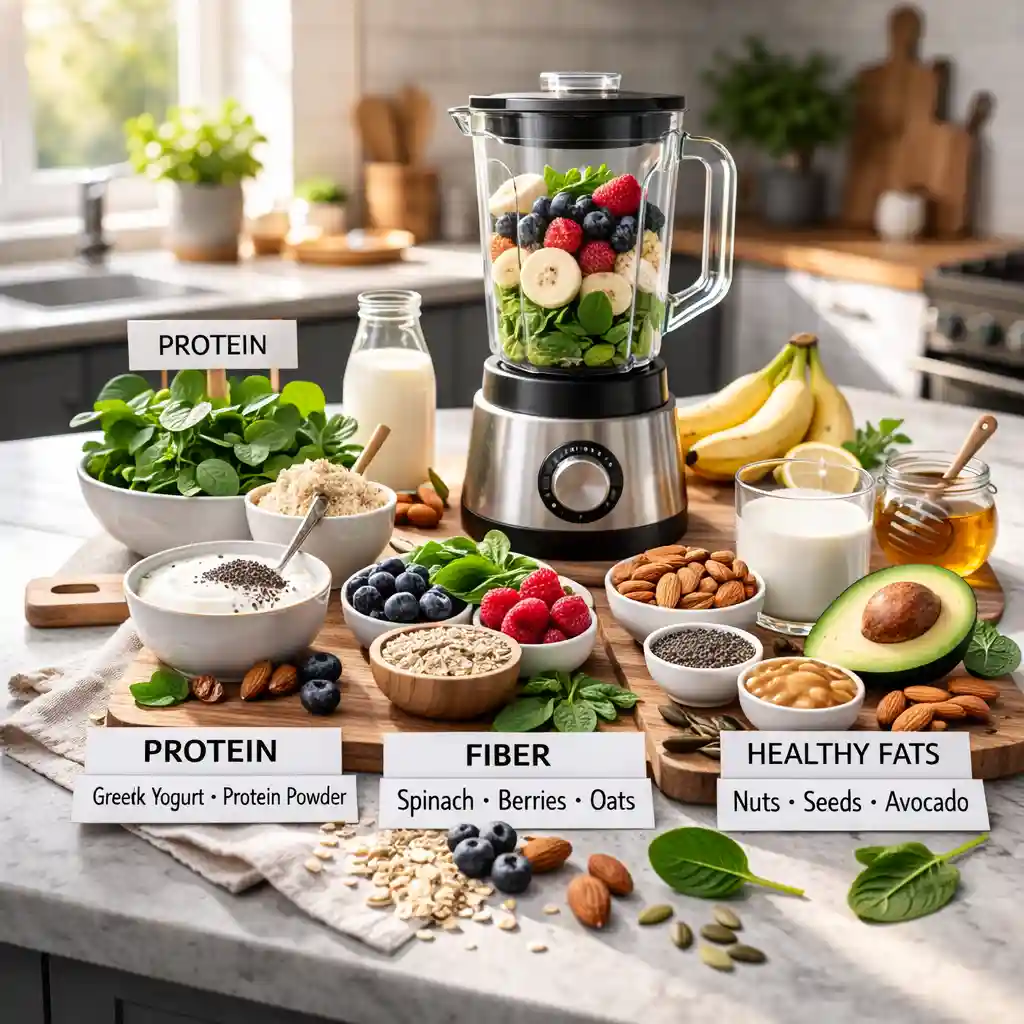
Fiber is another helpful factor. Ingredients like chia seeds, flaxseeds, spinach, and berries can make a weight loss smoothie more filling. A fiber-rich drink may support digestion and steady blood sugar levels, which many people find helpful when managing cravings. While this doesn’t specifically “burn” belly fat, it helps create conditions that support gradual change.
Green blends are often mentioned on TikTok and Reddit as a go-to weight loss smoothie for belly concerns. These usually combine leafy greens, cucumber, lemon, and a light fruit like apple or pineapple. The benefit isn’t a special fat-burning effect. Instead, these blends are typically lower in calories while still offering volume and nutrients.
It’s also worth noting that stress, sleep, and activity levels influence abdominal fat storage. Drinking a daily weight loss smoothie won’t override chronic stress or poor sleep habits. However, replacing sugary drinks with a balanced weight loss smoothie can reduce excess sugar intake, which may help support better long-term habits.
If your goal is to manage belly fat, think in terms of patterns rather than quick fixes. A well-constructed weight loss smoothie can support protein intake, fiber consumption, and calorie awareness. Combined with strength training and consistent movement, this approach may help you move toward your goals in a realistic way.
Which Shake Is Best for Belly Fat Loss?
When people ask which shake is best for belly fat loss, they’re usually hoping for a simple answer. I understand that feeling. We all want clarity. Still, no single weight loss smoothie can selectively remove fat from one area. What you can do, however, is choose a shake that supports appetite control, balanced nutrition, and steady habits over time.
In many cases, a protein-focused weight loss smoothie tends to be the most practical choice. Protein helps you feel full longer, which may reduce late-night snacking or constant grazing. For example, blending unsweetened Greek yogurt, frozen berries, spinach, and a tablespoon of chia seeds creates a balanced weight loss smoothie that feels satisfying without being overly heavy.
Some people compare plant-based and dairy-based options. A plant-based weight loss smoothie might use pea protein, almond milk, flaxseed, and mixed berries. Meanwhile, a dairy-based version may include kefir or high-protein yogurt. The better choice depends on your preferences, digestion, and overall diet pattern. What matters most is that your weight loss smoothie contains enough protein and fiber to keep hunger stable.
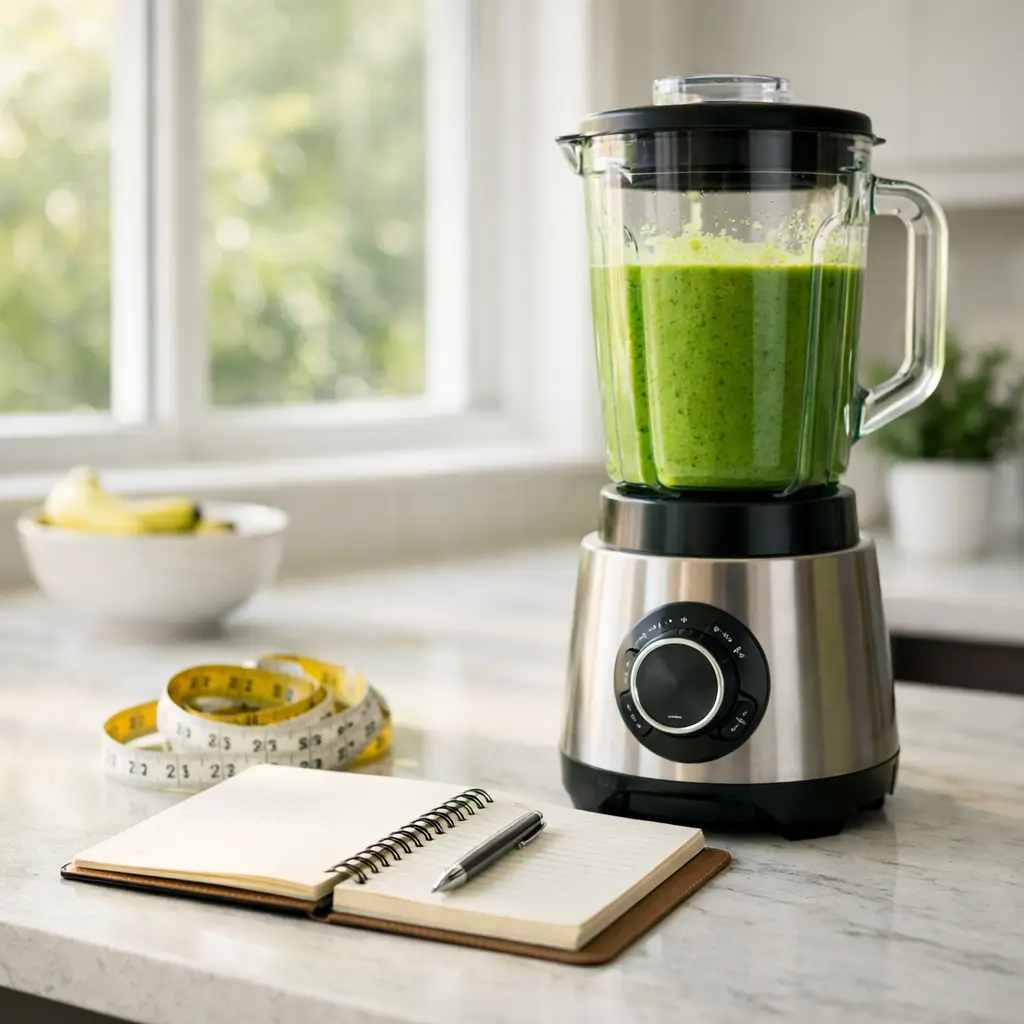
Portion size also shapes results. A massive blender cup loaded with multiple fruits, sweeteners, and nut butters can quietly double the calories of a moderate meal. On the other hand, a measured 12–16 ounce weight loss smoothie with controlled ingredients supports awareness. When the shake fits into your daily intake, it becomes helpful rather than excessive.
I’ve noticed from conversations online that people who see steady progress often focus less on “the best” shake and more on consistency. They rotate ingredients, prep ahead, and treat their weight loss smoothie as one steady habit among many. Strength training, walking, sleep, and stress management still matter.
If you’re deciding which shake to try, start simple. Choose one reliable protein source, add fiber, include a moderate portion of fruit, and avoid added sugars. A thoughtfully prepared weight loss smoothie may support your goals when it replaces less balanced options and fits your overall routine.
Remember, this information is shared for educational purposes and is not a substitute for medical advice. Individual results vary, and personal health conditions should always be discussed with a qualified professional.
Common Mistakes When Making a Weight Loss Smoothie
Even a well-intentioned weight loss smoothie can miss the mark if a few details are overlooked. One of the most common mistakes is adding too much fruit. While fruit provides vitamins and natural sweetness, blending multiple bananas, mangoes, and dates into one weight loss smoothie can quietly increase the sugar and calorie content beyond what you planned.
Another frequent issue is skipping protein. A weight loss smoothie made only with fruit and juice may taste refreshing, but it often lacks staying power. Without protein or healthy fat, hunger can return quickly, leading to extra snacking later in the day. Including yogurt, protein powder, tofu, or nut butter helps a weight loss smoothie feel more balanced and satisfying.
Liquid choices matter as well. Using sweetened almond milk, flavored yogurt, or fruit juice as a base can turn a light weight loss smoothie into a calorie-dense drink. Choosing unsweetened milk alternatives, plain yogurt, or even water keeps the overall profile more controlled without sacrificing texture.
Portion size is another subtle trap. Large blender cups make it easy to pour more than intended. Measuring ingredients—especially calorie-dense ones like peanut butter, seeds, or oats—keeps your weight loss smoothie aligned with your goals. Small adjustments can make a noticeable difference over weeks and months.
Finally, relying solely on a weight loss smoothie without looking at the rest of your meals can limit progress. A smoothie can support your routine, but it cannot compensate for frequent ultra-processed snacks, poor sleep, or inactivity. Sustainable change usually comes from combining simple habits rather than depending on one single tool.
By being mindful of ingredients, portions, and context, your weight loss smoothie becomes a supportive part of your day instead of an accidental calorie overload.
How to Build a Balanced Weight Loss Smoothie (Step-by-Step Guide)
Building a balanced weight loss smoothie doesn’t have to feel complicated. In fact, the simpler your formula, the easier it is to repeat consistently. A structured approach helps your weight loss smoothie stay aligned with your calorie goals while still tasting good and feeling satisfying.
Start with a protein base. This could be plain Greek yogurt, a scoop of unsweetened protein powder, kefir, or even silken tofu. Protein forms the foundation of a weight loss smoothie because it supports fullness and may help reduce the urge to snack soon after drinking it.
Next, add fiber. Leafy greens like spinach or kale are easy to blend and mild in flavor. You can also include chia seeds, ground flaxseed, or a small portion of oats. Fiber adds texture and helps your weight loss smoothie feel more substantial without dramatically increasing calories.
Then, choose one serving of fruit for natural sweetness. Berries are often a practical option because they’re lower in sugar compared to tropical fruits. A moderate portion keeps your weight loss smoothie flavorful while maintaining balance.
Include a small amount of healthy fat if desired. Half an avocado or a measured tablespoon of almond butter can add creaminess and improve satiety. The key is measurement. Even a healthy weight loss smoothie can shift in calories if fats are added freely.
Finally, select a liquid base. Unsweetened almond milk, skim milk, coconut water, or plain water all work. Adjust thickness gradually rather than pouring too much at once. Blending slowly and tasting as you go helps you refine your weight loss smoothie without overdoing any ingredient.
A simple formula to remember is:
Protein + Greens or Fiber + One Fruit + Healthy Fat (optional) + Unsweetened Liquid.
When you follow this structure, your weight loss smoothie becomes predictable, balanced, and easier to track. Over time, this repeatable method supports steady habits rather than guesswork.
This recipe framework is shared for informational purposes and is not a substitute for medical advice. Individual needs may vary based on activity level, health history, and dietary preferences.
Safety, Expectations, and Who Should Be Careful
While a weight loss smoothie can be a helpful addition to your routine, it’s important to approach it with realistic expectations. A weight loss smoothie is still a meal or snack, not a medical treatment. Sustainable fat loss typically comes from consistent calorie awareness, balanced nutrition, and regular movement over time.
Some individuals should be especially mindful when adding a weight loss smoothie to their day. For example, people managing diabetes or blood sugar concerns may need to monitor fruit portions carefully. Even a natural, homemade weight loss smoothie can influence glucose levels depending on ingredients and serving size.
Those with digestive sensitivities should also adjust slowly. A high-fiber weight loss smoothie that includes chia seeds, flaxseed, and leafy greens may feel overwhelming if your body isn’t used to that amount of fiber. Starting with smaller portions and gradually increasing ingredients can make your weight loss smoothie easier to tolerate.
It’s also worth remembering that liquid meals may not feel as filling for everyone. Some people notice they feel hungrier after drinking a weight loss smoothie compared to eating solid food. In that case, pairing your smoothie with a boiled egg, a handful of nuts, or simply slowing down while drinking can improve satisfaction.
Pregnant women, individuals with kidney conditions, or those on specific medications should speak with a qualified healthcare professional before significantly changing their diet. While a balanced weight loss smoothie is generally made from whole foods, personal medical history always matters.
Above all, avoid extreme expectations. A weight loss smoothie may support your goals when used consistently and thoughtfully, but it won’t create overnight changes. Think of it as one supportive habit among many, not a shortcut.
This information is shared for educational purposes and is not a substitute for medical advice. Individual needs vary, and professional guidance is always recommended when managing health conditions.
Trends, Social Buzz, and Real-World Experiences
If you’ve spent time on TikTok or Reddit lately, you’ve probably seen countless versions of a weight loss smoothie trending at different times. One week it’s a green detox blend, the next it’s a high-protein chocolate shake. While these trends can be fun and creative, it’s important to remember that a weight loss smoothie works best when it fits your personal routine, not just a viral video.
Many users online share that preparing a weight loss smoothie in advance helped them stay consistent with breakfast. Instead of skipping meals or grabbing fast food, they kept frozen fruit and protein ready to blend. That small habit made their weight loss smoothie part of a stable daily rhythm rather than a random experiment.
At the same time, some people report frustration when a trending weight loss smoothie doesn’t produce fast changes. This usually comes down to expectations. A smoothie alone rarely changes body composition dramatically. What makes a weight loss smoothie helpful is how it supports calorie awareness, portion control, and balanced nutrition over weeks and months.
I’ve also noticed that community discussions often highlight customization. Instead of copying every ingredient from a viral post, people adapt their weight loss smoothie based on taste, budget, and dietary needs. That flexibility makes it easier to maintain long term.
Ultimately, social media can offer ideas, but consistency drives results. A thoughtfully prepared weight loss smoothie, repeated regularly and paired with realistic habits, tends to be more impactful than jumping from one trend to another. When you focus on steady routines, your weight loss smoothie becomes part of a bigger lifestyle picture rather than a short-term challenge.
Frequently Asked Questions (FAQ)
1. Do smoothies help you lose weight?
Smoothies can support weight loss when they replace higher-calorie meals or snacks and fit into your daily calorie needs. A balanced weight loss smoothie that includes protein, fiber, and healthy fats may help you feel full longer. However, results depend on overall eating habits, activity level, and consistency — not just one drink.
2. Which smoothies burn belly fat?
No smoothie directly burns belly fat on its own. Fat loss usually happens gradually across the whole body when you maintain a calorie deficit. That said, a high-protein, high-fiber weight loss smoothie may support appetite control and balanced blood sugar, which can contribute to steady fat management over time.
3. Which shake is best for belly fat loss?
The best shake for belly fat loss is one that supports fullness and fits your calorie goals. A protein-focused weight loss smoothie with controlled fruit portions and added fiber is often a practical option. The key is balance and portion control rather than searching for a single “magic” ingredient.
Can I drink a weight loss smoothie every day?
Yes, many people include a weight loss smoothie daily, especially for breakfast. The important part is variety and balance. Rotating ingredients helps provide different nutrients and prevents boredom. It should complement, not replace, other whole foods in your diet.
5. Is a weight loss smoothie better than eating whole fruit?
Both options can be healthy. Whole fruit requires more chewing, which may increase satiety for some people. A weight loss smoothie can still be beneficial if it contains fiber and is consumed slowly. Personal preference and digestion often determine which works better for you.
6. Are store-bought smoothies good for weight loss?
Some store-bought smoothies can be high in added sugars and calories. Reading labels carefully is important. A homemade weight loss smoothie gives you more control over ingredients, portion size, and sweetness.
7. What time of day is best to drink a weight loss smoothie?
There isn’t one perfect time. Many people prefer it for breakfast because it’s convenient and portion-controlled. Others use a weight loss smoothie as a light dinner or post-workout option. The best time is when it helps you stay consistent and avoid less balanced choices.
Disclaimer: This information is shared for educational purposes only and is not a substitute for medical advice. Individual results vary, and personal health conditions should always be discussed with a qualified healthcare professional.
Conclusion
A weight loss smoothie can be a practical, flexible tool when used with intention. It’s not a shortcut or a miracle fix, but it can support balanced eating when built with quality ingredients, proper portions, and realistic expectations. By focusing on protein, fiber, and controlled sweetness, you create a drink that feels satisfying rather than temporary.
Throughout this guide, we’ve looked at common questions like Do smoothies help you lose weight? and Which smoothies burn belly fat? The honest takeaway is simple: no single weight loss smoothie targets fat on its own. Instead, it can fit into a consistent routine that includes mindful eating, movement, hydration, and rest.
When you pay attention to ingredient quality and texture, your smoothie becomes more enjoyable — and enjoyment matters. Habits stick when they feel sustainable. A thoughtfully prepared weight loss smoothie can replace less balanced options, simplify busy mornings, and support steady progress over time.
Remember, small daily choices often shape long-term outcomes more than dramatic changes. Stay consistent, stay realistic, and build routines that work for your lifestyle.
Disclaimer: This content is shared for informational purposes only and is not a substitute for medical advice. Always consult a qualified healthcare professional for personalized guidance.
Connect with us for more tips on Facebook and Pinterest where we share weekly ideas to keep your meals gut-friendly and stress-free.