I remember the first time I started noticing conversations online about water fasting. On TikTok and Reddit threads, people were sharing their routines, asking questions about how long to fast, and debating whether drinking only water for a period could help reset their habits. As someone who spends a lot of time in the kitchen experimenting with drinks, teas, and simple wellness recipes, I became curious about the basics behind it. That curiosity is what inspired this guide.
If you’ve been wondering what is water fasting and how do you do it, you’re not alone. Many beginners hear about fasting trends online but feel confused about how it actually works, what the rules are, and whether it’s safe to try.
In simple terms, water fasting means going for a set period of time while drinking only water and avoiding food or calorie-containing drinks. Some people try short fasts lasting 24 hours, while others discuss longer periods such as three days. If you’ve seen discussions about short fasts online, you might have come across articles like 3 day fasting benefits that describe what some people experience during those periods.
This guide is designed for curious beginners who want clear, practical information before trying anything. Rather than focusing on trends or extreme claims, the goal here is to explain the basics in a calm, realistic way.
Throughout this article, you’ll learn:
- What water fasting actually means and how it works
- The basic rules people usually follow during a water fast
- What typically happens in the body during short fasting periods
- What you can and cannot drink while fasting
- Beginner-friendly ways to approach fasting more carefully
Hydration is one of the most important topics when discussing fasting. Many people first start researching fasting while also asking questions like whether hydration habits can support general wellness. If you’re interested in that topic, you may also want to read does drinking water help lose weight, which looks at hydration and daily routines in a broader way.
Before going further, it’s important to mention that fasting affects everyone differently. This article is shared for informational purposes and is not a substitute for professional medical advice. If you have health concerns or medical conditions, speaking with a qualified professional before attempting fasting is always the safest step.
Now that we’ve introduced the topic and the purpose of this guide, let’s begin by understanding the fundamentals: what water fasting is and why people talk about it so much today.
PART 1: Understanding What Water Fasting Is
What Is Water Fasting and How Do You Do It
At its core, what is water fasting and how do you do it is a question about a very simple idea: temporarily avoiding food while drinking only water. During a water fast, a person stops eating solid foods and calorie-containing drinks and focuses only on hydration.
Most people who try water fasting follow short periods such as 24 hours, 48 hours, or sometimes up to three days. The goal is usually to give the digestive system a break while relying on stored energy for a short time. You may have seen this idea discussed in fasting trends online or in traditional approaches such as Japanese water fasting, where structured hydration routines are sometimes mentioned.
A basic water fast generally includes a few simple practices:
- Drinking plain water regularly throughout the day
- Avoiding food, snacks, and calorie-containing beverages
- Resting more than usual while the body adapts
- Paying attention to hydration levels
Hydration becomes especially important during any fasting period. Some people also research ways to maintain hydration balance, which is why guides like homemade electrolyte drink are often discussed when talking about longer fasting routines.
It’s also common for beginners to ask whether anything besides water is allowed. For example, many people wonder if lemon water or herbal tea breaks a fast. If that’s a question you’ve had, you might find helpful context in can you have lemon water while fasting, where this topic is discussed in more detail.
Why People Try Water Fasting Today
Interest in water fasting has grown rapidly in recent years. Social platforms like TikTok and Reddit frequently feature discussions where people share their fasting experiences, routines, and tips. Some people approach fasting for personal discipline, while others are curious about short “reset” periods for their eating habits.
However, not everyone approaches fasting the same way. Some prefer strict water-only fasting, while others explore gentler approaches that allow limited drinks or shorter fasting windows.
The Difference Between Water Fasting and Intermittent Fasting
Water fasting is often confused with intermittent fasting, but the two methods are different.
| Method | Main Idea | Typical Duration |
|---|---|---|
| Water fasting | Drink only water and avoid food completely | 24–72 hours |
| Intermittent fasting | Eat during specific daily time windows | Daily routine |
Intermittent fasting usually involves structured eating schedules such as 16 hours fasting and 8 hours eating, while water fasting removes food entirely for a limited time.
Because water fasting is more restrictive, many beginners prefer learning about gradual fasting routines before attempting longer fasts.
Pro Tip: If you’re completely new to fasting, start by focusing on hydration habits and simple meal timing rather than jumping straight into multi-day fasting.
Now that you understand the basics of what water fasting is and how people approach it, the next step is learning what actually happens inside the body when fasting begins.
PART 2: How Water Fasting Works in the Body
What Happens During the First 24 Hours of Water Fasting
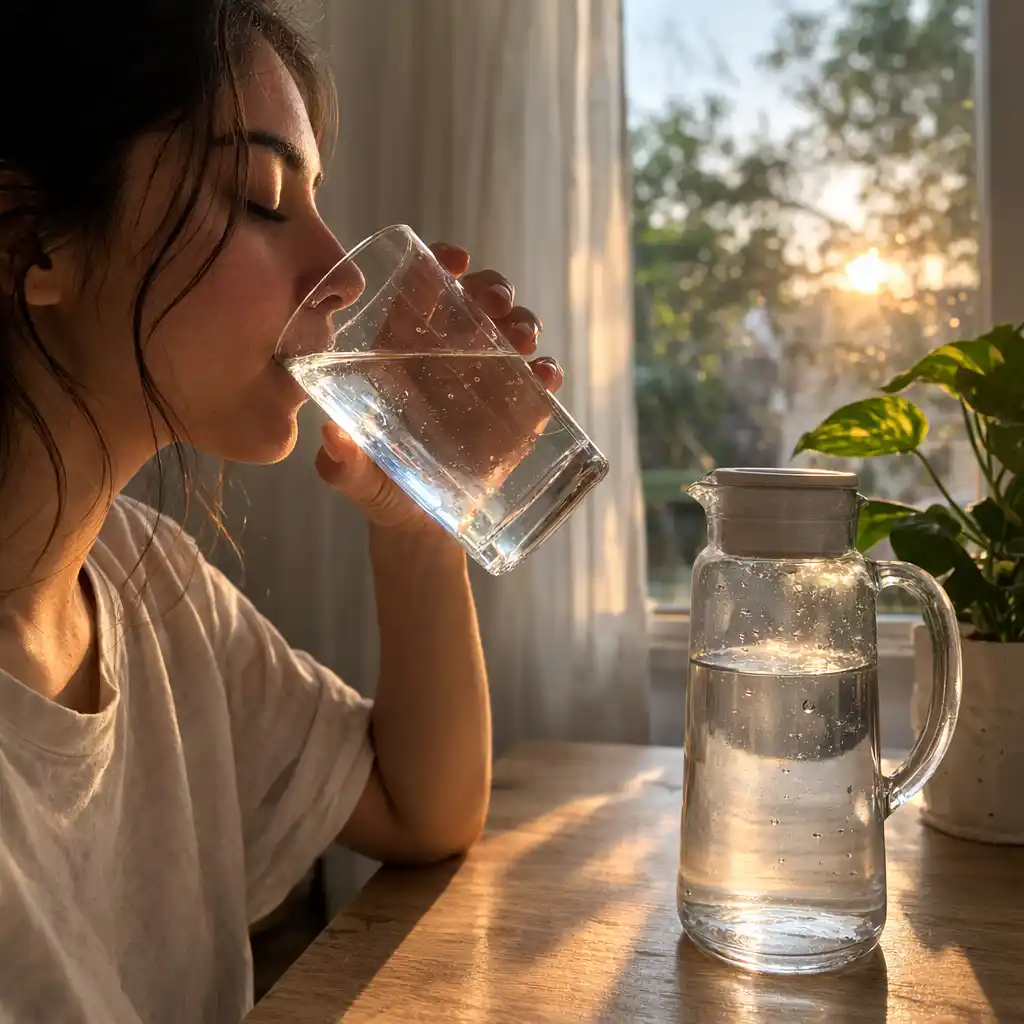
When someone begins a water fast, the body doesn’t immediately enter a dramatic change. During the first 24 hours, it mostly continues using the energy from the last meals consumed before the fast began. The body stores glucose in the liver and muscles in the form of glycogen, and this stored fuel is usually the first source of energy during the early phase of fasting.
At the same time, hydration plays a major role. Drinking water regularly helps maintain fluid balance while the digestive system temporarily rests. Many people researching fasting also explore hydration habits such as detox water for weight loss or simple infused waters, although strict water fasting typically focuses on plain water only.
During this first phase, some people report common experiences such as:
- Mild hunger waves at usual meal times
- Increased awareness of hydration
- Slight fatigue as the body adjusts
These sensations often come and go throughout the day because hunger hormones naturally rise and fall in cycles.
How the Body Changes After 48–72 Hours
As fasting continues into the second and third day, the body begins shifting how it produces energy. When stored glycogen becomes limited, the body gradually starts relying more on stored fat for fuel. This transition is one reason people frequently discuss multi-day fasting online.
Short fasts lasting around three days are often mentioned in beginner fasting discussions. If you want a deeper explanation of this timeframe, you can read more about typical experiences in 3 day fasting benefits, which outlines the phases many people talk about during short fasting periods.
However, it’s important to understand that everyone’s experience varies depending on hydration, activity level, and individual health factors.
Energy Sources During a Water Fast
When learning what is water fasting and how do you do it, understanding energy sources makes the process easier to grasp. The body typically moves through three main energy stages:
| Stage | Energy Source | Approximate Timing |
|---|---|---|
| Early fasting | Stored glycogen | First 24 hours |
| Transition phase | Fat metabolism begins | 24–48 hours |
| Adaptation phase | Greater reliance on stored fat | 48–72 hours |
Hydration continues to matter during all of these stages. Some people researching fasting also look into electrolyte balance, which is why discussions around drinks like natural gatorade recipe sometimes appear in fasting communities, especially when people are concerned about fluid balance.
Pro Tip: If you ever try a short fast, drink water steadily throughout the day rather than large amounts at once. Spacing hydration evenly often feels more comfortable for many people.
Now that we understand the basic body changes during fasting, the next step is to look at why people choose to try water fasting and what motivates these routines today.
PART 3: Reasons People Become Curious About Water Fasting
Why People Ask: What Is Water Fasting and How Do You Do It
Many beginners start searching what is water fasting and how do you do it after seeing fasting routines shared online. Social platforms, discussion forums, and wellness blogs often feature conversations about fasting schedules, hydration habits, and short-term resets. Because of this growing curiosity, the question what is water fasting and how do you do it appears frequently in beginner health discussions.
For some people, learning what is water fasting and how do you do it simply begins with curiosity. They want to understand the process before deciding whether fasting is something they should even consider. Others become interested after seeing short fasting routines discussed in communities that focus on hydration habits, detox drinks, or simplified eating patterns.
Another reason the phrase what is water fasting and how do you do it keeps appearing in search results is the popularity of hydration-focused wellness trends. For example, many readers exploring fasting also read about drinks like lemon cucumber detox water because hydration routines are often mentioned alongside fasting discussions.
Water Fasting and Online Wellness Trends
Online communities have played a major role in making people search what is water fasting and how do you do it more frequently than before. TikTok, Reddit, and wellness blogs often feature people sharing their personal routines or short fasting experiences.
When beginners see these conversations, the next natural step is researching what is water fasting and how do you do it to understand the basics before attempting anything themselves. Many people want clear explanations rather than extreme claims, which is why beginner-friendly guides have become more common.
At the same time, discussions about hydration and simple drinks often appear alongside fasting topics. People exploring what is water fasting and how do you do it sometimes also read about refreshing drinks like lemon water weight loss or other hydration-based habits that support daily routines.
Curiosity vs Practical Lifestyle Changes
For most beginners, learning what is water fasting and how do you do it does not automatically mean they will try a multi-day fast. In many cases, the research stage simply helps them understand how fasting works before deciding what approach feels realistic.
People researching what is water fasting and how do you do it often discover that fasting habits vary widely. Some prefer short fasting windows, while others are simply interested in improving hydration and balanced eating routines.
Because of this, curiosity about what is water fasting and how do you do it often leads to broader lifestyle questions about hydration, meal timing, and daily habits.
Pro Tip: Before attempting any fasting routine, spend a few days focusing on consistent hydration and balanced meals. Many people find that improving daily habits first makes fasting decisions much easier later.
Now that we understand why people search what is water fasting and how do you do it, the next step is learning the basic rules most people follow when trying a water fast.
PART 4: Basic Rules for Water Fasting
Common Guidelines People Follow During a Water Fast
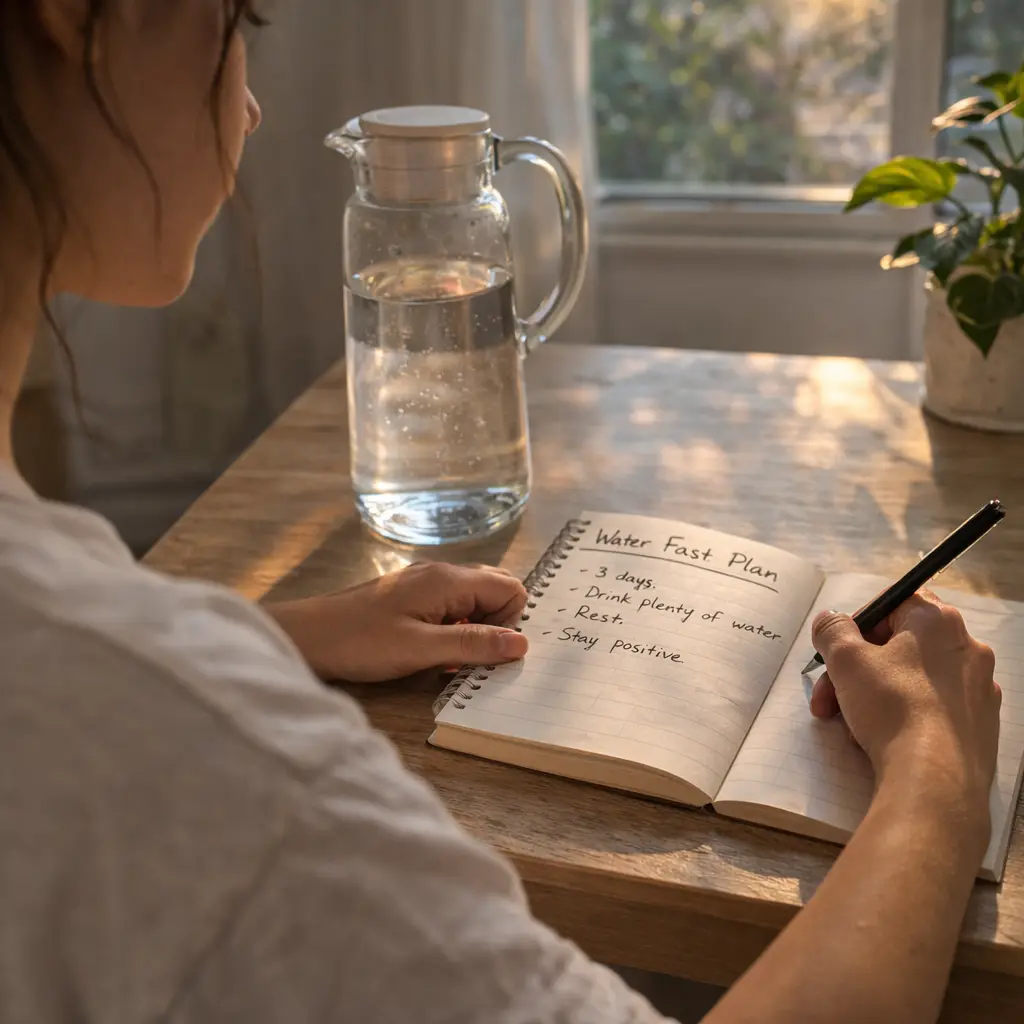
When beginners search what is water fasting and how do you do it, one of the first things they want to know is the basic set of rules. While different fasting approaches exist, most water fasting routines follow a few simple principles that focus on hydration, rest, and awareness of how the body responds.
In its simplest form, understanding what is water fasting and how do you do it means knowing that food and calorie-containing drinks are temporarily avoided while water becomes the main source of hydration. People who practice short fasts often keep their schedule calm and avoid intense physical activity.
Typical water fasting guidelines often include:
- Drinking water throughout the day
- Avoiding food and calorie-containing beverages
- Paying attention to physical signals such as fatigue or dizziness
- Keeping activity light and restful
Many people researching what is water fasting and how do you do it also explore how hydration routines fit into daily habits. For example, some readers look into drinks such as lemon and cucumber water weight loss because infused water habits often appear in wellness discussions related to hydration.
How Much Water to Drink During a Fast
Hydration is one of the most important aspects when learning what is water fasting and how do you do it. While there is no single rule that works for everyone, most people focus on drinking water consistently throughout the day rather than waiting until they feel very thirsty.
A common guideline often mentioned in hydration discussions is drinking water regularly in small amounts rather than large quantities all at once. This steady approach may feel more comfortable and helps maintain fluid balance.
Some people also explore electrolyte support while researching what is water fasting and how do you do it, especially during longer fasting discussions. In those cases, guides like natural alternative to gatorade are sometimes mentioned when people talk about hydration and electrolyte balance.
What You Can and Cannot Consume
Another common beginner question when researching what is water fasting and how do you do it is whether anything besides water is allowed. In strict water fasting routines, plain water is typically the only drink consumed.
However, beginners often wonder about drinks like herbal tea or lemon water. These questions appear frequently in online discussions, which is why articles like can I drink herbal tea while fasting exist to explain how different drinks may affect fasting routines.
It’s also important to remember that many people researching what is water fasting and how do you do it eventually discover that fasting approaches vary widely. Some prefer strict water-only routines, while others choose gentler methods that allow certain beverages.
Pro Tip: If you’re curious about fasting, try improving hydration habits for a week first. Many people find that simply drinking enough water each day helps them understand how their body responds before attempting fasting routines.
Now that the basic rules are clearer, the next step is understanding what many people say happens during a three-day water fast and how the body may respond during that time.
PART 5: What Happens During a 3-Day Water Fast
Day 1 Changes in the Body
When people research what is water fasting and how do you do it, they often want to understand what happens during a short fasting period. The first day of a water fast usually feels similar to a normal day with slightly longer gaps between meals. During this early stage, the body still uses stored glucose from previous meals for energy.
As people continue learning what is water fasting and how do you do it, they often discover that hydration plays a central role during the first 24 hours. Drinking water regularly helps support normal body functions while food intake pauses temporarily. Many beginners also read hydration guides such as how to make lemon water for weight loss because simple water-based drinks are often discussed alongside fasting routines.
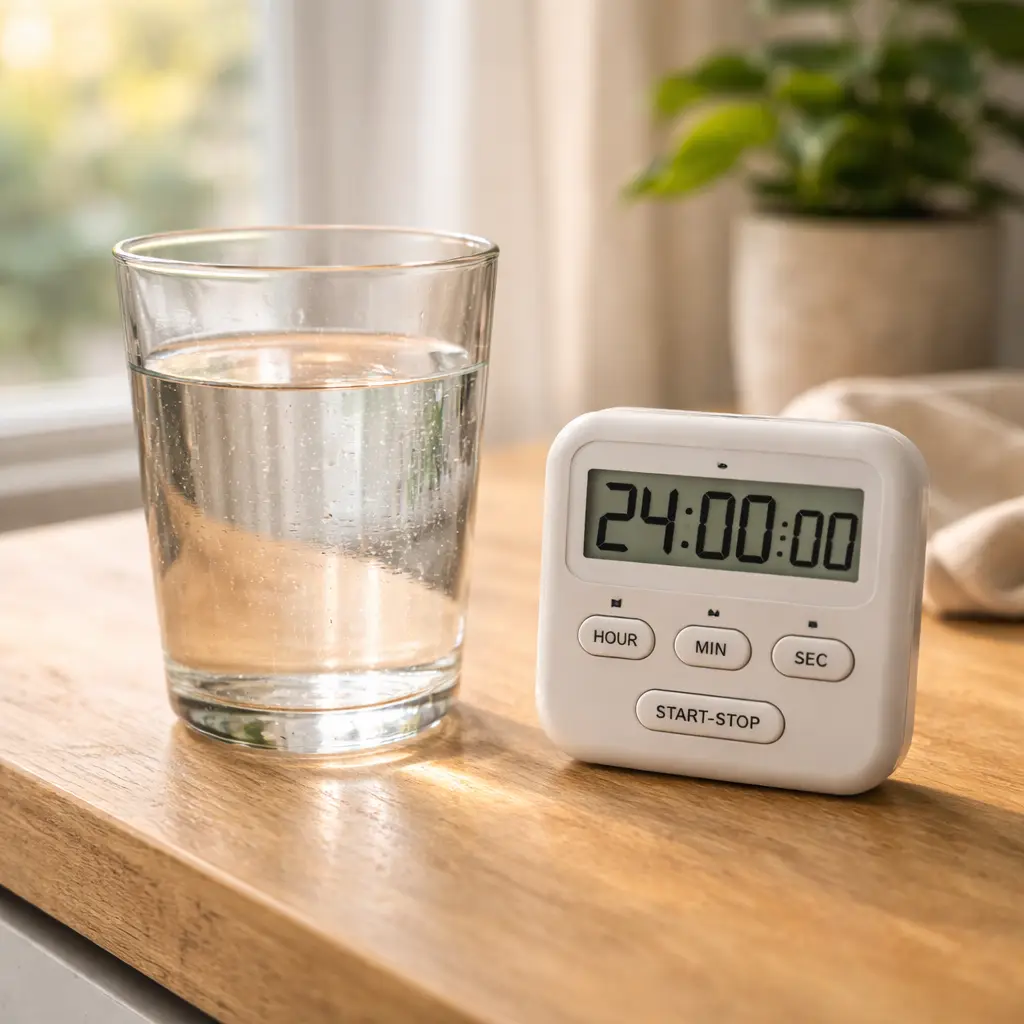
Some individuals notice mild hunger waves during the first day. These waves often appear around usual meal times because the body is used to a routine eating schedule.
Day 2 and Energy Adaptation
By the second day, people exploring what is water fasting and how do you do it may read that the body gradually shifts its energy strategy. As stored glycogen decreases, the body begins relying more on fat stores for fuel. This metabolic adjustment is one reason short multi-day fasts are frequently discussed online.
People researching what is water fasting and how do you do it often encounter hydration conversations at this stage as well. Some readers become curious about simple drinks like ginger lemon honey tea, although traditional water fasting usually focuses strictly on plain water.
Energy levels during the second day vary widely. Some individuals feel calm and focused, while others may notice fatigue or reduced physical strength.
Day 3 and Metabolic Adjustment
By the third day, the body has typically adapted further to using stored energy sources. When beginners search what is water fasting and how do you do it, they often learn that the third day is where many fasting discussions focus, because the body has moved deeper into its fasting state.
Hydration remains essential at this stage. People studying what is water fasting and how do you do it frequently continue prioritizing water intake and rest while avoiding heavy physical activity.
At this point, some people also begin planning how they will break the fast. Gentle foods and simple meals are often recommended after fasting periods to allow digestion to resume gradually.
Pro Tip: If you ever try a short fast, plan your first meal afterward in advance. Many people prefer simple, easy-to-digest foods to help the body transition back to normal eating.
Understanding these short-term changes helps clarify why many beginners ask what is water fasting and how do you do it before attempting a fast themselves. Next, we’ll look at an important question beginners frequently ask: what can you actually put in water while fasting?
PART 6: What You Can Put in Water While Fasting
Plain Water vs Mineral Water
When beginners ask what is water fasting and how do you do it, one of the most common follow-up questions is what exactly can be added to water during a fast. In strict water fasting routines, plain water is usually the only drink allowed. The idea is to avoid calories while maintaining hydration.
Some people prefer filtered water, while others choose mineral water because it naturally contains small amounts of minerals. Those researching what is water fasting and how do you do it often discover that hydration choices can vary slightly depending on personal preference and fasting style.
Many readers exploring hydration habits also become curious about infused water ideas such as lemon cucumber detox water. While these drinks are popular in wellness routines, strict water fasting generally focuses on plain water without added ingredients.
Electrolytes and Fasting
Another topic that often appears when researching what is water fasting and how do you do it is electrolyte balance. Electrolytes are minerals such as sodium and potassium that help support fluid balance in the body.
During longer fasting discussions, some people look into electrolyte beverages or simple hydration mixes. Guides like homemade electrolyte drink are frequently mentioned in hydration conversations, especially when people talk about maintaining fluid balance during extended periods without food.
However, many short fasts lasting 24 hours rely only on regular water intake.
Ingredients People Sometimes Add to Water
When people search what is water fasting and how do you do it, they often wonder if ingredients like lemon slices, herbs, or teas are acceptable. In strict water fasting, these additions are usually avoided because they can slightly change how the fast works.
That said, beginners who are simply learning what is water fasting and how do you do it sometimes start by experimenting with hydration-focused habits instead of strict fasting. For example, many people enjoy refreshing drinks such as lemon and ginger water weight loss as part of daily wellness routines.
Ultimately, the approach depends on personal goals and comfort level.
Pro Tip: If you’re new to fasting discussions, start by improving your daily hydration routine first. Drinking enough water consistently each day often helps people understand their body’s signals before attempting any type of fast.
Now that we’ve covered what can go into water during fasting, the next step is learning how beginners can approach fasting more safely and gradually.
PART 7: How Beginners Can Start Water Fasting Safely
How Should I Fast as a Beginner
When someone first hears about fasting trends online, the question usually begins with curiosity: what is water fasting and how do you do it in a way that actually makes sense for a beginner? Instead of jumping into a strict multi-day fast, many people start by learning the fundamentals and gradually adjusting their daily habits.
Understanding what is water fasting and how do you do it often begins with something simple—paying attention to hydration and meal timing. Beginners frequently notice that once they become more aware of when they eat and how much water they drink, their body signals become easier to recognize.
Many online discussions suggest easing into fasting rather than starting with long fasting windows. People exploring what is water fasting and how do you do it sometimes begin by spacing meals slightly farther apart or by focusing on drinking water consistently during the day. These smaller adjustments allow the body to adapt gradually.
Preparing Your Body Before a Water Fast
Preparation is one of the most overlooked steps when people research what is water fasting and how do you do it. Instead of starting suddenly, many people prefer to spend a few days eating lighter meals and increasing their hydration habits.
This preparation phase helps create a smoother transition if someone decides to try a short fast. For example, some readers explore simple hydration ideas like detox water for weight loss or other refreshing drinks while focusing on balanced meals before fasting.
Learning what is water fasting and how do you do it also includes understanding that preparation helps reduce discomfort. Drinking water regularly, reducing heavy meals beforehand, and planning restful activities during the fasting period can make the process feel less overwhelming.
How to Break a Fast Properly
Another important part of understanding what is water fasting and how do you do it is knowing how to end the fast gently. After a period without food, the digestive system may respond better to light meals rather than large portions.
Many people who study what is water fasting and how do you do it recommend beginning with easy-to-digest foods. For example, simple meals like rice porridge are often suggested after fasting periods. A gentle option that many people enjoy is congee breakfast recipe because it is warm, simple, and easy on digestion.
Breaking a fast slowly gives the body time to adjust back to normal eating patterns.
Pro Tip: Plan your first meal after fasting before you even begin. Knowing exactly what you will eat helps avoid overeating and makes the transition back to regular meals much smoother.
Learning what is water fasting and how do you do it step by step allows beginners to approach the idea with more awareness and fewer surprises. In the next section, we’ll look at something equally important—the potential risks of water fasting and who should avoid it altogether.
PART 8: Potential Risks and Who Should Avoid Water Fasting
Short-Term Effects Some People Notice
As more people search what is water fasting and how do you do it, they often begin to learn that fasting can feel very different from person to person. While some individuals describe short fasting periods as manageable, others report temporary effects such as fatigue, headaches, or dizziness.
These reactions are one reason why beginners researching what is water fasting and how do you do it are usually encouraged to approach fasting cautiously. The body is used to receiving regular meals, so removing food for a period of time may cause noticeable changes in energy levels.
Hydration plays an important role here as well. Many people exploring what is water fasting and how do you do it focus heavily on maintaining fluid intake during fasting periods. Guides that discuss hydration habits—such as does drinking water help lose weight—are often read alongside fasting articles because water intake becomes even more important when meals are paused.
People Who Should Avoid Long Fasting Periods
Another key part of learning what is water fasting and how do you do it is recognizing that fasting is not suitable for everyone. Certain individuals should avoid fasting or only consider it under professional supervision.
For example, fasting may not be appropriate for:
- Pregnant or breastfeeding individuals
- People with certain medical conditions
- Individuals taking medications that require food
- Those with a history of disordered eating
When researching what is water fasting and how do you do it, many readers discover that fasting discussions online sometimes overlook these important considerations. Personal health circumstances always matter, and what works for one person may not work for another.
Why Professional Guidance Matters
One of the most responsible steps someone can take while researching what is water fasting and how do you do it is speaking with a qualified health professional before attempting longer fasts. Professional guidance can help determine whether fasting is appropriate for a specific individual.
Some people who decide not to try water fasting instead explore gentler approaches such as improving hydration habits, trying balanced eating patterns, or focusing on simple drink routines. Articles like healthy drinks for weight loss often attract readers who are interested in supportive daily habits rather than strict fasting methods.
Understanding what is water fasting and how do you do it includes recognizing both the curiosity surrounding fasting and the importance of careful decision-making.
Pro Tip: If you are unsure whether fasting is right for you, begin by improving everyday habits like hydration, balanced meals, and consistent sleep. These simple changes often provide benefits without requiring strict fasting routines.
Now that we’ve discussed possible risks and important considerations, the final section will look at gentler alternatives to water fasting that many beginners find easier to maintain.
PART 9: Alternatives to Water Fasting for Beginners
Gentler Approaches Many People Try First
When people begin researching what is water fasting and how do you do it, they often discover that strict fasting is not the only option. In fact, many beginners prefer exploring gentler routines that focus on hydration, balanced meals, and mindful eating habits rather than immediately attempting a full water-only fast.
Understanding what is water fasting and how do you do it sometimes leads readers to realize that improving everyday routines can be a more comfortable starting point. Instead of removing food completely, some people begin by drinking more water during the day, eating lighter meals in the evening, or spacing meals slightly farther apart.
Many hydration-focused habits appear in the same conversations as fasting. For example, people curious about what is water fasting and how do you do it often explore refreshing drink ideas like lemon water weight loss or simple infused water routines that encourage better hydration throughout the day.
Balanced Eating After Learning About Fasting
Another common outcome when someone researches what is water fasting and how do you do it is a greater awareness of food choices. Instead of focusing only on fasting, some people shift toward balanced meals and nutrient-dense foods that support steady energy levels.
This approach can feel more sustainable for many beginners. After learning what is water fasting and how do you do it, readers sometimes decide that improving meal quality and hydration is a better long-term strategy than strict fasting routines.
Simple habits—like planning nutritious breakfasts or preparing healthy snacks—can help create a consistent eating rhythm. If you’re exploring balanced meal ideas, guides like high protein breakfast ideas can provide inspiration for starting the day with nourishing foods.
Listening to Your Body’s Signals
One of the most valuable lessons people gain while researching what is water fasting and how do you do it is learning to pay attention to their body’s signals. Hunger patterns, hydration levels, and energy fluctuations all provide useful feedback about daily habits.
For many readers, this awareness becomes more important than the fasting routine itself. Learning what is water fasting and how do you do it often opens the door to broader wellness questions—how to stay hydrated, how to maintain steady energy, and how to build sustainable habits.
Pro Tip: Instead of focusing only on fasting, try building a daily routine that includes regular hydration, balanced meals, and enough rest. These small habits often support long-term wellness far better than extreme routines.
With these alternatives in mind, the next section will answer some of the most common questions beginners ask about water fasting.
FAQ: Common Questions About Water Fasting
What are the rules for water fasting?
When people ask what is water fasting and how do you do it, they are usually looking for the basic rules. In most discussions, water fasting simply means drinking only water for a set period of time while avoiding solid foods and calorie-containing drinks.Typical guidelines often include staying hydrated throughout the day, avoiding heavy physical activity, and paying attention to how the body responds. People who are researching what is water fasting and how do you do it often read about different fasting styles online, including traditional approaches such as Japanese water fasting, which emphasize hydration routines and structure.
What do 3 days of water fasting do to your body?
Another common question beginners ask while learning what is water fasting and how do you do it is what happens during a short fast lasting three days. In general discussions, people describe a gradual shift in how the body uses stored energy when food intake pauses for a short period.During the first day, the body typically uses stored glucose for energy. As fasting continues, energy use may shift toward stored fuel sources. Many readers interested in what is water fasting and how do you do it explore short fasting explanations in guides such as 3 day fasting benefits, which describe the stages people commonly discuss in fasting communities.
What do you put in water when fasting?
People researching what is water fasting and how do you do it often wonder if they can add anything to their water. In strict water fasting routines, plain water is usually recommended without additional ingredients.However, some individuals exploring hydration habits look at drinks like herbal tea or lemon water as part of broader wellness routines. If you are curious about beverage options during fasting periods, you may find helpful insights in can you have lemon water while fasting, which discusses how certain drinks may affect fasting approaches.
How should I fast as a beginner?
For beginners who are still learning what is water fasting and how do you do it, the most common advice is to start gradually. Instead of attempting a long fast immediately, many people begin by improving hydration habits and spacing meals more intentionally.Some readers also focus on building balanced meal routines before trying fasting. Preparing nourishing meals like those found in high protein breakfast ideas can help create a stable routine before exploring fasting methods.This article is shared for informational purposes only and is not a substitute for professional medical advice. If you are considering fasting, consulting a qualified healthcare professional can help you make safe decisions based on your personal health needs.
Conclusion: Understanding Water Fasting Before Trying It
After reading through this guide, the question what is water fasting and how do you do it should feel much clearer. At its simplest, water fasting refers to a short period where someone drinks only water and pauses food intake while paying close attention to hydration and rest.
Many people first search what is water fasting and how do you do it after seeing fasting discussions online. However, as we explored throughout this article, fasting is not only about skipping meals. It also involves understanding hydration, preparing the body beforehand, and returning to normal eating gradually.
If you’re still curious about what is water fasting and how do you do it, remember that beginners often benefit from focusing on simple habits first. Drinking enough water daily, building balanced meals, and developing consistent eating patterns can be helpful steps before considering any fasting routine.
For readers interested in hydration habits and daily drink routines, you may also enjoy exploring ideas like healthy drinks for weight loss, which highlight simple beverage options that fit into everyday wellness habits.
Many readers who research what is water fasting and how do you do it eventually realize that wellness doesn’t come from one single method. Small daily routines—hydration, balanced meals, and good rest—often matter far more than extreme approaches.
If you enjoy discovering simple recipes, drinks, and wellness-friendly ideas, you can also connect with the HeartlyRecipes community here:
• Follow HeartlyRecipes on Facebook
• Find more recipe inspiration on Pinterest
Learning what is water fasting and how do you do it is ultimately about understanding your body, making informed choices, and choosing routines that feel sustainable for your lifestyle.
This article is shared for informational purposes only and is not a substitute for professional medical advice. If you are considering fasting, consult a qualified healthcare professional to determine what is appropriate for your personal health situation.