I’m Sifaw, and in my kitchen I’m always curious about how simple ingredients can turn into refreshing drinks. Recently, I noticed many conversations online—especially on food forums and short video platforms—about cold-pressed juice. People are asking what makes it different from regular juice, whether it’s worth making at home, and how to choose good ingredients.
Cold-pressed juice has become a popular drink among people who enjoy fresh fruit and vegetable blends. Unlike typical juices made with fast-spinning blades, this method slowly presses fruits and vegetables to extract liquid. The result is a drink many people describe as vibrant, fresh, and naturally flavorful.
In this guide, we’ll walk through everything you need to know about cold-pressed juice in a simple and practical way. If you’re new to juicing or simply curious about healthier drink options, this article will help you understand the basics and give you useful ideas you can try in your own kitchen.
Along the way, we’ll cover:
- What cold-pressed juice actually is and how it’s made
- The types of fruits and vegetables commonly used in fresh juice blends
- Differences between cold-pressed juice and other drinks like smoothies or bottled juice
- Easy ways to prepare juice at home
- Tips for storing fresh juice and choosing quality ingredients
If you’re already exploring juicing, you might also enjoy browsing different fresh drink ideas and wellness beverages in our recipe collection. Looking for inspiration? Try our guide to juicer recipes for gut health to see how simple ingredient combinations can create refreshing drinks.
By the end of this article, you’ll have a clear understanding of how cold-pressed juice works, why people enjoy it, and how you can start making your own blends at home using everyday fruits and vegetables.
Before we continue, a quick note: this article shares food ideas and traditional beverage practices for informational purposes only. It is not intended to replace professional medical advice.
What Is Cold-Pressed Juice?
Cold-pressed juice is a type of fresh juice made by slowly pressing fruits and vegetables to extract liquid without using fast spinning blades. This method uses pressure rather than heat or rapid motion, which helps keep the natural taste of the ingredients intact. Many people enjoy coldpressed juice because it feels closer to eating fresh produce in liquid form.
Definition of Cold-Pressed Juice
In simple terms, coldpressed juice is juice created with a hydraulic or slow-press juicer. The machine crushes fruits and vegetables first, then presses the pulp to squeeze out the liquid. Because the process is slower than traditional juicers, the juice often appears smoother and less foamy.
The ingredients used in cold-pressed juice can vary widely. Some blends focus on fruits like apples, pineapples, and berries, while others highlight vegetables such as kale, cucumber, celery, or beetroot. If you enjoy experimenting with vegetable juices, you might also like trying recipes from our guide to beet juice recipe juicing, which shows how root vegetables can create flavorful juice blends.
How Cold-Pressed Juicing Works
The cold-press method usually follows two main steps:
- Grinding or crushing fruits and vegetables into pulp
- Pressing the pulp with strong pressure to extract the liquid
This slow extraction process helps separate the juice from the fiber without generating much heat. As a result, the juice keeps its fresh taste and natural color.
Because the method relies on pressing rather than spinning, many juice bars and home juicing enthusiasts prefer this technique when making nutrient-rich drinks and vegetable blends.
Difference Between Cold-Pressed Juice and Regular Juice
Traditional juicers typically use spinning blades that cut and spin produce quickly to separate juice from pulp. While this method is fast and convenient, the process introduces more air into the juice.
Coldpressed juice, on the other hand, is created with slow pressure. The drink usually appears thicker and may stay fresh longer when stored properly. Many people enjoy the flavor profile because it highlights the natural sweetness and freshness of the ingredients.
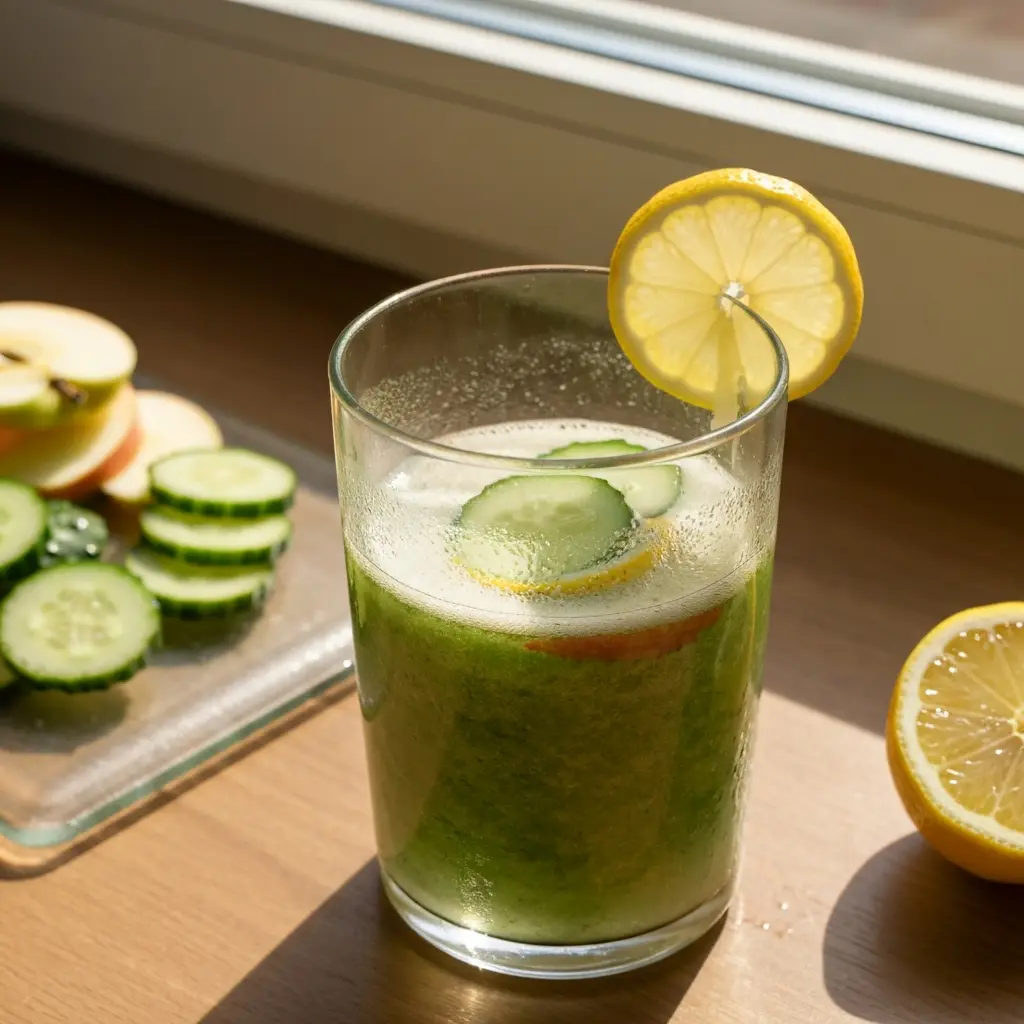
If you’re interested in other refreshing fruit and vegetable drink combinations, you might also enjoy this tropical blend from our recipe collection: pineapple cucumber detox drink, which combines crisp cucumber with sweet pineapple for a bright, refreshing beverage.
Pro Tip: When starting with cold-pressed juice, begin with simple combinations like apple, cucumber, and lemon. These ingredients blend easily and help balance sweetness with freshness.
How Cold-Pressed Juice Is Made
Understanding how coldpressed juice is made helps explain why many people enjoy its fresh flavor and smooth texture. The process focuses on gently extracting liquid from fruits and vegetables without the high-speed spinning used by standard juicers. Because the ingredients are pressed slowly, the resulting juice often tastes vibrant and balanced.
The Cold-Press Extraction Process
The cold-press method typically follows a two-step process designed to extract juice carefully from whole produce.
First, fruits and vegetables are crushed into pulp. This breaks down the structure of the ingredients so the liquid inside can be released. Next, the pulp is pressed using strong pressure to squeeze out the juice.
This method works well for many ingredients such as apples, spinach, cucumbers, carrots, celery, and beets. For example, vegetable juices made with root vegetables can create rich flavors. If you enjoy experimenting with vegetable-based drinks, take a look at our guide on beet juice recipe blender, which shows another way to prepare beet-based drinks at home.
Hydraulic Press vs Traditional Juicers
Cold-pressed juice is usually produced using a masticating juicer or hydraulic press. These machines work slower than centrifugal juicers but are designed to extract more liquid from the pulp.
Here is a quick comparison:
| Juicing Method | How It Works | Typical Result |
|---|---|---|
| Cold-Press Juicer | Crushes then presses produce slowly | Smooth texture and vibrant flavor |
| Centrifugal Juicer | Uses fast spinning blades | Lighter juice with more foam |
| Blender Method | Blends ingredients then strains | Thicker juice-like drink |
Because cold-press juicers operate slowly, they often handle leafy greens and fibrous vegetables more effectively than fast-spinning machines.
Steps in Producing Fresh Cold-Pressed Juice
The process of making coldpressed juice usually includes the following steps:
- Wash and prepare fruits and vegetables
- Cut ingredients into manageable pieces
- Feed them into a slow juicer or crushing chamber
- Press the pulp to extract the juice
- Collect the fresh juice and store it in a sealed glass container
Many people like to combine sweet fruits with refreshing vegetables. A classic combination includes apple, cucumber, celery, and lemon. For another refreshing vegetable drink idea, you might enjoy our guide to kidney cleanse juice, which features vegetable-focused juice blends often used in juice routines.
Pro Tip: Chill fruits and vegetables before juicing. Cold ingredients often produce a more refreshing cold-pressed juice, especially when served immediately after pressing.
Ingredients Commonly Used in Cold-Pressed Juice
One of the most enjoyable parts of making cold-pressed juice is choosing the ingredients. Because coldpressed juice relies on fresh fruits and vegetables, the flavor of each ingredient becomes noticeable in the final drink. Many home juicers experiment with seasonal produce to keep their cold-pressed juice blends interesting and naturally refreshing.
Fruits Often Used in Cold-Pressed Juice
Sweet fruits are frequently added to coldpressed juice to balance the earthy flavor of vegetables. Apples are one of the most common ingredients because they add gentle sweetness and help create a smooth texture in cold-pressed juice blends. Pineapple, oranges, berries, and mango are also popular choices for anyone making coldpressed juice at home.
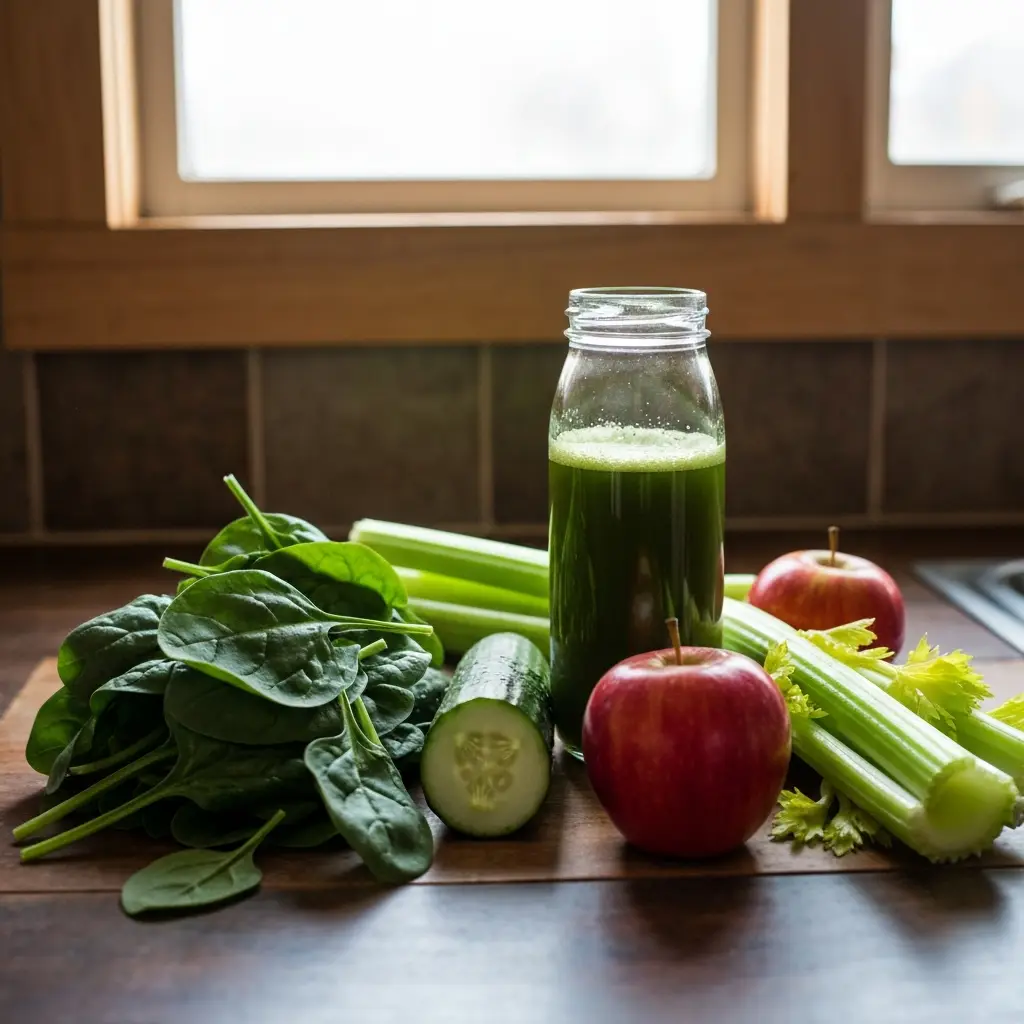
These fruits mix well with leafy greens and other vegetables, making them a flexible base for many cold-pressed juice recipes. People who enjoy tropical flavors sometimes combine pineapple with cucumber or mint to create bright coldpressed juice combinations. If you enjoy refreshing fruit-based drinks, you might also like this guide to a crisp pineapple cucumber detox drink, which pairs sweet fruit with cooling vegetables.
Vegetables Popular in Fresh Juice Blends
Vegetables play an important role in many cold-pressed juice recipes because they add balance and variety. Cucumber is one of the most common ingredients used in cold-pressed juice, thanks to its high water content and light flavor. Celery, kale, spinach, and carrots also appear often in cold-pressed juice blends.
Root vegetables such as beetroot bring deeper color and earthy notes to cold-pressed juice, making them popular in vegetable-focused juice recipes. Some people enjoy combining beetroot with apples and ginger to create a bold coldpressed juice that feels rich and vibrant. If you enjoy experimenting with vegetable juices, take a look at our detailed guide on beet juice recipe juicing for ideas you can adapt into your own cold-pressed juice blends.
Herbs and Flavor Add-Ins for Cold-Pressed Juice
Small additions can change the flavor of coldpressed juice in surprising ways. Herbs and spices are often used to add freshness and depth to cold-pressed juice without overpowering the fruits and vegetables.
Common add-ins for cold-pressed juice include:
- Fresh ginger
- Mint leaves
- Lemon or lime
- Turmeric root
- Parsley
These ingredients are usually added in small amounts so the cold-pressed juice keeps its natural balance. Ginger adds warmth, mint provides cooling freshness, and citrus can brighten almost any cold-pressed juice blend.
Pro Tip: When creating your own coldpressed juice, combine one sweet fruit, one hydrating vegetable like cucumber, and one flavor booster such as ginger or lemon. This simple ratio helps keep the cold-pressed juice balanced and refreshing.
Cold-Pressed Juice Benefits and Nutritional Value
Many people enjoy coldpressed juice because it delivers the natural flavor of fruits and vegetables in a refreshing drink. Since cold-pressed juice is made by slowly pressing fresh ingredients, the taste often reflects the original produce more clearly than many bottled juices. For those who enjoy fresh beverages, adding cold-pressed juice to a balanced diet can simply be a flavorful way to include more fruits and vegetables in daily meals.
Vitamins and Nutrients in Cold-Pressed Juice
Fresh fruits and vegetables naturally contain vitamins, minerals, and plant compounds that contribute to their bright flavors and colors. When these ingredients are used to make cold-pressed juice, many of those nutrients remain present in the liquid. Common ingredients such as carrots, apples, spinach, and cucumbers are frequently included in coldpressed juice because they bring both flavor and nutritional variety.
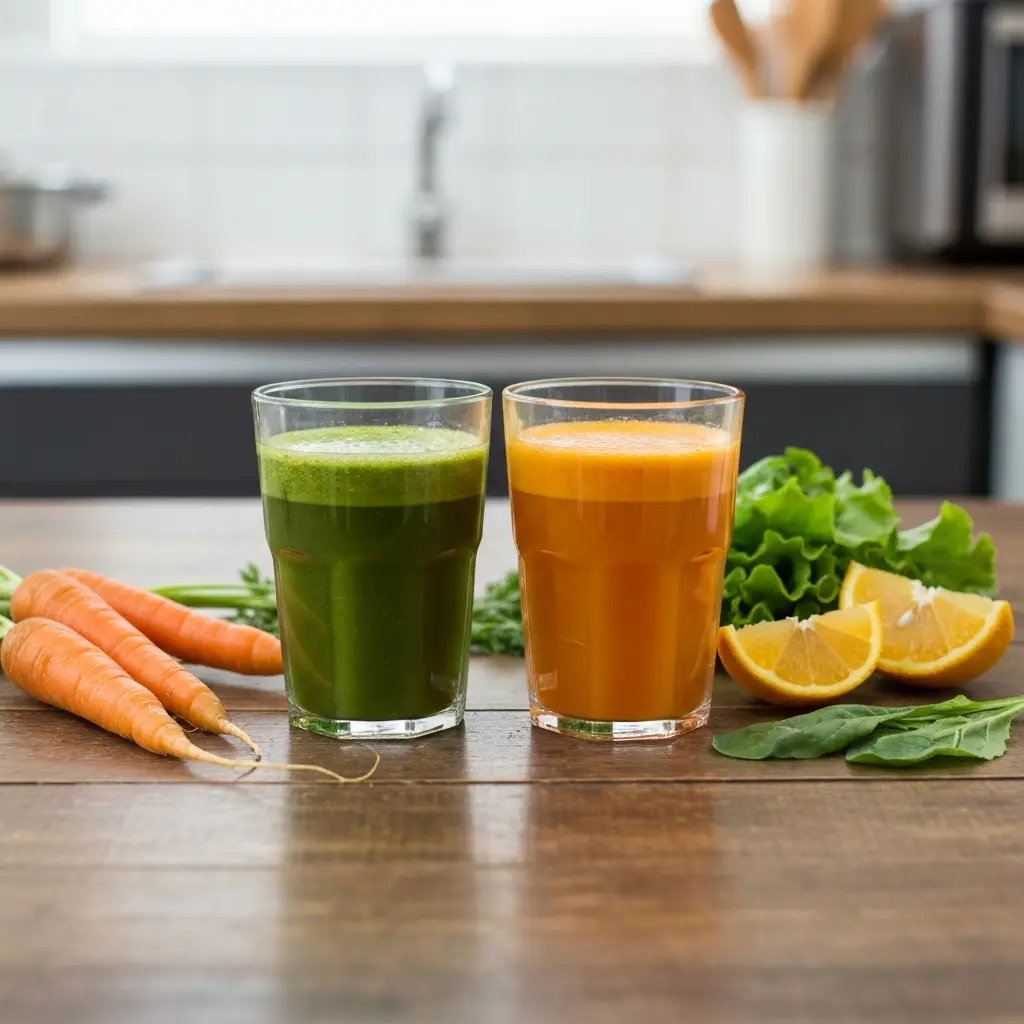
For example, beetroot-based drinks are often appreciated for their bold color and earthy taste. If you enjoy vegetable-forward drinks, you might like exploring different beet-based blends in this guide to beet juice recipe juicing, which shares simple ways to prepare fresh vegetable juices that can complement cold-pressed juice routines.
Hydration and Natural Energy From Juice
Because many fruits and vegetables contain a high amount of water, cold-pressed juice can feel very refreshing, especially when served chilled. Ingredients like cucumber, watermelon, and citrus fruits are often included in cold-pressed juice because they add both hydration and bright flavor.
Some people enjoy drinking cold-pressed juice in the morning as a light start to the day, while others prefer it as a midday refreshment. Drinks that combine hydrating ingredients—such as cucumber and pineapple—are particularly popular for warm weather. If you enjoy refreshing fruit and vegetable combinations, take a look at this cooling blend featured in our pineapple cucumber detox drink guide.
Why Some People Choose Cold-Pressed Juice
There are many reasons why people add coldpressed juice to their routine. Some enjoy the taste of fresh ingredients, while others appreciate the convenience of drinking fruits and vegetables in liquid form. Juice enthusiasts often experiment with different ingredient combinations to create unique cold-pressed juice blends that suit their taste preferences.
Others explore juice routines that include vegetable-heavy drinks or short-term juice plans. If you’re curious about these approaches, our article on juice cleanse tips discusses practical considerations people often think about before starting a juice-focused routine that may include cold-pressed juice.
Pro Tip: For balanced flavor, many home juicers follow a simple formula for coldpressed juice: one sweet fruit, one leafy green or vegetable, and one citrus ingredient. This combination often produces a refreshing drink that is both bright and naturally balanced.
Cold-Pressed Juice vs Other Juice Types
When people first hear about coldpressed juice, they often wonder how it compares to other popular drinks like smoothies, bottled juice, or juice made with traditional juicers. While all of these beverages can include fruits and vegetables, the preparation method changes the texture, flavor, and overall experience of the drink.
Cold-Pressed Juice vs Centrifugal Juice
The biggest difference between coldpressed juice and centrifugal juice comes from how the liquid is extracted. Centrifugal juicers rely on fast spinning blades that separate juice from pulp using speed. This method works quickly, which is why many home juicers use it.
A slow press method, however, gently crushes fruits and vegetables before pressing the pulp. Because of this slower process, cold-pressed juice often has a smoother texture and deeper flavor. Many people say the drink tastes closer to fresh produce.
Another noticeable difference is foam. Centrifugal juicing can introduce more air into the liquid, which sometimes creates a foamy layer on top. Coldpressed juice usually appears denser and slightly thicker because it contains less air from the extraction process.
Cold-Pressed Juice vs Smoothies
Smoothies and juice drinks are often grouped together, but they are quite different. Smoothies blend the entire fruit or vegetable, including the fiber, while cold-pressed juice separates the liquid from the pulp.
Because smoothies keep the fiber, they are thicker and more filling. Coldpressed juice, on the other hand, is lighter and easier to sip quickly. Some people enjoy smoothies as meal replacements, while others prefer a glass of cold-pressed juice as a refreshing drink between meals.
For example, people who enjoy blended drinks often experiment with fruit smoothies or vegetable smoothies in addition to juicing. If you enjoy drinkable fruit blends, you may also enjoy this guide to refreshing beverage ideas like a homemade natural Gatorade recipe made with simple ingredients.
Cold-Pressed Juice vs Store-Bought Juice
Many grocery stores sell bottled juices, but these drinks are often processed differently from cold-pressed juice. Store-bought juice may go through heat processing or filtration steps to extend shelf life.
Fresh coldpressed juice is usually consumed sooner after preparation, which is why many juice bars prepare small batches daily. The flavor of freshly pressed produce is one reason people enjoy making cold-pressed juice at home.
If you enjoy learning about refreshing drinks made from natural ingredients, you might also like exploring creative hydration options such as our guide to a simple homemade electrolyte drink that combines fruit, water, and minerals for a refreshing beverage.
Pro Tip: If you’re choosing between different drink styles, think about your goal. Smoothies work well when you want a thicker drink, while cold-pressed juice is often preferred when you want something lighter and refreshing.
How to Make Cold-Pressed Juice at Home
Making cold-pressed juice at home can be a fun way to experiment with fresh fruits and vegetables. While many people discover coldpressed juice at juice bars, preparing it in your own kitchen allows you to choose the ingredients and create flavors you enjoy most. With a few basic tools and fresh produce, anyone can start making cold-pressed juice with simple combinations.

Equipment Needed for Cold-Pressed Juicing
The most common tool used to prepare coldpressed juice at home is a slow or masticating juicer. These machines crush produce before pressing the pulp to release the liquid. Because the process is slower than traditional juicers, it helps extract juice more gently.
Here are a few tools that are commonly used for cold-pressed juice preparation:
- Slow or masticating juicer
- Cutting board and knife
- Fresh fruits and vegetables
- Glass bottles or jars for storage
Some people also experiment with blender-based methods when a juicer is not available. In that case, ingredients are blended and then strained to create a juice-like drink. If you’re curious about alternative juice methods, this guide to beet juice recipe blender explains how certain vegetable juices can be prepared without a traditional juicer.
Easy Cold-Pressed Juice Recipe Ideas
Once you have the equipment ready, making coldpressed juice becomes simple. Many beginners start with balanced combinations of fruit and vegetables. Here are a few popular ideas for cold-pressed juice blends:
| Juice Blend | Key Ingredients | Flavor Profile |
|---|---|---|
| Green Fresh Juice | Apple, cucumber, spinach, lemon | Light and refreshing |
| Citrus Veggie Juice | Orange, carrot, ginger | Bright and slightly sweet |
| Root Vegetable Juice | Beetroot, apple, carrot | Earthy and naturally sweet |
People who enjoy vegetable-forward drinks often experiment with root vegetables, citrus fruits, and leafy greens when preparing coldpressed juice. For another refreshing produce-based beverage, you might enjoy our guide to pineapple cucumber detox drink, which combines hydrating ingredients with bright tropical flavor.
Storage Tips for Fresh Juice
Fresh cold-pressed juice is often best enjoyed soon after preparation. However, it can also be stored in the refrigerator for a short period when sealed in airtight containers. Glass bottles are commonly used because they help maintain the freshness of cold-pressed juice.
A few simple storage tips include:
- Fill bottles close to the top to reduce air exposure
- Store the juice in the coldest part of the refrigerator
- Shake gently before drinking if natural separation occurs
If you’re exploring different fresh drink routines, you may also find helpful ideas in our article about juice cleanse tips, which discusses ways people incorporate fresh juices into daily beverage habits.
Pro Tip: When preparing cold-pressed juice at home, start with ingredients that have high water content—such as cucumber, celery, or watermelon. These ingredients help produce more juice and make the process easier for beginners.

Tips for Choosing Quality Cold-Pressed Juice
The first time I visited a small neighborhood juice bar, I noticed something interesting. The staff prepared each drink with a short list of ingredients—fresh fruits, crisp vegetables, and a slow juicer quietly pressing everything together. Watching that process made me realize that the quality of cold-pressed juice often begins with the ingredients themselves. Whether you’re buying from a juice shop or making it at home, a few simple checks can help you recognize a well-made cold-pressed juice.
Reading Juice Labels and Ingredient Lists
If you’re purchasing cold-pressed juice from a store or juice bar, the ingredient list is usually the best place to start. Many fresh juices contain only fruits, vegetables, and sometimes herbs or spices. Short ingredient lists often suggest the drink was prepared with minimal processing.
When reviewing labels, you might see combinations like apple, celery, cucumber, lemon, or ginger. These simple ingredients are commonly used in coldpressed juice because they create balanced flavors without the need for extra additives. Some juice bars also rotate seasonal ingredients to keep their coldpressed juice menu fresh and interesting.
Signs of Fresh and High-Quality Juice
A well-prepared cold-pressed juice often looks vibrant and natural in color. Green juices may appear deep emerald from leafy vegetables, while beet or carrot blends can show bright red or orange tones. Natural separation can also occur in coldpressed juice, which is completely normal because the drink contains fresh plant liquids.
Fresh aroma is another sign people often notice when opening a bottle of cold-pressed juice. Ingredients like citrus, ginger, or herbs can create a clean scent that reflects the produce used in the blend.
Some juice enthusiasts enjoy experimenting with different produce combinations at home as well. If you like exploring vegetable-based drinks, you might enjoy learning about different juicing approaches in this guide to juicer recipes for gut health, which shares creative ingredient ideas.
Buying From Juice Bars vs Making Juice at Home
There are two common ways people enjoy coldpressed juice: buying it from a juice bar or preparing it in their own kitchen. Juice bars often have professional equipment that presses large batches of cold-pressed juice, making it convenient for people who want a fresh drink on the go.
Home juicing, however, gives you full control over ingredients. Many people enjoy experimenting with fruits, vegetables, herbs, and spices to create unique cold-pressed juice combinations. For example, cucumber and citrus blends are popular for their refreshing flavor. If you enjoy light fruit and vegetable drinks, you might also enjoy this refreshing recipe for pineapple cucumber detox drink, which pairs hydrating ingredients in a simple beverage.
Pro Tip: When selecting ingredients for homemade juice, choose produce that feels firm, bright in color, and naturally fragrant. Fresh ingredients are one of the easiest ways to improve the flavor of your coldpressed juice.
FAQ About Cold-Pressed Juice
What makes cold-pressed juice different from regular juice?
The main difference lies in the extraction method. Cold-pressed juice is produced by slowly pressing fruits and vegetables rather than spinning them at high speed. This process gently extracts liquid from produce and usually results in a smoother texture. Regular juice from centrifugal machines is made more quickly but may contain more air and foam.
Is cold-pressed juice healthier than regular juice?
Many people choose coldpressed juice because it highlights the natural flavor of fresh fruits and vegetables. However, both traditional juice and cold-pressed juice can be part of a balanced diet depending on the ingredients used. The most important factor is the quality and variety of produce included in the drink.
How long does cold-pressed juice stay fresh?
Fresh coldpressed juice is usually best enjoyed within one to three days when stored in a sealed container in the refrigerator. Because the juice contains fresh produce and minimal processing, it does not typically last as long as shelf-stable bottled juices.
Can you make cold-pressed juice without a special juicer?
While a slow juicer is commonly used to prepare cold-pressed juice, some people use a blender and strain the mixture through a fine cloth or filter. This method can create a juice-like drink, although the texture may be slightly different from traditional cold-pressed juice.
Is cold-pressed juice good for daily drinking?
Many people enjoy drinking coldpressed juice as part of a varied diet that includes whole fruits and vegetables. Because juice concentrates the liquid from produce, some people treat cold-pressed juice as a refreshing addition to meals rather than a replacement for whole foods.
What ingredients are best for cold-pressed juice?
Popular ingredients for cold-pressed juice include apples, cucumbers, carrots, celery, citrus fruits, and leafy greens. These ingredients provide a good balance of sweetness and freshness. For people exploring vegetable-focused juices, recipes such as kidney cleanse juice show how different vegetables can be combined into flavorful drinks.You might also enjoy learning about broader juicing approaches in our article on weight loss 7 day juice cleanse, which discusses how some people incorporate fresh juices into short-term routines.
Conclusion: Should You Try Cold-Pressed Juice?
After learning how it is made, what ingredients are commonly used, and how it compares to other beverages, many readers realize that coldpressed juice is simply another way to enjoy fruits and vegetables in liquid form. The appeal of cold-pressed juice often comes from its fresh taste and the creativity involved in blending different produce together.
For people who enjoy experimenting in the kitchen, making cold-pressed juice at home can become an enjoyable routine. Trying new ingredient combinations—like apples with spinach or pineapple with cucumber—can turn a simple drink into something refreshing and seasonal. Many home cooks discover that preparing cold-pressed juice encourages them to keep a wider variety of fruits and vegetables on hand.
Another benefit of coldpressed juice is the flexibility it offers. Some people enjoy it as a light morning drink, while others prefer it as an afternoon refreshment. Because the ingredients can vary widely, each glass of cold-pressed juice can reflect personal taste and seasonal produce.
If you’re exploring fresh beverages, you might also like discovering different hydration ideas such as this guide to a refreshing natural Gatorade recipe made with simple ingredients. Many readers also enjoy browsing collections of wellness drinks and recipes on our social pages—feel free to follow along on HeartlyRecipes Facebook or find visual drink inspiration on HeartlyRecipes Pinterest.
In the end, cold-pressed juice is not about complicated techniques or strict rules. It is about enjoying fresh ingredients in a new form. Whether you choose to visit a juice bar or prepare cold-pressed juice in your own kitchen, the experience often begins with curiosity—and a few colorful fruits and vegetables ready to be pressed into a refreshing drink.
LSI and NLP Keywords Related to Cold-Pressed Juice
When writing or researching about coldpressed juice, it’s helpful to understand related search terms that people commonly use online. These LSI (Latent Semantic Indexing) and NLP keywords help explain the topic more clearly and connect it to other popular drink ideas. Many readers searching for cold-pressed juice are also interested in natural beverages, fresh juice blends, and simple ways to prepare fruit and vegetable drinks at home.
Below are commonly used related keywords and phrases connected to cold-pressed juice: