Does the honey trick recipe for memory loss really work? No honey drink has been proven to reverse memory loss, improve dementia symptoms, or prevent Alzheimer’s disease. The viral recipe is a warm drink made with honey, lemon, ginger, and optional spices. It can be enjoyable as food, but its health claims deserve a closer look.
Quick verdict: Treat this as a flavored drink, not a memory therapy. There is no reliable human clinical evidence showing that combining honey with cinnamon, turmeric, or ginger restores memory. If memory problems are new, persistent, or getting worse, ask a qualified clinician to assess the cause.
What Is the Honey Trick Recipe for Memory Loss?
The phrase honey trick recipe for memory loss usually refers to stirring honey into warm water or tea with ginger, lemon, and spices. Videos and blogs sometimes claim that taking it each morning will sharpen focus, clear brain fog, or protect against dementia. The ingredients are familiar, which can make those promises sound plausible. However, a traditional use or a personal testimonial is not the same thing as a controlled clinical study.
The recipe below keeps the familiar flavors while separating the food from unsupported therapeutic promises. If you came here for practical preparation instructions, you can follow them without accepting the claim that the drink changes memory or brain disease.
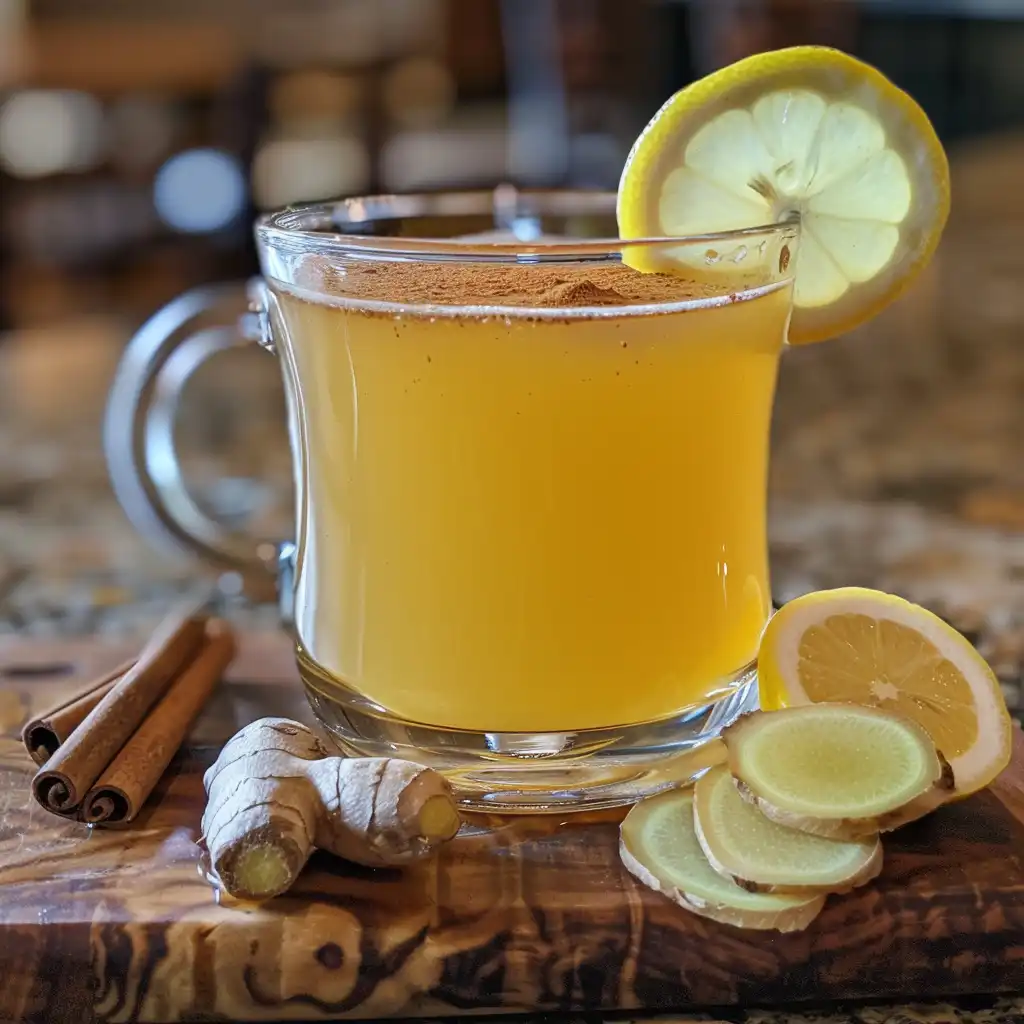
Honey Trick Recipe: Ingredients and How to Make It
This recipe makes one cup of a lightly spiced honey and ginger drink. It is not intended to diagnose, prevent, or treat memory loss. The embedded recipe card below is retained for convenient viewing and printing.
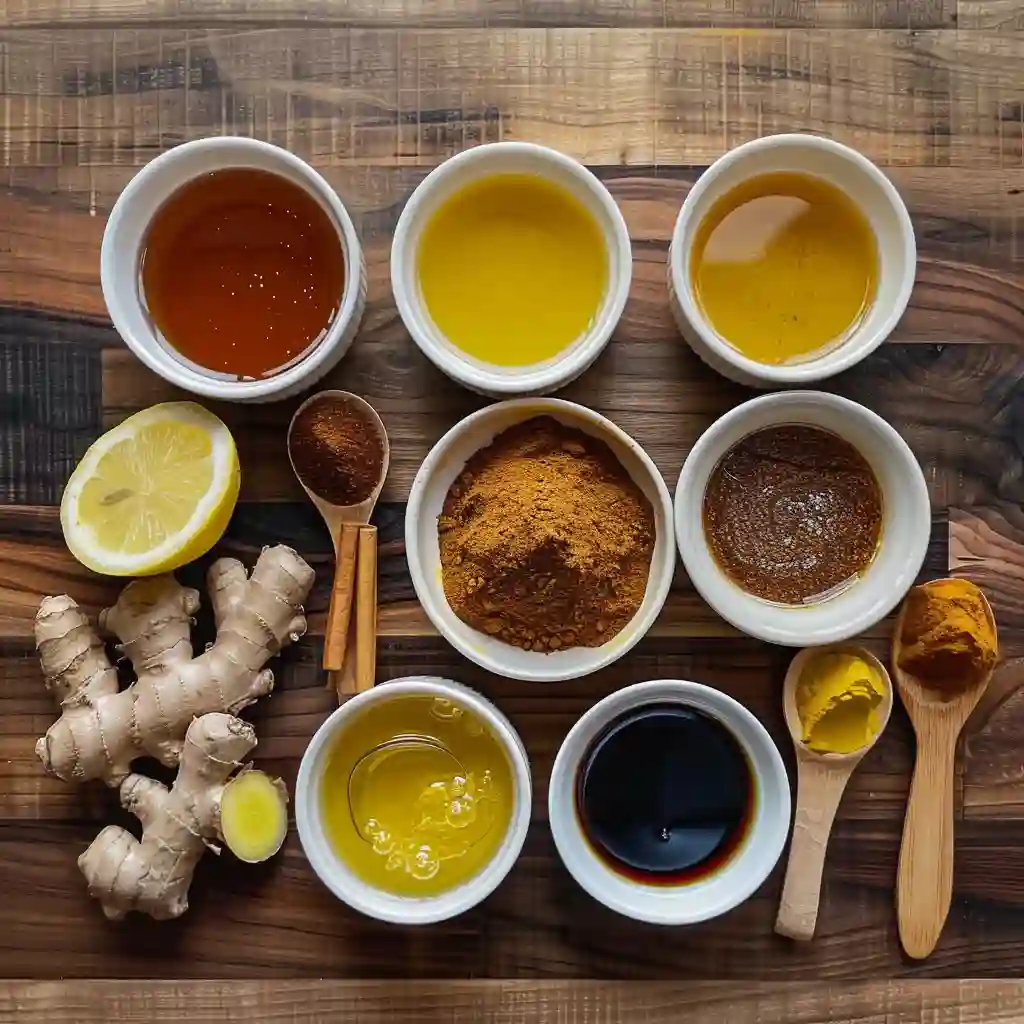
Ingredients for One Serving
- 1 cup (240 mL) warm drinking water
- 1 tablespoon honey, or less according to taste and dietary needs
- 1/2 teaspoon ground cinnamon, optional
- 1/4 teaspoon ground turmeric, optional
- 1 teaspoon fresh lemon juice
- 2–3 thin slices of fresh ginger
- Optional: a little more lemon or an extra slice of ginger for flavor
Step-by-Step Instructions
- Warm the water. Heat clean drinking water until pleasantly warm, rather than boiling.
- Steep the ginger. Add the thin slices to the cup and leave them for about 3–5 minutes.
- Add the spices. Stir in cinnamon and turmeric, if using. Some spices may settle to the bottom.
- Finish with lemon and honey. Add the lemon juice and honey; stir until the honey dissolves.
- Adjust and serve. Taste the drink, adjust the flavor if you wish, and drink when comfortable.
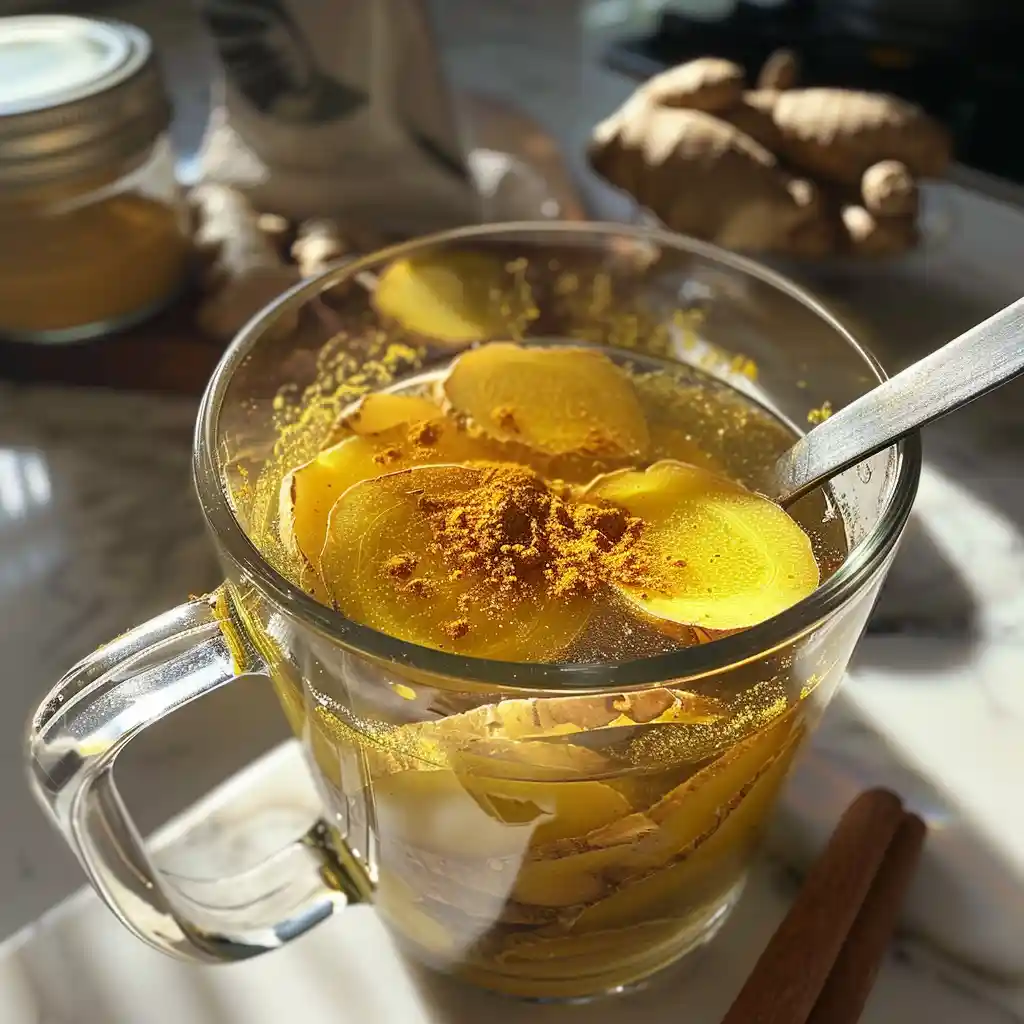
Preparation time: Approximately 5–10 minutes. Servings: One. Honey is optional, and a small amount is enough to sweeten the cup. If you dislike ginger or cannot tolerate an ingredient, omit it instead of forcing a wellness routine.
Print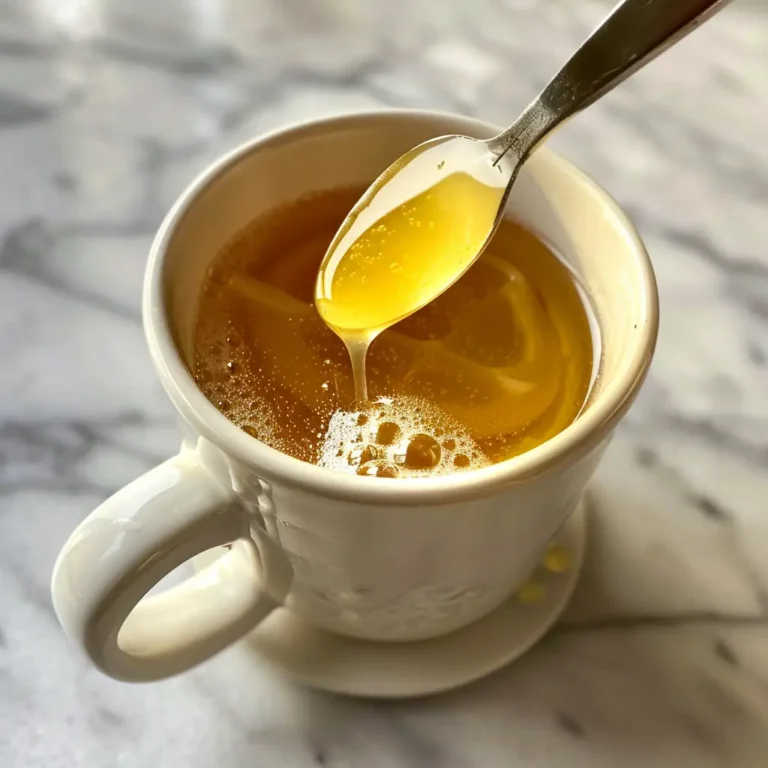
Warm Honey, Ginger & Lemon Drink
A warm honey, ginger, lemon and spice drink you can make in about 10 minutes. This is a food recipe, not a treatment for memory loss or Alzheimer’s disease.
- Total Time: 10 minutes
- Yield: 1 serving 1x
Ingredients
- 1 tablespoon honey (any variety, or less to taste)
- 1/2 teaspoon cinnamon
- 1/4 teaspoon turmeric
- 1 teaspoon fresh lemon juice
- A few thin slices of fresh ginger
- 1 cup warm (not boiling) water
- Optional: pinch of black pepper
- Optional: dash of apple cider vinegar
 Get Recipe Ingredients
Instructions

The first step: Infusing ginger in warm water to build the foundation of the drink Warm the water to a comfortable drinking temperature.
- Add ginger slices and steep for 3–5 minutes.
- Stir in turmeric, cinnamon, and black pepper (if using).
- Add lemon juice and honey last. Stir until honey dissolves fully.
- Taste and adjust spices as needed. Enjoy warm.
Notes
Sweeten to taste, or use less honey if limiting added sugar. Never give honey to infants younger than 12 months. No particular honey drink has been proven to improve memory or focus.
- Prep Time: 5 minutes
- Cook Time: 5 minutes
- Category: Drink
- Method: Stirred
- Cuisine: Traditional/Herbal
Nutrition
- Serving Size: 1 cup
- Calories: 65
- Sugar: 14g
- Sodium: 3mg
- Fat: 0g
- Saturated Fat: 0g
- Unsaturated Fat: 0g
- Trans Fat: 0g
- Carbohydrates: 17g
- Fiber: 0g
- Protein: 0g
- Cholesterol: 0mg
Does Honey Help With Memory Loss?
No specific honey recipe has been shown to reverse memory loss or treat dementia. Honey is mostly sugar, along with small amounts of other naturally occurring substances. Studies of isolated compounds or antioxidant activity in laboratory settings do not establish that eating honey improves memory in people.
The Alzheimer’s Association explains that no single food, beverage, or ingredient has been proven to prevent, treat, or cure Alzheimer’s disease. The National Institute on Aging (NIA) also reports that research has not established any individual food as a way to prevent Alzheimer’s or age-related cognitive decline.
Honey can still have a place in an ordinary diet for someone who can safely consume it. Enjoying the taste and taking time to prepare a drink are different from claiming it helps cognition. Avoid product advertisements that turn these ordinary qualities into promises of brain recovery.
Is Raw, Manuka, or Wildflower Honey Better for Memory?
None of these honey types has a proven clinical advantage for memory loss. Raw, manuka, wildflower, and acacia honey differ in flavor, origin, and price. Marketing claims about ‘enzymes’ and ‘antioxidants’ should not be treated as evidence of dementia prevention or better focus.
Choose a product that fits your preferences and budget. There is no need to buy an expensive specialty honey for alleged brain-health benefits. If added sugar is a concern, reduce or omit the honey altogether.
Do Ginger, Turmeric, Cinnamon, and Lemon Improve Memory?
Adding these ingredients does not turn the drink into a proven memory treatment. Ginger gives warmth and aroma, cinnamon adds sweetness-like flavor, turmeric adds earthiness and color, and lemon adds acidity. Their culinary value does not establish an effect on Alzheimer’s or memory impairment.
Many foods and their components are being studied, including curcumin from turmeric, but promising findings in cells or animals do not necessarily translate into clinical benefits for humans. The NIA notes that trials have not established a specific food or supplement for preventing cognitive decline. Concentrated supplements also have different safety considerations from normal recipe quantities.
For other ways to enjoy similar flavors, see our ginger lemon honey tea. It is another food-and-drink idea, not a substitute for diagnosis or treatment.
What Can Cause Memory Problems Besides Alzheimer’s Disease?
Not every memory problem means dementia. Sleep difficulties, depression or anxiety, thyroid problems, medication side effects, vitamin B12 deficiency, and other health concerns may affect memory. The National Institute on Aging’s guide to memory problems explains why identifying the cause matters.
If forgetfulness disrupts everyday tasks, is worsening, or worries you or a family member, speak with a healthcare professional. Sudden confusion or new neurological symptoms require urgent medical attention. Do not delay medical assessment while trying a viral honey routine.
What Habits May Support Overall Brain Health?
Overall health matters more than a single viral ingredient. Balanced nutrition, appropriate physical activity, good sleep, social connection, and management of blood pressure and other chronic health conditions are reasonable goals. They may support general well-being and are the focus of ongoing research into cognitive aging. They are not a guaranteed way to prevent dementia.
- Eat a varied range of foods that suits your health needs, including vegetables, fruit, legumes, and other nutrient-rich choices.
- Stay hydrated with suitable drinks throughout the day; you do not need honey or ice-cold water for hydration.
- Discuss persistent memory changes and medication side effects with a clinician.
- Make time for sleep, movement, and enjoyable social or mentally engaging activities when possible.
- Be skeptical of supplements or recipes marketed as a ‘cure’ for dementia.
For a more specific discussion of Alzheimer’s claims and nutrition, see our honey recipe for Alzheimer’s evidence guide. That article focuses on a separate question: what people living with Alzheimer’s can safely eat and what food can and cannot do.
Safety: Who Should Avoid or Modify This Honey Drink?
For most healthy adults, modest honey use is a food choice, but it is not suitable for everyone. Honey contributes added sugar. Anyone managing diabetes or following a sugar-restricted diet should consider their individual plan. People with allergies or sensitivities should avoid ingredients that trigger symptoms.
- Babies under 12 months: Never give honey, including mixed into water or foods. The CDC warns about infant botulism.
- Diabetes or medical dietary restrictions: Account for honey’s sugar content, and check with your clinician or dietitian if uncertain.
- Swallowing difficulties: People with dementia may need individualized advice about food and drink textures.
- Medicines and supplements: Do not take concentrated spice supplements or change medication based on an online recipe. Ask your healthcare team about interactions and symptoms.
The recipe is not designed for anyone in medical distress. If a person has progressive memory loss, cannot swallow safely, or is becoming confused, seek appropriate professional care.
Frequently Asked Questions
What do you mix with honey to improve memory?
There is no proven honey mixture that improves memory or reverses memory loss. Cinnamon, ginger, lemon, and turmeric can add flavor to a drink, but combining them with honey does not make the mixture a medical treatment.
What is the best honey for memory loss?
No variety of honey has been clinically established as a treatment for memory loss. Choose raw, wildflower, manuka, or regular honey based on taste, budget, and individual dietary needs rather than brain-health promises.
Does a honey trick recipe prevent Alzheimer’s disease?
No. The Alzheimer’s Association and the National Institute on Aging say that no individual food or ingredient has been shown to prevent or treat Alzheimer’s disease.
What is the number one drink for memory loss?
There is no single drink proven to cure memory loss. Water and other suitable drinks can support normal hydration. Persistent or worsening memory symptoms need medical evaluation.
Can I take honey every morning for better focus?
Honey is a food, not a focus treatment. If you enjoy it, use a modest amount as part of your usual diet, while considering added sugar, diabetes, allergies, and other individual needs.
Can infants have honey in warm water?
No. The CDC advises against giving honey in any form to children younger than 12 months because of the risk of infant botulism.
Bottom Line: Is the Honey Trick Worth Trying?
Try it for flavor if you enjoy honey and warm ginger drinks, not as a solution for memory loss. The recipe is easy to customize, but there is no evidence that a particular honey type, spice combination, or time of day will reverse forgetfulness or protect against Alzheimer’s. Meaningful concerns about memory deserve a medical assessment.
Sources and Editorial Transparency
- Alzheimer’s Association — Alternative Treatments
- National Institute on Aging — Diet and Prevention of Alzheimer’s Disease
- National Institute on Aging — Memory Problems and Forgetfulness
- CDC — Foods and Drinks to Avoid or Limit for Infants
Editorial update — November 9, 2026: We substantially revised this article to remove unverified first-person stories, unsupported memory-enhancement claims, and misleading comparisons between honey varieties. The original recipe card and food images were retained. This page provides general information and does not offer medical advice or promise any cognitive benefit.