
A few months back, I was sitting at the kitchen table, trying to remember the ingredients I’d used for a turmeric-honey tonic I’d whipped up the night before. Oddly enough, what popped into my mind first wasn’t the turmeric—but an image of a tiny elephant dancing in my spice drawer. Strange, right? That image led me down a rabbit hole and straight into what’s now trending across wellness corners of TikTok, Reddit, and even recipe blogs: the elephant trick recipe. Not a dish, but a mental hack.
In this article, we’re diving deep into what the elephant trick recipe really is—not just the viral name but the brain-boosting visualization method behind it. Whether you’re a student struggling to retain notes, a busy parent juggling a dozen to-dos, or simply someone trying to remember where you left your keys, this guide is for you. You’ll learn exactly how this quirky memory technique works, the psychology and neurology behind it, and how to actually use it in your daily routine.
Discover great ideas like this powerful version of the elephant trick recipe that blends memory techniques with mindful routine.
We’ll also explore what experts like the Mayo Clinic say about memory enhancement, and how you can combine their insights with this simple brain trick. Along the way, I’ll share personal experiences, answer frequently asked questions, and show you how to make this brain-boosting habit a seamless part of your everyday life.
Let’s jump in.
Print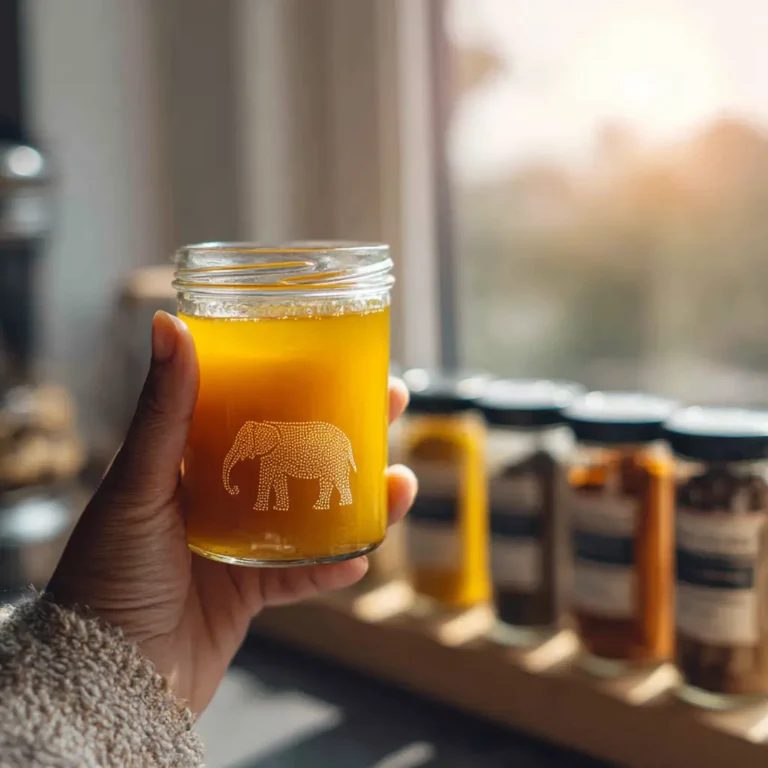
Elephant Trick Recipe
A brain-boosting memory technique disguised as a recipe—using vivid visualization of elephants to help you recall anything from your grocery list to life goals.
- Total Time: 2 minutes
- Yield: 1 sharp memory 1x
Ingredients
- 1 vivid imagination
- 1 memorable task or idea
- 1 ridiculously large mental elephant
- A familiar mental location (e.g. kitchen, desk)
- Optional: sound effects, motion, or humor
 Get Recipe Ingredients
Instructions
- Identify what you want to remember (e.g. task, item, name).
- Create a bizarre image of an elephant doing something related to that task.
- Mentally place that elephant image somewhere familiar in your daily life.
- Repeat or revisit that image throughout the day, especially before bed or first thing in the morning.
- Optionally, say the image out loud or write it in a notebook to reinforce memory.
Notes
The weirder and more colorful the mental image, the stronger the memory. Use exaggeration, motion, and sound to activate multiple brain centers for better recall.
- Prep Time: 2 minutes
- Cook Time: 0 minutes
- Category: Brain Hack
- Method: Visualization
- Cuisine: Mental Wellness
Nutrition
- Serving Size: 1 visualization
- Calories: 0
- Sugar: 0g
- Sodium: 0mg
- Fat: 0g
- Saturated Fat: 0g
- Unsaturated Fat: 0g
- Trans Fat: 0g
- Carbohydrates: 0g
- Fiber: 0g
- Protein: 0g
- Cholesterol: 0mg
What Is the Elephant Trick Recipe?
Understanding the Concept
The elephant trick recipe isn’t about food—it’s about how you think. It’s a quirky but surprisingly effective memory technique that uses visual association to help you recall important details. At its core, the elephant trick recipe relies on the idea that our brains are wired to remember vivid, unusual images far better than plain information. By associating something you want to remember with an image of an elephant—doing something weird, funny, or out-of-place—you give your brain a powerful cue it can latch onto.
Let’s say you’re trying to remember to drink water first thing in the morning. Instead of repeating it to yourself, you picture a giant elephant sipping from your kitchen sink. That’s the elephant trick recipe in action. The more bizarre and colorful the image, the more your brain holds onto it.
Origins and Viral Spread of the “Elephant Memory Trick”
So where did the elephant trick recipe come from? Some say it’s rooted in the ancient memory palace technique, while others credit its rise to social platforms like TikTok and Quora, where users began sharing how visualizing an elephant helped them remember tasks, names, or even recipes. What made it viral wasn’t just the results—it was how easy and fun it was to apply.
Today, the elephant trick recipe is being adopted not just by productivity hackers, but also by everyday people looking for a natural way to enhance their memory. Its simplicity is its charm. You don’t need tools, apps, or supplements. Just your mind and a willingness to picture a ridiculously large animal doing something outlandish.
Don’t miss our honey recipe for brain fog, which pairs well with mental clarity techniques like the elephant trick recipe.
How Does the Elephant Trick Recipe Work?
The Mental Association Method Explained
At its core, the elephant trick recipe is all about mental association. You take something you need to remember—an appointment, a recipe step, a name—and pair it with a vivid, often silly image of an elephant performing a specific action related to that item. The more unusual and personal the image, the more likely it is to stick in your mind.
This method works because the human brain tends to remember visual and emotional experiences better than dry facts. When you attach a memory to a big, colorful elephant stomping through your mental landscape, your brain treats it like something important. It becomes difficult to forget because it doesn’t feel like ordinary information—it feels like an experience.
For example, trying to remember to add ginger to your smoothie? Imagine an elephant dancing in a blender full of ginger chunks. Weird? Yes. Memorable? Absolutely. That’s the elephant trick recipe at work.
The Role of Visualization in Memory Recall
Visualization is a memory powerhouse. Athletes use it to prepare for games, musicians to perfect a performance—and now, thanks to the elephant trick recipe, everyday people can use it to remember anything from grocery lists to meditation habits.
By turning abstract ideas into wild mental movies, this trick lets your memory operate on a whole new level. You’re not just trying to recall a fact—you’re reliving a scene your mind created. That difference is what makes the elephant trick recipe so special. You don’t just remember—you feel the moment.
Looking for inspiration? Try our egg toast recipe for memory loss alongside visualization practices for a brain-friendly morning.
Pro Tip: Practice this technique right before bed or first thing in the morning. These moments are when your mind is most suggestible, making your elephant images more likely to stick.
The Psychology Behind the Elephant Trick
Cognitive Science Foundations
What makes the elephant trick recipe so effective isn’t just imagination—it’s grounded in real cognitive science. The human brain is wired to remember things that stand out. According to psychologists, we form stronger memories when there’s an emotional or sensory connection involved. That’s where this trick shines.
By visualizing an elephant—an animal already associated with strong memory—you engage the brain’s emotional and visual centers. These parts help store information longer and make recall easier. It’s a brain-friendly technique that turns ordinary tasks into unforgettable images. And because the visuals are so personal, they’re more meaningful, which deepens memory retention.
Many people unknowingly use similar techniques. If you’ve ever remembered a face because it reminded you of a celebrity, or recalled a password because of a funny story, you’re already using the logic behind the elephant trick recipe.
Link to Short-Term and Long-Term Memory Improvements
When practiced consistently, the elephant trick recipe can help you bridge short-term memory into long-term storage. That means you’re not just remembering where you put your keys today—you’re training your brain to retain more information over time.
This memory trick essentially works like a mental bookmark. Each elephant image you create pins an idea in place, so your brain can come back to it later. Whether you’re trying to memorize steps in a recipe, track your water intake, or remember calming breathing techniques, this strategy can offer serious support.
Learn more about natural ways to support memory clarity and make them part of your daily rituals.
Pro Tip: Use exaggerated size, color, or motion in your visualizations. The more surreal your elephant scene, the more unforgettable it becomes.
The Elephant Trick in Everyday Life
Daily Uses for Students, Professionals, and Parents
You don’t need a neuroscience degree to benefit from the elephant trick recipe. It’s designed for real people with busy lives—students trying to ace exams, professionals juggling meetings and deadlines, and parents remembering a dozen different school tasks. This mental hack doesn’t require extra time or tools, just your imagination.

For students, it’s especially helpful when memorizing lists or formulas. Picture an elephant scribbling equations on a chalkboard with its trunk—it sounds silly, but your brain won’t forget it. If you’re a busy parent, imagine an elephant packing your child’s lunchbox with reminders like “don’t forget the permission slip!” The mental visuals make those small but important tasks harder to overlook.
Professionals can use the elephant trick recipe to lock in names before a meeting or visualize key talking points before a presentation. The playful nature of the trick turns stress into a quick recall game.
Real-World Examples of Memory Boosts
Let’s look at a personal example. I used to always forget whether I’d taken my vitamins. So I created a mental image of a tiny elephant sliding down the side of my supplement bottle. That visual made the task stick, and it became part of my morning routine. That’s how the elephant trick recipe can sneak into your day—without extra effort.
Even in the kitchen, it works wonders. Try visualizing an elephant stirring your oatmeal with cinnamon if you want to remember a breakfast tweak. These memory nudges are simple, but they make your life feel more in control.
Check out our Canaan honey trick if you’re pairing memory support with spiritual habits—it complements the elephant trick beautifully.
Pro Tip: Keep a notebook of your most effective elephant images. Reusing visuals that work can build a mental toolkit you’ll rely on again and again.
The Elephant Trick in Neurology
What Is the Elephant Trick in Neurology?
Though it started as a viral brain hack, the elephant trick recipe has deeper connections to how our brains store and retrieve information. In neurology, this technique aligns with principles of associative memory, which is the brain’s natural ability to link unrelated concepts together through emotion, imagery, or experience.
Neurologists often explain that our memory system is strengthened by novelty and repetition. The elephant visualization works because it’s both unfamiliar and engaging. It triggers what’s called “deep encoding”—a process where the brain pays closer attention to weird, memorable content, making it easier to recall later.
When someone hears “the elephant trick in neurology,” they may assume it’s an official term. While it’s not formally recognized in medical textbooks, the logic behind the elephant trick recipe is supported by decades of research into mnemonic strategies and cognitive mapping.
Neurological Patterns Supporting Memory Visualization
The brain processes images faster than words. That’s why methods like the elephant trick recipe outperform rote memorization. When you visualize an elephant performing a task—like balancing your grocery list on its trunk—you’re activating several brain regions at once: visual cortex, motor memory, and emotional centers.
This multisensory involvement forms stronger neural pathways. The more senses you “simulate” in your mental picture, the more your brain treats it like a real experience. That’s what makes the trick neurologically powerful—it creates a rich, memorable scene without needing to physically act it out.
Don’t miss our Canaan honey recipe for eyesight, which ties visual memory and wellness together in a delicious way.
Pro Tip: Add motion or sound to your mental scenes. A trumpeting elephant is far more unforgettable than a silent one.
Mayo Clinic’s Take on Memory Techniques
What Does Mayo Clinic Recommend for Memory?
When it comes to brain health, the Mayo Clinic is one of the most trusted voices. They recommend several practical ways to support memory—like staying physically active, eating a brain-healthy diet, staying mentally engaged, and getting quality sleep. While they don’t specifically mention the elephant trick recipe, their guidance aligns perfectly with what this technique aims to accomplish.
Mental stimulation is a core recommendation. Mayo suggests playing memory games, learning new skills, and engaging the brain in novel ways. That’s exactly what the elephant trick recipe does. By using strange visuals and mental associations, you’re not just memorizing—you’re activating parts of the brain often left idle in routine thinking.
How the Elephant Trick Aligns with Clinical Advice
What makes the elephant trick recipe such a great companion to Mayo’s advice is its simplicity. You don’t need special tools, long routines, or subscriptions. It fits into your lifestyle naturally and supports healthy cognitive function.
For example, pairing this trick with a morning ritual—like making tea or a healthy breakfast—turns a simple habit into a brain-boosting session. Imagine an elephant tiptoeing across your stovetop, reminding you to brew ginger tea. That image, tied to a healthy action, reinforces both memory and mindfulness.
Check out our honey trick recipe for memory loss—a simple natural approach that pairs well with mental routines like this one.
Pro Tip: Combine the elephant trick with lifestyle changes. Use your visuals to reinforce good habits, like drinking more water or meditating daily.
Step-by-Step Guide to the Elephant Trick Recipe
Simple Instructions Anyone Can Follow
So you’re ready to try the elephant trick recipe yourself? Don’t worry—this isn’t some complicated brain puzzle. In fact, it’s probably the most playful memory trick you’ll ever use. Here’s a step-by-step guide I personally use almost every day.
- Identify what you need to remember.
It could be a grocery item, a meeting, or even a mood booster like drinking a warm tonic. - Create a bizarre elephant image tied to that task.
The weirder the image, the better. Need to buy lemons? Picture a tiny elephant juggling lemons in your fridge. - Place that mental image somewhere familiar.
Put the elephant scene in your kitchen, bedroom, or wherever the task belongs in real life. - Revisit the image throughout the day.
Replay it in your mind once or twice—especially when you’re about to do the task.
That’s it. No tech. No lists. Just your imagination—and a lovable, oversized mental mascot.
When and How to Practice for Best Results
The elephant trick recipe works best when used consistently. I like to practice it every morning during my tea prep. It only takes seconds, but it sets the tone for a focused day. Others may find bedtime ideal, especially for remembering next-day tasks.
Children can use it too—just guide them in creating their elephant scenes and let their creativity run wild. This technique is safe, fun, and has helped me cut down on forgotten errands and mental clutter.
Check out our elephant trick recipe for memory that actually works to follow a visual example in action.
Pro Tip: Say the elephant image out loud. For example, “Elephant juggling lemons.” Speaking it reinforces the memory through sound and repetition.
My Experience with the Elephant Trick (Sifaw’s Personal Story)
First Encounter and Initial Confusion
The first time I came across the elephant trick recipe, I’ll be honest—I thought it was a cooking trend. With a name like that, who wouldn’t? But a few scrolls through social media later, I realized it was something far more surprising: a memory method that didn’t feel clinical or cold. It was creative, visual, and honestly, a bit fun.

I tried it out while preparing a recipe for the blog. I needed to remember three ingredients I didn’t normally use—ginger, rosemary, and lemon zest. Instead of jotting them down, I pictured a tiny elephant balancing all three items on its back while dancing on my countertop. That odd little scene stuck with me the whole day.
How I Use It in My Kitchen and Memory Routine
Now, the elephant trick recipe is a go-to for everything from remembering meal prep steps to simple self-care rituals. It’s more than a memory hack; it’s a grounding tool. When I feel overwhelmed, I slow down, close my eyes, and create a silly elephant scene for whatever task I’m juggling.
It’s helped me feel less scattered—and more present. I even started teaching it to my younger cousin, who uses it to remember his school chores. It’s a tool anyone can use, regardless of age or background.
Don’t miss our winter citrus tonic recipe—a bright, brain-friendly recipe that pairs beautifully with this mindful memory habit.
Pro Tip: Personalize your elephant images with familiar faces, scents, or sounds. The more personal the scene, the stronger the memory it creates.
Common Questions and Misconceptions
Is This the Same as a Memory Palace?
Many people confuse the elephant trick recipe with the memory palace technique. While both rely on visualization, they’re not quite the same. A memory palace is more structured—you mentally walk through a physical space and “place” memories in certain spots. The elephant trick, on the other hand, is far more flexible and playful.
With the elephant trick recipe, you don’t need a fixed mental layout. You just create vivid, emotional imagery tied to what you want to remember. One day your elephant might be juggling blueberries in your sink, the next it could be meditating on your yoga mat. It adapts to your day, your mood, and your task list.
Can Children Use the Elephant Trick?
Absolutely. Kids actually take to this technique faster than adults because their imaginations are already active. The elephant trick recipe is perfect for helping children remember school tasks, routines, or even vocabulary words. Just guide them in creating a funny or outrageous elephant scene tied to what they need to recall.
It’s a stress-free way to turn learning into play—and it works for adults too. The key is creativity, not accuracy. There’s no wrong way to picture your mental elephant, which makes this trick comforting and approachable.
Looking for inspiration? Try our apple cider vinegar detox drink to support clarity while practicing your memory skills.
Pro Tip: Keep a whiteboard or sketchpad where your child can draw their “elephant memory scenes.” Making it visual in real life strengthens the recall effect even more.
FAQ Section
What is the elephant memory trick?
The elephant memory trick is a visual memory strategy based on the idea that elephants have excellent recall. It involves picturing a whimsical elephant doing something related to the information you want to remember. This visualization makes the memory more emotional, and therefore more likely to stick. At its core, the elephant trick recipe takes this idea and builds it into a repeatable, user-friendly routine anyone can use.
What does Mayo Clinic recommend for memory?
The Mayo Clinic suggests a blend of lifestyle habits—physical activity, balanced nutrition, mental stimulation, and restful sleep—to support memory. While the elephant trick recipe isn’t on their official list, its emphasis on mental engagement fits perfectly with their advice. Practicing visualization activates several regions of the brain, making it a helpful addition to your mental wellness routine.
What is the elephant trick answer?
People often ask, “What’s the real answer to the elephant trick?” The truth is, there is no single answer—the elephant trick recipe is a method, not a riddle. The “answer” is in how you use it. It’s about forming strong mental images to store important thoughts in a fun, sticky way. Each elephant scene you create becomes its own memory anchor.
What is the elephant trick in neurology?
In neurological terms, the elephant trick taps into associative and visual memory systems. Our brains remember things better when they’re tied to strong imagery, emotions, or sensory details. The elephant trick recipe activates this process by helping you build silly, vivid scenes that trigger recall—without needing flashcards or apps.
Pro Tip: Make the elephant your mental sidekick. Give it a name, a costume, or even a mission. Turning it into a recurring character makes each visualization easier to remember.
Conclusion: Making Memory Fun Again
Memory doesn’t have to feel like a chore. With the elephant trick recipe, you’re turning everyday tasks into something playful and memorable. Whether you’re a student trying to study smarter, a professional managing a busy schedule, or someone who simply wants to stop forgetting why they walked into a room—this method can make a real difference.
What sets the elephant trick recipe apart is its flexibility. You don’t need any fancy gadgets or scientific background. All you need is your imagination and a willingness to have a little fun with your thoughts. The results may surprise you.
Personally, it’s helped me turn scattered mornings into grounded, intentional ones. A simple elephant image now reminds me to drink water, prep breakfast, or finish a blog post—without alarms or sticky notes. And I’m not alone. Many people online are finding creative ways to adapt this technique for their own routines.
Discover more feel-good kitchen moments on Facebook and Pinterest. Your next memory-boosting trick might be waiting in a recipe.
Pro Tip: If you’re overwhelmed, start small. Choose one task today and build your first elephant scene around it. Over time, you’ll train your brain to naturally recall more with less effort.
This memory technique is shared for informational purposes and is not a substitute for medical advice.